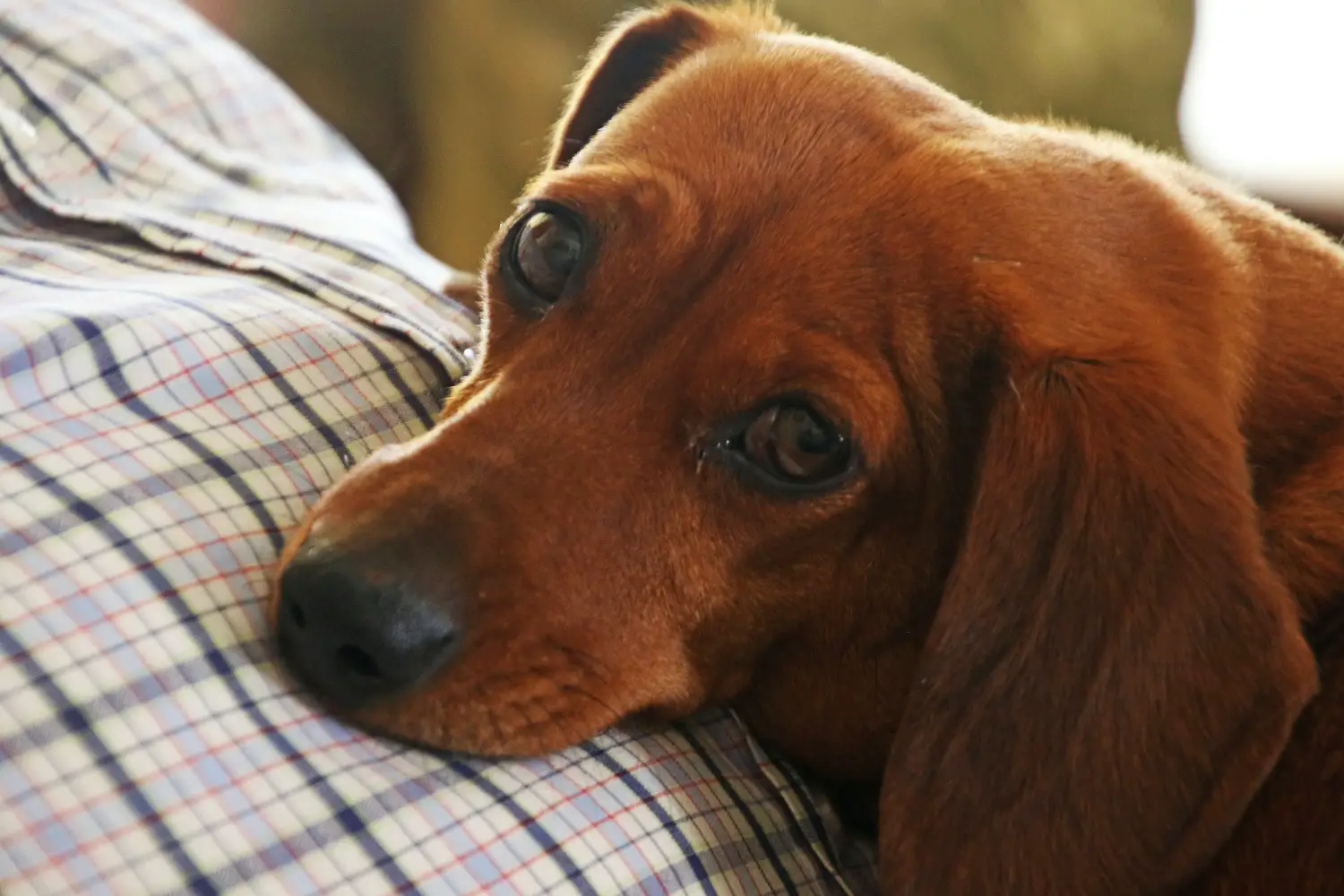
For most owners, dogs with short floppy ears are absolutely worth the extra care. While their "drop" ear anatomy traps moisture and reduces airflow—increasing the risk of yeast and bacterial infections—a consistent cleaning routine usually takes less than ten minutes per week. This minor maintenance prevents chronic health issues and costly veterinary bills.
The aesthetic appeal of a dog with floppy ears is undeniable. From the soulful gaze of a Beagle to the rugged look of an uncropped Boxer, floppy ears often contribute to a "puppy-like" appearance that lasts well into adulthood. However, this charm comes with a biological trade-off. Unlike prick-eared dogs (like German Shepherds), whose upright ears benefit from constant air circulation and natural debris shedding, floppy-eared breeds possess a "lid" over the ear canal. In 2026, as veterinary dermatology advances, we understand better than ever that the "worth" of these breeds is found in the balance between proactive hygiene and the unique companionship they offer.
Understanding the Anatomy of Short Floppy Ears
To determine if the care is "worth it," one must first understand what makes the "short floppy" ear—scientifically known as a pendulous or drop ear—unique. Unlike the extremely long ears of a Basset Hound, which can drag on the ground and collect external filth, short floppy ears (seen in breeds like the Labrador Retriever, Cavalier King Charles Spaniel, or various Terrier mixes) sit closer to the head.
The primary anatomical challenge is the canine ear canal itself. Dogs possess an "L-shaped" ear canal. Debris must travel up and then out. In a prick-eared dog, gravity and air help this process. In a floppy-eared dog, the ear leather (the pinna) folds over the opening, creating a warm, dark, and humid environment. This microclimate is the perfect incubator for Malassezia (yeast) and various bacteria like Staphylococcus.
Furthermore, "short" floppy ears are often heavy enough to seal the canal but not long enough to be moved significantly by the wind. This creates a stagnant air pocket. If the dog has a high density of hair inside the canal—common in Poodle mixes or Spaniels—the risk of wax impaction and subsequent infection increases exponentially.
The Reality of the "Extra Care" Requirement
When prospective owners ask if these dogs are "worth it," they are usually weighing the time and financial commitment of maintenance. In 2026, the standard of care for a short-floppy-eared dog involves three primary pillars: inspection, cleaning, and environmental management.
Weekly Inspection and Cleaning
You should expect to inspect your dog’s ears at least twice a week. A healthy ear should be pale pink, odorless, and free of discharge. The "extra care" involves using a veterinarian-approved enzymatic ear cleaner. You fill the canal with the solution, massage the base of the ear to break up wax (you should hear a "squishing" sound), and let the dog shake its head.
Pro Tip: Never use cotton swabs (Q-tips) deep in the canal, as the L-shape makes it easy to pack debris against the eardrum or even rupture it. Use a soft gauze or cotton ball to wipe only the visible portions of the inner ear.
Post-Moisture Drying
If you own a floppy-eared dog that loves to swim or requires frequent grooming, the "extra care" increases. Any time the dog gets wet, moisture becomes trapped under the flap. Owners must be diligent about drying the ears immediately after baths or lake visits. Failure to do so often leads to "Swimmer’s Ear," which can quickly escalate into a painful infection requiring antibiotics.
Professional Grooming Costs
For breeds with hair growing inside the ear canal, professional grooming is often a necessity rather than a luxury. "Plucking" ear hair is a debated topic in 2026 veterinary medicine—some vets recommend it to increase airflow, while others warn it causes micro-trauma that invites infection. Regardless of the method, keeping the hair trimmed and the canal clear adds an extra line item to your annual pet budget.
Comparison of Ear Types and Maintenance Needs
The following table breaks down the maintenance expectations for different ear shapes to help you contextualize the "extra care" required for short floppy ears.
| Ear Type | Example Breeds | Infection Risk | Cleaning Frequency | Main Concern |
|---|---|---|---|---|
| Prick (Upright) | German Shepherd, Husky | Low | Monthly / As needed | Foreign bodies (seeds) |
| Short Floppy | Beagle, Lab, Boxer | Moderate | Weekly | Moisture & Yeast |
| Long Floppy | Basset Hound, Cocker Spaniel | High | 2-3 Times Weekly | Heavy debris & Hematomas |
| Rose / Button | Pug, Jack Russell | Low-Moderate | Bi-Weekly | Skin fold dermatitis |
The Financial Aspect: Prevention vs. Treatment
Is the care worth it? The financial data suggests that prevention is significantly cheaper than treatment. In 2026, a bottle of high-quality ear cleaner costs between $20 and $35 and typically lasts six to twelve months.
In contrast, a clinical case of Otitis Externa (outer ear infection) can be costly. A typical veterinary visit for an ear infection includes:
- Exam Fee: $60–$100
- Ear Cytology: $50–$80 (to identify if it’s yeast, bacteria, or mites)
- Medicated Drops: $40–$90
- Follow-up Exam: $50
If an infection is left untreated and becomes chronic, it can lead to a Total Ear Canal Ablation (TECA), a major surgery where the ear canal is removed entirely. This procedure can cost upwards of $3,000 to $5,000 per ear. When viewed through this lens, the "extra care" of weekly cleaning is a minor investment that protects both the dog's quality of life and the owner's bank account.
The Role of Allergies in Floppy Ear Health
A critical factor often overlooked is the link between floppy ears and systemic allergies. For many dogs, the ears are the first place an allergic reaction manifests. Whether it is a food sensitivity (often to specific proteins) or environmental allergens (pollen, dust mites), the inflammation causes the lining of the ear to swell and produce more wax.
In floppy-eared breeds, this allergic inflammation is compounded by the lack of airflow. If you find that your "extra care" isn't stopping the infections, the issue may not be hygiene, but rather an underlying allergy. Addressing the diet—perhaps moving to a hydrolyzed protein or limited-ingredient diet—can often "cure" the ear issues that cleaning alone cannot touch. According to the American Veterinary Medical Association (AVMA), managing underlying skin conditions is vital for long-term ear health in predisposed breeds.
The "Worth It" Factor: Temperament and Lifestyle
Beyond the medical requirements, many owners find these breeds "worth it" because of the specific temperaments often associated with them. Many short-floppy-eared dogs belong to the Sporting, Hound, or Working groups.
- Beagles and Hounds: Known for their incredible sense of smell and merry personalities.
- Retriever Breeds: Famously friendly, loyal, and excellent family companions.
- Spaniels: Highly affectionate and "velcro" dogs that thrive on human interaction.
The "extra care" of ear cleaning becomes a bonding ritual for many owners. When approached with positive reinforcement and treats, most dogs learn to tolerate or even enjoy the ear-rubbing sensation associated with cleaning. This ritual allows for a weekly "health check" where you might also notice other issues like new lumps, ticks, or dental problems.
Potential Complications: Aural Hematomas
One specific risk associated with floppy ears that owners should be aware of is the aural hematoma. When a dog has an itchy ear (usually due to an infection or mites), they shake their head violently. Because the ear flap is floppy, it slaps against the skull. This trauma can rupture blood vessels within the ear leather, causing the ear to fill with blood like a balloon.
Aural hematomas almost always require surgical intervention to drain the fluid and tack the skin layers back together to prevent cauliflower ear. This is perhaps the strongest argument for why the "extra care" of regular cleaning is mandatory—by preventing the itch that causes the head shaking, you prevent the hematoma.
Common Mistakes in Floppy Ear Care
Even well-meaning owners can make mistakes that exacerbate ear problems. To ensure the extra care is effective, avoid these pitfalls:
- Over-Cleaning: Cleaning a healthy ear every day can strip away protective oils and cause irritation, which ironically leads to infection. Once a week is usually the "sweet spot."
- Using Hydrogen Peroxide: Peroxide is too harsh for the sensitive lining of the ear canal and can lead to tissue damage over time. Stick to pH-balanced veterinary formulas.
- Ignoring the "Frito" Smell: A slight corn-chip smell is often yeast. If you smell it, don't just clean more—schedule a vet visit to clear the underlying overgrowth.
- Hair Plucking Without Need: If your dog has hairy ears but never gets infections, leave the hair alone. Plucking can cause inflammation that starts a cycle of problems.
Diagnostic Steps for Recurrent Issues
If you have committed to the extra care and your dog still suffers from ear issues, it is time to look deeper. In 2026, veterinarians use several tools to solve chronic ear problems:
- Video Otoscopy: Using a tiny camera to look deep into the canal to check for polyps, tumors, or ruptured eardrums.
- Culture and Sensitivity: Growing the bacteria in a lab to see exactly which antibiotic will kill it. This is essential for antibiotic-resistant strains.
- Imaging: CT scans can determine if an infection has moved into the middle or inner ear (Otitis Media/Interna), which requires more aggressive treatment.
Frequently Asked Questions
How do I know if my dog's floppy ears are infected?
The most common signs are persistent head shaking, scratching at the ears, a dark brown or yellow discharge, and a distinct, often "yeasty" or "musty" odor. If the ear leather feels hot to the touch or looks bright red, it is likely inflamed and painful.
Are some floppy-eared breeds "easier" than others?
Generally, breeds with "button ears" (where the fold is higher and the ear is smaller), like Pugs or some Jack Russell Terriers, have slightly better airflow than "pendulous ears" like those on a Labrador. The easier breeds are those with less hair in the canal and fewer skin folds.
Can I use home remedies like apple cider vinegar?
While some advocate for diluted vinegar due to its acidity, it can be extremely painful if the ear is already inflamed or has microscopic tears. It is much safer to use a product specifically formulated for the canine ear's pH levels, which are different from human skin.
At what age should I start ear care?
Start as a puppy! Even if their ears are healthy, getting them used to having their ears handled, lifted, and wiped with a cloth will make adult maintenance much easier. Positive associations built early prevent the "wrestling match" many owners face later.
Does diet really affect ear health?
Yes, significantly. Chronic ear infections are one of the most common symptoms of food allergies in dogs. If your dog has "chronic floppy ear syndrome," transitioning to a high-quality, hypoallergenic diet under veterinary supervision often resolves the issue.
Final Recommendation: How to Decide
If you are a person who values a low-maintenance lifestyle and finds routine hygiene tasks burdensome, a prick-eared breed may be a better fit. However, if you are willing to dedicate roughly 15 minutes a week to inspection and cleaning, the "extra care" required for a short-floppy-eared dog is a negligible price to pay for the companionship of these popular breeds.
To succeed, keep your cleaning supplies in a visible place (like near the leash or food) to remind you of the weekly task. Invest in a high-quality enzymatic cleaner and reward your dog heavily during the process. The "worth" of a dog is rarely measured in the minutes spent cleaning ears, but in the years of health and comfort you provide them through that simple act of care.