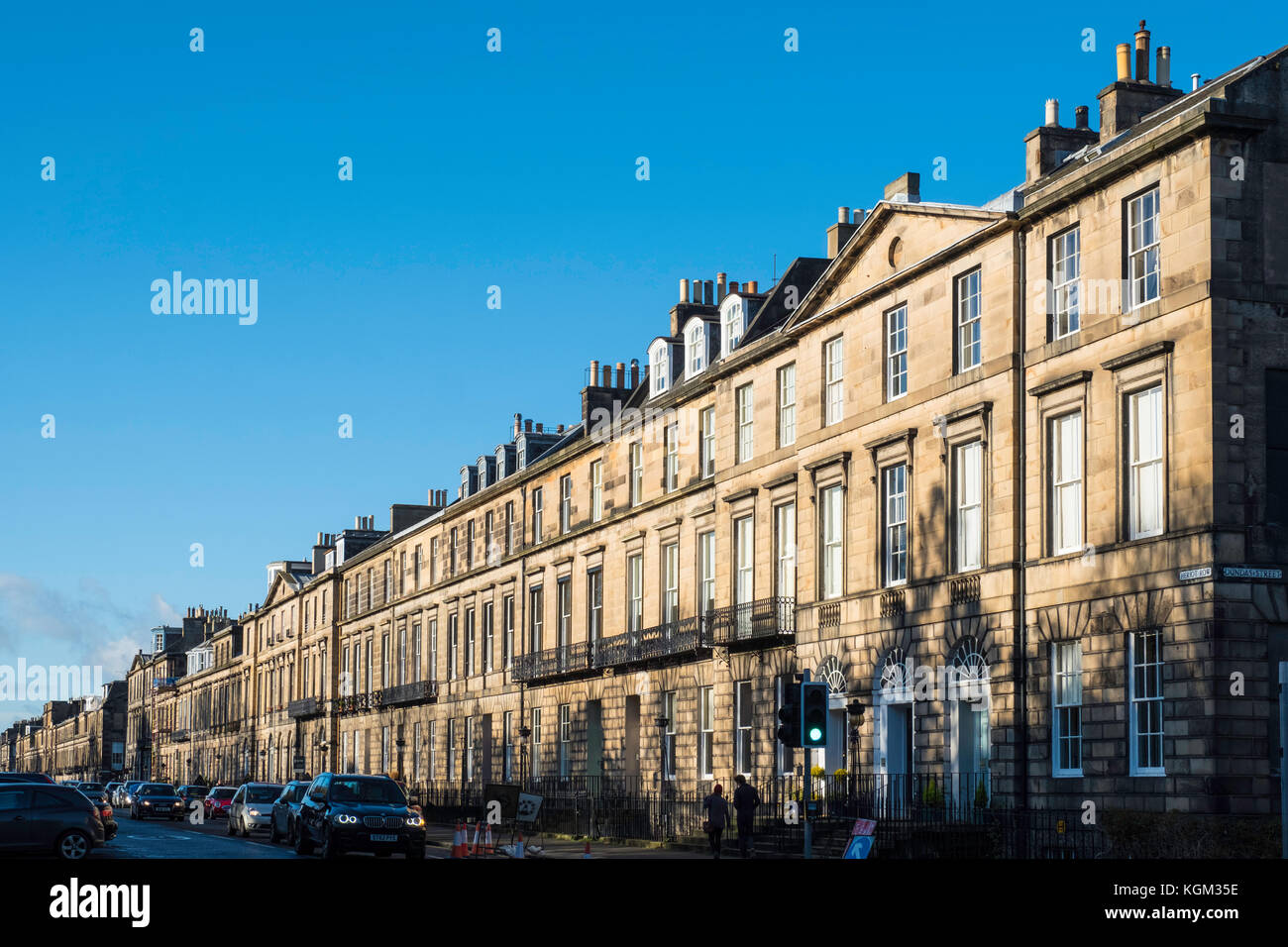
Edinburgh townhouses remain one of the most sought-after property types in the United Kingdom, offering a unique blend of architectural prestige, substantial internal square footage, and long-term capital appreciation. In 2026, their value is underpinned by extreme scarcity and the enduring global appeal of Scotland's capital as a financial and cultural hub.
Deciding whether an Edinburgh townhouse is "worth it" requires a nuanced understanding of the current Scottish property market, the specific challenges of maintaining listed buildings, and the evolving regulatory landscape regarding energy efficiency. While these properties command a significant premium, their historical resilience makes them a defensive asset class in a volatile economic environment.
The Enduring Appeal of the Edinburgh Townhouse
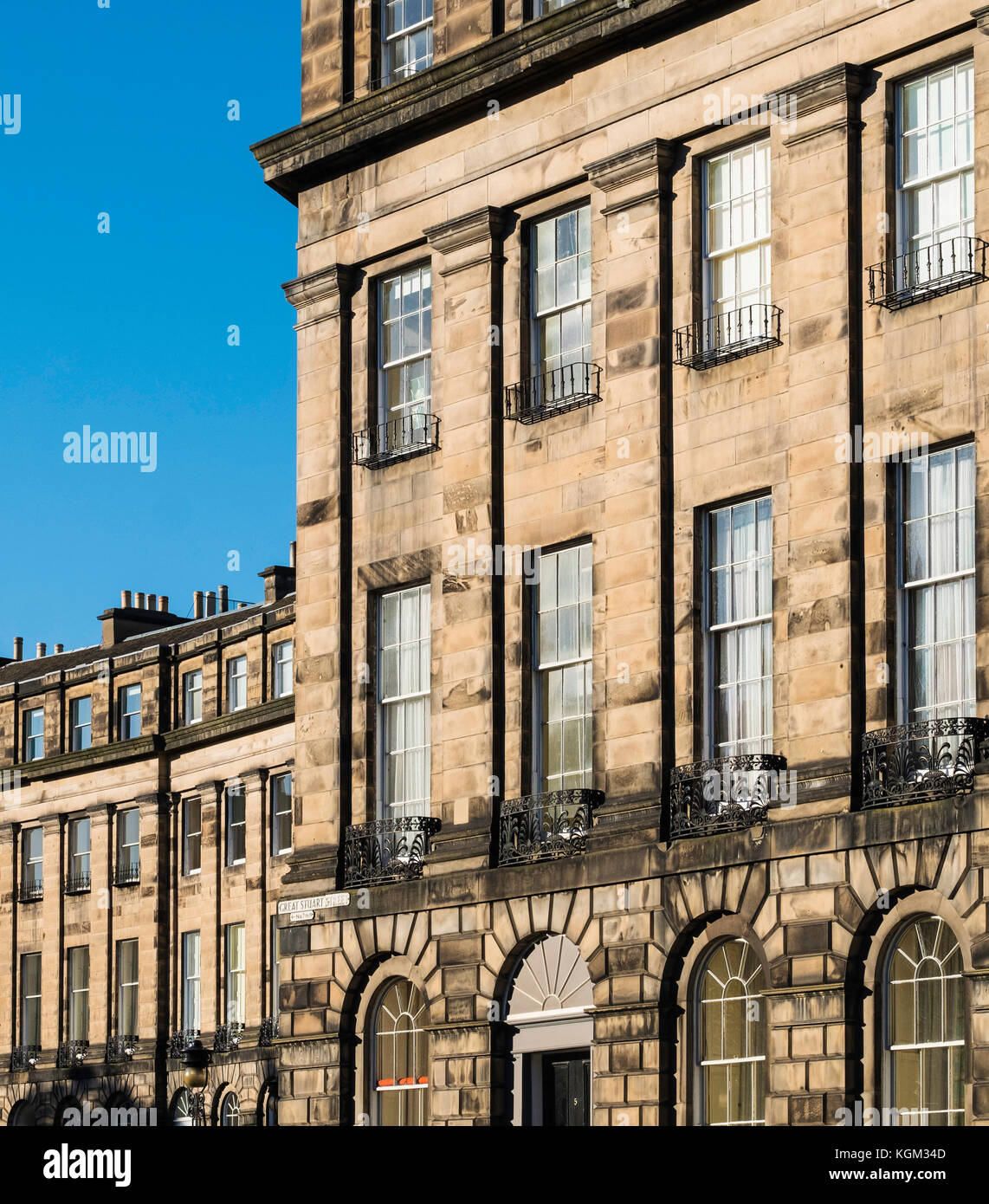
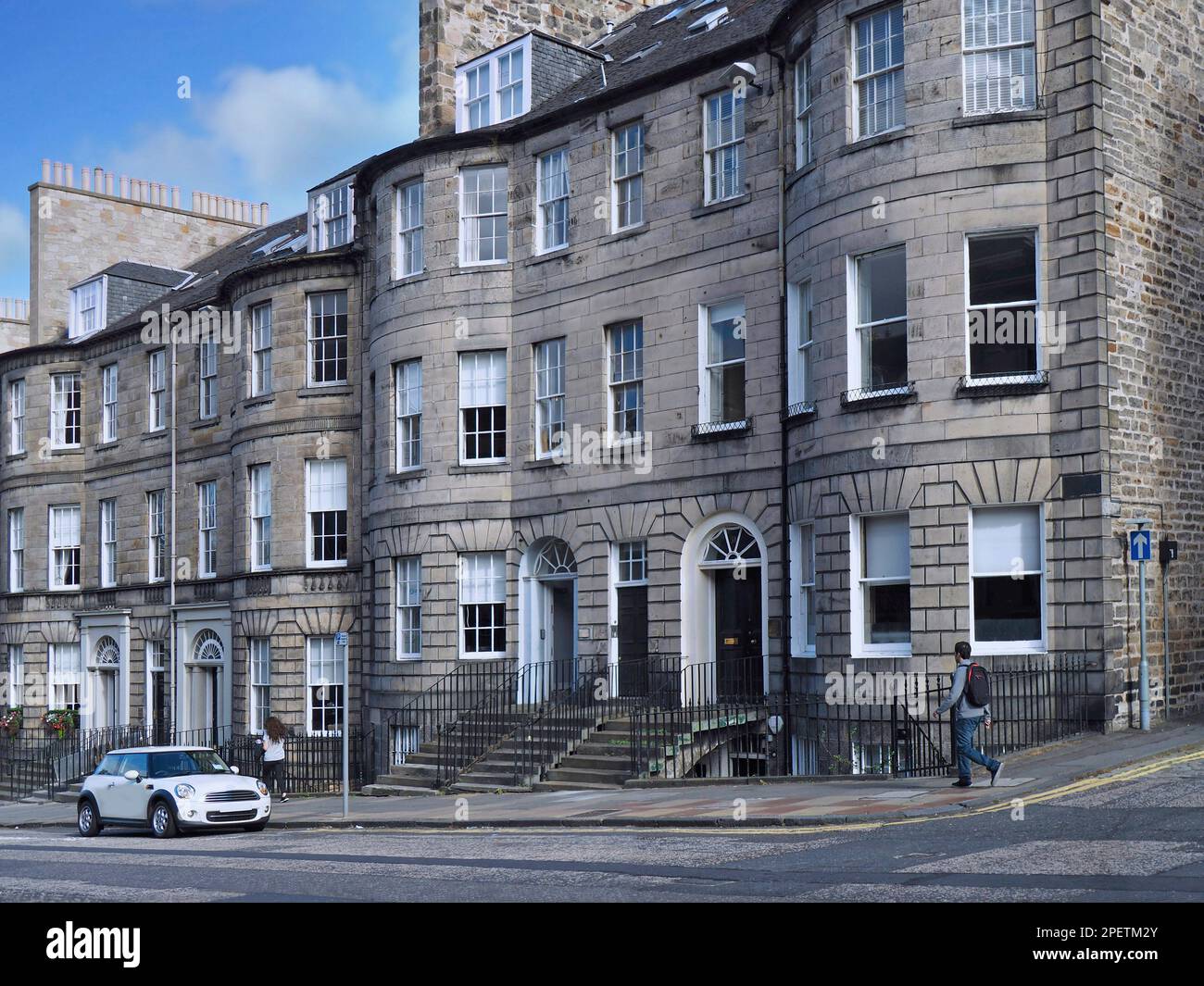
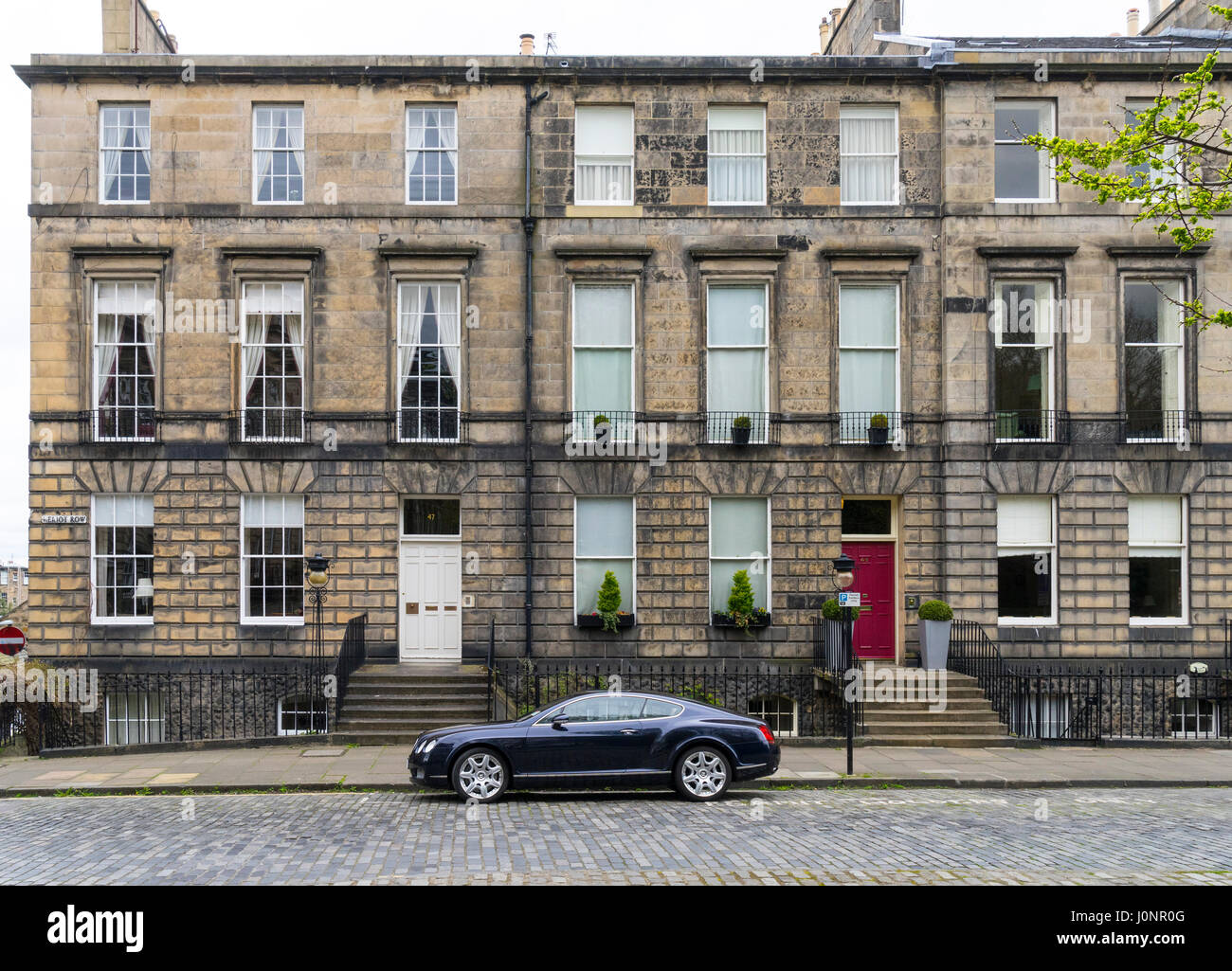
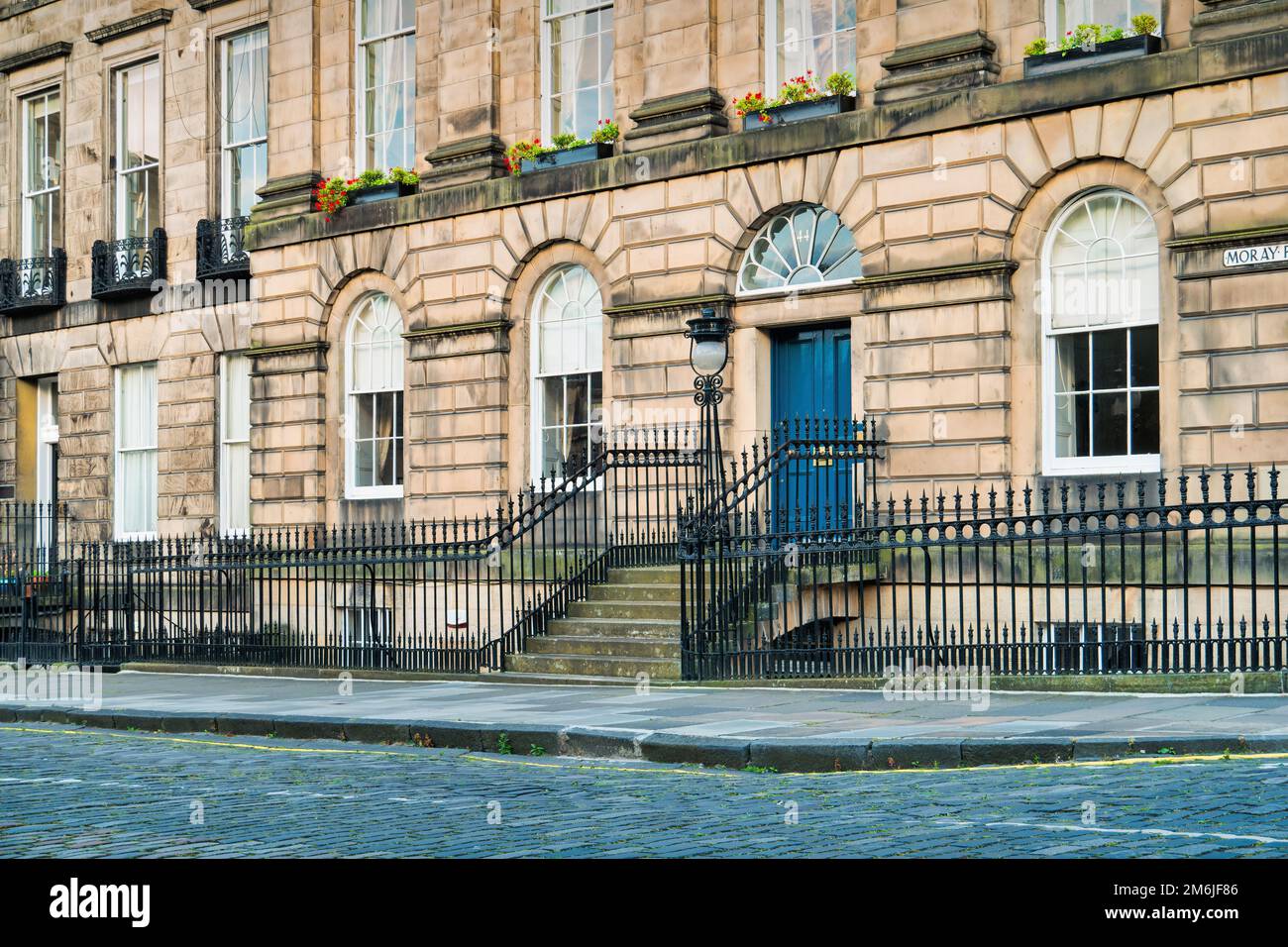
To understand the value of these properties, one must first define what makes an Edinburgh townhouse unique. Unlike the narrow, vertical Victorian terraces found in London, Edinburgh’s townhouses—particularly those in the New Town—are characterized by their generous proportions, massive sash-and-case windows, and the use of locally quarried Craigleith sandstone.
In 2026, the market distinguishes clearly between "full" townhouses (the entire vertical stack from basement to attic) and "converted" townhouses (subdivided into apartments). A full townhouse in a prime location like Heriot Row or Moray Place is no longer just a home; it is a legacy asset. The scarcity is the primary driver of value. Because the New Town is a UNESCO World Heritage site, there is zero possibility of new-build competition within the historic core. This "supply ceiling" ensures that even when the broader UK housing market fluctuates, the "Golden Postcodes" of EH1, EH2, and EH3 maintain their floor price.
Architectural Prestige and Lifestyle
For many buyers, the worth is found in the "volume" of the space. The ceiling heights in a first-floor drawing room often exceed four meters, providing a sense of grandeur that modern builds cannot replicate. In an era where hybrid work is the standard, the multiple levels of a townhouse allow for a physical separation between professional and domestic life that smaller properties lack.
The Financial Landscape in 2026: Costs and Taxes
Buying a townhouse in Edinburgh involves a complex financial calculation that goes beyond the "offers over" price. Scotland operates under a distinct legal and tax system compared to England and Wales, which significantly impacts the "worth" of a high-value acquisition.
Land and Buildings Transaction Tax (LBTT)
In 2026, LBTT remains a progressive tax that hits high-value properties hard. For a townhouse priced at £1.5 million—a common entry point for a full house in the West End—the LBTT bill is a substantial six-figure sum. Furthermore, the Additional Dwelling Supplement (ADS) applies if the property is not the buyer’s primary residence. Investors must factor these "sunk costs" into their long-term growth projections.
The Home Report System
Scotland’s Home Report system provides transparency that helps buyers assess value. Every seller must provide a pack containing a Single Survey, an Energy Performance Certificate (EPC), and a Property Questionnaire. In 2026, the Single Survey is more critical than ever, as it highlights the condition of the "outer skin" of these historic buildings.
Maintenance and the "Heritage Tax"
The primary argument against the worth of an Edinburgh townhouse is the cost of upkeep. These are stone-built structures, many over 200 years old. Owners often refer to this as the "Heritage Tax"—the premium paid to keep a piece of history functional.
Stone and Roof Integrity
The Scottish climate is notoriously harsh on sandstone. "Delamination"—where the face of the stone begins to flake off due to water ingress and freeze-thaw cycles—can cost tens of thousands of pounds to repair using traditional lime-pointing methods. Furthermore, the massive slate roofs of these properties require regular inspections by specialist lead-workers and slaters. In 2026, skilled heritage tradespeople are in high demand, and their rates reflect their scarcity.
The EPC Challenge and Retrofitting
As of 2026, the Scottish Government has introduced stricter regulations regarding the energy efficiency of residential buildings. For a B-listed or A-listed townhouse, achieving a high EPC rating is a monumental task.
- Insulation: Traditional cavity wall insulation is impossible in solid stone walls.
- Windows: Replacing original sash windows with modern uPVC is forbidden in conservation areas. Owners must instead invest in expensive "Slimlite" double glazing or high-end secondary glazing that meets planning requirements.
- Heating: Transitioning from gas boilers to heat pumps in a 4,000-square-foot historic home requires significant plumbing overhauls and often underfloor heating, which may involve lifting original floorboards.
While these costs are high, properties that have already undergone "deep retrofitting" are commanding a 10-15% premium in 2026, as buyers increasingly prioritize operational costs and climate impact.
Comparative Value: Edinburgh Townhouses vs. Other Assets
To determine if these properties are worth buying, we must compare them to other investment and living options available in the 2026 market.
| Feature | Edinburgh Townhouse (Historic) | Luxury New Build (Leith/Quartermile) | Suburban Detached (Colinton/Cramond) |
|---|---|---|---|
| Average Price per Sq Ft | Highest (£550 - £850+) | Medium (£450 - £600) | Lower (£350 - £500) |
| Maintenance Burden | Very High | Low (Factor fees) | Medium |
| Energy Efficiency | Low (unless retrofitted) | Excellent (A-Rated) | Good |
| Capital Growth Potential | Exceptional (High Scarcity) | Moderate | Stable |
| Outdoor Space | Often limited to "dry areas" or shared gardens | Balconies/Communal | Private large gardens |
| Heritage Value | UNESCO Recognition | None | Minimal |
Key Neighborhoods to Consider in 2026
The "worth" of a townhouse is heavily dictated by its specific micro-location within the city.
1. The New Town (EH1/EH3)
This remains the gold standard. Streets like Great King Street and Northumberland Street offer the quintessential Edinburgh experience. While the lack of private gardens is a drawback, access to private residents' gardens (like Queen Street Gardens) provides a level of exclusivity that supports high resale values.
2. The West End (EH3)
Traditionally more "corporate," the West End has seen a residential resurgence by 2026. With the completion of major infrastructure projects around Haymarket, these townhouses offer better connectivity for those frequently traveling to Glasgow or London via the refurbished rail links.
3. The Southside (The Grange and Morningside)
For families, the Victorian townhouses in The Grange are often considered "worth more" than the New Town because they are usually detached or semi-detached and come with substantial private walled gardens. They sit within some of the city's best school catchment areas, ensuring constant demand.
4. Leith and The Shore
While traditionally known for tenements and industrial spaces, 2026 sees several "modern townhouses" in Leith. These offer the vertical living experience with modern insulation and private parking, though they lack the historical prestige and high ceilings of the city center.
Rental Yields and Investment Strategy
For the investor, an Edinburgh townhouse in 2026 is a "capital play" rather than a "yield play." Gross rental yields for full townhouses typically hover between 2.5% and 3.5%. The high purchase price and maintenance costs eat into monthly cash flow.
However, the corporate relocation market is robust. Large multinational firms with headquarters in Edinburgh’s financial district often seek full-home rentals for C-suite executives on two-to-three-year contracts. These tenants prioritize prestige and security, often paying a premium for fully managed, high-spec historic homes.
Short-Term Let (STL) Considerations
It is vital to note that by 2026, Edinburgh’s Short-Term Let licensing system and "Control Areas" are fully matured. Converting a whole townhouse into an Airbnb is now extremely difficult, requiring planning permission for "change of use" that is rarely granted in high-density residential areas. Buyers should not base the "worth" of a townhouse on projected short-term rental income unless the property already possesses the necessary certificates.
Potential Risks and Mitigation
The main risk to the value of Edinburgh townhouses is the "Obsolescence Risk." If a property is not upgraded to meet modern living standards—specifically in terms of connectivity (fiber optics) and heating—it may sit on the market for longer.
To mitigate this, savvy buyers in 2026 are looking for properties that require "cosmetic" rather than "structural" work. Finding a townhouse where the roof and stonework have been recently overhauled by a previous owner is the most effective way to ensure the purchase is financially sound. The "cost to cure" a neglected townhouse can easily exceed £250,000, which is often not fully reflected in the initial asking price.
Practical Steps for Prospective Buyers
- Specialist Survey: Never rely solely on the Home Report. Commission a Level 3 Building Survey from a surveyor with specific experience in Scottish lime-built structures.
- Check the "Flatted" Status: Ensure the townhouse is truly "single-family residential." Some townhouses were partially subdivided decades ago, and the legal titles (feudal or modern) can be complex regarding shared maintenance responsibilities.
- Investigate Conservation Grants: Occasionally, organizations like Edinburgh World Heritage offer small grants for the restoration of original features, such as iron railings or decorative stonework.
- Analyze the "Sinking Fund": If the townhouse is part of a terrace with shared communal spaces or private gardens, check the annual fees and the status of the communal "sinking fund" for major works.
Summary: Is the Edinburgh Townhouse Worth It?
In 2026, the answer is a definitive yes, provided the buyer has a long-term horizon (7–10 years minimum). The combination of architectural scarcity, the prestige of the UNESCO World Heritage setting, and the robustness of the Edinburgh economy creates a unique asset that is difficult to replicate.
The "worth" is not merely financial. It is found in the experience of living in a piece of Enlightenment history—owning a home that has survived two centuries of social change and remains a symbol of Scottish excellence. For those who can navigate the high entry costs and the ongoing stewardship requirements, an Edinburgh townhouse remains one of the finest real estate investments in Europe.
Frequently Asked Questions
How much does it cost to heat an Edinburgh townhouse in 2026? Heating costs vary significantly based on the level of retrofitting. An uninsulated, five-bedroom Georgian townhouse using a traditional gas boiler can cost between £4,000 and £7,000 per year. Properties with secondary glazing and modern zoned heating systems can reduce this by 30-40%.
Are townhouses in the New Town better than those in the Southside? It depends on your priorities. The New Town (EH1/EH3) offers architectural purity and proximity to the city center but lacks private gardens. The Southside (The Grange/Morningside) offers larger private plots and a more "suburban" feel, which often appeals more to families with children.
Can I add an extension to a listed Edinburgh townhouse? Adding an extension is possible but highly regulated. Planning permission and Listed Building Consent are required. Most successful extensions are located at the rear "garden level" and use high-quality materials that complement the original stone. Modern "glass box" extensions are sometimes permitted if they are not visible from the main street.
What is the impact of the "Heat in Buildings" Bill on townhouse values? The Bill has created a two-tier market. Properties that have already moved toward net-zero (e.g., through high-spec heat pumps or advanced insulation) are seeing their values rise. Properties that require these upgrades are often sold at a slight discount to account for the future capital expenditure required by the government deadlines.
Is it difficult to get a mortgage on a listed townhouse? In 2026, most major UK lenders will provide mortgages on A or B-listed townhouses, provided the property is in habitable condition. However, some lenders may require a higher deposit (LTV of 75% or lower) for properties with non-standard roofs or those requiring significant structural repairs.
Specific Recommendation: If you are looking for the best balance of value and lifestyle in 2026, target the "peripheral" New Town areas like Bellevue or the West End's Chester Street. These locations offer the same architectural grandeur as the core streets but often at a 10-15% discount, providing better room for capital growth as the city center expands.