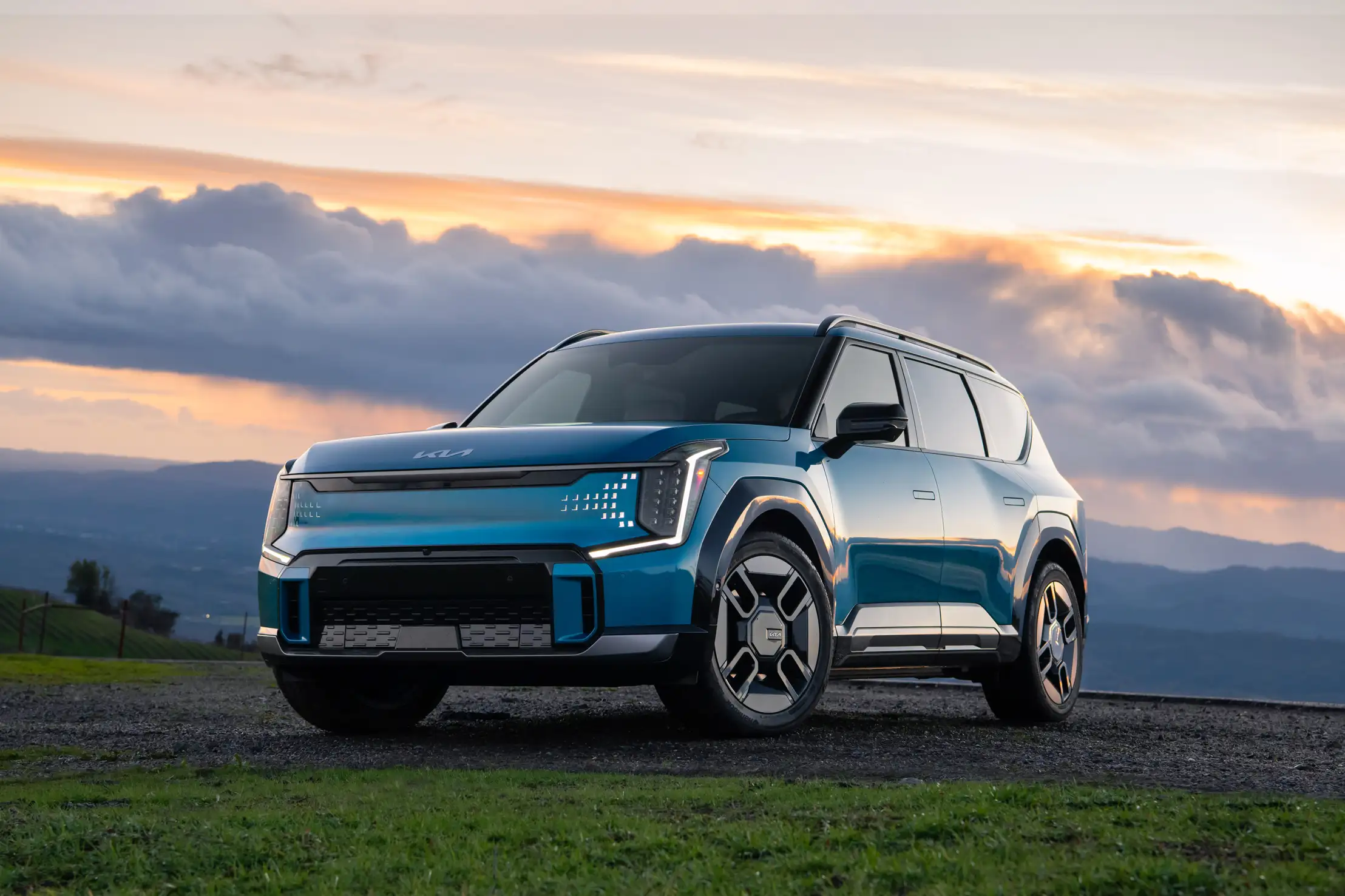
In 2026, electric SUVs are worth the hype for buyers prioritizing lower long-term operating costs, superior cabin space, and cutting-edge technology. While high initial purchase prices and towing-range limitations remain, the expansion of the North American Charging Standard (NACS) and improved battery density have resolved many previous "range anxiety" concerns for the average driver.
The automotive landscape in 2026 is no longer a battleground of "if" electric vehicles (EVs) will succeed, but rather "how" they fit into various lifestyles. The SUV segment, in particular, has seen the most aggressive innovation because it combines the utility consumers crave with the large footprints necessary to house high-capacity battery packs. Whether you are looking at a compact crossover or a massive three-row family hauler, evaluating whether these vehicles live up to their marketing requires a deep dive into performance, financial reality, and the infrastructure that supports them.
The Performance and Driving Dynamics of Modern Electric SUVs
One of the primary reasons electric SUVs have garnered significant hype is their departure from the traditional driving characteristics of heavy, internal combustion engine (ICE) vehicles. In 2026, even entry-level electric SUVs offer performance metrics that were once reserved for high-end sports cars.
Instant Torque and Acceleration
The most immediate sensation when driving an electric SUV is the instant torque. Unlike gasoline engines that must climb a rev range to reach peak power, electric motors deliver maximum torque from zero RPM. This allows a three-ton SUV to merge onto highways or navigate tight city traffic with a level of responsiveness that feels effortless. Models like the Rivian R1S or the Tesla Model X have set a high bar, but even mass-market options from Hyundai and Ford now offer sub-6-second 0-60 mph times, fundamentally changing the expectation of what a "family car" can do.
Handling and the "Skateboard" Chassis
Weight has always been the enemy of SUV handling. However, the "skateboard" architecture—where the heavy battery pack is mounted low between the axles—gives electric SUVs a center of gravity significantly lower than their gasoline counterparts. This reduces body roll in corners and creates a planted, stable feeling on the road. In 2026, manufacturers have refined regenerative braking systems to be smoother and more intuitive, allowing for "one-pedal driving" that reduces brake wear and makes stop-and-go traffic less taxing.
The Reality of Space and Interior Utility
The hype surrounding electric SUVs often focuses on their "futuristic" interiors. Because electric drivetrains are more compact than engines, transmissions, and exhaust systems, designers have gained unprecedented freedom to maximize interior volume.
Flat Floors and Frunks
The absence of a transmission tunnel means that almost every electric SUV on the market features a completely flat floor. This translates to significantly more legroom for middle-seat passengers and more flexible storage configurations. Furthermore, the "frunk" (front trunk) has become a standard feature for many brands. While some manufacturers utilize this space for charging cables, others, like Ford with the F-150 Lightning and various large SUVs, have created massive, weather-sealed storage areas that provide utility simply not possible in an ICE vehicle.
Third-Row Accessibility
In 2026, the three-row electric SUV segment has matured. Vehicles like the Kia EV9 and the refreshed Volkswagen ID.Buzz have demonstrated that you don’t need a massive footprint to offer a comfortable third row. The packaging efficiency of EVs allows for deeper footwells and higher seating positions in the rear, making the "way back" usable for adults rather than just children.
Total Cost of Ownership (TCO) in 2026
To determine if the hype is justified, one must look past the sticker price. While electric SUVs often carry a premium of $5,000 to $10,000 over equivalent gas models, the Total Cost of Ownership (TCO) often favors electricity over a five-year period.
Fuel and Maintenance Savings
The cost of "fueling" an electric SUV remains significantly lower than gasoline, especially as grid management and smart-charging rates have become more sophisticated. According to the U.S. Department of Energy, the cost per mile for electricity is consistently less than half that of gasoline in most regions.
Maintenance is another area where the hype meets reality. Electric SUVs have no oil to change, no spark plugs to replace, and no complex multi-gear transmissions to service. Regenerative braking also extends the life of brake pads and rotors significantly. In 2026, data from long-term fleet tests shows that EV maintenance costs are roughly 40% lower than those of ICE vehicles over the first 100,000 miles.
Depreciation and Insurance
The financial picture is not entirely rosy, however. In 2026, insurance premiums for electric SUVs remain slightly higher than for gas models. This is primarily due to the specialized equipment and labor required for repairs following an accident. Additionally, while early EVs suffered from steep depreciation, the 2026 market has stabilized as battery health monitoring has become more transparent, though luxury electric SUVs still see faster value drops than high-demand hybrid alternatives.
Charging Infrastructure and the NACS Transition
Perhaps the biggest factor in determining if an electric SUV is "worth it" is how you plan to charge it. By 2026, the industry transition to the North American Charging Standard (NACS) is nearly complete.
The Tesla Supercharger Openness
Most major automakers—including GM, Ford, Rivian, Volvo, and Mercedes-Benz—now have full access to the Tesla Supercharger network. This has drastically reduced the "broken charger" syndrome that plagued non-Tesla owners in previous years. Having a reliable, plug-and-play charging experience at highway rest stops has turned the electric SUV into a viable long-distance road tripper for the average family.
Home Charging: The Essential Prerequisite
Despite the improvements in public infrastructure, the consensus in 2026 remains that an electric SUV is most "worth it" for those who can charge at home. Waking up every morning with a "full tank" eliminates the need for weekly trips to a station and allows owners to take advantage of low overnight electricity rates. For apartment dwellers, the hype may still be ahead of reality unless their building has invested in dedicated Level 2 charging.
2026 Electric SUV Comparison: Key Market Players
The following table compares four of the most representative electric SUVs on the market in 2026, highlighting the diversity in the segment.
| Model | Segment | Est. Range (Miles) | Charging Speed (10-80%) | Primary Value Proposition |
|---|---|---|---|---|
| Tesla Model Y (2026) | Compact Crossover | 320 - 335 | 25 Minutes | Industry-leading software and charging network. |
| Kia EV9 | Large 3-Row SUV | 280 - 310 | 20 Minutes (800V) | Best-in-class family utility and fast charging. |
| Chevrolet Equinox EV | Affordable Compact | 315 | 45 Minutes | High range at a competitive entry-level price point. |
| Rivian R1S (Gen 2) | Luxury/Adventure | 350 - 410 | 30 Minutes | Unmatched off-road capability and premium interior. |
Environmental Impact and Battery Longevity
A significant portion of the hype surrounding electric SUVs is built on their environmental credentials. In 2026, the "green" argument is stronger than ever, but it is also more nuanced.
Battery Chemistry Shifts
The industry has largely moved toward Lithium Iron Phosphate (LFP) batteries for standard-range models. LFP batteries do not use cobalt or nickel, which reduces ethical sourcing concerns and lowers costs. More importantly for the consumer, LFP batteries can be charged to 100% daily without significant degradation, making the "usable" range of a cheaper SUV comparable to a more expensive one using traditional Nickel Cobalt Manganese (NCM) chemistry.
The 2026 Recycling Ecosystem
Battery recycling has moved from a theoretical concept to a functional industry. Companies like Redwood Materials are now processing tens of thousands of battery packs annually, recovering up to 95% of the critical metals. This "closed-loop" potential helps justify the environmental hype by ensuring that the carbon debt created during manufacturing is repaid over the vehicle's long life.
The "Anti-Hype": Where Electric SUVs Still Fall Short
To provide a balanced view, one must acknowledge where electric SUVs still struggle to meet expectations.
- Towing Range: If you plan to tow a heavy trailer, the hype quickly dissipates. In 2026, even the most powerful electric SUVs see their range cut by 40-50% when towing near their maximum capacity. For long-distance hauling, internal combustion or plug-in hybrids remain superior.
- Weight and Tire Wear: Electric SUVs are heavy. A typical mid-sized electric SUV weighs 1,000 to 1,500 pounds more than its gas equivalent. This additional weight puts more stress on tires. Owners often find themselves replacing tires 20-30% more frequently, which is a hidden cost often omitted from the hype.
- Cold Weather Performance: While heat pumps are now standard in 2026, cold weather still impacts range. Drivers in northern climates should expect a 20-25% reduction in efficiency during extreme winter months, a factor that requires careful planning for those living in rural areas.
Frequently Asked Questions
Do electric SUV batteries really last 10 years?
Yes, and likely much longer. In 2026, most manufacturers provide an 8-to-10-year warranty on the battery pack, guaranteeing at least 70-80% capacity. Real-world data shows that with modern thermal management, most battery packs will outlast the chassis of the vehicle itself, often reaching 200,000 miles with less than 15% degradation.
Is it cheaper to insure an electric SUV in 2026?
Generally, no. Insurance for electric SUVs is typically 10% to 15% higher than for comparable gas models. The complexity of the sensor suites for driver-assist systems and the high cost of the battery pack mean that even minor accidents can lead to higher repair bills, which insurers pass on to the consumer through premiums.
Can I use any charging station with my electric SUV?
As of 2026, the answer is almost always yes, but you may need an adapter. With the industry shift to NACS, most new vehicles have the Tesla-style port. Older vehicles or those using the CCS (Combined Charging System) can use adapters to access the vast majority of public fast chargers.
How does the resale value of electric SUVs compare to gas SUVs?
In 2026, the resale value for mass-market electric SUVs like the Tesla Model Y and Hyundai Ioniq 5 has reached parity with gas-powered rivals. However, very expensive luxury electric SUVs still depreciate faster because the rapid pace of technology makes older high-end models feel "dated" more quickly than a luxury gas vehicle.
Are there still tax credits available for electric SUVs in 2026?
Eligibility for tax credits in 2026 depends heavily on the "Made in America" requirements for both vehicle assembly and battery mineral sourcing. Many popular models qualify for the full or partial credit, but it is essential to check the current IRS guidelines as the list of eligible vehicles is updated quarterly based on supply chain shifts.
Final Recommendation: Should You Believe the Hype?
Deciding if an electric SUV is worth the hype in 2026 depends on your specific use case. If you have the ability to charge at home and your daily commute is under 200 miles, the electric SUV is undeniably superior in terms of comfort, performance, and operating costs. The technology has matured to a point where the "early adopter" penalties have largely vanished.
However, if you frequently tow heavy loads over long distances or live in an area with zero access to dedicated charging at home or work, the convenience of a hybrid SUV still outweighs the benefits of a pure EV. For the vast majority of suburban and urban families, the 2026 crop of electric SUVs represents the most significant leap forward in automotive utility in decades, making them a worthy investment for those looking to transition away from fossil fuels.