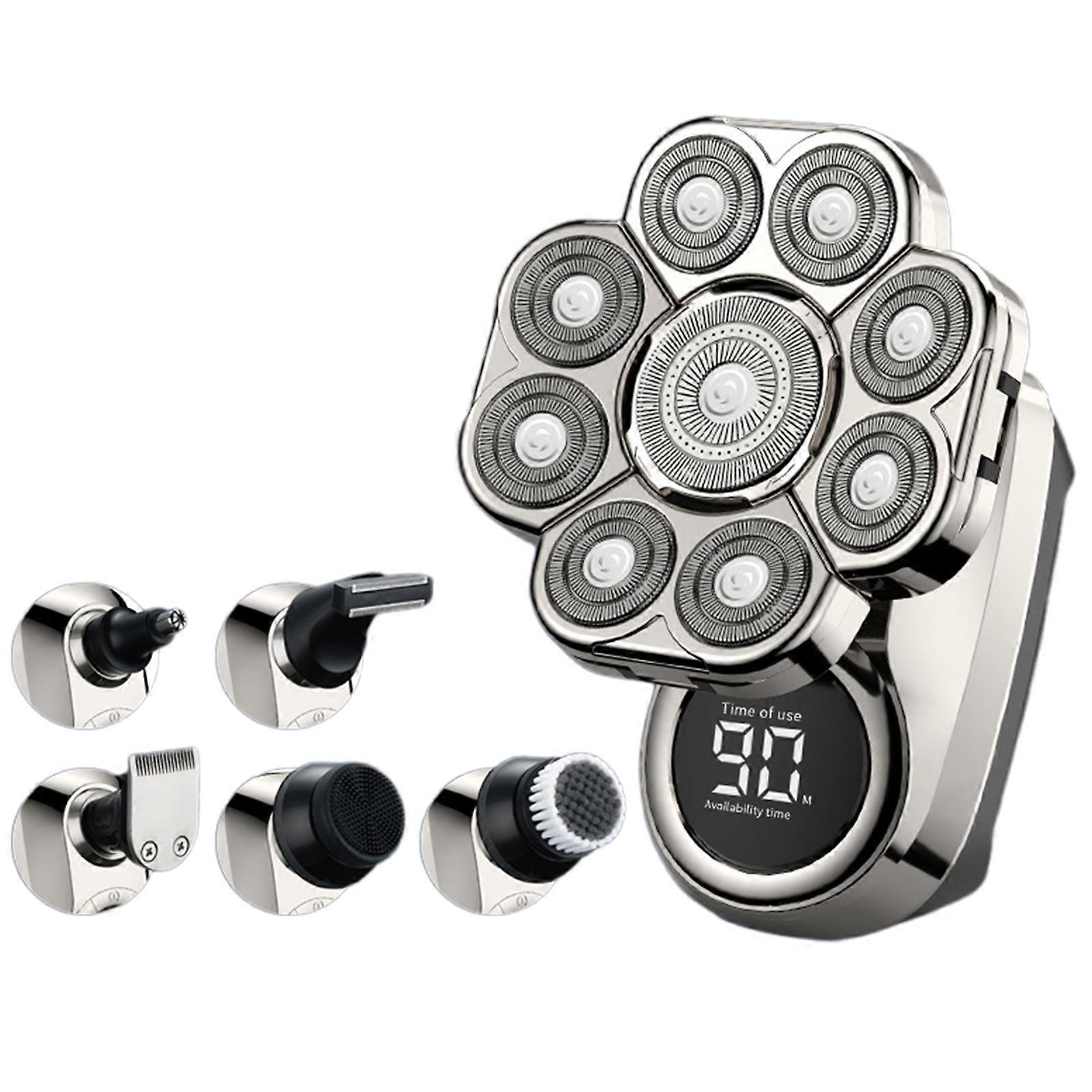
Electric shavers are generally better for sensitive skin because they create a physical barrier between the sharp cutting blade and the surface of your skin. Unlike manual razors that scrape away the top layer of the epidermis, electric shavers use a thin foil or guard to lift hair before cutting, significantly reducing the risk of nicks, razor burn, and ingrown hairs.
The Science of Skin Irritation: Why Manual Razors Can Be Harsh
To understand why electric shavers are often recommended for sensitive skin, it is necessary to examine what happens during a traditional wet shave. A manual razor—whether a cartridge, safety razor, or straight razor—relies on a sharp blade making direct contact with the skin.
When you glide a manual blade across your face, it does more than just cut hair. It performs a process called mechanical exfoliation, stripping away the stratum corneum, which is the outermost layer of the skin. For individuals with sensitive skin, this "micro-peeling" removes essential oils and disrupts the skin’s natural moisture barrier. This leads to several common issues:
- Razor Burn: A form of contact dermatitis where the skin becomes red, inflamed, and itchy.
- Pseudofolliculitis Barbae: Commonly known as razor bumps, these occur when hair is cut too short (below the skin line) and curls back into the follicle, causing an inflammatory response.
- Micro-cuts: Tiny abrasions that, while not always bleeding, can serve as entry points for bacteria, leading to breakouts or infection.
Electric shavers, by design, avoid these pitfalls by ensuring the blade never actually touches the skin. This fundamental mechanical difference is why dermatologists frequently recommend electric options for those prone to irritation.
The Mechanics of Electric Shaving: Foil vs. Rotary
When choosing an electric shaver for sensitive skin in 2026, the decision typically comes down to two primary technologies: Foil and Rotary. Each interacts with sensitive skin differently.
Foil Shavers: The Precision Specialist
Foil shavers feature a thin, perforated metal sheet (the foil) that covers oscillating blades. As you move the shaver over your skin, the hairs enter the perforations, and the blades cut them.
For the highest levels of sensitivity, foil shavers are generally considered superior. The foil is incredibly thin—often measured in microns—providing a shield that prevents the blades from tugging at the skin. Most modern high-end foil shavers, such as the Braun Series 9 Pro+ or the Panasonic Arc6, utilize "sonic vibrations" to help the hair stand up, meaning you need fewer passes over the same area to achieve a clean result. Fewer passes translate directly to less friction and less irritation.
Rotary Shavers: The Contouring Specialist
Rotary shavers use three or more circular heads that house spinning blades behind a slotted guard. These are designed to follow the contours of the face, making them excellent for the neck and jawline.
While rotary technology has advanced significantly by 2026, including the integration of skin-protecting coatings and pressure-sensing tech (found in the Philips Norelco Shaver 9000 series), they can sometimes be more aggressive. The circular motion required to use a rotary shaver can occasionally cause more friction for those with extremely thin or reactive skin. However, for users with thick, coarse hair that grows in multiple directions, a rotary shaver may actually cause less irritation than a foil shaver because it captures "wild" hairs more efficiently in fewer strokes.
Key Technical Features for Sensitive Skin in 2026
If you are evaluating shavers for sensitivity, specific technical specifications should take priority over brand names or aesthetics. In the current 2026 market, these features have become the gold standard for skin protection.
Motor Speed and Cutting Actions
It may seem counterintuitive, but a faster motor is often better for sensitive skin. A motor capable of 10,000 to 70,000 cross-cutting actions per minute ensures that hairs are sliced cleanly rather than pulled or tugged. High-speed linear motors maintain their power even when battery levels are low, preventing the "snagging" sensation that older or cheaper models often exhibit.
Pressure Sensors
Over-pressing is the leading cause of irritation with electric shavers. Advanced models now include integrated pressure sensors that provide real-time feedback. If you press too hard, the shaver might glow red or vibrate differently, alerting you to back off. This prevents you from forcing the foil too deep into the skin, which can cause the blades to nip the epidermis through the foil holes.
Hypoallergenic Coatings
Many manufacturers now treat their foils and guards with specialized coatings. Titanium and gold-plated foils are common in professional-grade tools because they are chemically inert and less likely to cause a reaction in users with metal sensitivities or nickel allergies.
Flexible Shaving Heads
A shaver head that can pivot in multiple directions (often marketed as 10D or 360-degree contouring) maintains constant contact with the skin without requiring extra pressure. This is particularly vital for the neck area, where the skin is thinnest and the hair is most prone to becoming ingrown.
Comparative Overview: Shaving Methods and Skin Impact
The following table compares the three most common shaving methods to help you identify which aligns best with your skin's needs.
| Feature | Manual Razor (Cartridge/Safety) | Foil Electric Shaver | Rotary Electric Shaver |
|---|---|---|---|
| Blade Contact | Direct (Blade-on-Skin) | Indirect (Barrier Foil) | Indirect (Slotted Guard) |
| Irritation Risk | High (Exfoliates Skin) | Very Low | Low to Medium |
| Ingrown Hair Risk | High (Cuts below skin) | Low | Low |
| Closeness | Maximum | Very High | High |
| Learning Curve | High (Requires Technique) | Low | Medium (Circular Motion) |
| Best For | Heavy Exfoliation Needs | Daily use, Sensitive Skin | Coarse Hair, 3-day Stubble |
| 2026 Maintenance | Weekly Blade Replacement | 12-18 Month Foil Life | 12-Month Head Life |
Wet vs. Dry Electric Shaving
One of the greatest advancements in electric shaving is the "Wet & Dry" capability. By 2026, almost all mid-to-high tier electric shavers are fully waterproof (IPX7 or higher). This allows users to choose the environment that best suits their skin sensitivity.
Dry Shaving: Speed and Convenience
Dry shaving is the fastest method. It allows the skin to remain taut, making it easier for the shaver to catch hairs. For some, dry shaving is actually less irritating because it avoids the potential chemical irritation of shaving creams and gels. If you choose to shave dry, ensure your skin is completely dry; some users even find that a pre-shave powder (talc-based or cornstarch) helps the shaver glide more smoothly.
Wet Shaving: Maximum Comfort
For those with extreme sensitivity, using an electric shaver with a high-quality shaving gel or foam provides an extra layer of lubrication. The moisture softens the hair, making it easier to cut, and the gel reduces friction between the shaver head and the skin. This is often the best "transitional" method for people moving from manual razors to electric ones.
The Importance of Maintenance and Hygiene
Even the most expensive shaver will cause irritation if it is dirty. Skin sensitivity is often exacerbated by bacteria living on the shaving head.
In 2026, many high-end models come with Automatic Cleaning and Charging Stations. These stations use alcohol-based or enzymatic solutions to sanitize the blades, lubricate the moving parts, and dry the shaver.
- Sanitization: Kills 99.9% of germs that can lead to folliculitis.
- Lubrication: Reduces heat buildup. A hot shaver head can cause "friction burn" on sensitive skin.
- Sharpness: Clean blades cut more efficiently, requiring fewer passes.
If your shaver does not have a cleaning station, it is imperative to rinse it with hot water and use a specialized cleaning spray after every use. For more information on maintaining skin health during shaving, the American Academy of Dermatology (AAD) provides clinically-backed guidelines on preventing razor bumps and irritation.
Practical Steps to Transition to an Electric Shaver
If you are switching to an electric shaver to solve sensitivity issues, you must allow for an "adjustment period." Your skin and hair follicles need time to adapt to the new cutting angle.
- The 21-Day Rule: Commit to using the electric shaver exclusively for at least three weeks. During this time, your skin may experience slight redness as it adjusts to the different mechanical friction.
- Map Your Grain: Hair grows in different directions, especially on the neck. Use your fingers to feel the direction of growth. With a foil shaver, you should shave against the grain for closeness, but with an electric, the foil protection prevents the blade from digging in.
- Use a Light Touch: Let the shaver do the work. Pressing harder does not result in a closer shave; it only results in irritation.
- Post-Shave Care: Even with an electric shaver, always apply a soothing, alcohol-free aftershave balm. Look for ingredients like aloe vera, witch hazel, or niacinamide to calm the skin and restore the moisture barrier.
For detailed clinical studies on the impact of electric shaving on skin conditions like pseudofolliculitis barbae, you can consult resources on PubMed regarding dermatological shaving interventions.
Common Mistakes with Electric Shavers
Despite the benefits, many users fail to see improvements in their sensitive skin because of avoidable errors:
- Using Dull Foils: Foils and cutters wear out. By 2026, most shavers have a "replacement" indicator. Using a dull foil forces you to press harder, which immediately causes irritation.
- Shaving Long Hair: Electric shavers are designed for short stubble. If you have a week's worth of growth, use the integrated pop-up trimmer first to bring the hair down to a manageable length. Trying to shave long hairs with the foil will lead to painful pulling.
- Neglecting the Pre-Shave: If shaving dry, skin must be bone-dry. If shaving wet, the hair must be sufficiently hydrated (at least 2-3 minutes of contact with water or gel).
Frequently Asked Questions
Can electric shavers help with acne-prone skin?
Yes. Manual razors can slice off the tops of active acne blemishes, spreading bacteria and causing scarring. Because electric shavers have a guard (the foil), they are much less likely to "nick" a blemish, making them a safer choice for individuals dealing with both sensitivity and breakouts.
How often should I replace the blades for sensitive skin?
While manufacturers often suggest every 12 to 18 months, individuals with very sensitive skin should consider replacing the foil and cutter every 10 to 12 months. As blades dull, they begin to "tear" hair rather than "slice" it, which is a primary cause of post-shave discomfort.
Why does my skin feel hot after electric shaving?
This is usually caused by friction. If you shave for too long (over 5-10 minutes), the friction between the blades and the foil generates heat. To prevent this, ensure your shaver is well-lubricated and try to complete your shave efficiently. Some modern shavers, such as the Braun Series 7, include "Active Cooling" technology specifically designed to pull heat away from the skin during the shave.
Is a safety razor better than an electric shaver for sensitivity?
A safety razor (single blade) is often better than a multi-blade cartridge razor because it reduces the number of blades passing over the skin. However, an electric shaver is still generally superior for sensitivity because it removes the blade-to-skin contact entirely, which even a safety razor cannot do.
Final Recommendation
For the majority of individuals suffering from chronic razor burn, redness, or ingrown hairs, an electric foil shaver is the most effective solution in 2026. The combination of a protective barrier, high-speed motors, and modern pressure-sensing technology allows for a clean shave without the trauma associated with manual blades. To ensure the best results, prioritize a model with a dedicated cleaning station and commit to the 21-day transition period to allow your skin to acclimatize to the new technology.