A car functions as a component of your net worth because it is a tangible asset that holds market value, which, when calculated against any associated loans, contributes to your total equity. While vehicles typically depreciate, they remain part of your personal balance sheet as long as their fair market value exceeds the remaining principal on an auto loan or is owned outright.
The Financial Definition of Net Worth
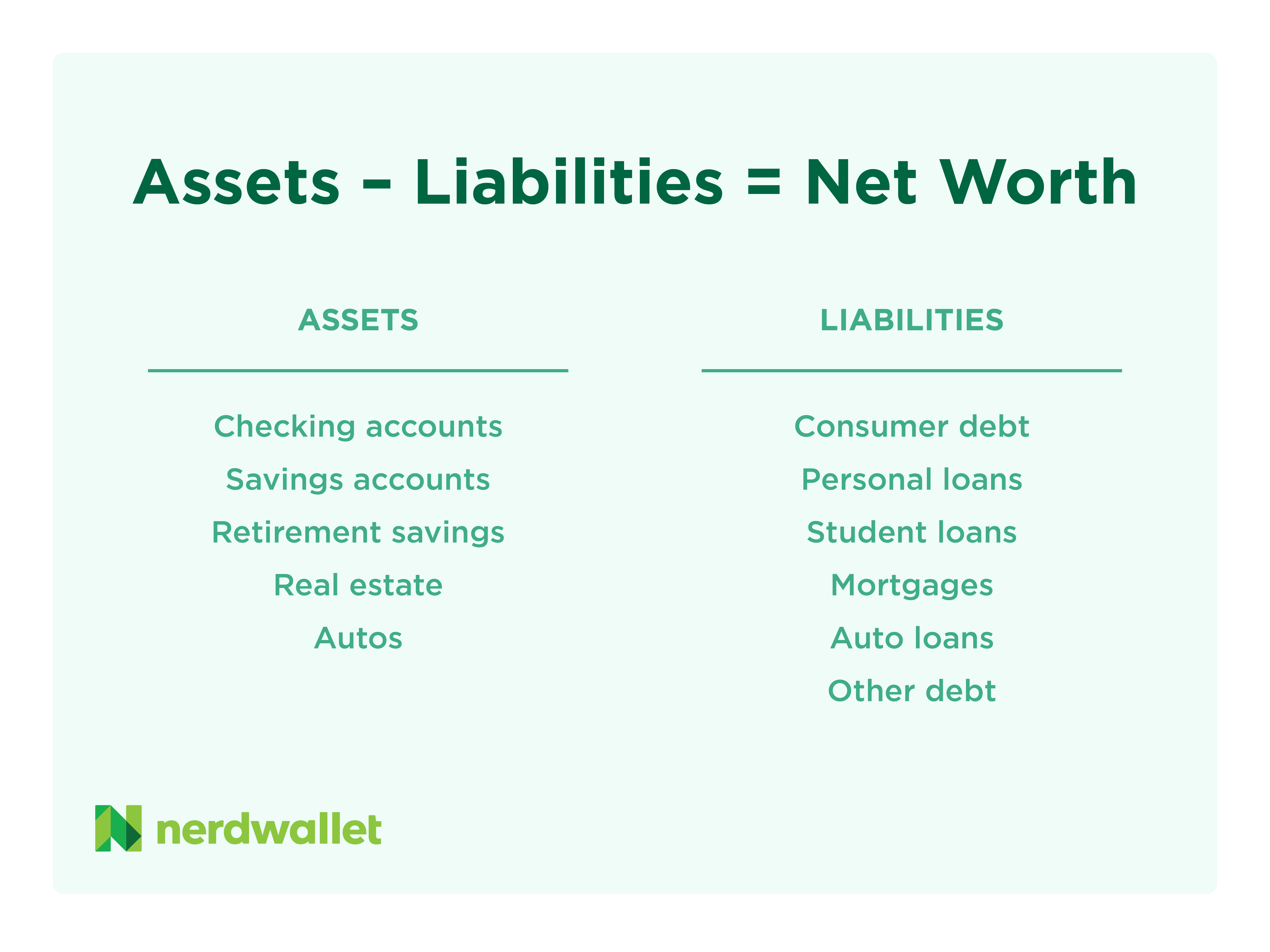
To understand the position of a vehicle in your personal finance portfolio, you must first define net worth. At its simplest, net worth is the mathematical difference between your total assets and your total liabilities. An asset is anything you own that has monetary value, while a liability is an obligation you owe to someone else.
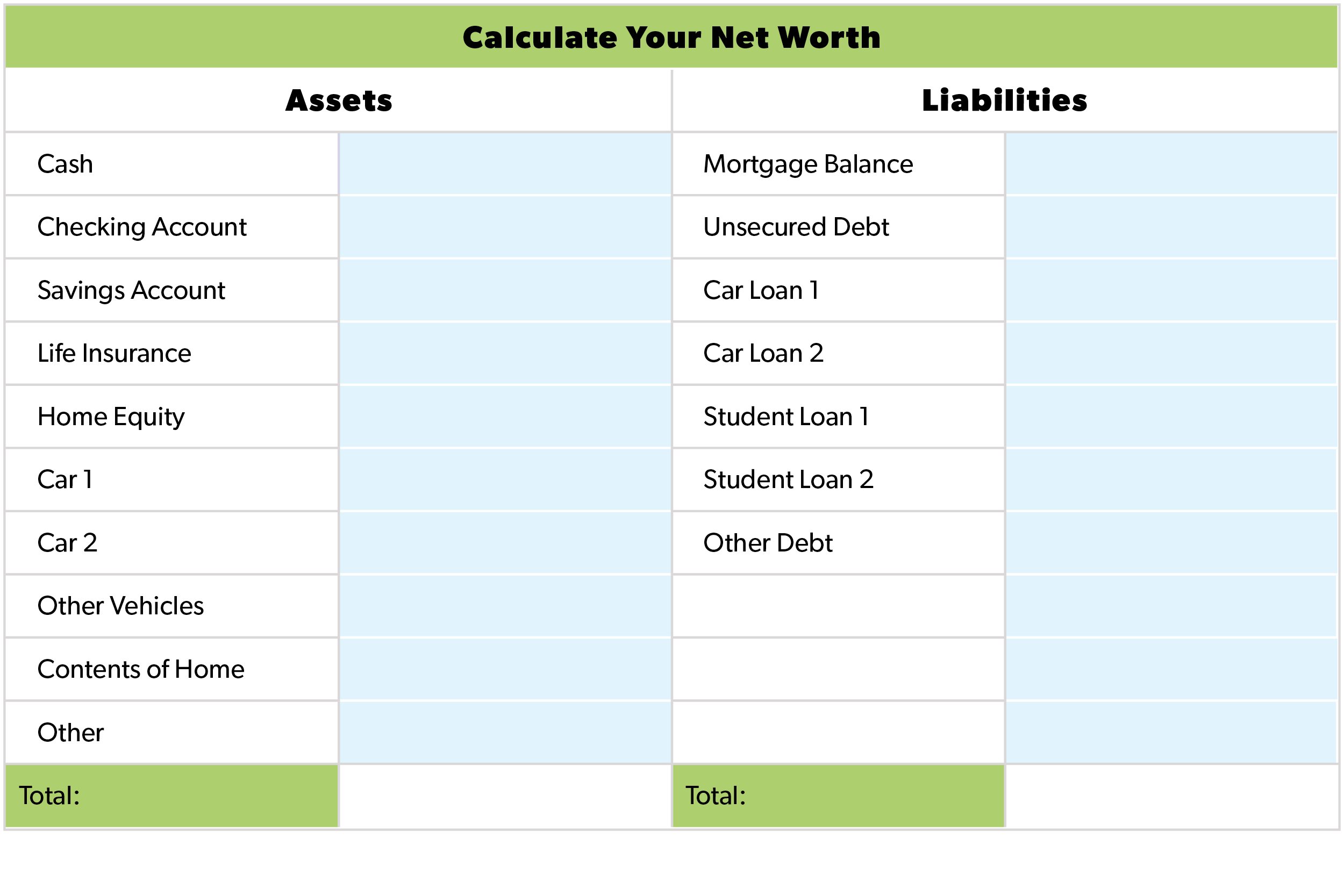
When you purchase a vehicle, you are acquiring an asset. Even though a car is a "wasting asset"—meaning it loses value over time—it does not lose all its value instantly upon purchase. Therefore, for accounting purposes, you include the current market value of the vehicle in your "Assets" column. If you financed the car, you must also list the remaining balance of the loan in your "Liabilities" column. The net contribution to your net worth is the difference between these two figures.
Calculating Your Vehicle Equity
Equity is the portion of your asset that is truly yours, free of debt. To determine how your car impacts your financial standing, you must perform a calculation periodically.
- Determine Current Market Value: Use reputable valuation tools such as Kelley Blue Book (KBB) or Edmunds to find the current private party or trade-in value of your specific make, model, and year. Do not use the original purchase price or the amount listed on your insurance policy, as these are often inaccurate for net worth tracking.
- Identify Total Liability: Log in to your lender’s portal to see your "payoff amount," not just your current statement balance. The payoff amount includes interest accrued up to the specific date of calculation.
- Subtract Liability from Value: If the market value is higher than the payoff amount, you have positive equity, which increases your net worth. If the payoff amount is higher than the market value, you are "underwater" (or in a state of negative equity), which serves as a drag on your net worth.
The Reality of Depreciation
A common point of confusion is whether to track a car as an investment or a cost. From a strict wealth-building perspective, a car is a utility-based asset. Unlike real estate or stocks, which generally appreciate or provide dividends over time, a vehicle experiences steady, predictable depreciation.
Depreciation is the reduction in the value of an asset over time due to wear and tear, age, and technological obsolescence. Most vehicles lose a significant percentage of their value within the first three years of ownership. When calculating net worth, it is prudent to update your asset valuation at least annually. If you fail to adjust the value of your car downward, your net worth statement will be artificially inflated, providing a false sense of financial progress.
Distinguishing Between Assets and Liabilities
It is critical not to conflate the purchase price with the net worth contribution. Many individuals mistake the "cost of the car" for their "net worth contribution." If you bought a car for $40,000, that $40,000 is not your net worth. If you paid $10,000 down and financed $30,000, your immediate net worth impact is $10,000 (assuming the car's value matches the purchase price). As you pay down the principal of the loan, your equity increases, provided the rate of loan repayment exceeds the rate of vehicle depreciation.
Managing Vehicle Assets in Your Personal Ledger
To maintain an accurate financial picture, you should record your vehicle in a dedicated personal finance ledger or digital tool. Consistency is the primary requirement for accurate tracking.
| Component | Definition in Net Worth Calculation | Impact on Wealth |
|---|---|---|
| Market Value | The estimated cash price for which the car would sell today. | Increases total assets. |
| Loan Balance | The total amount required to settle the debt with the bank. | Increases total liabilities. |
| Net Equity | Value minus Loan Balance. | Determines actual contribution to net worth. |
| Depreciation | The annual loss in market value due to age and usage. | Decreases total assets over time. |
Risks of Including Vehicles in Net Worth
Some financial planners suggest excluding vehicles from net worth calculations entirely. The reasoning is that a car is a necessity for most, and you cannot easily "liquidate" it to pay for food or housing without losing the ability to commute to work. While this conservative approach is useful for retirement planning, it is technically inaccurate for a comprehensive net worth statement.
The primary risk is "liquidity trap." If you hold a high-value, luxury vehicle, it represents a large portion of your assets but is difficult to convert to cash quickly without a loss in value. If your net worth is heavily concentrated in your vehicle, you may have a high paper net worth but suffer from poor cash flow and high insurance premiums, which are ongoing monthly costs that eat into your ability to invest in liquid, appreciating assets like index funds.
Strategic Financial Actions
If you are looking to optimize your net worth regarding your transportation, consider these tactical approaches:
- Accelerate Loan Payoff: If your interest rate is high, paying down the principal faster creates immediate, realized equity. This improves your net worth by reducing your debt-to-asset ratio.
- Prioritize Reliability Over Luxury: Luxury vehicles often depreciate at a higher rate than economy vehicles. A car that holds its value better acts as a more stable store of equity.
- Routine Maintenance: Proper service records can help your vehicle retain more of its value compared to a neglected car, ensuring that your asset valuation remains at the higher end of the range.
- Review Insurance Costs: While not an asset, high insurance premiums are a "leak" in your financial life. Reducing these costs through competitive shopping allows you to redirect funds into assets that actually appreciate, such as a brokerage account.
Frequently Asked Questions
Should I list the price I paid for my car as my asset? No. You should list the current fair market value. The price you paid is a historical cost and is irrelevant to your current net worth. Use local market listings or standardized valuation sites to estimate what the car would fetch if sold today.
What if my car loan is higher than what the car is worth? This is known as negative equity. On your balance sheet, this will show as a liability that exceeds the asset value, creating a net negative contribution to your net worth. This is a common situation for those who roll over old debt into new car loans or make small down payments on rapidly depreciating vehicles.
Why does my net worth change even when I make my car payments? Your net worth is dynamic. When you make a payment, you reduce your liability (increasing your net worth) but your asset (the car) is also depreciating (decreasing your net worth). Depending on which is faster, your total net worth may stay stagnant, rise, or fall even while you are "paying off" the debt.
Are there any cars that don't depreciate? Yes, but they are rare. Certain classic cars, limited-production supercars, or collector items can appreciate in value. However, for the average commuter vehicle, depreciation is an unavoidable financial reality. You should not rely on a vehicle to function as an appreciating investment.
Conclusion and Next Steps
Incorporating your vehicle into your net worth statement is essential for an accurate view of your financial health, but it requires a disciplined approach. Do not inflate your assets with outdated pricing, and ensure you are accounting for the total payoff amount of your loan.
Your next action should be to log your vehicle’s current market value and its exact loan payoff amount into your personal finance tracking system. Compare the resulting equity against the data from six months ago. If your equity is shrinking rapidly, analyze whether you need to accelerate your loan payments or consider a more economical vehicle choice to stop the drain on your long-term wealth potential.