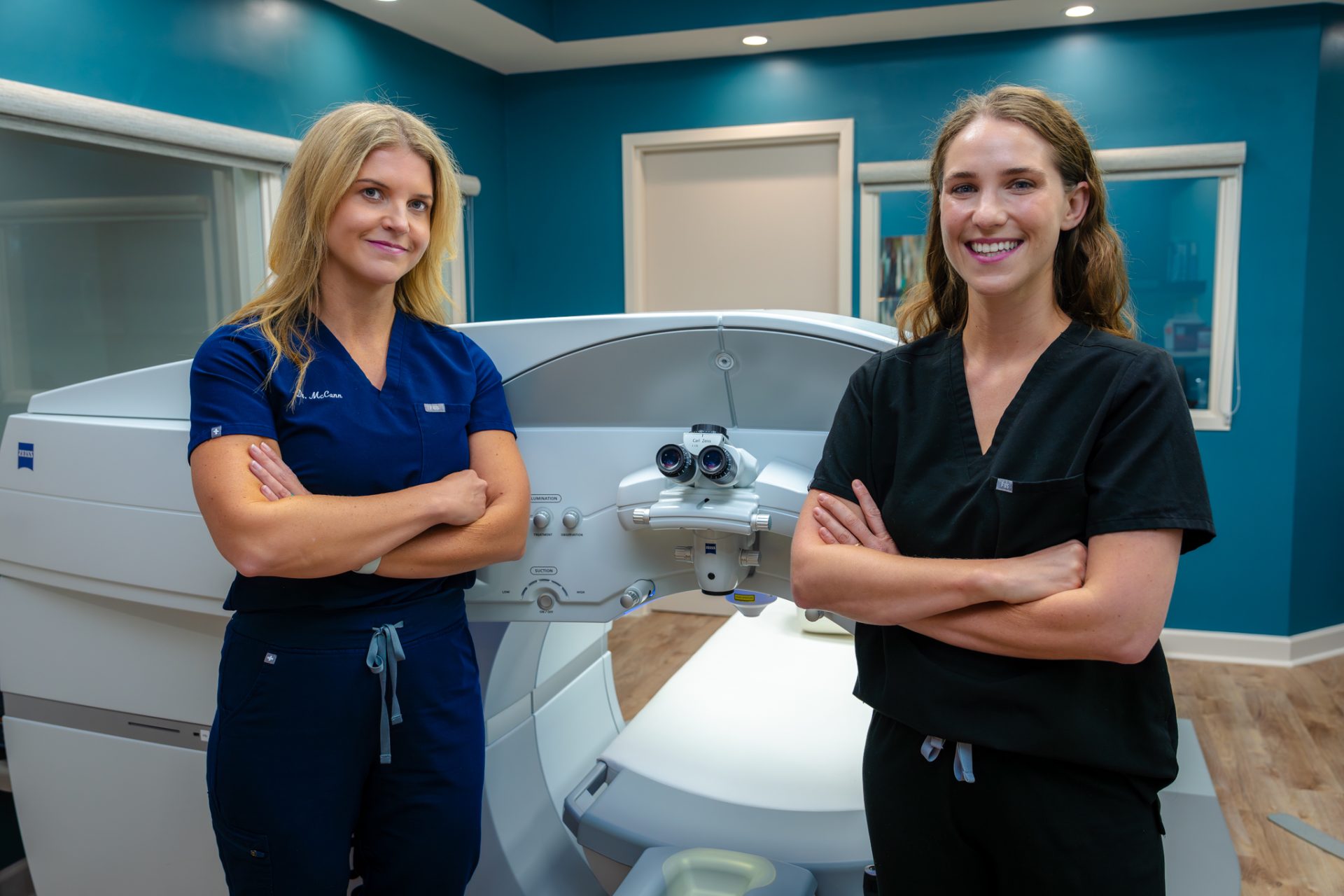
Determining if you are a candidate for LASIK eye surgery involves evaluating your age, corneal thickness, and prescription stability. Generally, ideal candidates are over 18 with a stable prescription for at least one year and healthy eye tissues. A comprehensive pre-operative exam by an ophthalmologist is the only definitive way to confirm your eligibility.
LASIK (Laser-Assisted In Situ Keratomileusis) remains one of the most popular elective procedures in 2026 for correcting refractive errors like nearsightedness, farsightedness, and astigmatism. However, while the technology has advanced significantly, not everyone is a suitable candidate. Approximately 15% to 25% of patients who seek LASIK are found to be better suited for alternative procedures or are advised against laser surgery altogether to protect their long-term ocular health.
Medical Disclaimer: This article provides general information and is not a substitute for professional medical advice, diagnosis, or treatment. Always seek the advice of your physician or other qualified health provider with any questions you may have regarding a medical condition.
The Primary Criteria for LASIK Candidacy
To understand if you are a candidate for LASIK, you must first meet a set of baseline requirements. These criteria are designed to ensure the safety of the procedure and the predictability of the visual outcome.
1. Age and Physical Maturity
As of 2026, the FDA-approved age for LASIK is 18 years or older. However, many surgeons prefer candidates to be at least 21, and some even suggest waiting until 25. The reason for this is ocular stability. The human eye continues to grow and change shape throughout late adolescence and early adulthood. Performing surgery on an eye that is still changing will result in a "moving target" effect, where the vision corrected today becomes blurry again within a year or two as the eye continues to elongate.
2. Prescription Stability
This is perhaps the most critical logistical requirement. To be a candidate, your vision prescription must have remained stable for at least 12 consecutive months—though many clinics prefer 24 months. If your prescription is still "drifting" (meaning your diopter strength is increasing or decreasing), laser surgery will only provide a temporary fix. You will be asked to provide previous eye exam records to prove this stability before moving forward with a consultation.
3. Degree of Refractive Error
LASIK is highly effective, but it has limits based on the "power" of your eyes. While exact limits vary by the specific laser technology used (such as the latest wavefront-guided systems), general 2026 guidelines for candidacy include:
- Myopia (Nearsightedness): Typically correctable up to -12.00 diopters.
- Hyperopia (Farsightedness): Typically correctable up to +6.00 diopters.
- Astigmatism: Typically correctable up to 6.00 diopters.
If your prescription falls outside these ranges, you may be a better candidate for an Implantable Collamer Lens (ICL) or Refractive Lens Exchange (RLE).
Anatomical Requirements: The "Health" of Your Eyes
Even if your prescription is stable and within range, the physical anatomy of your eye determines whether the laser can safely reshape your cornea.
Corneal Thickness and Shape
LASIK works by creating a thin flap on the surface of the cornea and using an excimer laser to remove microscopic amounts of tissue from the underlying stroma. This permanently thins the cornea. If your corneas are naturally too thin, removing tissue could leave the eye structurally unstable, leading to a serious condition called corneal ectasia (bulging of the cornea).
Surgeons use a tool called a pachymeter to measure corneal thickness in microns. A typical cornea is about 540-550 microns thick. If yours is significantly thinner, your surgeon might recommend PRK (Photorefractive Keratectomy), which does not require a flap and preserves more corneal tissue.
Furthermore, the shape of the cornea must be regular. Conditions like keratoconus, where the cornea is cone-shaped and weak, are absolute contraindications for LASIK.
Pupil Size
Large pupils can be a complicating factor. If your pupils dilate naturally beyond the area that the laser can treat (the "optical zone"), you may experience significant side effects at night, such as glare, halos, and "starbursts" around lights. Modern lasers can treat larger zones than older models, but patients with extremely large pupils must be screened carefully.
Tear Production and Dry Eye
LASIK temporarily severs the tiny nerves in the cornea that signal the brain to produce tears. For most patients, this causes temporary dryness for 3-6 months. However, if you already suffer from Chronic Dry Eye Syndrome, LASIK can exacerbate the condition to a point of extreme discomfort. Surgeons will often treat dry eye aggressively before surgery or recommend an alternative procedure if the condition is severe.
Medical and Lifestyle Contraindications
Your overall health is just as important as your eye health. Certain systemic conditions can affect how your body heals after the laser reshapes the corneal tissue.
Autoimmune and Immunodeficiency Conditions
Conditions such as Rheumatoid Arthritis, Lupus, or HIV can interfere with the body’s healing response. If the cornea does not heal predictably, it can lead to chronic inflammation or infection. While these are not always absolute "no"s in 2026, they require a much higher level of scrutiny and clearance from your primary physician.
Pregnancy and Nursing
Hormonal changes during pregnancy and while breastfeeding can temporarily alter the shape of your cornea and change your vision prescription. Furthermore, the medications used during and after surgery (such as steroid eye drops) may not be safe for a developing fetus or a nursing infant. It is standard practice to wait at least 3 to 6 months after you stop nursing before undergoing LASIK.
Uncontrolled Diabetes
Diabetes can cause fluctuations in vision due to changes in blood sugar levels. For a diabetic to be a candidate for LASIK, their blood sugar must be consistently well-managed, and they must show no signs of diabetic retinopathy, which affects the back of the eye (the retina).
Comparing LASIK with Alternative Procedures
If you find that you are not an ideal candidate for LASIK, don't lose hope. Advances in refractive surgery by 2026 mean there are several alternatives that cater to thin corneas, high prescriptions, or dry eyes.
| Procedure | Best Candidate Profile | Key Advantage | Recovery Time |
|---|---|---|---|
| LASIK | Normal corneal thickness; mild to moderate myopia/astigmatism. | Fastest visual recovery; minimal discomfort. | 24–48 hours |
| PRK | Thin corneas; high-activity lifestyles (military/contact sports). | No flap complications; preserves corneal strength. | 3–5 days (discomfort) |
| SMILE | Moderate to high myopia; concerns about dry eye. | Small incision (no flap); less impact on corneal nerves. | 24–48 hours |
| ICL | Very high myopia (-12+); thin corneas. | Reversible; does not involve removing corneal tissue. | 24 hours |
| RLE | Patients over 50 with early cataracts or extreme farsightedness. | Permanently prevents future cataracts. | 1–3 days per eye |
The Role of the Pre-Operative Consultation
You cannot self-diagnose your candidacy for LASIK. A professional consultation in 2026 typically involves high-tech mapping of your eye that goes far beyond a standard vision test.
- Corneal Topography/Tomography: This creates a 3D map of the surface and thickness of your cornea to detect irregularities or hidden signs of keratoconus.
- Wavefront Analysis: This "fingerprints" your eye, identifying subtle imperfections (higher-order aberrations) that glasses cannot correct.
- Dilation: Your surgeon will dilate your pupils to check the health of the retina and the lens.
- Tear Film Analysis: Specific tests to measure the quality and quantity of your tears to ensure you won't suffer from debilitating dry eye post-op.
Common Questions About LASIK Candidacy
Can I have LASIK if I have astigmatism?
Yes. Modern laser technology is highly effective at correcting astigmatism. In fact, many patients find that their vision after LASIK is crisper than it ever was with glasses or contacts, because the laser can correct the irregular curvature of the cornea more precisely than a physical lens.
Is there an upper age limit for LASIK?
Technically, no. However, as we enter our mid-40s, we all develop presbyopia, which is the age-related loss of near-vision (the need for reading glasses). LASIK corrects distance vision, so if you are 50 and have LASIK for distance, you will still need reading glasses. Some older candidates opt for "Monovision LASIK," where one eye is corrected for distance and the other for near vision.
What happens if my corneas are too thin?
If your corneas are too thin for the "flap" required in LASIK, your surgeon will likely recommend PRK or SMILE. In PRK, the laser is applied directly to the surface of the eye. In SMILE, a small "lenticule" of tissue is removed through a tiny incision. Both options are safer for thinner corneas.
Can I get LASIK twice?
If your vision "regresses" over time, a secondary procedure called a LASIK enhancement can often be performed. However, this depends entirely on how much corneal tissue you have left. A surgeon will never perform a second surgery if it compromises the structural integrity of your eye.
Why does my occupation matter for candidacy?
Certain professions have specific vision requirements. For example, some specialized military roles or commercial aviation paths have historically had strict rules about "flap-based" surgeries. If you are a professional fighter or participate in high-impact contact sports, your doctor might suggest PRK to avoid the rare risk of a flap being dislodged by a direct blow to the eye.
Does insurance cover LASIK in 2026?
Most health insurance providers still view LASIK as an elective "cosmetic" procedure and do not cover it fully. However, many vision plans offer substantial discounts (often 15% to 50%) when using preferred providers. Many patients also use HSA (Health Savings Account) or FSA (Flexible Spending Account) funds to pay for the procedure using pre-tax dollars.
Conclusion and Next Steps
If you are tired of the daily hassle of contact lenses or glasses, the first step is to schedule a screening. While reading about requirements provides a helpful framework, your unique eye anatomy can only be measured with clinical instruments.
Immediate Next Actions:
- Locate a Board-Certified Surgeon: Look for someone who specializes in refractive surgery and uses the latest 2026 diagnostic technology.
- Stop Wearing Contacts: Before your consultation, you must stop wearing contact lenses (usually for 3–7 days for soft lenses, and longer for hard lenses). Contacts temporarily reshape the cornea, which can lead to inaccurate measurements during your exam.
- Prepare Your History: Gather your vision prescriptions from the last two years to prove stability.
By taking these steps, you can move forward with confidence, knowing whether LASIK is the right path to visual freedom for you.