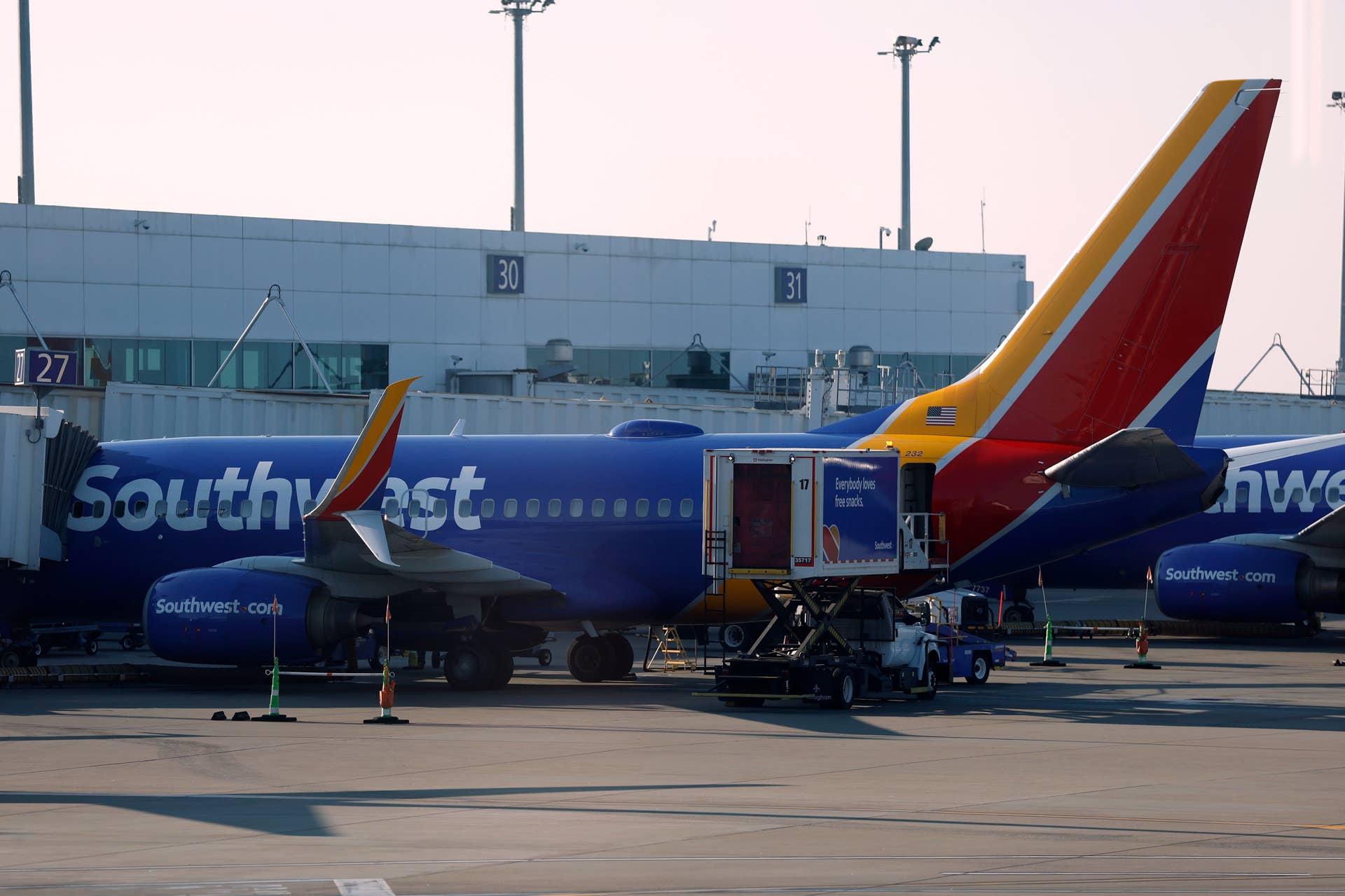
As of 2026, Southwest Airlines has completed its most significant operational restructuring at Hartsfield-Jackson Atlanta International Airport (ATL) since its acquisition of AirTran Airways over a decade ago. The airline reduced its gate footprint from 18 to 11 and cut its weekly flight frequency by approximately one-third, focusing on high-utilization routes to ensure long-term profitability.
The 2025 Restructuring: A Strategic Pivot
The landscape of Southwest Airlines in Atlanta changed fundamentally in April 2025. Following a period of intense pressure from activist investors and a need to optimize its national network, Southwest transitioned from an aggressive growth strategy in the Southeast to a "right-sized" approach. For travelers in 2026, this means fewer nonstop options from Atlanta but a more reliable, albeit smaller, service schedule.
The decision to scale back in Atlanta was not made in a vacuum. By late 2024, Southwest faced significant headwinds, including delayed aircraft deliveries from Boeing and rising operational costs. Atlanta, as a fortress hub for Delta Air Lines, presented a unique challenge where Southwest struggled to maintain the margins necessary to satisfy stakeholders. The resulting "Atlanta Plan" was designed to reallocate resources to more profitable markets like Nashville, Las Vegas, and Phoenix, where Southwest maintains a more dominant market position.
Gate Consolidation and Terminal Impacts at ATL
One of the most visible changes for passengers is the consolidation of physical space. Historically, Southwest operated out of 18 gates in Concourse C. As of 2026, that footprint has been permanently reduced to 11 gates.
This consolidation has several practical implications for travelers:
- Reduced Congestion in Specific Zones: With seven fewer gates, the physical "crowding" at the far ends of Concourse C has lessened during peak hours, though the remaining 11 gates operate at much higher utilization rates.
- Turnaround Efficiency: Southwest has optimized its ground crew operations around this smaller cluster of gates. By concentrating resources, the airline has managed to maintain competitive "turn times"—the duration an aircraft sits at the gate—despite the overall reduction in total flights.
- Ticketing and Baggage: While the gate count decreased, Southwest maintains its primary ticket counter presence in the North Terminal. However, the staffing levels at these counters have been adjusted to reflect the lower volume of daily departures.
Comprehensive Route Analysis: Nonstop Service Reductions
The most impactful change for the Atlanta-based flyer is the reduction in nonstop destinations. At its peak, Southwest served nearly 40 cities directly from Hartsfield-Jackson. Following the 2025 cuts, that number dropped to 21.
Discontinued and Scaled-Back Destinations
The restructuring focused on eliminating "underperforming" short-haul and mid-haul routes where competition with Delta was most fierce or where passenger yields were consistently low. Many of the cities that lost nonstop service from Atlanta now require a connection through hubs like Nashville (BNA), Baltimore/Washington (BWI), or Houston (HOU).
| Metric | Pre-2025 Status | 2026 Current Status |
|---|---|---|
| Total ATL Gates | 18 | 11 |
| Weekly Flight Frequency | ~567 | ~381 |
| Nonstop Destinations | 37 | 21 |
| On-Site Pilot Base | Full Operational Base | Reduced/Restructured |
| Seating Policy | Open Seating | Assigned Seating (System-wide) |
Remaining Core Routes
Southwest has doubled down on "trunk" routes where it remains highly competitive. Travelers can still find frequent, high-capacity service from Atlanta to:
- Dallas (Love Field - DAL): A critical link for business travelers.
- Denver (DEN): A major western connection point.
- Chicago (Midway - MDW): Maintaining its strong presence in the Midwest.
- Orlando (MCO): A high-demand leisure route that remains a priority.
- Baltimore/Washington (BWI): Serving as the primary gateway for Northeast connections.
The Economic Logic: Why the Atlanta Retreat Happened
To understand why Southwest made these changes, one must look at the financial pressures of the 2024-2025 period. Elliott Investment Management, an activist hedge fund, took a significant stake in the company and pushed for massive changes to leadership and strategy. They argued that Southwest’s "hub-and-spoke" attempts in cities like Atlanta were inefficient compared to their traditional point-to-point model.
Atlanta is uniquely difficult for low-cost and hybrid carriers. Because Delta Air Lines controls over 75% of the market share at ATL, Southwest found itself in a constant price war for "connecting" passengers who were often more loyal to Delta’s SkyMiles program. By cutting the bottom 30% of its least profitable flights in Atlanta, Southwest improved its overall system-wide profit margin, even if it meant a smaller presence in the world's busiest airport.
Furthermore, the 2025 changes allowed Southwest to retire older, less fuel-efficient Boeing 737-700 aircraft without needing an immediate one-for-one replacement. This move helped the airline manage its capital expenditures during a time when new aircraft deliveries were unpredictable.
Impact on the Atlanta-Based Workforce
The reduction in flights naturally led to a surplus of staff based in Atlanta. When the announcement was first made in September 2024, there were significant concerns regarding layoffs. However, Southwest’s long-standing culture of avoiding involuntary furloughs remained largely intact.
Pilot and Flight Attendant Bases
Southwest did not entirely close its Atlanta crew base, but it significantly "downsized" the number of positions available at ATL. Roughly 300 pilot positions and 600 flight attendant positions were impacted. Most of these employees were offered "displacement" transfers to other growing bases, such as Nashville or Dallas. While this prevented job losses, it created significant lifestyle changes for thousands of employees who had to relocate or begin "commuting" (flying from Atlanta to their new base to start their work shifts).
Ground Operations
Ground crews, including baggage handlers and gate agents, saw a reduction in total headcount through attrition and voluntary separation packages. For those remaining, the work environment in 2026 is more streamlined, focusing on the 11-gate operation in Concourse C.
New Service Standards: Assigned Seating at ATL
Coinciding with the Atlanta flight reductions, Southwest implemented its company-wide transition to assigned seating and the introduction of premium cabin options. For Atlanta travelers, this was a culture shock.
In 2026, the boarding process at Concourse C looks very different than it did five years ago:
- Assigned Seats: The famous "open seating" policy is gone. Passengers now select their seats at the time of booking.
- Extra Legroom: Approximately one-third of the seats on flights departing Atlanta now offer extended legroom, catering to the business travelers who frequent the ATL-DAL and ATL-MDW routes.
- Tiered Boarding: While the "A-B-C" boarding groups still exist in a modified form, they are now tied more strictly to the type of fare purchased and the seat assigned.
These changes were essential for Southwest to compete with Delta's "Comfort+" and "First Class" offerings in the Atlanta market. By offering a more traditional cabin structure, Southwest has been able to capture higher-paying corporate travelers who previously avoided the airline due to the "boarding scrum."
How to Navigate Southwest Travel from Atlanta in 2026
For passengers planning a trip, the "new" Southwest requires a slightly different approach to travel planning.
Checking Flight Availability
Because the frequency of flights has been reduced, "day-of" flexibility is more limited. If a flight from Atlanta to Austin is cancelled, there may not be another nonstop option for several hours, or even until the following day. Travelers are encouraged to:
- Book Early: With fewer seats available out of ATL, popular routes fill up faster than they did in the early 2020s.
- Monitor Connection Times: If you are connecting through Atlanta, be aware that the reduced gate count means less "buffer" space. A delay at one gate is more likely to impact following flights.
Rapid Rewards and Companion Pass
For residents of Georgia, the value proposition of the Rapid Rewards program remains strong, though "earning" opportunities through direct flights have decreased. However, Southwest has increased its partnership with local retailers and credit card offerings to compensate. The Companion Pass remains the "gold standard" of airline perks in Atlanta, particularly for those who can still utilize the remaining nonstop routes to Florida and the Caribbean.
Frequently Asked Questions
Did Southwest Airlines leave Atlanta entirely?
No. Southwest remains a major player at Hartsfield-Jackson Atlanta International Airport. While they reduced their flights and gates in 2025, they still operate over 380 flights per week and remain the second or third-largest carrier at the airport depending on the season.
Which destinations are no longer nonstop from Atlanta?
While the list is subject to seasonal adjustments, many smaller regional airports and highly competitive "short-haul" routes were cut. Locations like Greenville-Spartanburg, Jackson, and certain Midwestern cities now largely require a connection through Nashville or Baltimore.
Are the Southwest gates still in Concourse C?
Yes, Southwest continues to operate exclusively out of Concourse C. However, they now occupy only 11 gates, having relinquished the remaining 7 gates back to the City of Atlanta Department of Aviation, which have since been reallocated to other carriers.
How does the 2026 baggage policy work in Atlanta?
Despite the major operational changes and the move to assigned seating, Southwest has maintained its "Bags Fly Free" policy. In 2026, passengers flying out of Atlanta are still permitted two checked bags at no additional cost, which remains a primary competitive advantage over Delta and Frontier.
Will Southwest add more flights back to Atlanta in the future?
As of 2026, the airline's leadership has stated they are focused on "margin over volume." While seasonal increases may occur during peak holidays, there are currently no public plans to return to the 18-gate, 500+ flight-per-week schedule seen in the early 2020s.
Practical Recommendations for Atlanta Travelers
If you are a frequent flyer based in the Atlanta metro area, the 2025/2026 Southwest changes require a shift in strategy. First, audit your typical destinations. If you primarily fly to Southwest hubs like Dallas, Denver, or Baltimore, the changes will have a minimal impact on your travel time. However, if you relied on Southwest for niche nonstop routes, you may need to compare prices and schedules with Delta or consider the added time of a connection.
Second, embrace the assigned seating transition. For many years, the "EarlyBird Check-In" was the only way to ensure a good seat on a Southwest flight from ATL. In 2026, you can simply pay for the specific seat you want at the time of purchase, providing more predictability for your travel day.
Finally, keep an eye on Concourse C amenities. With fewer gates in use by Southwest, the airport has repurposed some of the surrounding space for improved dining and lounge options, making the wait time at the airport more comfortable than in years past.
The "downsizing" of Southwest in Atlanta is not a retreat so much as it is an evolution. By focusing on what they do best—efficient, friendly, and transparently priced service on high-demand routes—Southwest remains a vital alternative to the dominant carriers at Hartsfield-Jackson.