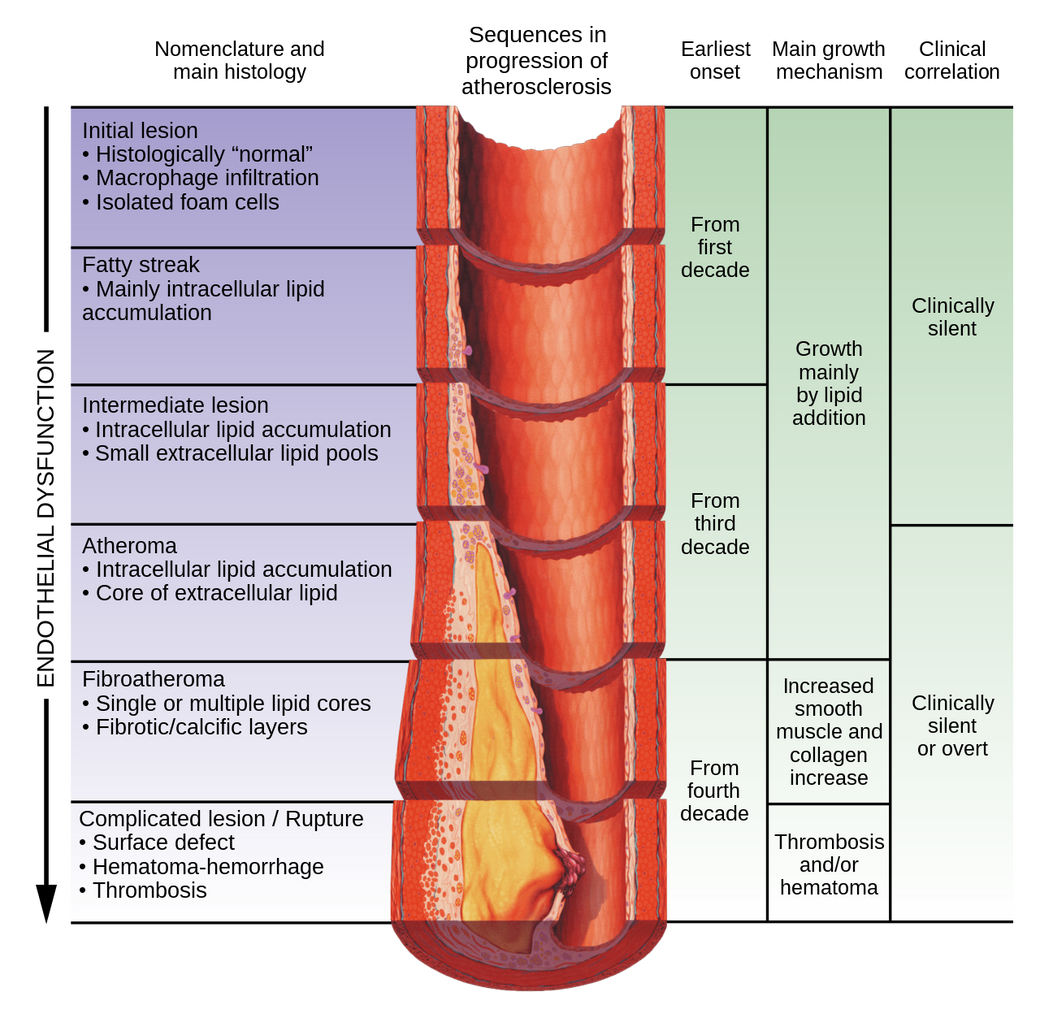
In the context of life insurance, atherosclerosis is defined as a chronic, progressive cardiovascular condition characterized by the buildup of fats, cholesterol, and other substances (plaque) in and on the artery walls. For insurers, this diagnosis serves as a primary risk indicator for future mortality events, such as myocardial infarction or stroke, significantly influencing policy eligibility, premium pricing, and coverage terms.
Atherosclerosis is rarely viewed by insurance companies as an isolated diagnosis. Instead, it is treated as a systemic indicator of vascular health. Because the hardening and narrowing of the arteries can affect the heart, brain, kidneys, and extremities, an underwriter’s primary goal is to determine the extent of the disease and the likelihood of it leading to a critical health event. As of 2026, advances in medical data integration allow insurers to assess this risk with higher precision than ever before, utilizing real-time health records and advanced diagnostic metrics.
The Underwriting Perspective: How Insurers Define the Risk
When an applicant lists atherosclerosis on a life insurance application, the insurance company’s underwriting department begins a multi-step evaluation process. The "definition" of the risk depends heavily on the clinical presentation of the disease. Underwriters categorize atherosclerosis into several sub-classifications based on the location of the plaque buildup:
- Coronary Artery Disease (CAD): Plaque buildup in the arteries supplying blood to the heart. This is the most common form evaluated by life insurers.
- Carotid Artery Disease: Narrowing of the arteries in the neck that supply blood to the brain, which significantly increases the risk of stroke.
- Peripheral Artery Disease (PAD): Atherosclerosis in the limbs, often the legs, which can indicate widespread vascular issues.
- Renal Artery Stenosis: Hardening of the arteries leading to the kidneys, often linked to chronic hypertension.
To an insurer, a "mild" case of atherosclerosis in a 65-year-old may be viewed as a normal part of aging, whereas the same diagnosis in a 35-year-old is seen as a high-risk abnormality. The insurance definition therefore incorporates age-at-onset as a critical variable in determining the "Table Rating" or risk class of the applicant.
Key Factors in the Atherosclerosis Underwriting Process
In 2026, the underwriting process for cardiovascular conditions has become increasingly streamlined through the use of electronic health records (EHR). However, the core factors used to define an applicant's risk remain consistent.
1. Severity and Extent of the Disease
Insurers look for specific evidence of how much the arteries have narrowed (stenosis). If a diagnostic test like a Coronary Calcium Scan or an Angiogram shows minimal blockage (e.g., less than 30%), the applicant may still qualify for Standard rates. However, if the blockage is significant or if the applicant has already undergone surgery, such as a stent placement or bypass, the definition shifts to a higher risk category.
2. Stability and Duration
Stability is the most important factor for those seeking affordable premiums. Insurers want to see that the condition has not progressed over several years. A "stable" definition usually requires at least 12 to 24 months of consistent medical records showing no new symptoms, such as chest pain (angina), shortness of breath, or transient ischemic attacks (TIAs).
3. Medication and Treatment Compliance
The insurance definition of a "manageable risk" relies heavily on the applicant’s adherence to medical advice. Underwriters look for the consistent use of:
- Statins: To manage cholesterol levels.
- Anti-platelet agents: Such as aspirin or Clopidogrel (Plavix).
- Antihypertensives: To keep blood pressure within optimal ranges.
Failure to follow a prescribed medication regimen often leads to an automatic "Substandard" rating or a flat decline, as it signals a higher probability of an acute vascular event.
4. Co-morbidities
Atherosclerosis does not exist in a vacuum. Insurers evaluate the presence of "risk multipliers." For example, an individual with atherosclerosis who also has Type 2 Diabetes or is a tobacco smoker is viewed with significantly more scrutiny. The combination of these factors often moves an applicant from a "Table B" rating to a "Table D" or higher, doubling or tripling the base premium.
Diagnostic Tools and Evidence Requirements
To satisfy the insurance definition of a "documented risk," underwriters require specific medical evidence. As of 2026, the following documents are typically requested via the Attending Physician’s Statement (APS):
- Electrocardiogram (EKG/ECG): To check for past silent heart attacks or rhythm disturbances.
- Stress Test Results: Particularly those involving nuclear imaging or echocardiography, which show how the heart handles physical exertion.
- Lipid Panels: A history of LDL, HDL, and Triglyceride levels over the past three to five years.
- Hemoglobin A1c: To rule out or monitor diabetes.
- Cardiac Catheterization Reports: These provide the "gold standard" of evidence for insurers, detailing exactly which arteries are affected and to what degree.
The American Heart Association provides guidelines on these diagnostic thresholds, which many insurance companies use as benchmarks for their own internal underwriting manuals.
Risk Classification and Premium Impact
Life insurance companies use "Rating Classes" to determine how much a policyholder will pay. Most healthy individuals fall into "Preferred" or "Standard" categories. For those with atherosclerosis, the outcome is usually one of the following:
| Severity Level | Typical Rating Class | Estimated Premium Impact | Requirements for Approval |
|---|---|---|---|
| Mild/Incidental | Standard | Base Rate | Age 60+, non-smoker, stable labs. |
| Moderate (1-2 vessels) | Table B - Table D | +50% to +100% | Successful treatment, 12 months stability. |
| Severe (Multi-vessel) | Table F - Table H | +150% to +200% | Extensive medical history, no recent events. |
| Recent Surgery (<6 mo) | Postponed | N/A | Wait 6-12 months for recovery assessment. |
| Uncontrolled/Smoking | Declined | N/A | High risk of immediate mortality. |
Understanding Table Ratings
A "Table Rating" is an additional cost added to the standard premium. In the life insurance industry, each "table" usually represents a 25% increase over the base premium. If you are diagnosed with atherosclerosis and given a "Table 4" (also known as Table D) rating, you will pay the Standard rate plus 100%. Understanding this terminology is vital for financial planning when securing a large death benefit.
Types of Policies for Applicants with Atherosclerosis
Depending on the severity of the condition, certain types of life insurance may be more accessible than others.
Fully Underwritten Term or Whole Life
This is the most cost-effective option for those with mild or well-managed atherosclerosis. It requires a full medical exam and an APS. If the applicant’s condition is stable, they can secure long-term coverage at predictable rates.
Simplified Issue Life Insurance
This type of policy requires a health questionnaire but no medical exam. It is often a viable route for those with moderate atherosclerosis who wish to avoid the scrutiny of a full paramedical exam. However, the premiums are higher, and the death benefit is usually capped (often at $50,000 to $100,000).
Guaranteed Issue Life Insurance
For individuals with severe atherosclerosis, past strokes, or multiple heart attacks, Guaranteed Issue may be the only option. These policies have no medical questions and cannot be denied based on health. The downsides include much higher costs, lower coverage limits (usually under $25,000), and a "graded death benefit" period (typically the first two years of the policy).
Challenges in Securing Coverage
The primary challenge for applicants is the "moving target" of cardiovascular health. A sudden change in medication or a new symptom can trigger a re-evaluation or a postponement of the application. Furthermore, the Medical Information Bureau (MIB) maintains records of previous applications. If an applicant was declined for atherosclerosis at one company, other insurers will see that "red flag," making it essential to work with a specialized high-risk broker who can navigate different carrier appetites.
In 2026, many carriers have also integrated lifestyle data into their assessments. An applicant who uses wearable technology to demonstrate consistent physical activity and a low resting heart rate may find more favorable underwriting decisions, even with a history of atherosclerosis. This "behavior-based underwriting" helps mitigate the risk profile by proving the applicant is actively managing their cardiovascular health.
Improving Your Insurability Profile
While a diagnosis of atherosclerosis is permanent, your insurance "risk profile" is dynamic. Steps taken today can lead to a "rate reduction" or "reconsideration" in the future.
- Smoking Cessation: This is the single most impactful action. Most insurers require an applicant to be tobacco-free for at least 12 to 24 months before they will even consider a "Non-Smoker" rate.
- Weight Management: Maintaining a Body Mass Index (BMI) within the "Standard" range (usually 18.5 to 29.9) reduces the strain on the vascular system and improves laboratory results.
- Consistent Records: Ensure your cardiologist provides clear, typed notes in your medical file emphasizing stability and compliance. Vague or missing records often result in the insurer assuming the worst-case scenario.
- Wait for Stability: If you have recently had a stent or surgery, wait at least one year before applying for a traditional policy. This allows enough time for "favorable clinical evidence" to accumulate.
Frequently Asked Questions
Can I get life insurance if I have a stent for atherosclerosis?
Yes, many individuals with stents qualify for life insurance. Typically, insurers require a waiting period of 6 to 12 months after the procedure to ensure there are no complications. If the stent has successfully restored blood flow and the patient is stable on medication, they can often qualify for a "Standard" or "Mild Substandard" (Table B) rating.
Does atherosclerosis count as a pre-existing condition?
Yes, in the life insurance industry, atherosclerosis is considered a pre-existing medical condition. Unlike health insurance in some jurisdictions, life insurance companies can legally use this diagnosis to charge higher premiums or deny coverage entirely, depending on the severity and the type of policy requested.
How does the date of my diagnosis affect my premium?
The age of diagnosis is a major factor. A diagnosis of atherosclerosis at age 40 is often viewed more negatively than a diagnosis at age 70. This is because "early-onset" vascular disease suggests a more aggressive progression or a genetic predisposition, whereas "late-onset" is often seen as a standard age-related risk.
Will a "Clean" stress test offset a diagnosis of atherosclerosis?
A normal stress test is highly beneficial. If an insurer sees evidence of plaque (atherosclerosis) but a subsequent stress test shows no "inducible ischemia" (lack of blood flow during exertion), it proves that the disease is not currently obstructing heart function. This can often result in a much better rating class than the diagnosis alone would suggest.
Is there a difference between atherosclerosis and arteriosclerosis for insurance?
While the terms are often used interchangeably, arteriosclerosis is the broader term for the thickening and hardening of arterial walls. Atherosclerosis is a specific type of arteriosclerosis caused by plaque. For insurance purposes, both are treated as cardiovascular risks, but atherosclerosis is more specifically linked to diet, lifestyle, and treatable lipid levels.
Can I apply for a rate reduction if my health improves?
Most permanent life insurance policies and some term policies allow for a "re-rating" or "reconsideration" after the policy has been in force for a certain period (usually two years). If you have lost weight, quit smoking, or can provide new medical tests showing the disease has stabilized, the insurer may lower your premium.
Next Steps for Applicants
If you are navigating a life insurance application with a diagnosis of atherosclerosis, your first action should be to gather your most recent cardiac reports and a complete list of your medications. Do not apply to multiple companies simultaneously, as "shotgunning" applications can lead to a series of denials that will be recorded in your MIB file.
Instead, consult with an independent insurance agent who has experience in impaired risk underwriting. They can perform a "pre-clearance" by sending your anonymized medical summary to multiple carriers to see which one offers the most favorable "informal" quote. This strategy protects your insurability while ensuring you find a carrier whose internal definition of atherosclerosis risk aligns with your specific health history.