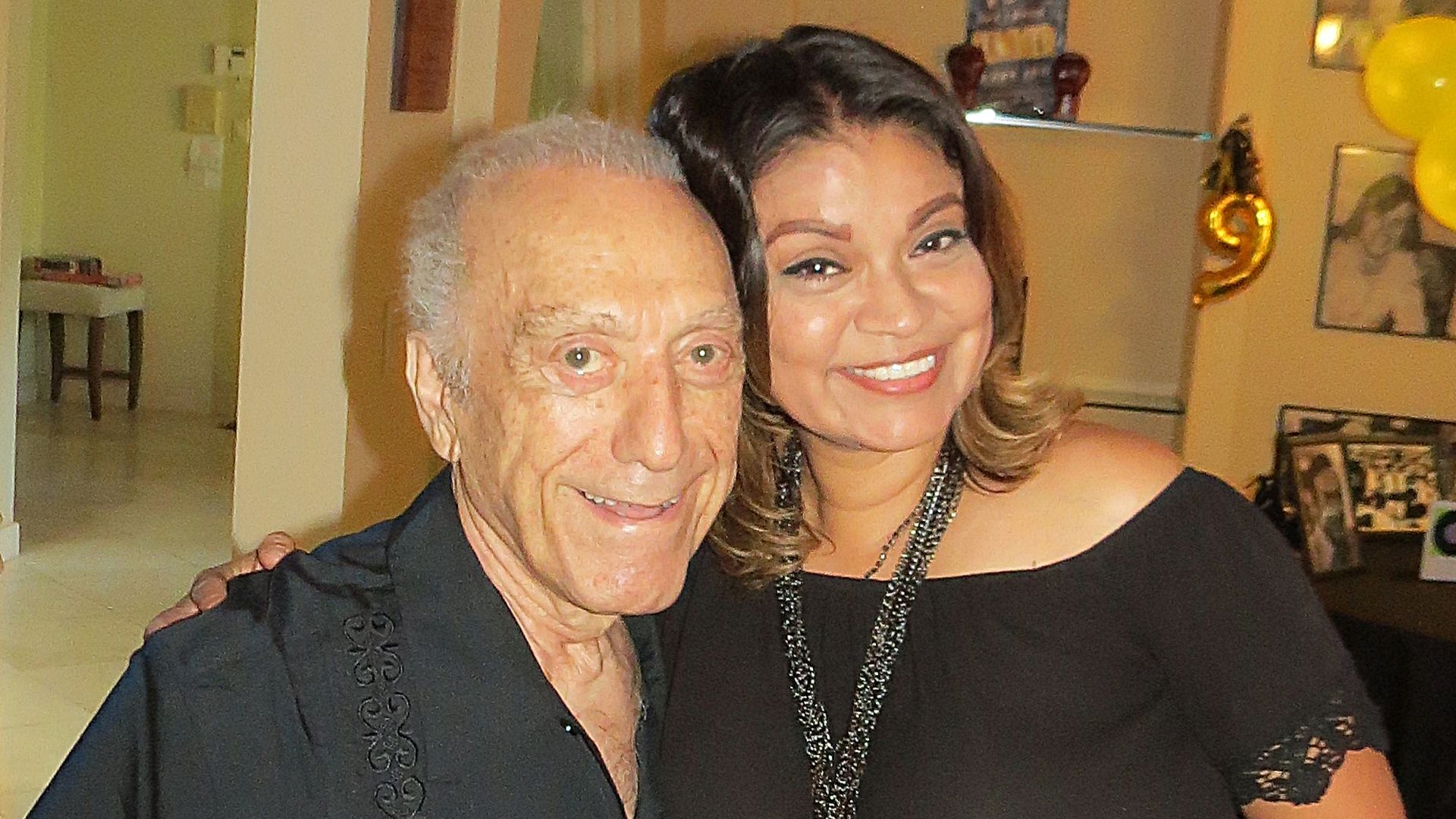
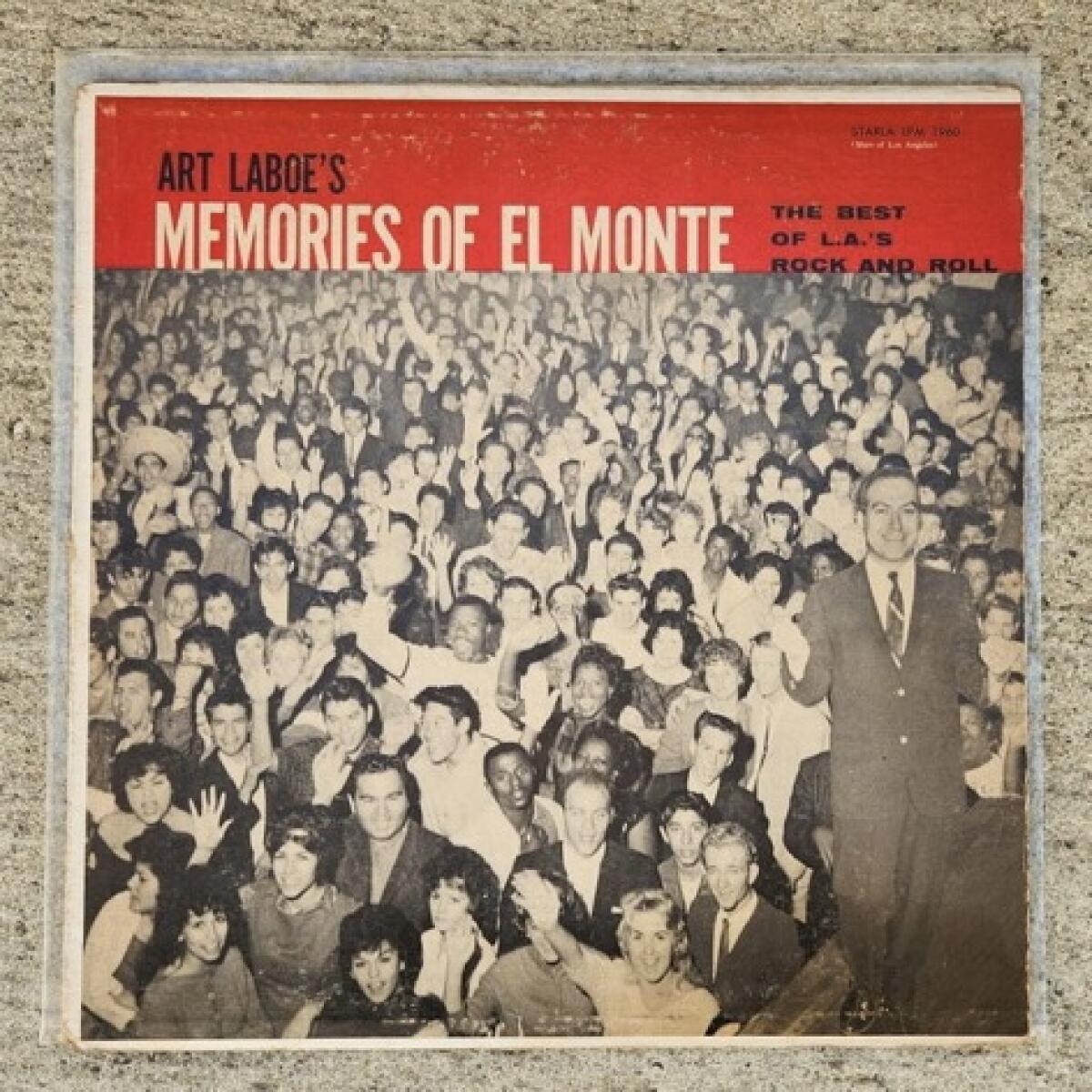
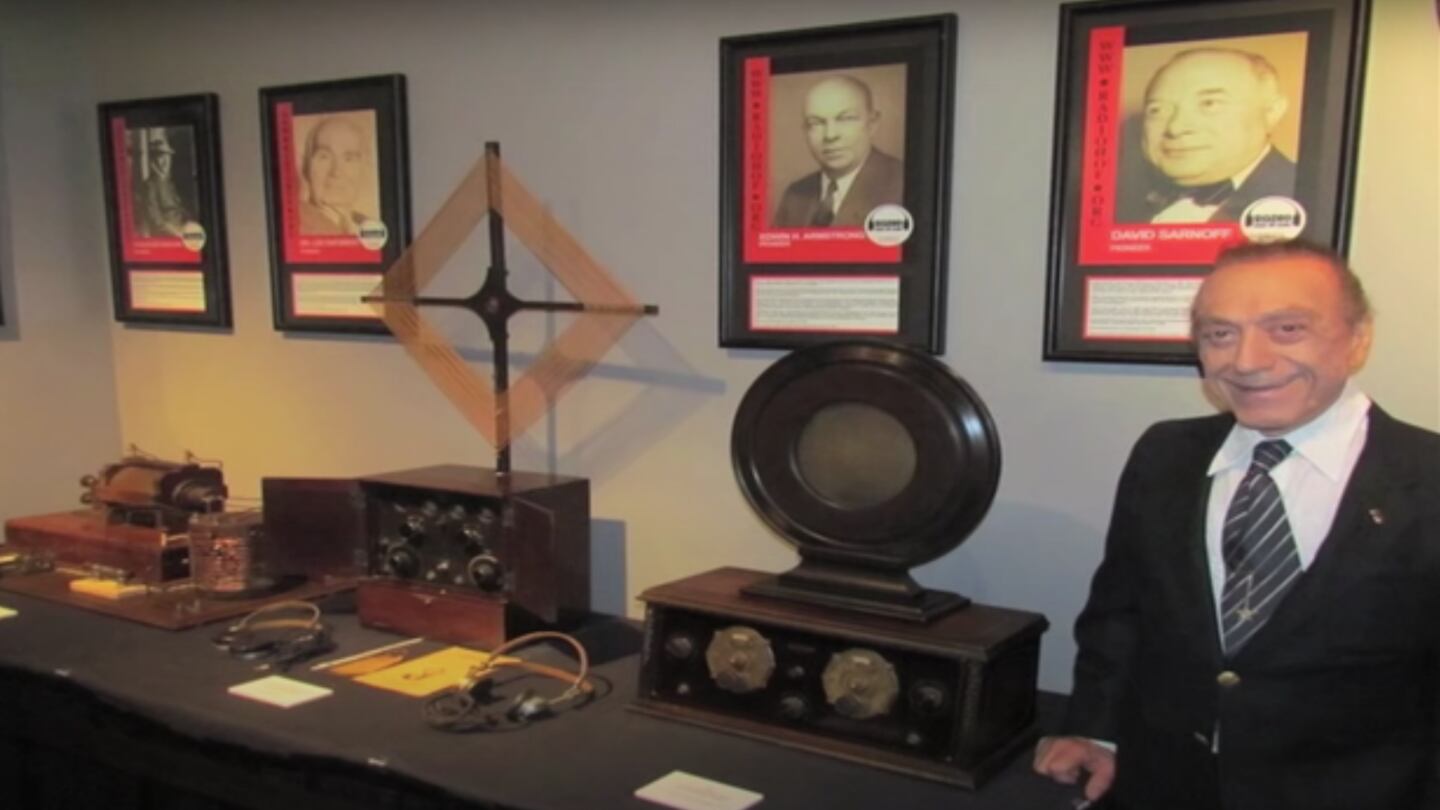
The late Art Laboe, a legendary radio broadcaster and music entrepreneur, passed away in 2022 with an estimated net worth ranging between $5 million and $10 million. His wealth was primarily accumulated through his decades-long career in radio broadcasting, the founding of Original Sound Records, and his pioneering role in creating the Oldies but Goodies compilation series, which revolutionized the music industry.
The Foundations of a Broadcasting Empire
Art Laboe, born Arthur Egnoian, was not merely a radio personality; he was an innovator who redefined how music was presented to the American public. His career began in the late 1940s, and by the 1950s, he had established himself as a fixture in the Los Angeles radio scene. His significance to radio history is rooted in his ability to connect with listeners across diverse demographics, particularly the Chicano and African American communities, through his signature request-and-dedication format.
Unlike many of his contemporaries who relied solely on station playlists, Laboe cultivated a deep, symbiotic relationship with his audience. He provided a platform for listeners to send in dedications and requests, turning radio airtime into a communal experience. This connection helped him command immense loyalty, which translated into longevity and consistent listenership across various stations, including KPOP, KRLA, and later, the syndicated "Art Laboe Connection." This sustained high-profile career provided the primary liquidity and steady income streams that built his financial foundation.
Innovation in Music Retailing: Original Sound Records
Beyond his work behind the microphone, Laboe’s business acumen manifested in his founding of Original Sound Records in 1958. Before the establishment of widespread compilation albums, radio DJs and labels rarely catered to the "oldies" market as a distinct consumer segment. Laboe recognized that fans wanted to purchase the specific records they heard on the radio, but individual singles were often difficult to track down or discontinued.
He bridged this gap by launching the Oldies but Goodies compilation series. This was a revolutionary concept at the time. By licensing tracks from various labels and packaging them into high-quality, curated albums, he tapped into a massive, previously underserved market. The commercial success of these compilations—which eventually spawned over 15 volumes—provided a reliable royalty stream that functioned as a significant annuity for his estate. His ownership of the masters and the rights to these compilations placed him in a unique position of financial leverage compared to traditional radio personalities who were merely employees of a station.
Quantifying the Estate and Assets
Determining the precise net worth of a private citizen—even a public figure like Art Laboe—is an exercise in aggregating disparate revenue streams. Because Laboe operated as a private entity and did not hold a public corporation, there are no SEC filings or public balance sheets to reference. Estimates surrounding his net worth often vary, but they generally cluster within the $5 million to $10 million range at the time of his passing in 2022.
These figures are typically derived from the following asset classes:
- Catalog Royalties: As the founder of Original Sound Records, Laboe held significant interests in the intellectual property and master recordings of his compilations. While the music industry shifted toward digital streaming, the recurring revenue from licensing and mechanical royalties remained a substantial component of his annual income.
- Real Estate Holdings: Like many long-term residents and business owners in the Southern California media landscape, Laboe’s portfolio included real estate assets accumulated over several decades. These assets appreciate significantly in the Los Angeles market, often serving as a primary store of wealth that is distinct from his volatile music industry income.
- Radio Syndication Rights: His long-running syndicated show reached millions of listeners across the United States. Syndication models typically involve substantial fees paid by affiliate stations, which provided the liquid capital necessary to maintain his business operations and personal investments.
The Economic Model of the "Oldies" Phenomenon
To understand Laboe’s net worth, one must understand the economic durability of the "Oldies" market. While trends in popular music fluctuate rapidly, the audience for R&B, soul, and vocal harmony groups from the 1950s and 1960s demonstrated remarkably low churn rates.
Laboe’s business model was effectively a hedge against the ephemeral nature of the pop charts. By curating music that already had proven historical value, he avoided the risks associated with investing in new, unproven talent. This risk-averse, catalog-focused strategy is a staple of successful music industry wealth preservation. His financial success was built on the premise that music, once established as a classic, requires less ongoing marketing spend and provides consistent long-term returns.
Comparative Analysis of Media Personalities
In the context of the radio industry, Laboe’s financial position can be compared to other legendary broadcasters. While his net worth was not on the scale of national talk-show titans or celebrity personalities with major television contracts, his wealth was notably stable because it was rooted in hard assets—the music catalog.
| Asset Category | Impact on Net Worth | Reliability |
|---|---|---|
| Radio Salary/Fees | Moderate | High (Contract-based) |
| Music Catalog Rights | High | Consistent (Passive) |
| Real Estate | Moderate/High | Appreciation-based |
| Licensing/Merchandise | Low/Moderate | Variable |
This table illustrates why Laboe’s estate remained resilient. While other entertainers relied heavily on continuous employment, Laboe owned the "product" (the records), which meant his wealth generation did not cease when he was off the air.
Legacy and Management of the Estate
Since his passing in 2022, the management of Art Laboe’s business interests has transitioned to his heirs and long-time associates. The valuation of his estate continues to be influenced by the continued relevance of his curated playlists and the cultural impact of his dedication shows.
In the 2026 economic environment, the value of intellectual property, particularly established "classic" catalogs, remains high. Collectors and streaming platforms continue to value the specific aesthetic and curation that Laboe championed. While specific inheritance details remain private, the continuity of his brand suggests that his intellectual property assets remain productive, potentially sustaining or growing the estate’s value despite his absence.
Frequently Asked Questions
1. How did Art Laboe accumulate his wealth? Art Laboe accumulated wealth through a dual-track career as a radio broadcaster and a music entrepreneur. His primary earnings came from high-profile radio syndication and his founding of Original Sound Records, which produced the highly lucrative Oldies but Goodies series.
2. Was Art Laboe’s net worth primarily from his radio salary? No, while his radio salary was substantial due to his long career and popularity, a significant portion of his net worth was built on the ownership of his music masters and the rights to his compilation albums, which provided ongoing royalty payments.
3. Why is there a range for his net worth estimation? The range exists because Art Laboe’s business holdings, real estate assets, and royalty agreements were private. Analysts must estimate values based on public knowledge of his brand’s reach, typical industry royalty standards, and the known real estate market in Los Angeles during his lifetime.
4. Does the value of the "Oldies but Goodies" catalog still matter in 2026? Yes, classic music catalogs remain highly valuable assets in 2026. Because Laboe curated specific songs that have deep cultural resonance, these compilations remain popular in both physical formats and on digital streaming platforms, ensuring that the intellectual property continues to generate revenue.
5. How much of his wealth was in liquid assets versus property? While exact proportions are undisclosed, it is standard for successful long-term media figures to hold a mix of liquid assets—such as cash reserves from business profits—and illiquid, high-appreciation assets like Southern California real estate, which serves as a hedge against inflation.
Final Considerations for Legacy Valuation
For those researching the financial history of iconic figures like Art Laboe, it is essential to distinguish between celebrity fame and tangible net worth. Laboe’s financial story is one of conservative, long-term asset accumulation combined with a keen understanding of consumer demand. He did not chase the volatile trends of modern pop music; instead, he invested in the enduring power of musical nostalgia.
As of 2026, the primary action for researchers or fans interested in this subject is to observe how his intellectual property is managed by his estate. Licensing deals, the use of his name in future media projects, and the ongoing viability of the Oldies but Goodies brand serve as the best indicators of the current health and value of the assets he left behind. His life serves as a practical blueprint for how media professionals can diversify their income streams from a labor-based model to an asset-based one, ensuring long-term financial security.