Assessing safety and sources of arsenic in tea involves understanding how this toxic metalloid enters the plant, distinguishing between highly toxic inorganic forms and less harmful organic species, and evaluating dietary exposure limits established by food safety authorities. While tea plants absorb arsenic from natural soil mineralogy, contaminated groundwater, or atmospheric deposition, various agricultural and processing variables ultimately dictate the concentration found in a brewed cup.
Understanding Arsenic in the Environment and Food Supply
Arsenic is a naturally occurring metalloid widely distributed in the earth's crust. It enters the human food chain through soil, water, and air, affecting agricultural products globally. When evaluating chemical safety in everyday consumables like herbal and traditional teas, toxicologists look closely at both the total concentration of the element and its chemical speciation.
In environmental science, arsenic is typically categorized into two main groups: inorganic and organic. Inorganic arsenic—often found in geological formations, mining runoff, and historic pesticide applications—is classified as a Group 1 human carcinogen by the International Agency for Research on Cancer (IARC). Prolonged exposure to inorganic arsenic is linked to skin lesions, cardiovascular disease, developmental toxicity, and various forms of cancer.
Organic arsenic compounds, conversely, are predominantly found in marine organisms like fish and shellfish. These organic forms, such as arsenobetaine, are generally considered far less toxic because they pass through the human body rapidly without undergoing significant metabolic changes. However, when evaluating terrestrial plants like Camellia sinensis or herbal ingredients, the presence of arsenic is usually inorganic or bound to complex plant matrices, requiring careful analytical testing to separate and quantify.
How Arsenic Enters the Tea Supply Chain
The pathway of arsenic from the environment into a brewed cup of tea involves multiple stages, beginning with agricultural cultivation and ending with industrial processing. Understanding these pathways helps regulatory agencies and producers implement effective mitigation strategies.
Soil Composition and Geological Factors
Tea plants (Camellia sinensis) are perennial crops grown across diverse global regions, including China, India, Sri Lanka, Japan, Kenya, and Taiwan. The soil composition in these regions heavily influences the baseline mineral content of the harvested leaves. Volcanic activity, weathering of parent rock, and natural mineral deposits can elevate background levels of arsenic in soil.
Unlike rice plants, which are cultivated in flooded paddies that increase arsenic mobility and uptake through anaerobic conditions, tea bushes typically grow in well-drained, acidic upland soils. This environment generally limits the solubility and root uptake of inorganic arsenic compared to water-saturated systems. Nevertheless, regional geochemical anomalies can still lead to notable uptake.
Irrigation Water and Agroinputs
Water quality plays a decisive role in agricultural safety. If farmers irrigate tea fields with groundwater drawn from deep aquifers contaminated with naturally occurring heavy metals, the arsenic accumulates in the soil and plant tissues over successive harvest cycles. Additionally, historical use of arsenical pesticides—common in agriculture during the 19th and early 20th centuries—can leave persistent residues in topsoils, although modern regulatory standards have largely phased out these agrochemicals.
Atmospheric Deposition and Processing
Industrial emissions, coal-fired power plants, and regional smelting operations contribute to atmospheric pollution. Particulate matter containing arsenic and other heavy metals can settle directly onto tea leaves growing in proximity to industrial corridors. Furthermore, during manufacturing—such as withfire-drying, roasting, or pan-firing—external contaminants can occasionally be introduced if equipment or fuel sources are unmonitored.
Chemical Speciation and Toxicity in Brewed Tea
Measuring total arsenic in a dry tea leaf does not provide an accurate picture of human health risk. A critical distinction exists between what is present in the leaf and what actually leaches into hot water during steeping.
When consumers steep loose-leaf tea or tea bags, only a fraction of the total metal content transfers into the liquid infusion. The extraction rate depends on several chemical and physical parameters:
- Water Temperature: Boiling or near-boiling water increases the kinetic energy of extraction, pulling more soluble compounds out of the plant cellular matrix.
- Steeping Time: Extended infusion times allow for a more complete transfer of soluble minerals and trace elements into the brew.
- Leaf Maturation: Older, more mature leaves (often used in lower-grade or mass-market teas) can accumulate higher concentrations of environmental minerals compared to tender, young spring flushes.
- Water Chemistry: The pH and mineral hardness of the brewing water can alter the chemical binding of trace metals, though its effect on arsenic extraction is generally secondary to leaf composition and steeping duration.
Toxicological assessments conducted by agencies such as the European Food Safety Authority (EFSA) and the United States Food and Drug Administration (FDA) focus primarily on inorganic arsenic due to its acute and chronic health implications. Analytical techniques like Inductively Coupled Plasma Mass Spectrometry (ICP-MS) coupled with high-performance liquid chromatography (HPLC) are utilized to separate organic and inorganic species in laboratory samples.
Regulatory Frameworks and Maximum Limits
To protect public health, international bodies and national regulators establish maximum residue levels (MRLs) and provisional tolerable weekly intakes (PTWI) for toxic elements in food and beverages.
The Joint FAO/WHO Expert Committee on Food Additives (JECFA) previously established a PTWI for inorganic arsenic, though health-based guidance values have been re-evaluated as toxicological models advance. Regulatory bodies emphasize a "benchmark dose lower confidence limit" (BMDL) approach, which estimates the lowest dose that causes a modest increase in the incidence of adverse health effects, such as bladder and skin cancers.
| Regulatory Body / Standard | Scope & Application | Key Focus Areas |
|---|---|---|
| European Food Safety Authority (EFSA) | Sets dietary reference values and safety assessments across the European Union. | Evaluates benchmark doses (BMDL01) for inorganic arsenic and monitors food commodities, including herbal infusions. |
| U.S. Food and Drug Administration (FDA) | Regulates domestic and imported food safety within the United States. | Implements action levels for toxic elements in processed foods, infant formulas, and beverages. |
| Codex Alimentarius Commission | Establishes international food standards harmonized globally. | Provides guidelines for maximum levels of contaminants in food and agricultural goods. |
| National Standards (e.g., China, India) | Enforces country-specific compliance codes for agricultural exports. | Sets statutory limits for heavy metals in commercial tea grades prior to market clearance. |
While specific statutory limits for arsenic in dry tea leaves vary by jurisdiction, compliance testing ensures that commercial products remain well below safety thresholds. Because tea is consumed as a diluted beverage rather than eaten whole, the actual daily dietary intake from multiple cups of tea generally contributes only a minor fraction of overall inorganic arsenic exposure, provided the water used for brewing is also safe.
Comparing Tea Types: Black, Green, Oolong, and Herbal Infusions
Different varieties of tea undergo distinct processing methods, and herbal infusions originate from entirely different plant families. Consequently, safety profiles and metal extraction rates vary across product categories.
Camellia sinensis Varieties
Traditional teas—including black, green, white, and oolong—all derive from the Camellia sinensis plant. Green teas are minimally oxidized, whereas black teas undergo full enzymatic oxidation. Studies examining heavy metal migration show that while trace amounts of arsenic are frequently detected in dry leaves, the transfer rate into the brewed beverage is typically low, ranging from 10% to 30% depending on steeping parameters. Because green and white teas are often steeped at lower temperatures for shorter durations, their extraction profiles can differ slightly from robustly brewed black teas, though agricultural source water remains the primary driver of variance.
Herbal Infusions (Tisanes)
Herbal teas—such as chamomile, rooibos, peppermint, and hibiscus—do not come from the tea plant. They are sourced from diverse botanical families grown across various global climates. Rooibos, for instance, is native to the acidic soils of South Africa's Fynbos biome, while chamomile is cultivated widely across Europe and parts of Asia. Because these plants absorb minerals from their respective regional soils, their heavy metal profiles reflect local environmental conditions. Herbal crops harvested from regions with high ambient soil minerals can exhibit distinct trace element concentrations, necessitating rigorous batch testing by reputable manufacturers.
Practical Guidance for Consumers and Risk Mitigation
For the average consumer, incorporating tea into a balanced diet poses minimal health risk, but simple mitigation steps can further reduce exposure to environmental contaminants:
- Source from Reputable Brands: Purchase commercial teas from established brands that adhere to rigorous quality control protocols and conduct routine third-party heavy metal testing.
- Use Safe Brewing Water: Ensure that the water used to steep tea meets municipal drinking water standards or is properly filtered. Using contaminated well water can introduce more heavy metals into a cup of tea than the tea leaves themselves.
- Vary Beverage Choices: Maintain a diverse diet and beverage intake to avoid over-reliance on a single agricultural source or geographic region.
- Control Steeping Times: Follow recommended brewing guidelines. Over-steeping extracts excessive tannins and trace minerals, which can alter both the flavor profile and the mineral extraction rate.
Frequently Asked Questions
Does steeping tea longer increase arsenic levels in the cup?
Yes, extending steeping times allows more soluble compounds, including trace minerals from the plant matrix, to transfer into the water. However, the total amount released remains heavily dependent on the initial concentration present in the dry leaf and the quality of the brewing water.
Are organic teas safer from heavy metal contamination?
Organic certification ensures that crops are grown without synthetic pesticides or chemical fertilizers. However, organic certification does not protect against naturally occurring minerals in the soil or atmospheric deposition from industrial sources. Both organic and conventionally grown teas are subject to the same geological background factors.
Is the water used to brew tea a major source of arsenic?
Water quality is often a more significant factor than the tea leaves themselves. If tap or well water contains elevated levels of heavy metals, brewing tea with that water will compound the total exposure. Using certified safe or filtered water minimizes this risk.
Do tea bags leach contaminants into the brew?
Some traditional paper tea bags may contain trace compounds or sealants, and certain modern synthetic mesh bags can shed microplastics under high heat. While these concerns relate primarily to packaging materials rather than arsenic absorption, using loose-leaf tea with a stainless steel infuser is a common preference for consumers seeking to avoid packaging leachates.
How do regulatory agencies test tea for heavy metals?
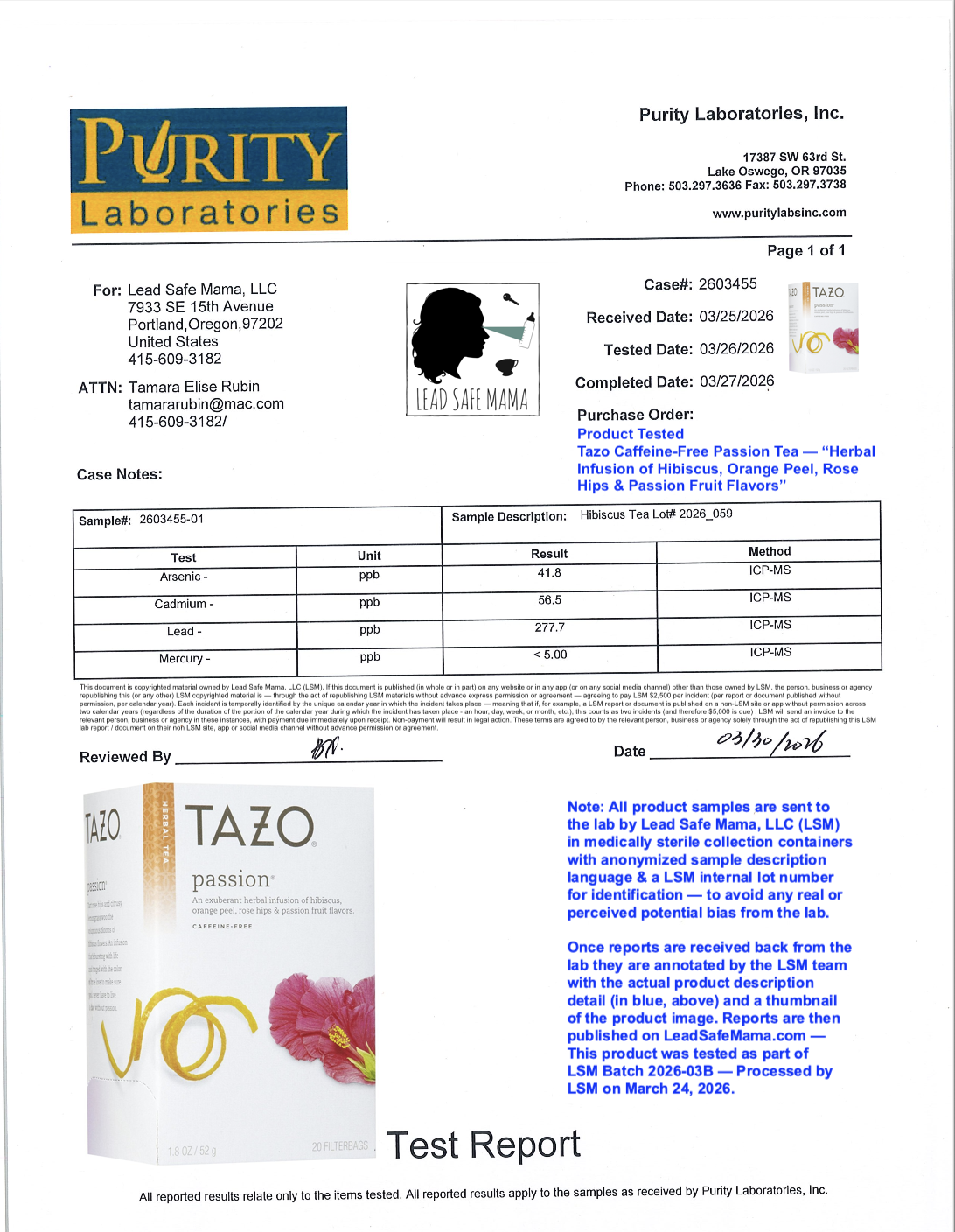
Laboratories use advanced analytical methods such as Inductively Coupled Plasma Mass Spectrometry (ICP-MS) to detect trace elements at parts-per-billion (ppb) levels. Samples are typically digested using strong acids under high pressure before being analyzed for both total elemental content and chemical speciation.
Conclusion and Next Actions
Assessing the safety and sources of arsenic in tea requires balancing environmental science, agricultural practices, and toxicological data. While tea plants naturally absorb trace minerals from soil and water, modern regulatory oversight and quality control help ensure that commercial products remain safe for daily consumption. Consumers should prioritize purchasing from transparent brands, utilize clean water for brewing, and maintain dietary diversity as part of a balanced lifestyle.