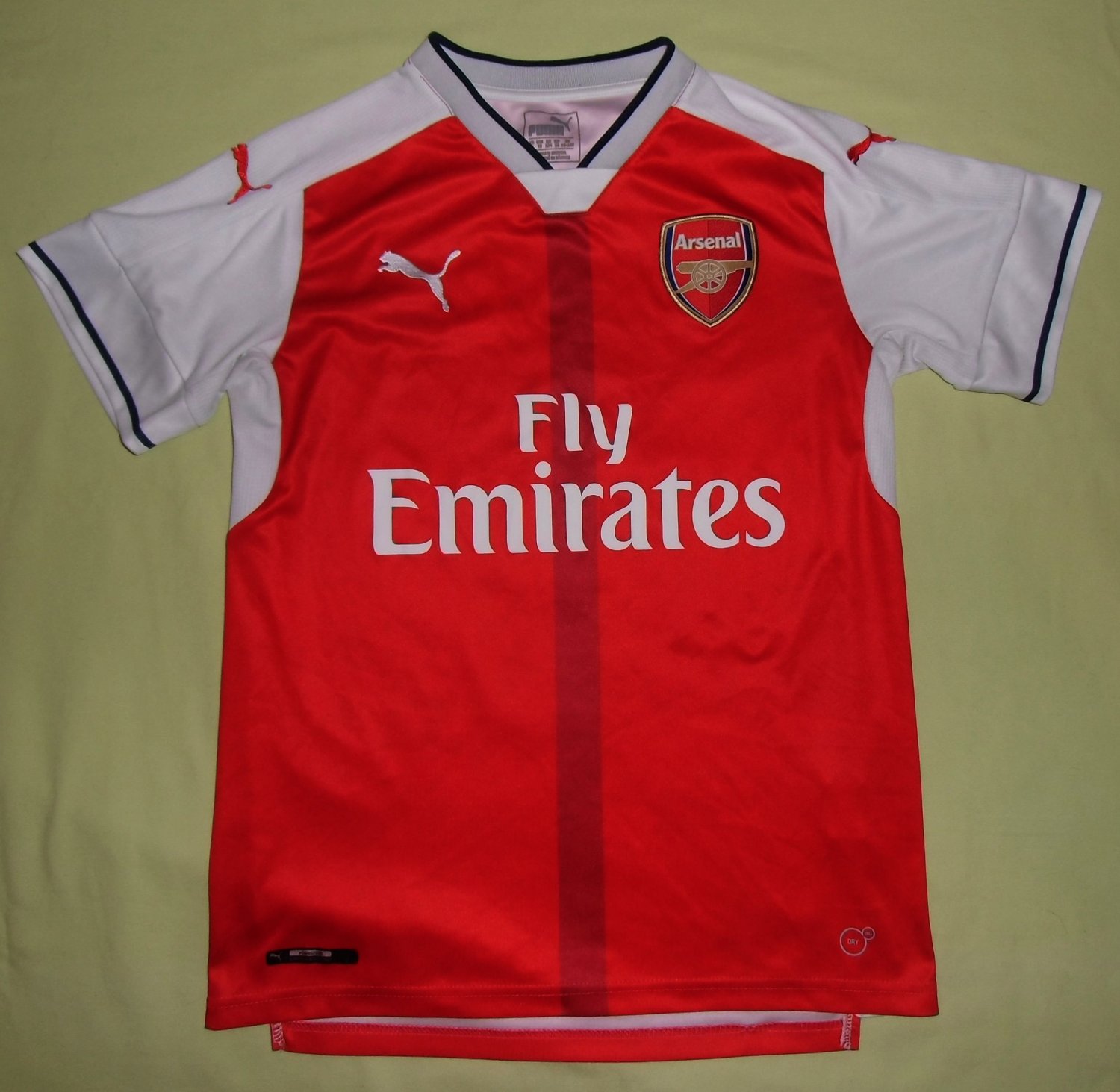
The 2016-2017 season remains one of the most polarizing chapters in the modern history of Arsenal Football Club. It was a campaign defined by paradoxical extremes: the club secured a record-breaking 13th FA Cup title with a masterclass performance at Wembley, yet simultaneously dropped out of the Premier League's top four for the first time in two decades. This period marked the beginning of the end for Arsène Wenger’s historic tenure, characterized by tactical shifts, heavy investment in the transfer market, and the rising tide of the "Wenger Out" movement.
The Context of the 2016-2017 Campaign
Entering the 2016-2017 season, expectations at the Emirates Stadium were high. Arsenal had finished second in the previous Premier League campaign, albeit in the wake of Leicester City’s miraculous title win. Fans and pundits alike felt that with a few key additions, the Gunners were finally ready to mount a sustainable title challenge.
From the perspective of 2026, this season is viewed as a definitive pivot point. It was the last time the club featured in the UEFA Champions League for several years and the final time Arsène Wenger appeared to have the full, albeit fracturing, support of the hierarchy to rebuild the squad. The season was also notable for being the last full year of the "British Core" project, as players like Kieran Gibbs and Alex Oxlade-Chamberlain entered the final stages of their Arsenal careers.
Summer Transfer Business: The £90 Million Reinforcement
Arsenal's activity in the 2016 summer transfer window was significant, reflecting a departure from Wenger’s traditional frugality. The club spent nearly £90 million to address perceived weaknesses in central midfield, central defense, and the forward line.
Key Signings
- Granit Xhaka (£35m from Borussia Mönchengladbach): Brought in to provide steel and passing range in the midfield. Xhaka’s debut season was a microcosm of his future Arsenal career—moments of technical brilliance punctuated by disciplinary issues and defensive lapses.
- Shkodran Mustafi (£35m from Valencia): Signed late in the window to partner Laurent Koscielny. Mustafi initially enjoyed an unbeaten streak of 22 games, leading many to believe the defensive woes were solved.
- Lucas Pérez (£17m from Deportivo La Coruña): A versatile forward meant to provide competition for Olivier Giroud and Danny Welbeck. Despite some clinical finishes, including a hat-trick in the Champions League, he struggled to gain Wenger's trust.
- Rob Holding (£2m from Bolton Wanderers): Perhaps the most successful piece of business in terms of value, the young center-back would go on to play a pivotal role in the FA Cup final.
Notable Departures
The window also saw the departure of club stalwarts. Mikel Arteta, Tomas Rosicky, and Mathieu Flamini all left at the end of their contracts. Perhaps the most controversial exit was that of Serge Gnabry to Werder Bremen. At the time, it was viewed as a minor loss, but Gnabry’s subsequent rise to world-class status at Bayern Munich turned this into a major historical "what-if" for the club.
The Premier League Rollercoaster: From Title Contenders to 5th Place
Arsenal’s league campaign was a tale of two halves. The season began with a frantic 4-3 loss to Liverpool at home, but the team quickly recovered. By late September, after a dominant 3-0 victory over Chelsea at the Emirates, Arsenal looked like genuine title contenders.
The Autumn Surge
Between September and December, Arsenal played some of the most fluid football of the late Wenger era. Alexis Sanchez was moved into a central "false nine" role, which revitalized the attack. Mesut Özil was at the peak of his creative powers, notably scoring a breathtaking solo goal against Ludogorets in Europe. By mid-December, Arsenal sat second in the table, just a few points behind Antonio Conte’s Chelsea.
The Winter Collapse
The season unraveled during the traditional "winter slump." Back-to-back away losses to Everton and Manchester City in December sapped the team's momentum. However, the real damage occurred in February and March. Disastrous defeats to Watford, Chelsea, and Liverpool saw Arsenal tumble out of the top four. The 3-0 loss to Crystal Palace in April was perhaps the nadir of the season, sparking intense protests from the traveling supporters.
The Late Charge and Tactical Evolution
In a desperate attempt to salvage the season, Wenger abandoned his career-long commitment to a back-four defense. Following the Palace defeat, Arsenal switched to a 3-4-2-1 formation. This tactical shift provided more defensive stability and allowed Alex Oxlade-Chamberlain and Nacho Monreal to flourish as wing-backs. Arsenal won seven of their last eight league games, but it wasn't enough. They finished with 75 points—traditionally enough for Champions League qualification—but remained one point behind Liverpool and three behind Manchester City.
The 2016-2017 Statistical Summary
| Competition | Position / Round | Top Scorer | Notable Result |
|---|---|---|---|
| Premier League | 5th Place | Alexis Sanchez (24) | Arsenal 3-0 Chelsea |
| FA Cup | Winners | Alexis Sanchez / Theo Walcott | Arsenal 2-1 Chelsea (Final) |
| Champions League | Round of 16 | Mesut Özil (4) | Arsenal 6-0 Ludogorets |
| EFL Cup | Quarter-Finals | Alex Oxlade-Chamberlain (3) | Arsenal 2-0 Reading |
The Champions League Humiliation
The 2016-2017 Champions League campaign started with promise. Arsenal topped their group for the first time in years, finishing ahead of Paris Saint-Germain. This was supposed to grant them a favorable draw in the Round of 16. Instead, they were paired with their perennial nemesis: Bayern Munich.
The subsequent two-legged tie is remembered as one of the darkest periods in the club's European history. Arsenal lost 5-1 in the first leg at the Allianz Arena, a match where they were competitive at 1-1 until Laurent Koscielny went off injured. The second leg at the Emirates was a mirror image—Arsenal led 1-0 and looked capable of a comeback until a controversial red card for Koscielny led to another 5-1 capitulation. The 10-2 aggregate scoreline became a symbol of the widening gap between Arsenal and the European elite, intensifying the pressure on Wenger to resign.
FA Cup Glory: The Saving Grace
Despite the league disappointment and European embarrassment, the FA Cup provided a stage for redemption. Arsenal’s route to the final included victories over Preston North End, Southampton, Sutton United, and Lincoln City. While the early rounds were relatively straightforward, the semi-final against Manchester City was a grueling contest. Arsenal came from behind to win 2-1 in extra time, thanks to a predatory finish from Alexis Sanchez.
The Final Against Chelsea
The final on May 27, 2017, saw Arsenal face newly crowned Premier League champions Chelsea. Arsenal were heavy underdogs, missing several key defenders including the suspended Koscielny and the injured Mustafi. Wenger was forced to start Per Mertesacker—who had played only 37 minutes of football all season—in the heart of a back three alongside Rob Holding and Nacho Monreal.
What followed was a tactical masterclass. Arsenal dominated from the whistle, with Alexis Sanchez scoring a controversial opening goal in the 4th minute. Although Diego Costa equalized for Chelsea in the second half, Aaron Ramsey responded almost immediately, heading home an Olivier Giroud cross to secure a -1 victory. It was a record 13th FA Cup for the club and a record 7th for Arsène Wenger, providing a silver lining to a cloud-heavy season.
Key Player Performances
Alexis Sanchez: The Talisman
The 2016-2017 season was arguably the greatest individual campaign by an Arsenal player since the Thierry Henry era. Sanchez finished the season with 30 goals and 15 assists across all competitions. His work rate, tenacity, and ability to produce goals from nothing kept Arsenal competitive even during their worst spells. However, his visible frustration on the pitch during losses began to hint at his eventual departure to Manchester United.
Mesut Özil: The Creator
Özil finished the season with 12 goals and 13 assists. While his numbers were respectable, he became a lightning rod for criticism during the team's mid-season collapse. Critics argued he "disappeared" in big away games, specifically against Bayern Munich and Manchester City. Conversely, his supporters pointed to his underlying chance-creation metrics, which remained among the best in Europe.
The Emergence of Rob Holding
Following his £2 million move from Bolton, Holding was eased into the squad. His performance in the FA Cup final, where he famously stood his ground against Diego Costa, endeared him to the fans and marked him as a future leader.
Tactical Analysis: The Shift to the Back Three
The most significant technical development of the 2016-2017 season was Wenger’s move to a 3-4-2-1 formation. Historically, Wenger had been a staunch advocate of the 4-4-2 or 4-2-3-1. However, the tactical trend in the Premier League, led by Antonio Conte’s Chelsea and Mauricio Pochettino’s Tottenham, was shifting toward three at the back.
By utilizing three center-backs, Arsenal was able to:
- Protect the aging/exposed midfield: Xhaka and Ramsey had more cover behind them.
- Unleash the wing-backs: Oxlade-Chamberlain found a new lease on life in this role, utilizing his pace and dribbling in wider areas.
- Narrow the attack: Having Sanchez and Özil as "dual tens" behind a striker allowed them to operate in the half-spaces where they were most dangerous.
While this change saved the season in terms of the FA Cup, it arrived too late to rescue the Champions League qualification.
The Social Landscape: The Rise of AFTV and Protests
The 2016-2017 season was also the year that fan discourse changed forever. The rise of "Arsenal Fan TV" (later AFTV) provided a platform for raw, immediate, and often vitriolic fan reactions. Personalities like Claude, Ty, and DT became internet famous, and the "Wenger In vs. Wenger Out" debate became the dominant narrative surrounding the club.
Protests became a common sight at the Emirates. Banners were flown over stadiums using planes, and marches were organized before home games. This toxic atmosphere undoubtedly affected the players’ home form during the spring, creating a self-fulfilling prophecy of underperformance.
Summary of Results and Impact
The legacy of the 2016-2017 season is complicated. On one hand, the FA Cup win was a genuine achievement, particularly given the quality of the opposition in the final. On the other hand, the failure to qualify for the Champions League broke a streak that had been central to the club's identity and financial model for two decades.
Looking back from 2026, we see that this season was the catalyst for the major restructuring that followed. It led to the appointment of Sven Mislintat and Raul Sanllehi shortly after, as the club realized that the "manager-led" model was no longer sustainable in the modern era.
Frequently Asked Questions
Why did Arsenal fail to finish in the top four in 2016-2017?
The primary reason was a disastrous run of form in February and March, where they lost four out of five Premier League games. Defensive instability and a lack of mental resilience in away games against top-six rivals also played a significant role.
Was the 2016-2017 FA Cup win Arsène Wenger's last trophy?
Yes. Although Wenger stayed for the 2017-2018 season, he did not win another major trophy. The 2017 FA Cup was the final silverware of his 22-year reign.
Who was Arsenal's top scorer in the 2016-2017 season?
Alexis Sanchez was the top scorer with 24 goals in the Premier League and 30 goals across all competitions.
What was the aggregate score between Arsenal and Bayern Munich that year?
Arsenal lost 10-2 on aggregate, losing 5-1 in both the home and away legs of the Champions League Round of 16.
Why did Arsenal switch to a 3-4-2-1 formation?
Arsène Wenger switched to a back three in April 2017 to improve defensive solidity after a 3-0 loss to Crystal Palace. The formation helped the team win nine of their final ten games across all competitions.
Final Recommendation for Historians and Fans
To truly understand the 2016-2017 season, one should watch the full replay of the 2017 FA Cup Final. It captures the very best of what that Arsenal squad was capable of—tactical discipline, high-energy pressing, and the clinical brilliance of Alexis Sanchez. While the league season was a failure by the club's standards, the cup run remains a testament to the enduring quality of the late-Wenger era.