Arrow Tru-Line (ATL) hardware serves as the industry-standard benchmark in modern vocational education and facility management. In 2026, it is primarily used to train technicians in Career and Technical Education (CTE) programs, providing students with high-durability, precision-engineered components that mirror real-world industrial and residential garage door applications for hands-on skill development.
Understanding Arrow Tru-Line’s Role in Industrial Learning
Arrow Tru-Line has long been recognized as a Tier-1 manufacturer of garage door hardware, including hinges, rollers, tracks, and specialized brackets. In the context of modern education, specifically within the 2026 landscape of vocational training, the brand has transitioned from a mere supplier to a foundational pedagogical tool. Technical colleges and high school "shop" programs utilize ATL products because they represent the "gold standard" of what a technician will encounter in the field.
The shift toward high-quality hardware in educational settings is driven by the need for durability. In a learning environment, hardware is subjected to repeated assembly and disassembly—a cycle of "stress testing" that budget-grade components cannot survive. Arrow Tru-Line’s use of heavy-gauge galvanized steel and precision-stamping ensures that students can practice installation techniques hundreds of times without the hardware stripping or warping. This reliability allows instructors to focus on teaching mechanics rather than constantly replacing broken equipment.
Furthermore, the engineering behind ATL products serves as a case study for students. By examining the thickness (gauge) of the steel and the geometry of the reinforcing ribs on a commercial-grade hinge, students learn about load-bearing capacities and structural integrity. This technical depth transforms a simple hardware component into a comprehensive lesson in industrial design and material science.
The Impact of Arrow Tru-Line on Vocational Curricula (CTE)
Career and Technical Education (CTE) has seen a massive resurgence as of 2026, with a specific focus on "essential trades." Garage door installation and repair is a high-demand niche, and Arrow Tru-Line hardware is at the center of the modern curriculum. Educators use these systems to bridge the gap between theoretical physics—such as torque and tension—and practical application.
Precision Engineering and Student Skill Development
When students work with Arrow Tru-Line tracks and rollers, they are learning about tolerances. In the garage door industry, a deviation of even an eighth of an inch can lead to premature wear or catastrophic system failure. Modern education modules use ATL’s precision-rolled tracks to teach students how to use laser levels and digital calipers.
The "Tru-Line" name itself emphasizes the importance of alignment. Instructors use these components to demonstrate how a door must be perfectly balanced and aligned to operate safely. Because ATL hardware is manufactured to such tight tolerances, any friction or noise in the system is usually the result of student error in installation rather than a defect in the hardware. This provides an immediate, tangible feedback loop for the learner, which is essential for mastering mechanical skills.
Safety Standards and Certification Training
Safety is the paramount concern in any technical lab. Arrow Tru-Line hardware is designed to meet or exceed DASMA (Door & Access Systems Manufacturers Association) standards. In 2026, many state-funded vocational programs require students to achieve specific certifications before graduation.
By training on ATL systems, students become familiar with the safety features inherent in high-quality hardware, such as tamper-resistant brackets and reinforced bearing plates. Educators emphasize the "Safety First" methodology by showing how ATL components are rated for specific wind loads and cycle counts. Learning how to identify the load rating on an Arrow Tru-Line hinge helps a future technician prevent accidents in the field by ensuring they never install undersized hardware on a heavy industrial door.
Arrow Tru-Line Hardware Specifications for Educational Facilities
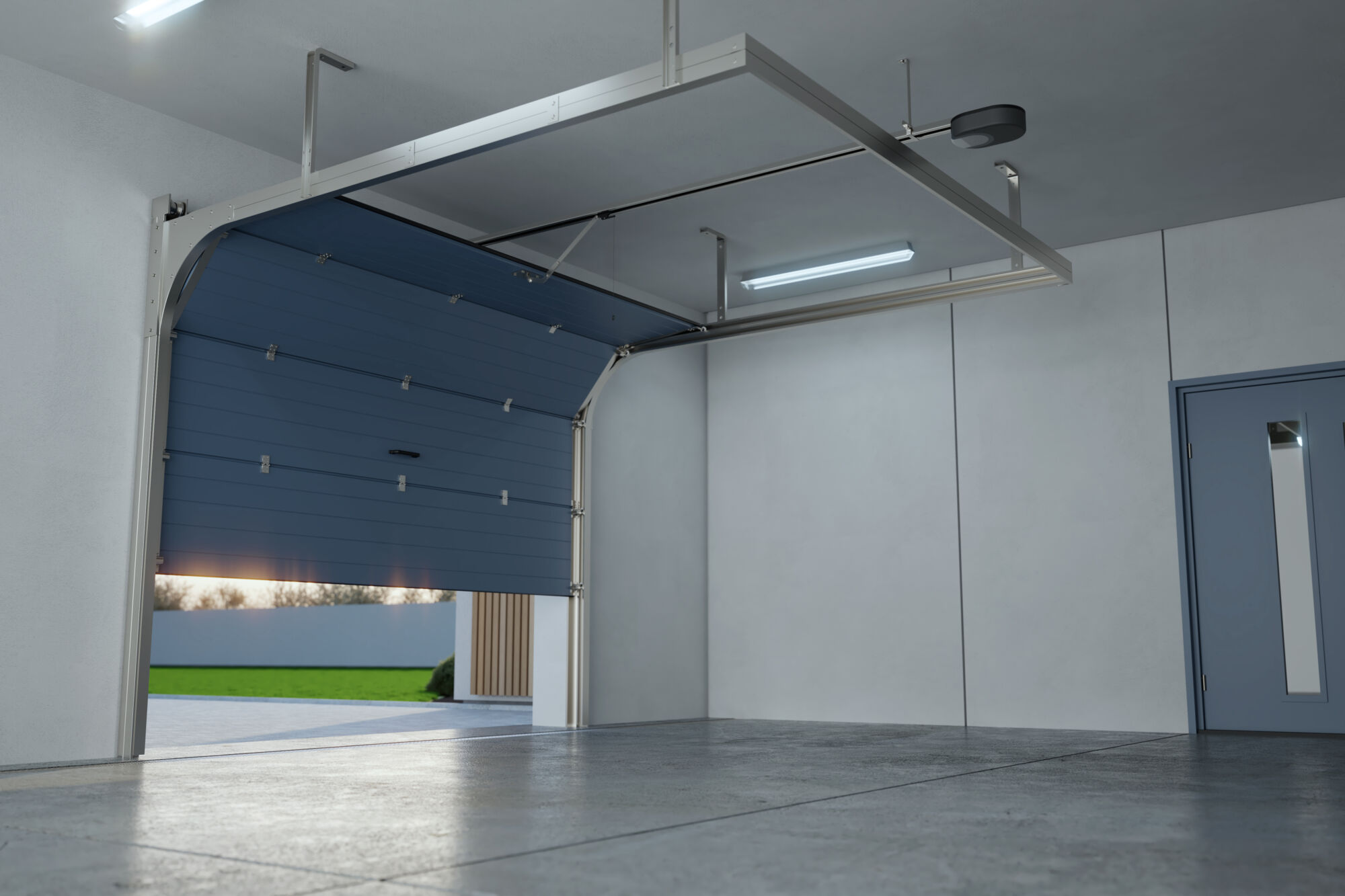
Educational institutions do not just use Arrow Tru-Line for teaching; they also utilize these systems for their own infrastructure. Modern school campuses often feature large automotive bays, stadium equipment storage, and maintenance facilities that require heavy-duty overhead doors.
The following table outlines the technical specifications of standard Arrow Tru-Line components commonly found in both educational training labs and school facility maintenance as of 2026:
| Component Type | Material / Grade | Educational Application | Key Feature |
|---|---|---|---|
| Graduated Hinges | 11-ga. to 14-ga. Galvanized Steel | Teaching numbered sequence installation | Embossed numbers for easy identification |
| Precision Rollers | Nylon with Sealed Ball Bearings | Demonstrating friction reduction | 100,000+ cycle rating for high-use labs |
| Vertical Tracks | .051 to .096 Steel | Alignment and plumbing exercises | Hemmed edges for increased safety/rigidity |
| Bearing Plates | Heavy-duty 10-ga. Steel | Torsion spring assembly training | Precision-stamped for perfect shaft alignment |
| Cable Drums | Die-cast Aluminum | Lifting mechanics and cable tension | Color-coded for left/right side identification |
Operational Benefits for Modern School Infrastructure
Beyond the classroom, facility managers in 2026 prioritize Arrow Tru-Line for school building maintenance due to the "Total Cost of Ownership" (TCO) model. Schools are high-traffic environments where equipment is often handled roughly. Standard residential-grade hardware fails quickly in a school maintenance bay, leading to expensive emergency repairs and safety hazards.
Arrow Tru-Line’s commercial-grade hardware offers a higher "cycle life." For example, a school’s bus garage door might open and close 20 times a day. Using ATL’s high-cycle rollers and reinforced tracks ensures that the door remains operational for decades rather than years. This durability is a critical component of "Green School" initiatives, as it reduces the waste associated with frequent hardware replacement and improves the energy efficiency of the building envelope by ensuring doors seal tightly every time they close.
Cost Considerations and Procurement for Educational Institutions
Procuring high-quality hardware like Arrow Tru-Line requires a strategic approach to budgeting. In 2026, many educational institutions leverage state and federal grants—such as Perkins V funding in the United States—to outfit their technical labs.
- Bulk Purchasing and Kits: Most vocational programs do not buy individual hinges. Instead, they procure "Lab Kits" that include a full suite of ATL hardware for a 7x7 or 8x7 training door. Bulk procurement reduces the per-unit cost by 15-20%.
- Standardization: By standardizing on one brand, school districts can minimize their "attic stock" (spare parts). Since ATL parts are often interchangeable across various door brands, the school’s maintenance department can use the same inventory for both the training lab and the facility's actual doors.
- Durability Savings: While a 14-gauge ATL hinge may cost more upfront than a 16-gauge "no-name" alternative, the replacement frequency is significantly lower. Educators report that ATL hardware lasts 3-4 times longer in a student environment, representing a 60% long-term cost saving.
Common Implementation Mistakes in Technical Labs
When integrating Arrow Tru-Line systems into a modern education curriculum, several common pitfalls can hinder the learning process:
- Mixing Hardware Grades: Using a heavy-duty ATL track with low-quality, unbranded rollers. This creates an imbalance that makes it difficult for students to learn how a "perfect" system should feel.
- Ignoring Lubrication Protocols: Even high-quality nylon rollers from ATL require proper maintenance. Instructors sometimes neglect to teach the chemistry of lubrication, leading to hardware degradation that is often unfairly blamed on the manufacturer.
- Over-tightening Fasteners: Students often use impact drivers to secure hinges to training doors. Without proper instruction on torque settings, they can strip the wood or metal of the training buck, even if the ATL hinge itself remains intact.
- Outdated Manuals: Technology in the door industry evolves. Using 2026-grade ATL hardware with instructional manuals from 2015 can lead to confusion regarding safety clearances and spring tensioning.
Frequently Asked Questions
Why is Arrow Tru-Line preferred over generic hardware in vocational schools?
Arrow Tru-Line is preferred because of its consistency and durability. In a learning environment, variables must be controlled. If a student is struggling with a door alignment, the instructor needs to be certain the hardware is square and manufactured to spec. Generic hardware often has slight variances that make it difficult for beginners to troubleshoot their own work effectively.
Can Arrow Tru-Line hardware be used for STEM engineering projects?
Yes. Beyond vocational training, ATL components are frequently used in STEM (Science, Technology, Engineering, and Mathematics) projects to demonstrate mechanical advantage, pulley systems, and structural loading. The precision of ATL’s stamping allows engineering students to perform accurate calculations on stress points and load distribution.
How does using industry-standard hardware like ATL affect student employability?
Employers in the garage door and access systems industry look for technicians who are "bench-ready." If a student has spent two years working specifically with Arrow Tru-Line hardware, they are already familiar with the parts, terminology, and installation nuances used by the majority of professional installation companies. This reduces the need for on-the-job training.
Is Arrow Tru-Line hardware compatible with modern "Smart Garage" educational modules?
Absolutely. As of 2026, modern education includes the integration of IoT (Internet of Things) sensors and smart openers. Arrow Tru-Line’s heavy-duty brackets and tracks provide the stable platform necessary for mounting the high-precision sensors and rail systems required by smart technology.
Where can educational institutions verify the load ratings of ATL parts?
Facility managers and educators should consult the official Arrow Tru-Line technical data sheets or the DASMA technical manuals. These documents provide the definitive wind load, tensile strength, and cycle-life ratings required for architectural compliance and safety-conscious curriculum design.
Practical Recommendation for Educators
For institutions looking to upgrade their technical labs in 2026, the first step is to perform a hardware audit. Identify any "light-duty" or unbranded hinges and rollers that are showing signs of wear. Replace these with Arrow Tru-Line 14-gauge residential or 11-gauge commercial hardware to provide students with a professional-grade experience. Furthermore, educators should reach out to local professional installers to align their training hardware with the specific ATL product lines most commonly used in their regional market, ensuring the highest possible level of student career readiness.