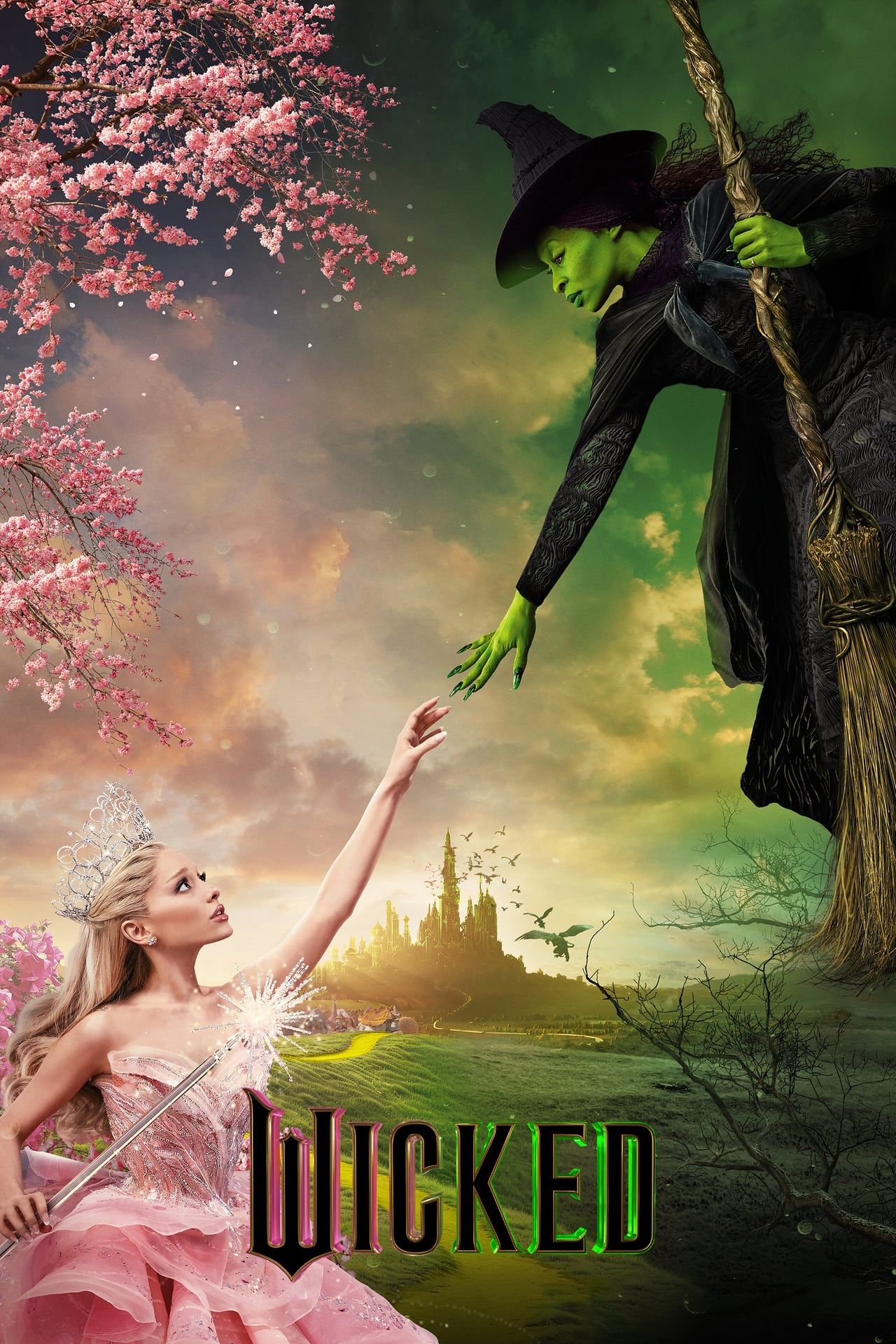
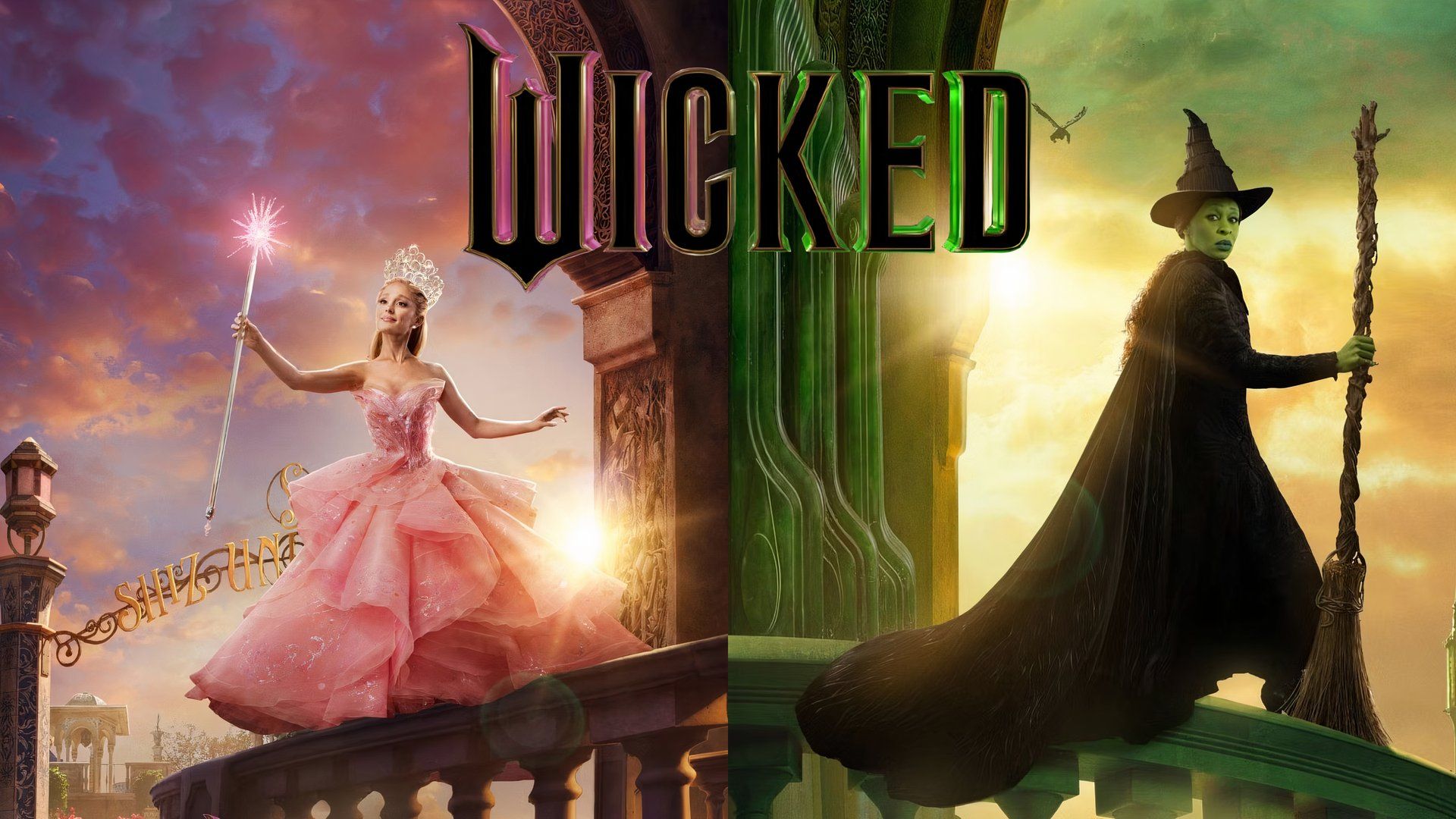
Ariana Grande’s casting as Glinda the Good in the film adaptation of Wicked was the culmination of a decade-long professional aspiration, marked by an extensive, high-stakes audition process. Despite her established status as a global pop icon, Grande underwent a rigorous series of auditions and chemistry reads, demonstrating the dedication required to secure a lead role in a major studio musical production.
The Significance of the Role of Glinda
For Ariana Grande, the role of Glinda in Wicked was not merely another acting opportunity; it was a career-long ambition. Grande has been a public fan of the Wicked musical since her childhood, often citing the show as a primary inspiration for her interest in musical theater. In the years preceding the formal casting process, she frequently performed songs from the show, including a notable televised performance of "The Wizard and I" for the 15th-anniversary special of the musical.
When director Jon M. Chu announced the film adaptation, the casting of the two leads—Elphaba and Glinda—was subjected to intense industry and fan scrutiny. The role of Glinda requires a performer capable of balancing comedic timing, high-level vocal proficiency, and a dramatic arc that transitions from superficial popularity to profound emotional depth. The audition process was designed to ensure that the chosen actress could not only handle the technical demands of the score but also integrate seamlessly with the production’s vision for the character’s evolution.
The Audition and Casting Timeline
The casting process for Wicked was notoriously private and exhaustive, occurring over several months during 2021. While many high-profile stars were rumored to be in contention, the producers focused on finding a specific chemistry between the leads.
For Grande, the process involved:
- Initial Submissions: Like many other professional actors, Grande submitted audition materials that showcased both her acting range and her vocal aptitude for the specific arrangements of Stephen Schwartz’s score.
- Callbacks and Workshops: Successful candidates were invited to participate in multiple callback sessions. These sessions were focused on evaluating how the actors navigated the complex character dynamics between Elphaba and Glinda.
- Chemistry Reads: A critical component of the casting involved chemistry reads with potential Elphaba candidates. The production team sought an authentic, multifaceted connection between the two leads to anchor the film’s central narrative.
- Final Selection: In November 2021, the casting of Ariana Grande and Cynthia Erivo was officially announced, confirming that the rigorous vetting process had identified them as the definitive pair to lead the franchise.
Technical and Performance Prerequisites
Securing the role of Glinda required more than celebrity status; it required adherence to the rigorous standards of modern big-budget film-musical production. The role demands significant technical versatility.
Vocal Requirements
The score of Wicked is famously taxing. The performer cast as Glinda must maintain a consistent vocal quality that satisfies both the traditional musical theater style and the specific stylistic choices of the film’s musical director. Grande’s vocal training, which spans multiple octaves and incorporates complex melisma, had to be adapted to fit the specific character voice of Glinda, moving away from her established pop persona to embody the theatrical requirements of the role.
Acting and Movement
Beyond the music, the acting requirements included mastery of comedic timing and physical performance. Glinda is a character defined by her outward persona and her internal vulnerability. The casting team looked for an actor who could command the screen in large-scale musical numbers while remaining grounded in the intimate moments of the film's script.
| Requirement Area | Skill Necessary for Glinda | Evaluation Criteria |
|---|---|---|
| Vocal | Range and Projection | Pitch accuracy, resonance, character nuance |
| Acting | Comedic and Dramatic Timing | Ability to shift from humor to gravitas |
| Physicality | Choreographed Movement | Stamina during musical performance segments |
| Chemistry | Collaborative Performance | Compatibility with the co-lead (Elphaba) |
The Role of Director Jon M. Chu
Director Jon M. Chu played a pivotal role in shaping the audition process. Known for his work on In the Heights and Crazy Rich Asians, Chu emphasized the need for authenticity and vulnerability. He has noted in various interviews that the casting was not based on who was the "biggest" star, but rather on who best captured the essence of the characters as written for the screen.
The audition process under Chu’s leadership was characterized by a focus on "truth." For the role of Glinda, this meant stripping away the pop-star artifice to find the core of the character. Grande has credited this process with pushing her to refine her craft, noting that the audition was the most challenging and rewarding professional test she had faced in her career.
Navigating the Audition Process: Common Challenges
Professional actors auditioning for high-profile film adaptations face several common hurdles that were evident during the Wicked casting cycle:
- Balancing Public Expectation: A primary challenge for established celebrities is overcoming the public’s preconceived notions of their ability. Grande had to demonstrate that her pop background would not detract from her performance as a theatrical character.
- The Chemistry Factor: No matter how strong an individual audition is, the final decision rests on how two people interact on screen. Many talented actors are passed over not due to a lack of skill, but because the "vibe" between leads does not align with the director's vision.
- Vocal Adaptation: Moving from a recording studio environment to a film set requires a shift in how vocal performances are delivered. Auditions often include tests to ensure the actor can handle "live-to-set" singing, which requires immense stamina and technical control.
Comparison: Stage vs. Screen Casting
The audition for the film version of Wicked differed significantly from the original stage casting, which historically prioritized established Broadway performers.
- Scope: Film casting considers "star power" as a market factor, but the audition process itself is significantly more fragmented, involving digital submissions, multiple studio head meetings, and screen tests that are not typical for stage auditions.
- Technical Integration: Whereas stage performers audition for their ability to project to the back of a theater, screen auditions focus on the "intimacy" of the performance, testing how well the actor's expressions and subtle vocal choices translate through a high-definition lens.
Frequently Asked Questions
Did Ariana Grande receive special treatment during the audition process? There is no evidence to suggest special treatment. Production officials, including director Jon M. Chu, have emphasized that all candidates, regardless of their prior fame, were put through the same rigorous, multi-stage audition and chemistry read process to ensure the right fit for the film’s narrative.
What was the most difficult part of the audition for Glinda? Industry reports suggest that the chemistry reads were the most challenging aspect. Finding an actor who could match the specific energy required for the Glinda/Elphaba relationship—the "Galinda" transformation and the eventual emotional stakes—was the primary goal of the final stages of the process.
How did Grande's background influence her performance? Grande’s extensive history with the source material and her experience as a live performer allowed her to understand the character’s motivation deeply. Her background helped her navigate the vocal demands of the role, though she was required to adapt her technique to suit the film's specific musical direction.
Were there other contenders for the role of Glinda? Yes. As is standard for high-profile film projects, a wide range of established actresses and Broadway performers auditioned or were considered. However, the specific identity of other candidates remains protected by studio confidentiality agreements.
How long did the audition process take? The casting process for the lead roles in the Wicked film was a multi-month operation that concluded in late 2021, beginning with initial submissions and proceeding through several rounds of callbacks and intensive chemistry sessions.
Recommendation for Aspiring Performers
For those seeking to understand the professional standard of major film-musical casting, the primary takeaway from the Wicked process is the necessity of preparation. Grande’s success was not a matter of luck but a result of long-term development of her vocal and acting skills, combined with a deep, demonstrable commitment to the specific source material. Aspiring actors should focus on building a versatile portfolio that showcases their ability to adapt to different styles and the technical discipline required for high-stakes, professional-grade performances.