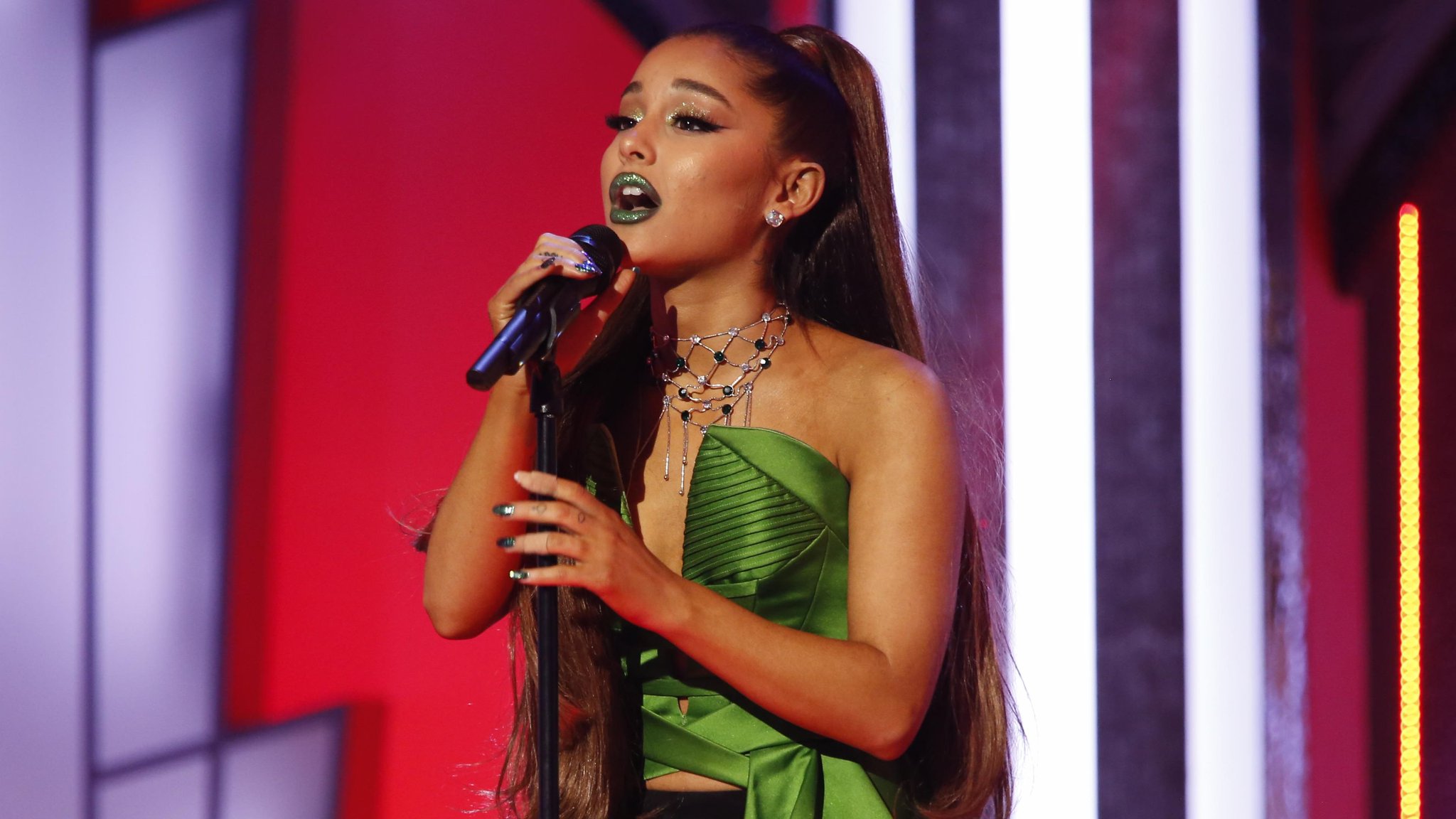
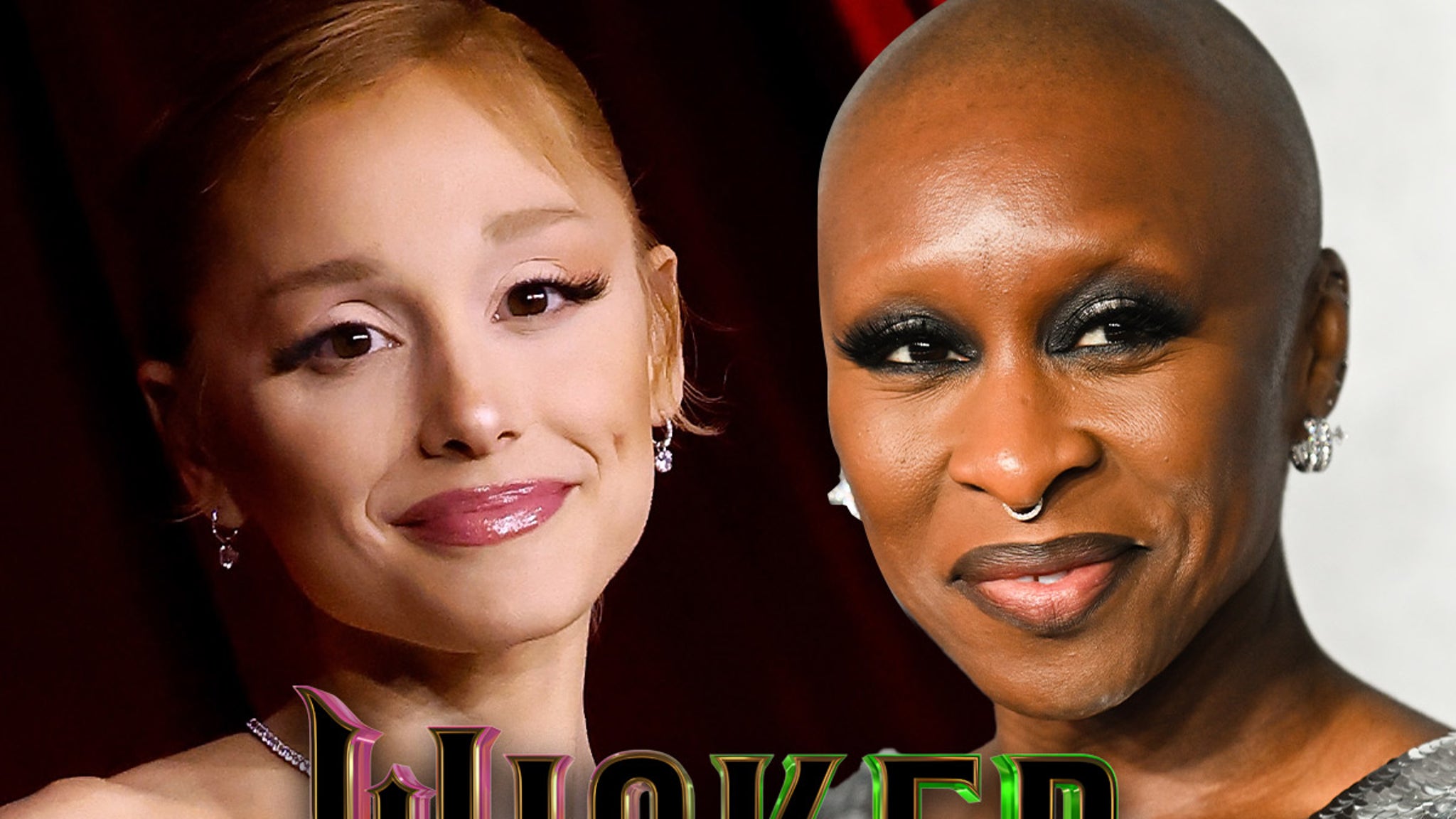
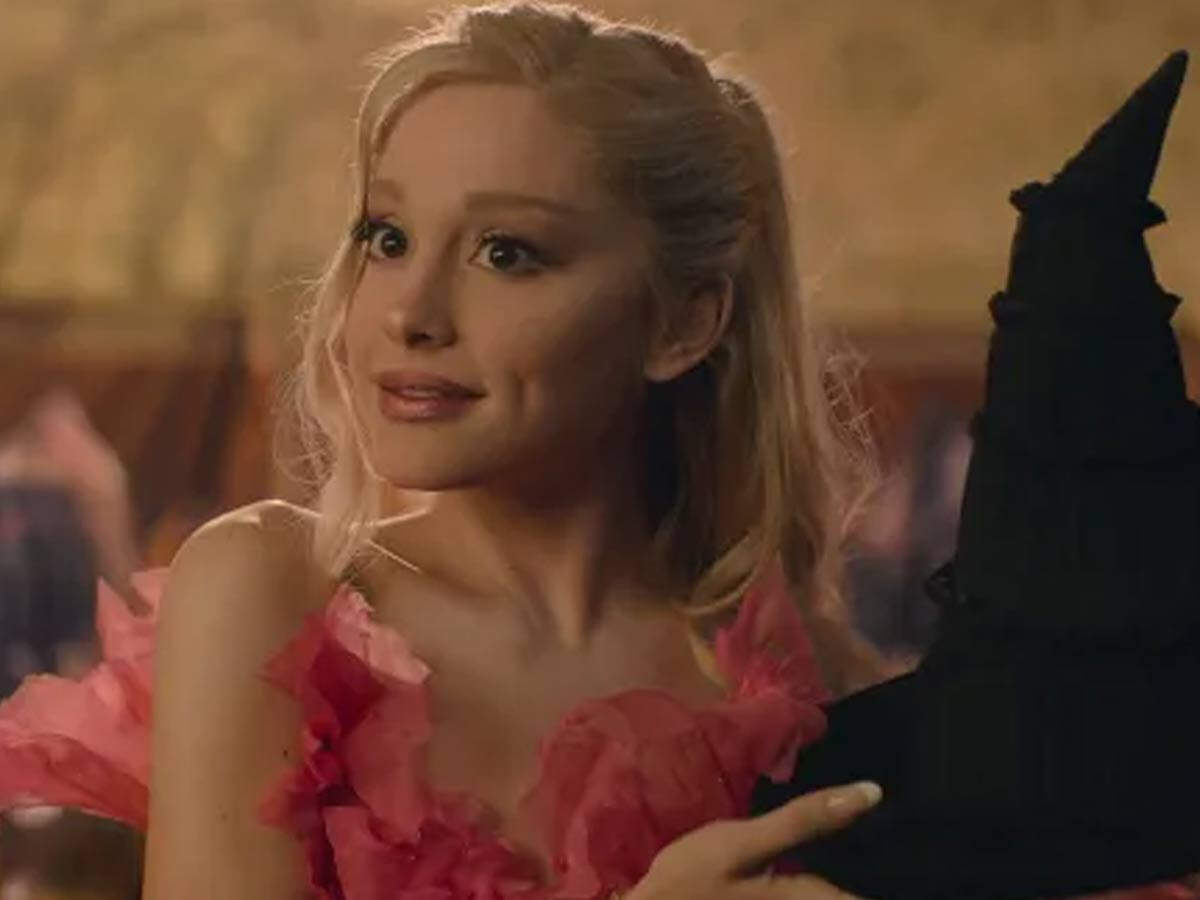
Yes, Ariana Grande sang completely live on set for her role as Glinda in director Jon M. Chu's film adaptation of Wicked, rather than relying on pre-recorded lip-syncing tracks. To perform composer Stephen Schwartz's classical musical theater score, Grande underwent extensive vocal retraining, shifting her technique from pop mix belting to an operatic legit soprano register while executing physical choreography live during filming.
The Decision to Record Live Vocals in the Wicked Film
In traditional movie musicals, actors record their vocal tracks months in advance inside an isolated recording studio. During production, those studio recordings are played back over loudspeakers on set while the actors lip-sync to match the audio. For the two-part cinematic adaptation of Wicked, director Jon M. Chu and the music department—led by Stephen Schwartz, music supervisor Stephen Oremus, and executive music producer Harvey Mason Jr.—abandoned this standard production pipeline.
The production team mandated that lead actors Ariana Grande (Glinda) and Cynthia Erivo (Elphaba) sing their vocal lines live on the film set during principal photography. The decision stemmed from a desire to capture real-time emotional resonance, organic physical breathing, and realistic dialogue-to-song transitions that pre-recorded studio tracks often fail to convey.
- Dialogue on Set
- Live Breath & Vocal Pitch
- Hidden Microphones & In-Ear Monitors
- Final Orchestral Mix
Technical Setup: Microphones, In-Ear Monitors, and Set Acoustics
Executing live vocal recording on large-scale film sets presented significant audio engineering challenges. Production sound mixer Simon Hayes and his team designed specialized sound-capturing systems to ensure studio-grade vocal fidelity amidst moving camera rigs, mechanical props, and practical set designs:
- Custom In-Ear Monitoring: Ariana Grande and Cynthia Erivo wore skin-toned, ultra-discreet earpieces (in-ear monitors) that played piano or orchestral click tracks directly to them. This allowed the actors to stay in precise tempo and key without playing audible music over set speakers.
- Concealed Transmitter Microphones: High-definition lavalier microphones were integrated directly into Glinda’s elaborate period costumes, wigs, and headpieces. Microphones were placed strategically near the forehead or hairline to avoid clothing rustle during fast movement.
- Acoustically Treated Sets: Massively scaled sets—such as the Shiz University quad, the Emerald City train, and the Ozdust Ballroom—were insulated with acoustic baffles to minimize sound reflections, echo, and background mechanical noise.
- Orchestral Tracking: While the vocal tracks were captured 100% live on camera, full orchestral accompaniments were recorded separately in world-class scoring studios by full symphonic orchestras, then mixed under the live vocal tracks during post-production.
This live audio strategy allowed Grande to alter her vocal phrasing dynamically based on her acting partner's performance, physical stamina, or scene pacing, giving her musical delivery a grounded, immediate quality.
Ariana Grande’s Vocal Transformation: Pop Icon to Operatic Soprano
When Ariana Grande was cast as Galinda Upland (later Glinda the Good), many public observers questioned whether a contemporary pop artist famous for breathy phrasing, R&B riffs, and whistle registers could navigate a classical legit soprano Broadway score. The original Broadway role, immortalized by Kristin Chenoweth, requires a bright operatic head voice, precise vocal agility, and sustained notes above high C (C6).
To meet these artistic demands, Grande paused her commercial pop career and dedicated over two years to daily vocal conditioning, working alongside renowned vocal coach Eric Vetro and classical instructors.
| Pop Career Technique | Glinda Operatic Technique |
|---|---|
| Chest-dominant mix belt | Operatic legit head voice |
| Conversational, breathy diction | Crisp, classical lyric diction |
| Stylized pentatonic vocal runs | Precise classical coloratura runs |
| Heavy reliance on microphone proximity | Acoustic resonance & high placement |
Shifting Placement: From Pop Mix to Legit Head Voice
In her pop discography (Positions, Thank U, Next, Sweetener), Grande primarily utilizes a chest-dominant mix, heavy vocal fry for intimacy, and rapid, R&B-influenced vocal embellishments. However, Glinda’s music in Wicked is written in the traditional musical theater soprano canon, requiring a fundamentally different vocal mechanism:
- Laryngeal Position and Pharyngeal Space: Grande learned to maintain a lowered, relaxed larynx while expanding the space in the back of the throat (pharynx), creating the warm, resonant acoustic chamber needed for operatic projection.
- Appoggio Breath Support: Classical singing relies on deep intercostal and diaphragmatic breath management. Grande trained to build sustained subglottic air pressure, allowing her to hold extended operatic notes without strain.
- Vocal Registration Shift: Instead of pushing her chest voice upward to hit high notes, Grande transitioned into a pure, ringing legit head voice, allowing her to articulate lyrics clearly in her upper octave without sounding pop-influenced or nasal.
- Diction and Articulation: Classical theater requires crisp, standardized theatrical diction so every lyric is intelligible to a live audience. Grande adjusted her enunciation, moving away from pop vowel modification toward elongated, open classical vowels.
Grande also adopted a modified speaking register during her years in production, lifting her everyday vocal resonance higher into her facial mask to preserve muscle memory and prevent strain on her vocal folds during demanding 12-hour shooting schedules.
Track-by-Track Vocal Analysis of Ariana Grande’s Performance
Stephen Schwartz’s score for Wicked spans a wide emotional and technical range. Ariana Grande’s musical contributions demand distinct vocal adjustments across the soundtrack.
- Glinda's Vocal Demands in Wicked
- "No One Mourns the Wicked": Operatic High Soprano (F5 - F6)
- "What Is This Feeling?": Rhythmic Contrapuntal Duet Dynamics
- "Popular": Vocal Comedy, Physicality & Belt/Head Swings
- "One Short Day": Bright Ensemble Belting & Harmonization
1. "No One Mourns the Wicked"
As the opening number of the musical, "No One Mourns the Wicked" demands immediate operatic authority. Descending from the sky in her bubble, Glinda addresses the citizens of Oz in a high soprano register.
- Vocal Technique: Pure classical coloratura singing. Grande executes soaring high notes, reaching sustained high F (F5 and above) with a clean, ringing vibrato.
- Execution: Singing live while suspended high in the air on harness rigs required immense core stability to maintain consistent breath support without letting the harness compress her lungs.
2. "Popular"
"Popular" is Glinda’s flagship solo piece, relying heavily on character acting, comic timing, and active physical staging.
- Vocal Technique: A blend of light legit head voice, bright speech-level placement, and dramatic vocal flips.
- Execution: Grande performed the entire song live while running around set, jumping across beds, tumbling, and performing physical comedy routines. Her breath control remained steady, demonstrating how thoroughly her vocal conditioning had integrated into her physical muscle memory.
3. "What Is This Feeling?"
This duettist piece showcases the initial friction between Galinda and Elphaba at Shiz University.
- Vocal Technique: Contrapuntal harmony work requiring tight rhythmic precision. Grande alternates between sharp, percussive vocal attacks and soaring counter-melodies that cross directly over Cynthia Erivo’s chest-belted lower register.
- Execution: Because both singers recorded their vocals live in the same space, their vocal timings aligned organically, giving the comedic back-and-forth argument an authentic, instantaneous energy.
4. "One Short Day"
Set in the vibrant metropolis of the Emerald City, this high-energy duet features bright, celebratory vocals.
- Vocal Technique: A transition from legit soprano into a brighter, contemporary Broadway mix. Grande matches the brassy, grand orchestration while maintaining harmonized upper thirds alongside Erivo.
- Execution: The live audio captures the physical excitement of two characters taking in the city, with natural giggles and gasps woven directly into the musical phrasing.
5. "Thank Goodness" and "For Good" (Part Two Highlights)
In the second installment of the film adaptation, Glinda’s music shifts toward deeper dramatic maturity.
- "Thank Goodness": Demands complex dramatic acting embedded within demanding vocal runs. Glinda must project public joy while secretly feeling profound grief, requiring nuanced vocal dynamics that soften during reflective moments and swell during public proclamations.
- "For Good": The emotional climax of the story. A reflective vocal duet built on tender tone control, subtle chest-head mix blends, and intimate vocal dynamics designed to highlight the emotional bond between the two lead characters.
Comparison: Ariana Grande's Pop Vocal Style vs. Wicked Glinda Technique
To understand the scope of Ariana Grande's vocal adaptation for Wicked, it is helpful to compare her established commercial pop vocal profile with her performance as Glinda.
| Performance Element | Commercial Pop Profile (Positions, Eternal Sunshine) | Glinda Performance (Wicked Adaptation) |
|---|---|---|
| Primary Vocal Register | Chest mix, light head voice, whistle register | Classical legit soprano head voice, upper coloratura |
| Vocal Placement | Soft, breathy, forward facial mask | Lifted pharyngeal space, high acoustic arch |
| Vibrato Usage | Minimal, straight-tone with end-phrase vibrato | Consistent, continuous, operatic vibrato |
| Diction & Enunciation | Stylized, relaxed pop vowel modifications | Crisp, articulated classical lyric diction |
| Recording Environment | Studio vocal booths with close proximity mics | Open sets using concealed lavaliers & live audio feeds |
| Performance Context | Pre-recorded, multi-tracked, studio-processed | Live multi-take physical acting & live set audio |
Critical and Industry Reception
Ariana Grande’s commitment to live singing and vocal re-education received broad acclaim from vocal coaches, theater professionals, and music critics upon the film's release.
Industry Evaluation
- Theater Critics: Praised vocal authenticity & legit soprano technique
- Vocal Coaches: Highlighted seamless laryngeal stability & breath control
- Sound Engineers: Celebrated high-fidelity live audio capture on set
Vocal Pedagogy Perspective: Vocal coaches widely analyzed Grande's performance online and in industry publications, praising her ability to eliminate pop vocal habits—such as glottal stops and heavy chest-voice dragging—in favor of a balanced, healthy operatic mechanism.
Theatrical Community Acceptance: Skepticism from musical theater purists largely vanished once live onset footage and official audio tracks revealed Grande performing Stephen Schwartz's original high keys without transposing notes downward.
Film Sound Recognition: Sound department staff and music producers underscored that recording vocals live elevated the film's emotional weight, bridging the gap between stage theater and cinematic realism.
Frequently Asked Questions
Did Ariana Grande lip-sync or sing live while filming Wicked?
Ariana Grande sang completely live on set during the filming of Wicked. Director Jon M. Chu and the music department used concealed micro-microphones and wireless in-ear monitors playing orchestral backing tracks so that Grande and co-star Cynthia Erivo could perform all of their vocal tracks in real time during physical acting.
What vocal range does Ariana Grande showcase as Glinda?
As Glinda, Ariana Grande operates predominantly as a classical lyric soprano. Her vocal range in the film spans from approximately C4 (middle C) in lower conversational musical passages up to high F6 in her coloratura operatic flourishes, particularly during "No One Mourns the Wicked."
Did Ariana Grande change her speaking voice for her role in Wicked?
Yes. To maintain the vocal placement required for Glinda's upper-register operatic singing and protect her vocal cords during lengthy production days, Grande consciously raised her everyday speaking pitch and altered her vocal resonance. She maintained this lighter, higher speaking placement throughout the filming process.
Did Ariana Grande lower the original Broadway keys for her songs?
No. Ariana Grande performed Glinda’s songs in their original, un-transposed Broadway keys as written by composer Stephen Schwartz. This included hitting the iconic operatic high notes originally arranged for Kristin Chenoweth in the 2003 Broadway production.
Who coached Ariana Grande for her vocal transformation in Wicked?
Ariana Grande worked extensively with famed vocal coach Eric Vetro alongside classical opera instructors for over two years. Her training focused on appoggio breath support, laryngeal posture, classical lyric enunciation, and building stamina for live physical performances.
Practical Takeaways for Fans and Vocal Enthusiasts
For musicians, singers, and theater enthusiasts studying Ariana Grande’s work in Wicked, her performance serves as a practical masterclass in cross-genre vocal agility:
- Analyze the Vocal Placement: Listen closely to the cast album with high-fidelity headphones. Compare Grande's open, ringing vowels in "No One Mourns the Wicked" to her commercial tracks to hear how pharyngeal space changes tone quality.
- Observe Staging and Breath Control: Watch her performance of "Popular" specifically to analyze how she manages diaphragmatic breath support while performing continuous physical comedy and choreography.
- Appreciate Live Audio Craftsmanship: Pay attention to the subtle background sounds—soft breaths, dynamic shifts, and seamless transitions from spoken dialogue to singing—that demonstrate the authenticity of live set recordings over studio polish.