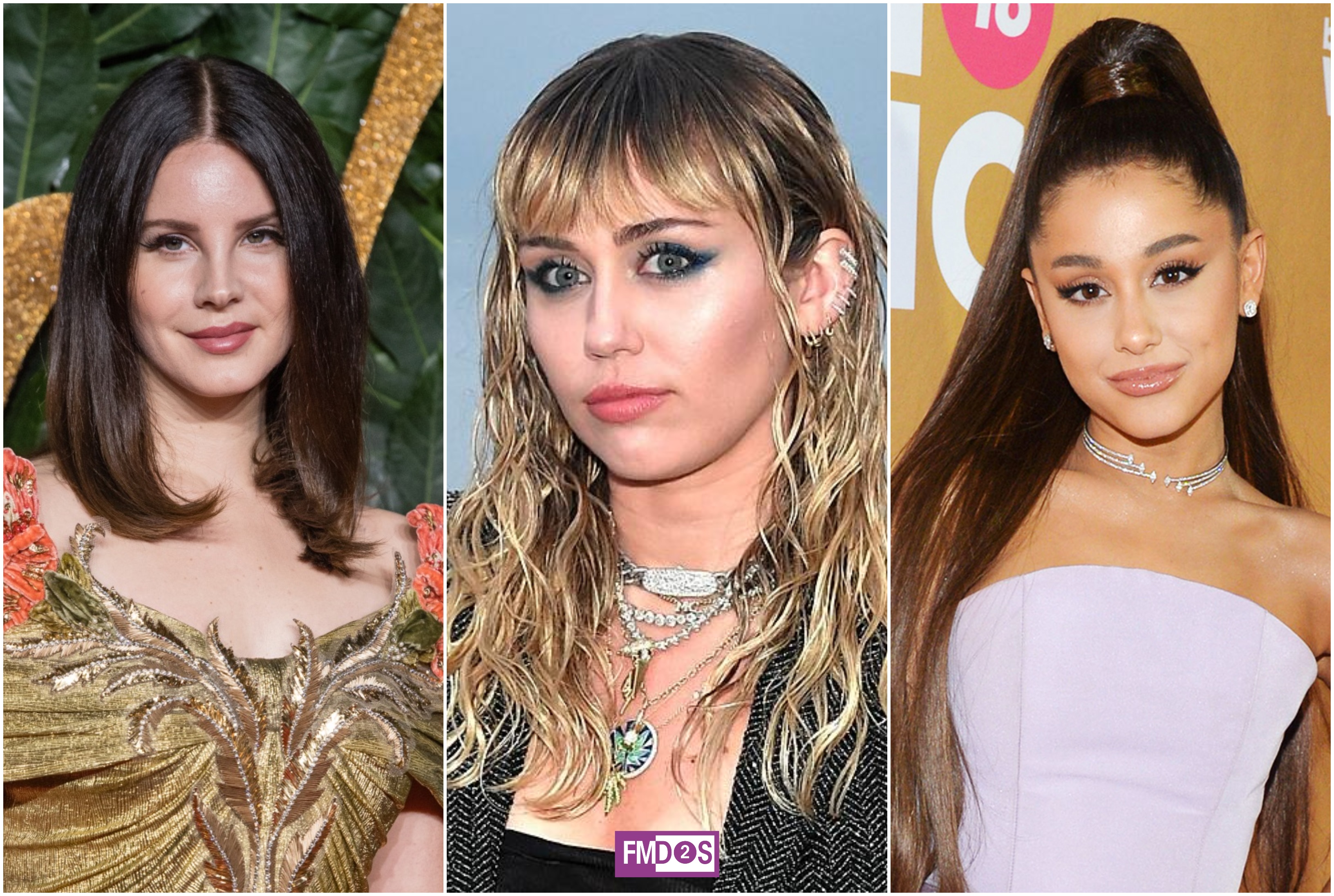
The rise of pop rocker hybrids reflects a profound industry shift where mainstream pop powerhouses integrate live rock instrumentation, alternative songwriting aesthetics, and gritty vocal delivery into commercial music. Spearheaded by artists like Miley Cyrus, Lana Del Rey, and Ariana Grande, this evolution dismantled rigid genre boundaries, revitalizing rock elements for modern, streaming-era audiences.
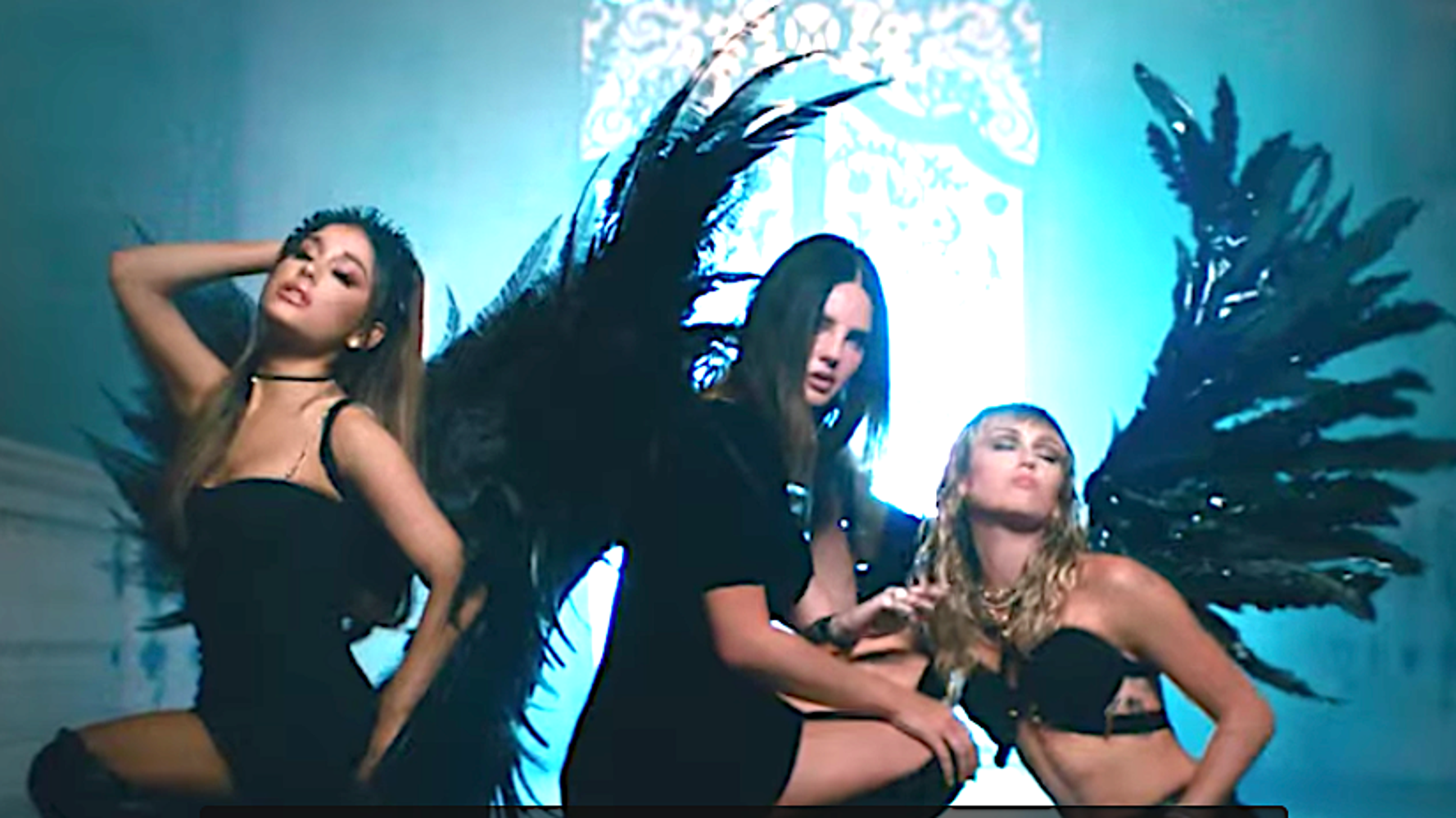
Pop music has continuously absorbed outside influences to stay culturally vital, but the 2020s accelerated a specific convergence: the integration of classic rock, grunge, Laurel Canyon folk, and punk textures into mainstream pop frameworks. While these three artists famously joined forces on the 2019 soundtrack collaboration "Don't Call Me Angel," their subsequent individual trajectories illustrate how diverse the modern pop-rock spectrum has become. From Cyrus’s full-throttle arena rock to Del Rey’s cinematic, vintage rock poetry, and Grande’s live arrangements blending organic rhythm sections with pristine vocal production, these artists have redefined what it means to be an authentic modern pop star.
The Catalysts of Genre Blending: Beyond "Don't Call Me Angel"
In late 2019, the soundtrack single "Don't Call Me Angel" brought Ariana Grande, Miley Cyrus, and Lana Del Rey into a single sonic space. While the track was engineered primarily as sleek pop fodder for the Charlie's Angels reboot, the stark stylistic tension between the three vocalists exposed an emerging truth: the monoculture of 2010s EDM-pop and trap-dominated production had hit a saturation point. Audiences and artists alike craved dynamic acoustic instruments, distorted guitars, analog percussion, and raw, emotive performances.
This shift was not merely aesthetic; it was driven by a broader change in music consumption habits. Streaming algorithms flattened historical eras, allowing Gen Z and millennial listeners to discover 1970s soft rock, 1980s post-punk, and 1990s riot grrrl alongside modern charting hits. As listeners moved away from rigid genre loyalty, legacy pop acts realized they had the artistic freedom to abandon formulaic synth presets in favor of fuzz pedals, live drum tracking, and unrestrained vocal friction.
The subsequent years revealed three entirely different blueprints for navigating this landscape:
- The Arena Rocker: Leaning directly into glam, punk, and hard rock lineage.
- The Folk-Rock Auteur: Channeling Laurel Canyon, psychedelic rock, and vintage California melancholy.
- The Vocal Polymath: Blending R&B foundations with rock-infused live arrangements, organic basslines, and sweeping arrangements.
Miley Cyrus: Reclaiming the Lineage of Classic and Glam Rock
Among major 2010s pop stars, Miley Cyrus executed the most uncompromising pivot into rock and roll. Cyrus’s natural vocal timbre—characterized by a low, gravelly register, pronounced fry, and powerful chest-voice projection—had long strained against the narrow boundaries of bubblegum pop and manufactured teen ballads.
- Country/Pop Roots
- Trap/Pop Experimentation
- Arena Glam Rock ("Plastic Hearts")
- Modern Organic Pop
The Tipping Point: Live Covers and Raw Vocal Power
Cyrus’s transformation gained irresistible momentum through a series of viral live performances. Her interpretations of Blondie’s "Heart of Glass" at the 2020 iHeartRadio Music Festival and The Cranberries’ "Zombie" at the Save Our Stages Fest demonstrated an authentic command of rock vocal dynamics. Cyrus did not soften the edges of these classics; she attacked them with genuine raspy vibrato and aggressive phrasing, convincing skeptical rock purists that her rock lineage was real.
Plastic Hearts and Legendary Collaborations
Released in late 2020, Plastic Hearts codified Cyrus as a genuine pop-rock hybrid artist. Produced largely by Andrew Watt and Louis Bell, the record replaced synthesized trap loops with driving synthesizers, overdriven guitars, and thunderous, unquantized drum fills.
More importantly, Cyrus sought validation and artistic kinship from foundational rock figures:
- Joan Jett: Collaborating on "Bad Karma," combining punk swagger with surf-rock guitar licks.
- Billy Idol: Duetting on "Night Crawling," which drew directly from 1980s post-punk and new wave textures.
- Stevie Nicks: Joining Cyrus on "Edge of Midnight," a mashup of Cyrus's "Midnight Sky" and Nicks's classic "Edge of Seventeen."
By embedding herself alongside female rock pioneers, Cyrus positioned her pop stardom as part of a continuous, rebellious continuum rather than an opportunistic genre experiment. Her subsequent work, including Endless Summer Vacation, maintained this organic musical backbone, proving that her rock instincts had permanently transformed her artistic identity.
Lana Del Rey: Architectural Revival of Laurel Canyon and Desert Rock
While Cyrus brought the volume and theatrical grit of arena rock, Lana Del Rey pioneered a subtle, devastatingly influential strain of pop-rock hybridity. Since her 2012 debut Born to Die, Del Rey’s music challenged modern pop production by emphasizing cinematic strings and vintage trip-hop. However, her artistic leap into rock arrived when she immersed her sound in the rich traditions of late-1960s and 1970s soft rock and Americana.
Norman Fucking Rockwell! and the Analog Renaissance
Del Rey’s 2019 masterwork, Norman Fucking Rockwell!, created alongside producer Jack Antonoff, remains a modern turning point for organic instrumentation in chart music. Rather than relying on digital processing, the album is driven by:
- Upright and grand piano arrangements played with improvisational warmth.
- Wurlitzers and vintage electric guitars soaked in spring reverb.
- Extended instrumental codas, such as the sprawling psychedelic-rock finale of "Venice Bitch."
This record dismantled the prevailing radio formula that demanded an explosive chorus within thirty seconds. Del Rey proved that atmospheric, slow-burn guitar ballads could dominate streaming charts and critical discourse simultaneously.
The Subversive Power of Melancholy
Del Rey’s impact on the pop-rock hybrid movement lies in her lyrical subversion of American iconography. Songs like "A&W" and "Did You Know That There's a Tunnel Under Ocean Blvd" weave classic rock melodies into experimental, free-form song structures. She introduced a generation raised on synth-pop to the sprawling arrangements of Joni Mitchell, Neil Young, and Fleetwood Mac, making analog guitar textures feel modern, confessional, and culturally essential.
Ariana Grande: Precision Vocals Meet Organic Live Instrumentation
Ariana Grande’s relationship to rock music is distinct from Cyrus’s grit or Del Rey’s vintage folk. Grande remains primarily an R&B-pop vocalist, gifted with a four-octave range and exceptional whistle-register control. Yet, her contributions to the pop-hybrid movement demonstrate how live rock dynamics can transform stadium pop.
Live Performance as an Organic Canvas
Throughout her Sweetener World Tour and subsequent live releases, Grande consistently swapped sequenced backing tracks for a powerhouse live band led by music director Aaron Spears. In these live settings:
- Basslines transition from synthetic 808 subs to heavy, overdriven electric bass guitar.
- Clean guitar riffs are introduced underneath trap beats, creating a hybrid sound that bridges contemporary urban pop and funk-rock.
- Tracks like "Dangerous Woman" feature extended electric guitar solos that evoke classic arena-rock climaxes.
Studio Evolution and Harmonic Complexity
On albums like Positions and Eternal Sunshine, Grande integrated lush, organic strings, live rhythm sections, and classic soul-rock chord progressions. Her vocal arrangements treat multi-tracked harmonies not merely as pop hooks, but with the harmonic depth of 1970s vocal groups. By introducing live instrumentation and progressive chord movements to mainstream radio, Grande proved that modern pop perfectionists do not have to abandon pristine production to capture organic musicality.
Technical and Production Anatomy: The Pop-Rock Blueprint
The pop-rock hybrid movement is defined by deliberate technical and sonic decisions made in the studio. Merging modern pop clarity with the visceral imperfections of rock requires specialized production techniques to maintain punch on digital streaming platforms while preserving instrumental dynamics.
| Classic Pop/EDM Mix | Pop-Rock Hybrid Mix |
|---|---|
| Heavily Quantized MIDI | Live/Hybrid Drum Kits |
| Sidechained Sub-Bass | Overdriven Bass Guitar |
| Pitch-Corrected Vocals | Dynamic Vocal Friction |
| Digital Synth Layers | Analog Guitars & Pianos |
1. Hybrid Drum Production
Traditional rock records rely entirely on room acoustics and live drum kits, whereas modern pop depends on synthesized transient hits designed for phone speakers. Pop-rock hybrids combine both:
- Producers layer an acoustic snare drum recorded with vintage ribbon microphones over a sharp digital sample to retain both punch and organic decay.
- Real cymbals are tracked to provide natural stereo width, while kick drums are reinforced with electronic sub-frequencies.
2. Distortion and Saturation on Vocals
Instead of using aggressive digital tuning software to achieve an unnaturally smooth vocal line, producers working with hybrid artists introduce harmonic saturation. Analog tape machines, tube preamplifiers, and subtle guitar overdrive pedals are applied to vocal tracks to introduce purposeful grit, emphasizing the emotional strain in a performance.
3. Dynamic Range vs. Radio Loudness
Pop music has historically suffered from the "loudness wars," where dynamics are squashed through aggressive brickwall limiting. Hybrid records embrace varying dynamics: verses often sit at low, intimate decibel levels with minimal instrumentation, allowing choruses to explode with wall-of-sound distorted guitars, crash cymbals, and layered backing vocals.
Comparative Analysis: Three Distinct Approaches to Pop-Rock
The table below outlines how Miley Cyrus, Lana Del Rey, and Ariana Grande approach instrumentation, production techniques, and vocal styling within the pop-rock spectrum.
| Dimension | Miley Cyrus | Lana Del Rey | Ariana Grande |
|---|---|---|---|
| Primary Subgenre Influence | 1980s Glam Rock, Post-Punk, Classic Hard Rock | 1970s Laurel Canyon, Soft Rock, Psychedelic Folk | 1990s R&B, Live Arena Pop-Rock, Chamber Soul |
| Key Studio Instrumentation | Overdriven Telecasters, live acoustic drums, analog synths | Wurlitzer, upright acoustic piano, reverb-drenched electric guitars | Multi-tracked vocal stacks, electric bass, live strings, Rhodes piano |
| Vocal Delivery Style | Raspy, chest-heavy, aggressive vibrato, intentional vocal fry | Breathbound, dynamic transitions from head voice to deep contralto | Pristine pitch, complex melisma, high soprano agility, whistle register |
| Notable Collaborators | Andrew Watt, Stevie Nicks, Joan Jett, Billy Idol | Jack Antonoff, Dan Auerbach, Father John Misty | Max Martin, Ilya Salmanzadeh, Tommy Brown |
| Definitive Hybrid Work | Plastic Hearts (2020) | Norman Fucking Rockwell! (2019) | k bye for now (swt live) (2019) / Eternal Sunshine (2024) |
| Live Performance Dynamic | High-energy arena rock swagger, live guitar solos | Intimate, atmospheric, slow-burn band dynamics | High-production pop spectacle supported by live organic rhythm section |
The Wider Cultural Impact: The 2020s Pop-Punk and Rock Resurgence
The work of Cyrus, Del Rey, and Grande laid essential groundwork for a wider industry revival. Once major labels recognized that listeners welcomed organic guitar music, a younger generation of artists pushed pop-rock hybridity into chart-topping territory.
The Pop-Punk Wave: Olivia Rodrigo and Willow
In 2021, Olivia Rodrigo released "Good 4 U," a track that spent weeks at the top of global charts by fusing contemporary bedroom-pop songwriting with explosive 2000s pop-punk and alternative rock. Rodrigo’s debut album, Sour, followed by Guts in 2023, proved that high school angst translated naturally through distorted basslines, crashing cymbals, and raw vocal deliveries. Similarly, Willow Smith transitioned from R&B-pop to hard-hitting pop-punk with albums like Lately I Feel Everything, collaborating with Travis Barker and Avril Lavigne.
Legacy Re-inventions: Demi Lovato and Machine Gun Kelly
Other established pop and hip-hop acts recognized the shift and redirected their sound:
- Demi Lovato: Transitioned toward heavy pop-metal and hard rock on Holy Fvck, re-recording classic pop tracks like "Heart Attack" and "Cool for the Summer" with drop-tuned guitars and heavy percussion.
- Machine Gun Kelly: Transitioned from rap to commercial pop-punk with Tickets to My Downfall, validating rock's resurgence as a viable commercial radio format.
This cross-generational shift confirms that pop-rock hybrids are not a passing gimmick. They represent a fundamental restructuring of commercial music production, ensuring that organic instruments remain central to mainstream pop culture.
Common Misconceptions About Pop-Rock Hybrids
As pop artists venture into rock-leaning aesthetics, critical and public discourse often falls into oversimplified narratives. Understanding the true mechanics of this musical crossover requires dispelling several common myths.
Myth 1: "It Is Simply Nostalgia-Baiting"
Critics frequently dismiss pop-rock hybrids as shallow aesthetic revivals that borrow vintage imagery without substance. However, modern production analyses demonstrate that hybrid artists use contemporary mix engineering, hip-hop-influenced sub-frequencies, and modern vocal layering that sound distinct from legacy rock recordings. Rather than merely cloning the past, these artists combine analog warmth with streaming-era clarity.
Myth 2: "Pop Artists Lack the Vocal Technique for Real Rock"
A persistent rockist bias assumes pop vocalists rely entirely on studio correction and lack the diaphragmatic support required for aggressive rock singing. In reality, artists like Cyrus and Grande possess elite vocal training. Cyrus uses vocal compression and fry safely to avoid vocal-cord damage, while Grande’s precise breath control allows her to project over dense live drum kits and loud electric guitars without losing pitch stability.
Myth 3: "Rock and Pop Were Always Polar Opposites"
Historically, rock and pop were deeply intertwined. The Beatles, Prince, Fleetwood Mac, and Michael Jackson routinely merged heavy guitars with irresistible pop hooks. The rigid division between the genres was largely an invention of radio formatting in the late 1990s and early 2000s. The current hybrid era is not a historical anomaly; it is a return to music's natural state of genre fluidity.
Practical Listening Guide: Tracking the Pop-Rock Evolution
For musicians, producers, and dedicated listeners looking to explore how pop-rock hybrids construct their sound, use this curated listening sequence to observe the evolution:
- The Starting Point (Pop Foundation):
- Listen to Ariana Grande, Miley Cyrus, & Lana Del Rey – "Don't Call Me Angel" (2019).
- What to listen for: Notice the glossy, quantized electronic production and the abrupt shifts in vocal styles that highlight each artist's distinct aesthetic.
- The Classic/Glam Rock Pivot:
- Listen to Miley Cyrus – "Midnight Sky" and "Plastic Hearts" (2020).
- What to listen for: Pay attention to the live snare impact, Stevie Nicks-inspired syncopated basslines, and Cyrus’s raspy vocal delivery.
- The Laurel Canyon Atmospheric Sound:
- Listen to Lana Del Rey – "Venice Bitch" and "Mariners Apartment Complex" (2019).
- What to listen for: Track the progression from soft acoustic picking to a multi-minute, swirling electric guitar solo with analog tape echo.
- The Live Hybrid Adaptation:
- Listen to Ariana Grande – "Dangerous Woman (Live)" from k bye for now (swt live) (2019).
- What to listen for: Contrast the R&B vocal melismas with the overdriven live bass and the extended electric guitar solo in the outro.
- The Next Generation:
- Listen to Olivia Rodrigo – "All-American Bitch" (2023).
- What to listen for: The sharp dynamic contrast between the fingerpicked folk-pop verse and the screaming, post-grunge chorus.
Frequently Asked Questions
What defines a "pop rocker hybrid" in contemporary music?
A pop rocker hybrid is an artist or musical work that integrates traditional rock elements—such as overdriven electric guitars, live drum kits, analog synths, and dynamic, emotive vocal delivery—into modern pop structures and production. These tracks maintain the accessible hooks, structural focus, and vocal prominence of commercial pop while embracing the energy and dynamic range of rock.
Did "Don't Call Me Angel" directly cause this musical shift?
No, the song was not the sole cause, but it served as a key cultural snapshot. The track captured three massive pop figures at a pivotal crossroads just before each took dramatic creative leaps into organic, alternative, and rock-influenced sounds. It highlighted the limitations of formulaic pop production and foreshadowed their pursuit of distinct artistic identities.
How do producers record vocals differently for pop-rock compared to traditional pop?
Traditional commercial pop often prioritizes pristine clarity, heavy pitch-correction, and bright high-end frequencies. In pop-rock hybrid production, producers often introduce harmonic distortion, tape warmth, and slight compression to preserve natural vocal breaks, raspy fry, and dynamic volume shifts, giving the performance a raw, live feel.
Which album is considered the most complete example of this crossover?
Miley Cyrus’s Plastic Hearts (2020) stands as one of the most complete modern studio examples of an unapologetic pop-to-rock transformation. Featuring genuine rock legends like Joan Jett and Billy Idol, the record fully abandoned synthesized trap loops in favor of 1980s new wave, post-punk, and glam rock arrangements.
Are pop-rock hybrids expected to remain popular?
Yes. The widespread adoption of live instrumentation by artists like Olivia Rodrigo, Demi Lovato, and Billie Eilish proves that the pop-rock hybrid is now an established standard across mainstream music. Listeners have embraced genre-fluid music libraries, making live instrumentation an ongoing priority for commercial artists.
Next Steps for Musicians and Listeners
To deepen your understanding of modern pop-rock hybrids, analyze the instrumentation of current charting hits. Pay attention to how acoustic drums, distorted basslines, and organic guitars are mixed underneath radio-friendly vocal melodies. If you are a producer or songwriter, experiment with introducing live-recorded electric guitars or dynamic acoustic drums beneath your synthesized tracks. Blending organic performance with modern electronic clarity remains one of the most effective creative formulas in contemporary music.