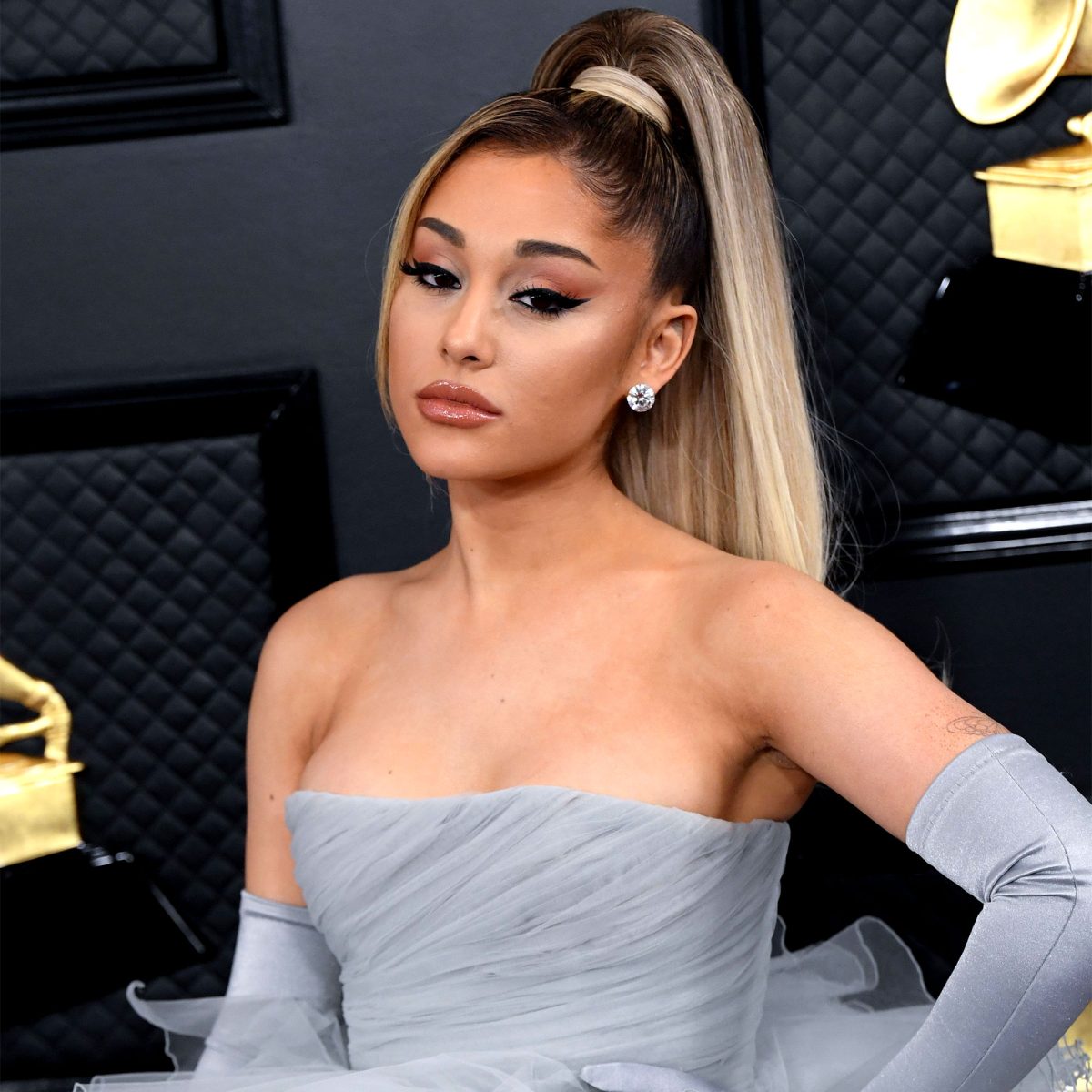
The public interest surrounding high-profile figures like Ariana Grande and their health status, specifically regarding a positive COVID-19 diagnosis, serves as a focal point for discussions on public health transparency, celebrity privacy, and the evolution of viral monitoring. While specific instances of a celebrity testing positive are often treated as temporary news items, they highlight the ongoing reality that respiratory pathogens remain a consistent factor in global travel, touring, and professional entertainment environments as of 2026.
The Reality of Viral Management in the Entertainment Industry
In the current landscape of 2026, the entertainment industry operates under a sophisticated framework of health protocols that were standardized in the early 2020s. For global superstars such as Ariana Grande, who participate in high-stakes touring, film production, and promotional media cycles, a positive COVID-19 test is not merely a personal health matter; it is an operational challenge.
Professional artists are frequently subject to testing requirements set forth by international production unions, film studios, and regional health authorities. When a performer tests positive, the immediate response is dictated by current isolation guidelines, which have shifted from strict multi-week mandates to risk-based return-to-work policies. These protocols are designed to protect the artist, the crew, and the general public, while also mitigating the severe financial risks associated with cancelling live events or pausing film production.
Privacy vs. Public Disclosure for Public Figures
The intersection of celebrity health and public disclosure remains a complex dynamic. Public figures often face a tug-of-war between their right to medical privacy and the public's demand for information—particularly when a diagnosis might affect a scheduled concert, appearance, or release date.
When news emerges that a figure like Ariana Grande has tested positive for COVID-19, the information is typically managed through formal channels. Representatives use these communications to:
- Manage stakeholder expectations regarding event cancellations.
- Comply with contractual obligations regarding health and safety.
- Control the narrative to prevent medical misinformation.
The public's interest in such news often stems from a parasocial connection, where fans feel a sense of concern for the artist's well-being. However, it is essential to distinguish between official health updates and speculative reports. As of 2026, many media outlets have adopted stricter verification standards, requiring confirmation from direct representatives before reporting on private health matters.
Public Health Context and Ongoing Precautions
While the urgency surrounding COVID-19 has transitioned into a steady-state public health challenge, the virus remains an active consideration for those with rigorous professional schedules. The primary focus for touring artists in 2026 involves consistent preventative measures rather than reactive panic.
Key Strategies for High-Profile Artists
- Routine Surveillance: Implementation of rapid diagnostic testing prior to large-scale events to ensure the safety of the artist and the audience.
- Logistical Flexibility: Maintaining "understudy" protocols or flexible scheduling that allows for short-term recovery periods without resulting in total project abandonment.
- Environmental Controls: Using high-efficiency air filtration systems (such as HEPA-grade purification) in recording studios and backstage environments.
- Vaccination and Booster Maintenance: Adherence to recommended health guidelines to reduce the severity of potential breakthrough cases.
Comparing Viral Impact on Touring and Production
The impact of a viral diagnosis varies significantly depending on the nature of the work being performed. The table below outlines how different entertainment environments manage health disruptions in the current year.
| Production Environment | Primary Risk | Typical Response Protocol | Operational Cost |
|---|---|---|---|
| Live Concerts | Significant crowd transmission | Mandatory test, show postponement | High (refunds, logistics) |
| Film/TV Sets | Production delay for cast | Isolation, shooting around actor | High (daily crew wages) |
| Studio Recording | Minimal exposure risk | Remote work, schedule shift | Low |
| Promotional Media | Multi-party contact | Virtual interviews, rescheduling | Low to Moderate |
Troubleshooting and Managing Health Interruptions
For individuals in high-pressure roles, managing a viral illness involves more than physical recovery—it requires a tactical approach to communication and logistics. If an artist or professional needs to navigate a positive result, the following steps are generally considered the standard of care in 2026:
1. Verification and Immediate Isolation
The first step is always the confirmation of the result through a recognized diagnostic method, such as a PCR or professional-grade rapid antigen test. Self-testing at home is often followed by a formal verification to satisfy insurance requirements or venue contract stipulations. Immediate isolation is necessary to break the chain of transmission, particularly in environments involving large production teams.
2. Stakeholder Communication
Once a medical professional has confirmed the necessity of rest, stakeholders must be notified. This includes concert promoters, touring personnel, and legal representatives. The goal is to provide a clear, concise statement that balances the need for transparency with the artist's privacy.
3. Medical Consultation and Recovery
Recovery plans in 2026 emphasize the importance of medical supervision to prevent long-term complications. Artists are advised to monitor symptoms closely and adhere to the guidance provided by their healthcare providers, ensuring they are fully cleared by a professional before resuming strenuous activities like singing or dancing, which place high demands on respiratory health.
Frequently Asked Questions
What should fans do when they hear an artist has COVID-19?
Fans should rely on verified information from official sources rather than social media speculation. Respecting the privacy of the individual is paramount, and monitoring official social media accounts or artist websites is the best way to get accurate updates regarding any potential changes to concert schedules.
Do celebrities get preferential access to COVID-19 testing?
In 2026, testing is widely available through standard healthcare channels. While high-profile individuals may utilize private medical services for the sake of efficiency and privacy, the diagnostic tests themselves are the same versions accessible to the general public.
How does a positive test impact scheduled concert tickets?
If an artist tests positive, the event organizer typically triggers a refund or credit policy. Ticket holders should check the terms and conditions provided at the point of sale, as policies regarding "force majeure" or medical cancellations are usually clearly outlined in those documents.
Is it still common for artists to cancel tours for COVID-19?
While total tour cancellations have become less frequent compared to the early 2020s, individual date postponements remain a standard practice. The industry has shifted toward "rescheduling" as a primary solution rather than outright "cancellation" to preserve the economic interests of the tour.
Are there long-term health risks for singers who catch COVID-19?
Like any respiratory illness, COVID-19 can impact vocal cords and lung capacity. Professional singers often work with specialized voice therapists and medical teams to ensure that any inflammation or fatigue is managed correctly, allowing them to return to their baseline performance levels safely.
Next Steps for Health Awareness
If you are following news regarding the health status of a public figure, the best course of action is to prioritize accuracy. Avoid engaging with rumor-heavy forums or unverified social media claims. Instead, keep a watchful eye on official press releases or verified news outlets that cite representatives directly. For your own health, remember that the protocols used by professionals—regular testing, staying home when symptomatic, and keeping up with recommended medical advice—are the most effective tools for maintaining health in a professional or personal setting throughout 2026.