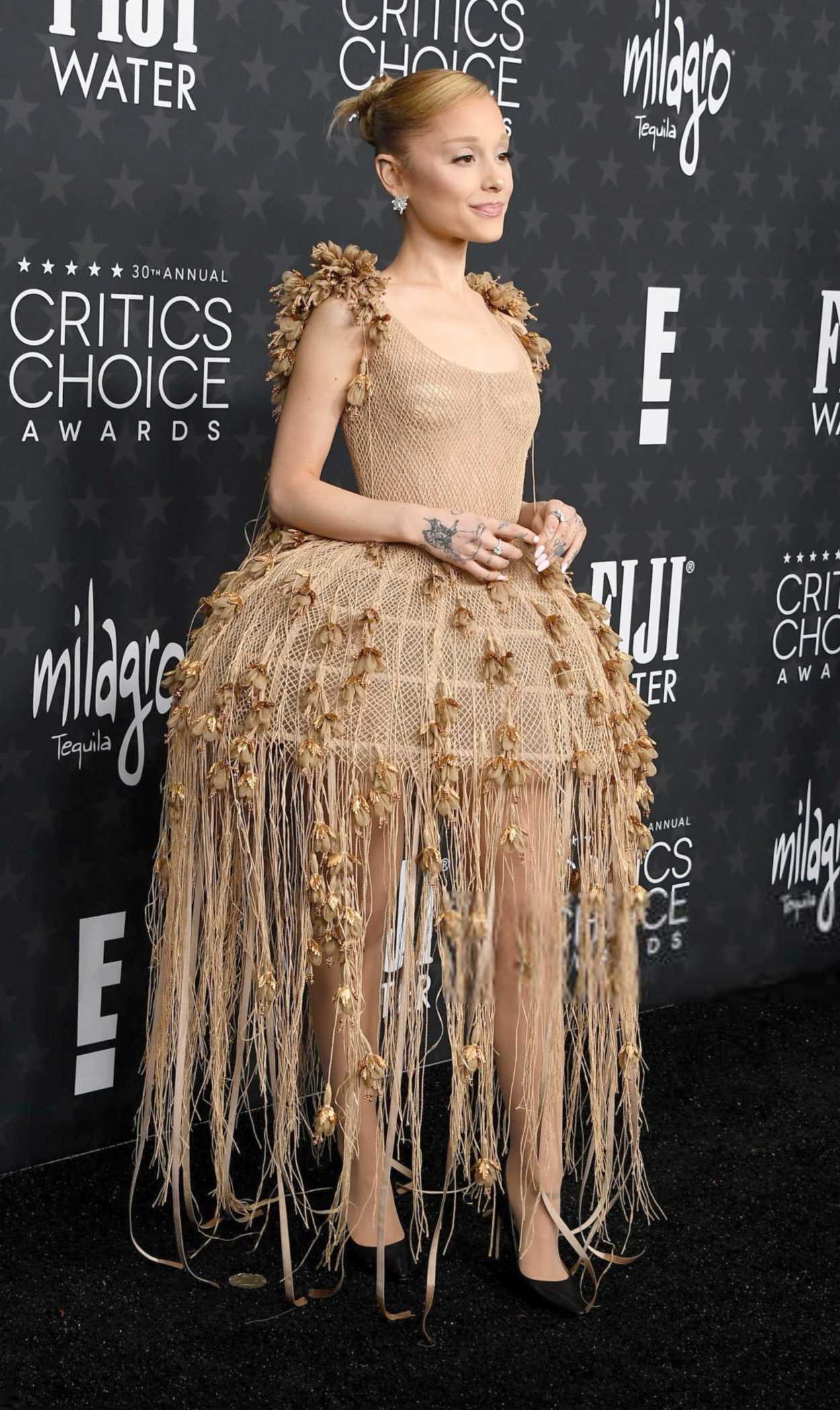
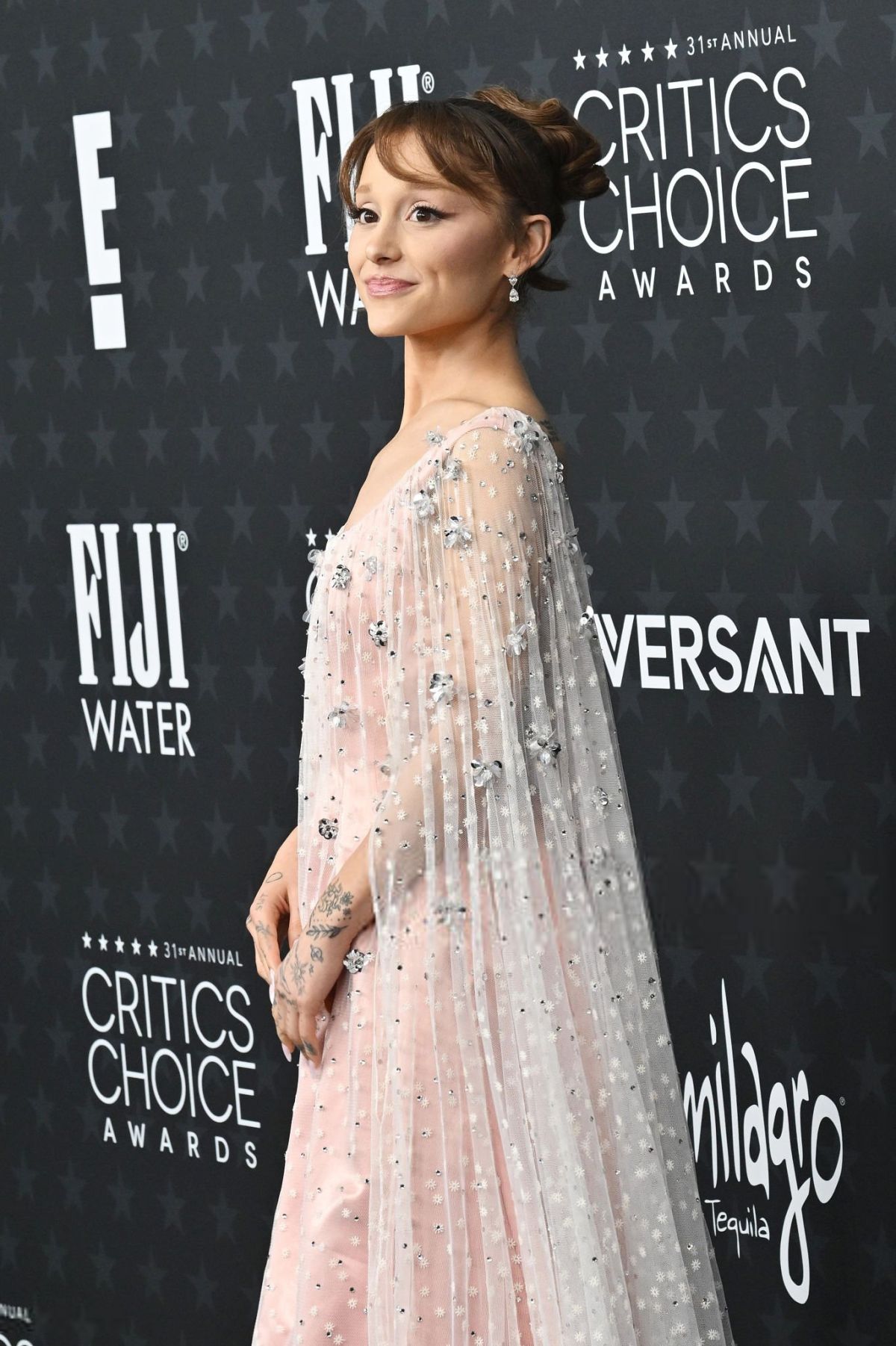
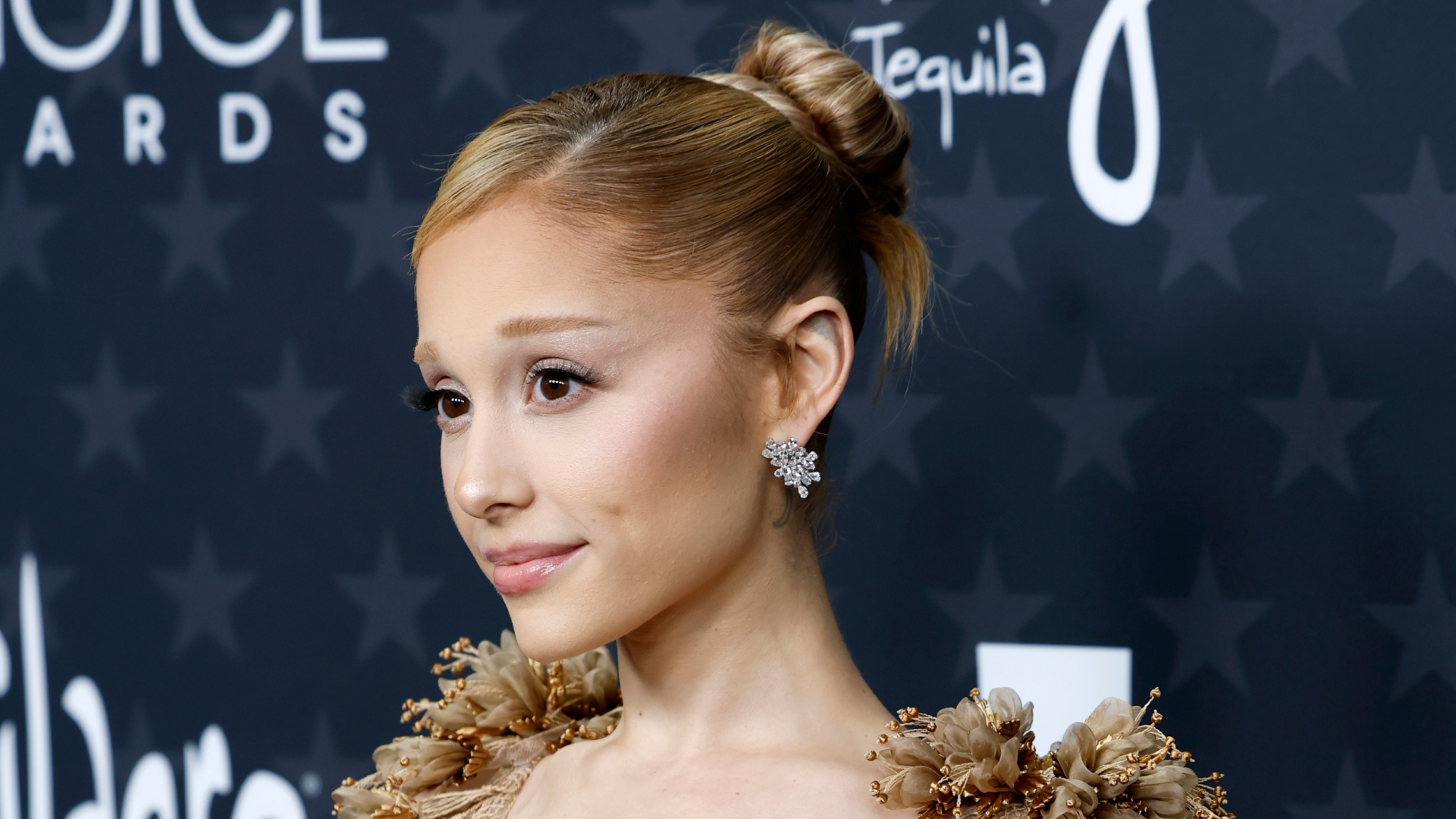
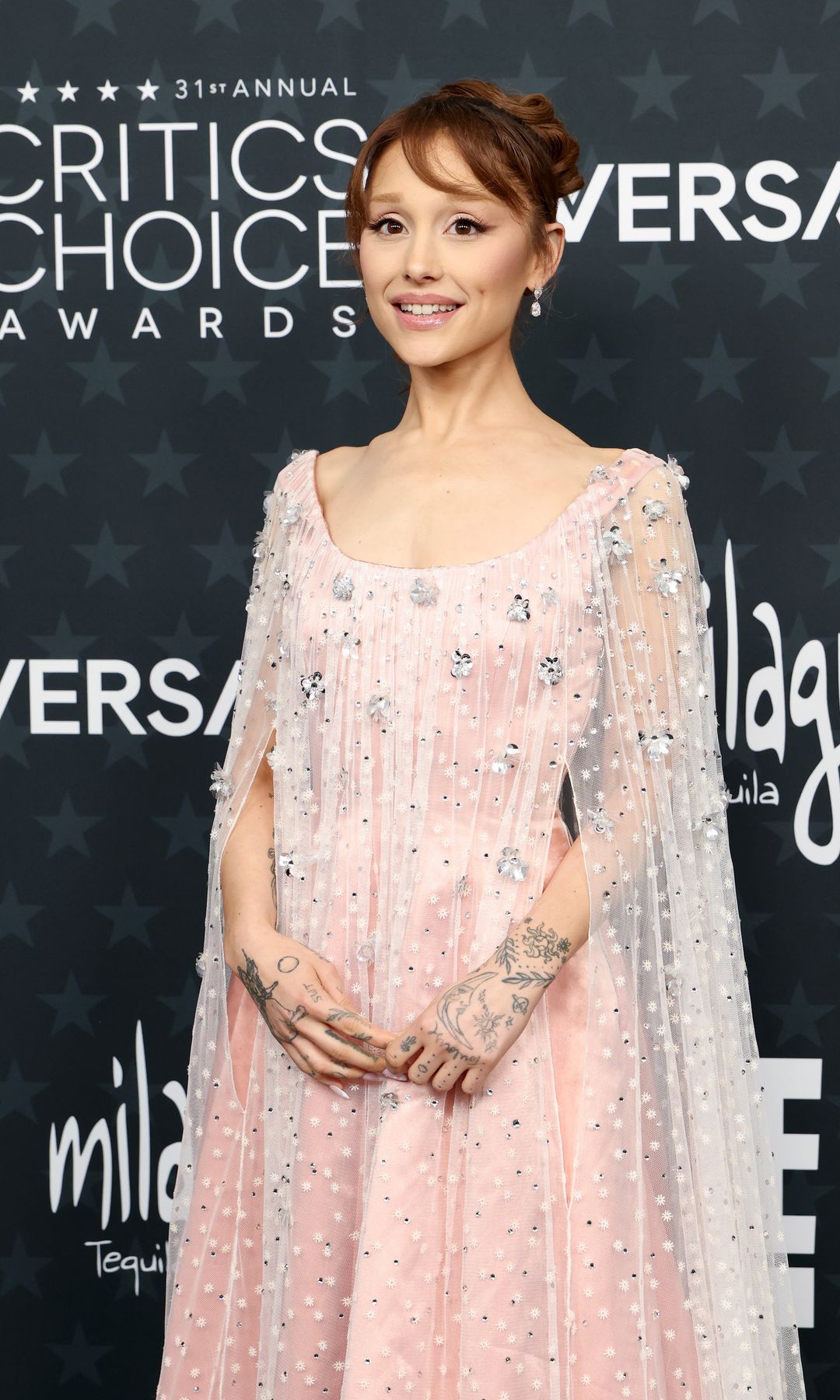
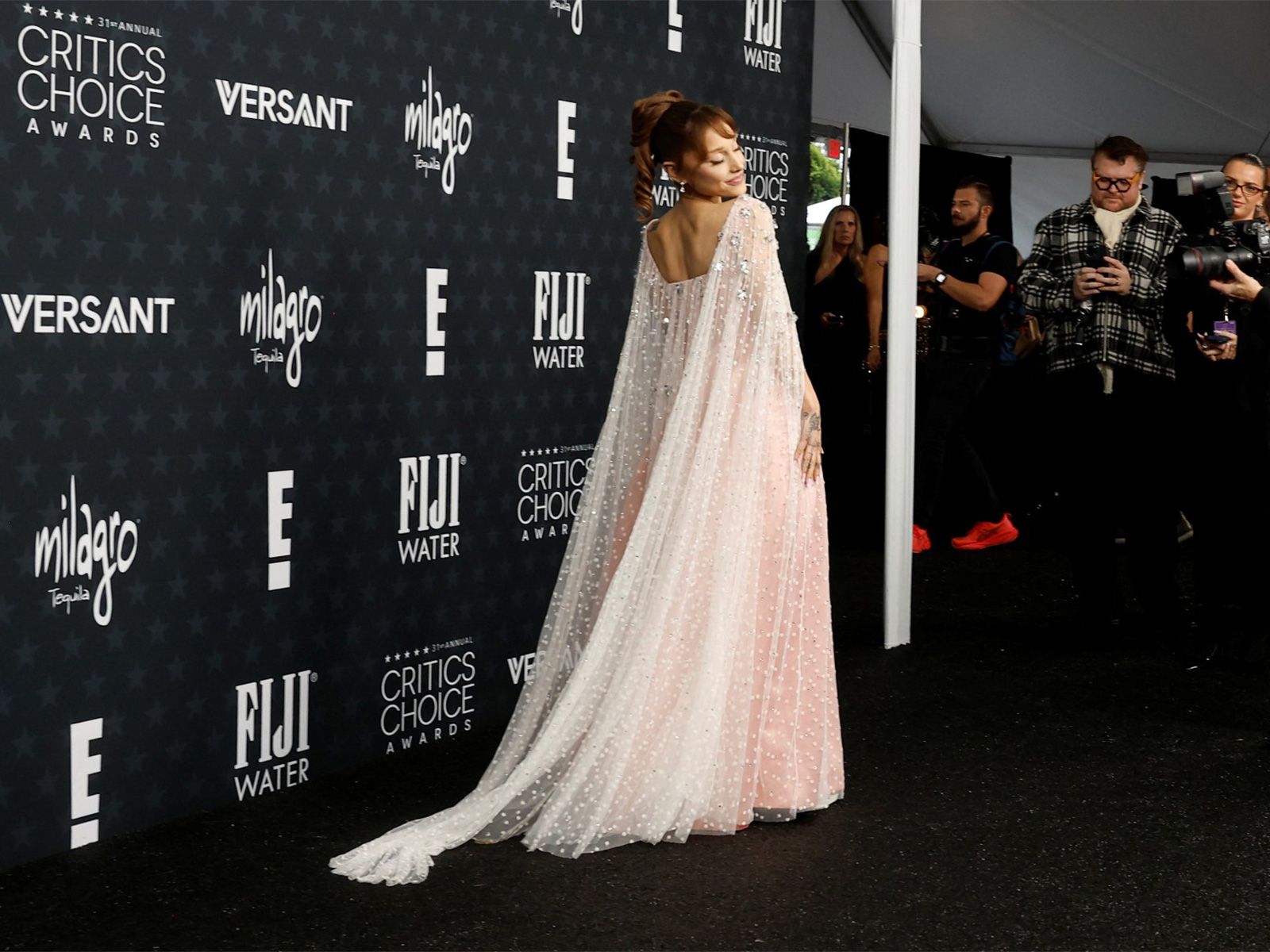
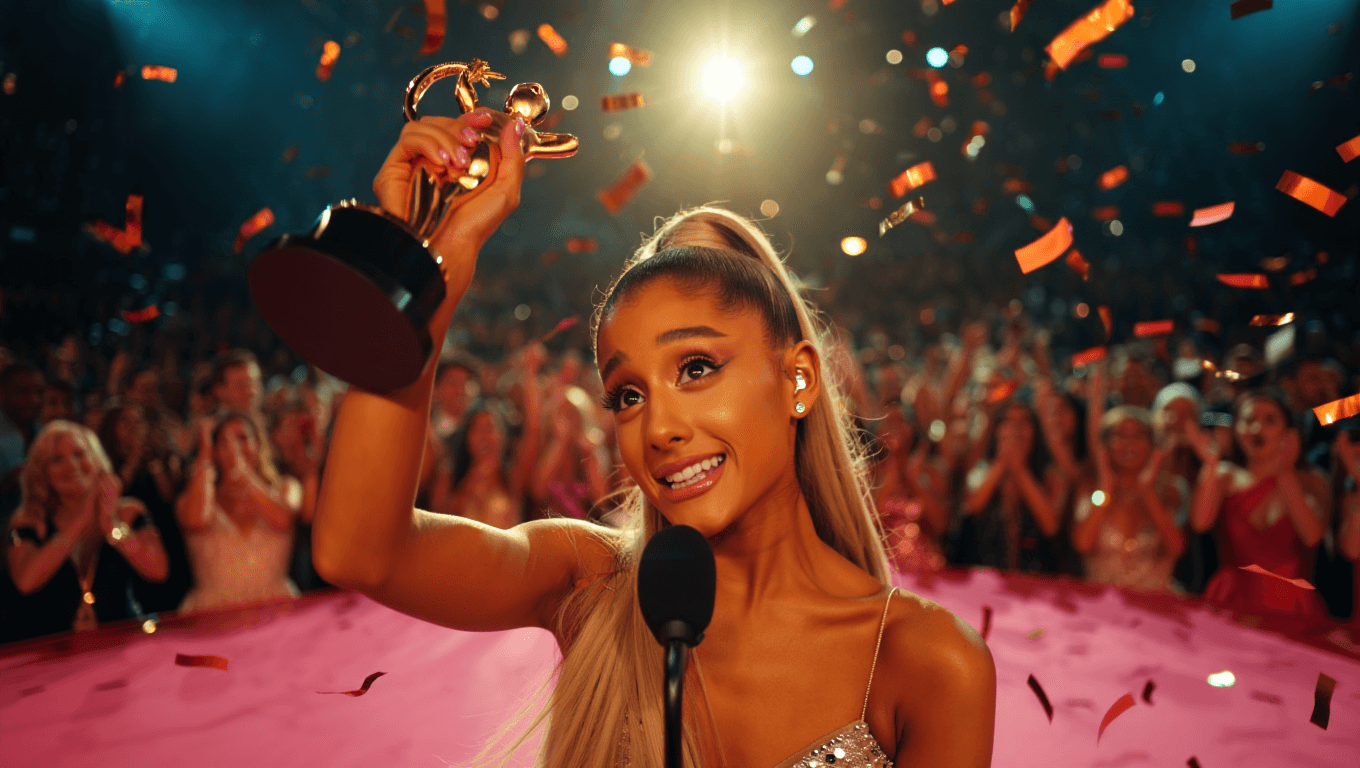
Ariana Grande’s nomination for Best Supporting Actress at the 30th Critics' Choice Awards for her portrayal of Glinda in Wicked (2024) represented a definitive turning point in her career. It served as professional validation of her transition from a global pop phenomenon to a disciplined, classically trained cinematic actor, successfully navigating one of the most scrutinized roles in musical theater history.
The Path to the 30th Critics’ Choice Awards
To understand the weight of Ariana Grande’s Critics’ Choice Association (CCA) nomination, one must look at the years of preparation that preceded the 2024 release of Wicked: Part One. When director Jon M. Chu announced the casting, the industry was skeptical. Grande was known primarily as a chart-topping vocalist, and while her roots were in Broadway (13) and television (Victorious), the role of Glinda the Good demanded a range that bridged the gap between operatic soprano and high-energy physical comedy.
By the time the nomination was announced in December 2024, the narrative had shifted from skepticism to acclaim. The Critics’ Choice Awards are often viewed as a reliable indicator for the Academy Awards, as the voting body consists of over 600 television, radio, and online critics. For Grande, the nomination was not merely a "celebrity nod"; it was a recognition of her technical mastery and her ability to hold the screen alongside powerhouse performer Cynthia Erivo.
The Transformation of Glinda Upland
The context of this nomination lies heavily in the "work" Grande put into the character. Critics noted that she did not simply "play herself." She underwent extensive vocal coaching to shift her signature pop-R&B placement into a more legitimate musical theater head voice. This technical pivot was central to the CCA’s recognition.
Furthermore, the nomination highlighted her comedic timing. Glinda is a character that can easily slide into caricature, yet the critical consensus was that Grande found the vulnerability beneath the vanity. In the context of the 2025 awards season, this was the specific element—the "humanizing of a legend"—that the Critics’ Choice voters sought to reward.
The Competitive Landscape of the 2025 Awards Season
Ariana Grande did not enter the 30th Critics’ Choice Awards in a vacuum. The 2024-2025 film cycle was exceptionally competitive for supporting actresses. Her nomination placed her alongside established dramatic heavyweights and rising stars, which provided the necessary "prestige" context for her move into film.
Key Contenders and Comparison
During the January 2025 ceremony, the Best Supporting Actress category was one of the most talked-about segments. Grande’s presence in the lineup served as a bridge between commercial "blockbuster" cinema and critical "prestige" art.
| Actress | Film | Primary Critical Praise |
|---|---|---|
| Ariana Grande | Wicked | Vocal transformation and comedic nuance |
| Danielle Deadwyler | The Piano Lesson | Emotional depth and historical resonance |
| Saoirse Ronan | Blitz | Subtle, internal acting and dramatic weight |
| Felicity Jones | The Brutalist | Complexity and endurance in a long-form epic |
| Zoe Saldaña | Emilia Pérez | High-intensity performance and versatility |
The inclusion of Grande in this specific list was significant. While the Critics’ Choice Awards often favor popular films more than the Academy does, the CCA is still a "critics first" organization. Being nominated alongside Ronan and Deadwyler signaled that Grande had successfully bypassed the "pop star cameo" stigma and was being judged on the merit of her craft.
Technical Merits: Why the Critics Noticed
The Critics' Choice Association often prioritizes the "degree of difficulty" in a performance. In Grande’s case, there were three primary technical factors that drove her nomination:
1. The "Live" Vocal Execution
Unlike many modern movie musicals that rely heavily on post-production pitch correction and studio layering, much of the Wicked production utilized live on-set singing. Critics were invited to behind-the-scenes screenings where the raw audio was discussed. Grande’s ability to maintain the emotional integrity of a scene while performing difficult soprano passages like "Popular" and "No One Mourns the Wicked" impressed voters who value technical proficiency.
2. The Physical Comedy and Mannerisms
Critics highlighted Grande’s use of physicality—her posture, her hair flips, and her specific way of navigating Glinda’s extravagant wardrobe—as a masterclass in character acting. This wasn't just "Ariana Grande in a dress"; it was a distinct creation that drew inspiration from Kristin Chenoweth’s original Broadway performance while carving out a new, more cinematic identity.
3. The Chemistry of the Duo
The "context" of her nomination is also inseparable from her co-star, Cynthia Erivo. The Critics' Choice voters often look for the "ensemble effect." The symbiotic relationship between Elphaba and Glinda meant that Grande’s performance was elevated by Erivo’s intensity, and vice versa. This partnership was a central theme in the 2025 awards circuit, often referred to as the "Wicked Powerhouse Duo."
Historical Context: Pop Stars and the Critics’ Choice
Ariana Grande’s nomination followed a lineage of musicians attempting to break into the elite circle of recognized actors. However, her trajectory was unique compared to her predecessors.
- Lady Gaga: While Gaga received immense praise for A Star Is Born (2018), she was playing a singer. Grande, conversely, was playing a character in a fantasy world, which required a different level of "world-building" in her performance.
- Jennifer Hudson: Hudson’s Dreamgirls win was fueled by raw vocal power. Grande’s nomination was viewed more as a balance of acting, comedy, and singing.
- Cher: Often cited as the blueprint, Cher’s transition was complete by the time of Moonstruck. Grande’s CCA nomination for Wicked is seen as her "Moonstruck moment"—the point where the industry stopped asking "Can she act?" and started asking "What will she do next?"
The Impact on the 2026 Industry Landscape
As we look at the state of the industry in 2026, the ripple effects of that 2025 nomination are clear. Grande has transitioned from a celebrity who acts to an actor who happens to be a celebrity.
The success of Wicked: Part One and her subsequent CCA nomination paved the way for the release of Wicked: Part Two in late 2025. By 2026, Grande has used this momentum to secure roles that are entirely independent of her musical background. The nomination acted as a "stamp of approval" from the critical community, which in turn influenced casting directors for non-musical dramatic projects.
The "EGOT" Pursuit
For many fans and analysts, the Critics’ Choice nomination was a vital step in Grande’s potential pursuit of the EGOT (Emmy, Grammy, Oscar, Tony). While the CCA is not part of the EGOT quartet, it is the most influential "precursor" award that builds the necessary narrative for an Academy Award win or nomination. In 2026, with Wicked: Part Two having completed its primary run, Grande’s standing in the film community has never been higher.
Analyzing the "Campaign" and Media Strategy
The context of any major award nomination includes the strategic campaign led by the studio (Universal Pictures). For Grande, the campaign was carefully curated to emphasize her lifelong love for the role.
- The "Full Circle" Narrative: Media outlets frequently showed the 2011 tweet where Grande expressed her dream of playing Glinda. Critics’ Choice voters, who are often moved by a "compelling story," were charmed by this decade-long manifestation.
- The Professionalism Angle: During the 2024 press junkets, Jon M. Chu and the production team emphasized Grande’s work ethic—showing up early, staying late, and treating the set like a masterclass. This helped dispel any "diva" tropes that might have hindered her critical reception.
- Separation of Brands: Throughout the awards season, Grande kept her musical "pop" persona separate from her "actor" persona. She dressed in a style that evoked the Golden Age of Hollywood, signaling to the CCA that she was taking the medium seriously.
Common Misconceptions About the Nomination
Despite the acclaim, several misconceptions often arise when discussing Grande’s nomination in the context of the 30th Critics' Choice Awards.
- "It was a popularity contest": While Grande is immensely popular, the CCA has historically snubbed popular stars if the performance is lacking (e.g., Taylor Swift in Cats). The nomination was based on the specific metrics of her acting and vocal delivery.
- "She only got it because it’s a musical": While Wicked is a musical, Grande was nominated in the general Best Supporting Actress category, not a specific "musical" sub-category. She was judged against dramatic performances in every genre.
- "She was a lead, not supporting": There was significant debate regarding category placement. However, Universal Pictures campaigned her in Supporting to avoid competing directly with Cynthia Erivo’s Elphaba, a common strategy to maximize the film’s total nomination count.
Summary of the 30th Critics' Choice Awards Impact
| Metric | Result/Impact |
|---|---|
| Category | Best Supporting Actress |
| Competitors | Danielle Deadwyler, Saoirse Ronan, Zoe Saldaña, etc. |
| Primary Achievement | Successful transition from Pop Icon to Critical Actor. |
| Precursor Value | Directly boosted her profile for the 2025 Academy Awards. |
| Cultural Impact | Solidified Wicked as a serious cinematic achievement, not just a fan-service film. |
Frequently Asked Questions
Did Ariana Grande win the Critics’ Choice Award for Wicked?
While Grande received the nomination for Best Supporting Actress at the 30th Critics' Choice Awards, the win is often a separate discussion from the "nomination in context." In 2025, the category was extremely tight. Whether she took home the trophy or not, the nomination itself was the "victory" needed to validate her film career. Historically, the CCA often favors the "critics' darling" of the year, which in 2025 was a toss-up between Grande and Danielle Deadwyler.
How does the Critics' Choice nomination differ from a Golden Globe nomination?
The Golden Globes are voted on by the Hollywood Foreign Press Association (now under new management), which has a reputation for being more celebrity-focused. The Critics' Choice Awards are voted on by a larger, more diverse group of professional critics. A CCA nomination is generally considered more "prestigious" in terms of acting technicality, whereas a Golden Globe nomination is often seen as a reflection of stardom and international appeal.
Was Ariana Grande nominated for her singing or her acting?
The nomination for Best Supporting Actress is specifically for her acting performance. However, in a musical like Wicked, the two are intertwined. The CCA voters looked at how she used her songs to advance the character's emotional arc. Additionally, she was often nominated in the "Best Song" category for specific tracks on the soundtrack, but the Supporting Actress nod was the higher-tier recognition.
Why was she considered "Supporting" when she is a main character?
In the film Wicked, the story is primarily centered on Elphaba’s journey (the "Wicked Witch"). While Glinda is a co-lead in the stage play, film studios often choose to place one actor in "Lead" and the other in "Supporting" to prevent them from splitting the vote. This is a common industry tactic known as "category placement strategy," ensuring both actors have the best chance at a nomination.
What has been the long-term effect of this nomination as of 2026?
As of 2026, the nomination has served as the foundation for Grande’s second act. She has successfully leveraged the critical acclaim into a production deal and has been cast in several non-musical roles. It effectively ended the conversation about whether she could handle "serious" roles, placing her in the same category as other multi-hyphenates who have successfully mastered both the stage and the screen.
Final Recommendation for Enthusiasts and Analysts
For those tracking the career trajectory of Ariana Grande or the evolution of movie musicals, the 30th Critics’ Choice Awards should be studied as a case study in rebranding through excellence.
To fully appreciate the nomination, one should watch the "Popular" sequence in Wicked not as a music video, but as a piece of character-driven comedy. The nuance in her facial expressions and her ability to pivot from humor to heartbreak in the film's final act are the true reasons for her critical standing. As we move further into 2026, expect this nomination to be cited as the moment the "Pop Star" died and the "Actor" was born.