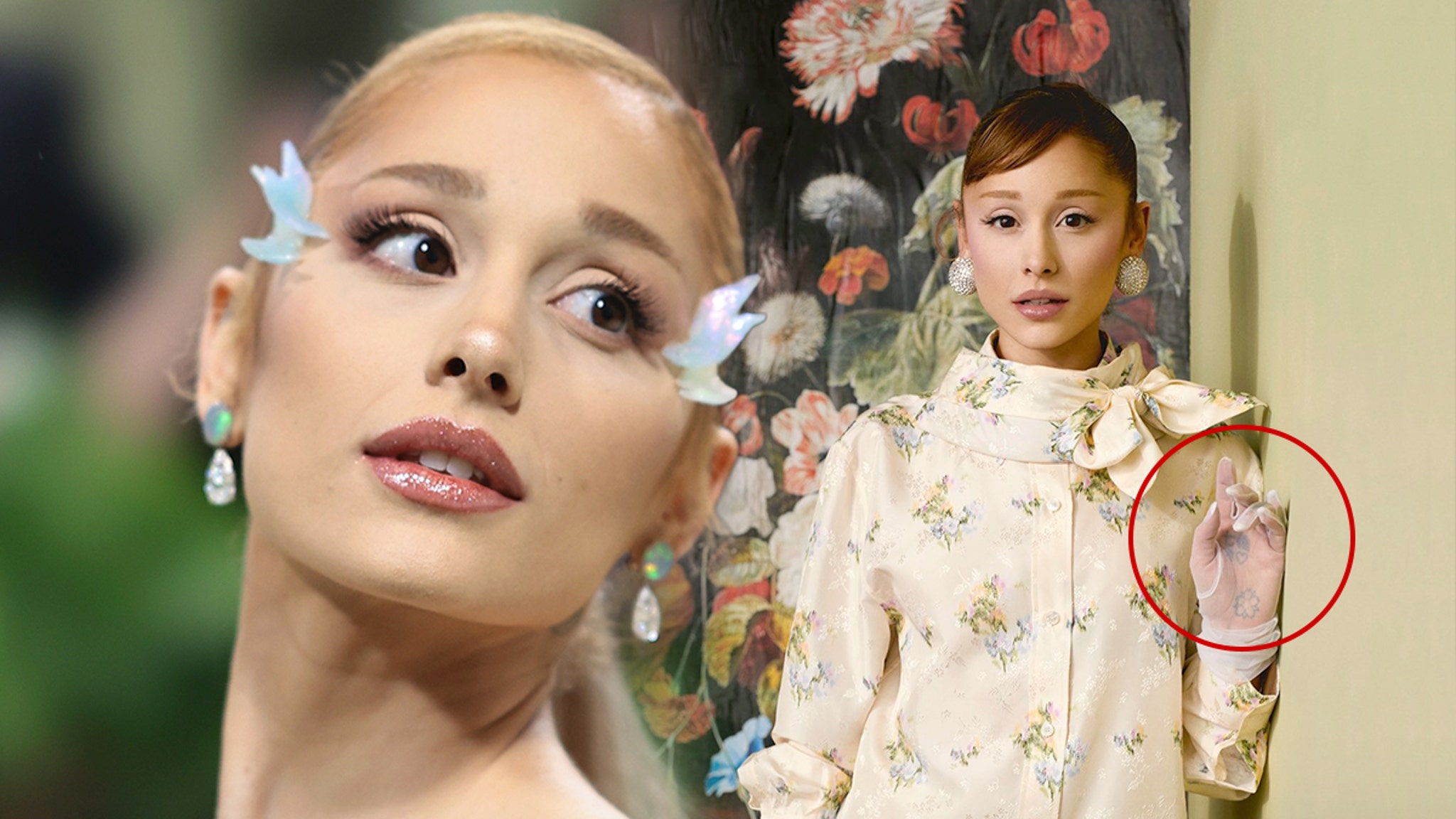
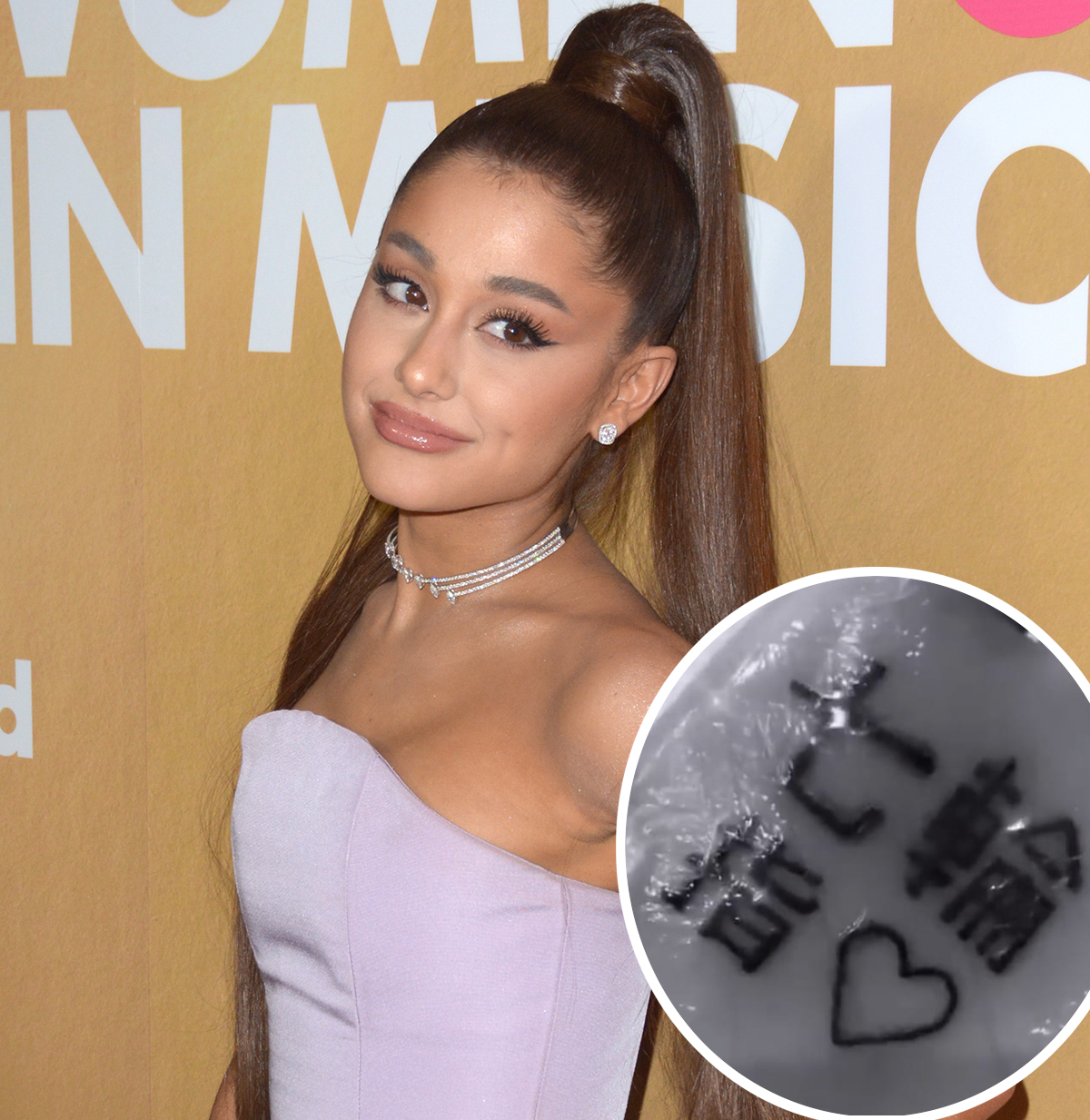
In early 2019, global pop sensation Ariana Grande attempted to commemorate the release of her hit single "7 Rings" with a palm tattoo. Intended to read the song's title in Japanese kanji, the design contained a linguistic error that resulted in the phrase translating to "shichirin," a type of small Japanese charcoal barbecue grill, rather than the intended meaning.
The "7 Rings" tattoo incident became a viral cultural moment, highlighting the complexities of cross-cultural body art and the importance of linguistic precision in permanent tattooing. Beyond the initial social media frenzy, the event serves as a practical lesson in the risks of translating languages without expert guidance and the reality of tattoo correction processes.
The Cultural Context of "7 Rings"
By early 2019, Ariana Grande was at the height of her commercial success. The song "7 Rings," an ode to friendship and luxury, had captured the public consciousness. To celebrate the track, Grande chose to get a minimalist palm tattoo featuring the kanji for "7" (七) and "rings" (輪).
In the Japanese language, kanji characters often have different meanings depending on their context and combinations. While the individual characters for "seven" and "ring" are correct, their juxtaposition in a compound word—or lack thereof—is crucial. When written together as "七輪," the characters transform from a literal translation of "seven rings" into the word shichirin, which refers to a specific traditional Japanese clay stove or charcoal grill.
The error was almost immediately identified by fans and Japanese speakers on social media platforms such as X (formerly Twitter). The discrepancy turned a celebratory piece of ink into a widely discussed "fail," demonstrating how swiftly information travels in the digital age and how easily cultural symbols can be misinterpreted when detached from their linguistic roots.
Why Linguistic Precision Matters in Tattooing
The Ariana Grande tattoo incident is a textbook example of why professional linguistic verification is a prerequisite for any script-based tattoo. Translating between languages is rarely a one-to-one process. It involves nuances in grammar, syntax, and cultural context that machine translation tools—which were likely used in the design phase—often fail to capture.
The Risks of Machine Translation
Most machine translation algorithms prioritize direct word-for-word substitution. When dealing with logographic writing systems like Japanese kanji, Chinese characters (Hanzi), or even complex calligraphic styles, context is everything. Without an understanding of how these characters interact, a wearer risks:
- Semantic Drift: As seen in this case, where two words combined form an entirely different, unrelated noun.
- Grammatical Inaccuracy: Using a word in its dictionary form when a particle or conjugation is required for it to make sense in a sentence.
- Aesthetic Mismatch: Choosing a font or style that conflicts with the historical or cultural significance of the characters.
The Role of the Professional Artist
A common misconception is that the burden of translation lies solely with the tattoo artist. While a professional artist should vet designs, they are visual experts, not necessarily linguists. The responsibility for verifying the accuracy of a phrase—especially one in a foreign language—remains with the client. Professional tattooists frequently recommend that clients bring a verified translation from a native speaker or a qualified linguist to ensure the stencil is accurate before the needle touches the skin.
The Correction Process: A Technical Overview
Following the social media backlash, Grande sought to correct the tattoo. This process provides a clear example of the limitations and possibilities of tattoo repair and modification.
Attempting the Fix
Initially, Grande visited a reputable tattoo artist, Kane Navasard, to add the missing character. By placing the character "指" (finger) above the original "七輪," she intended to change the meaning to "seven-finger ring." While this successfully modified the word to move it away from the "barbecue grill" definition, it created a new linguistic challenge: the resulting phrase is not standard Japanese and remains grammatically awkward to native speakers.
Options for Tattoo Modification
When a tattoo contains a significant error, individuals generally have three primary paths forward:
- Modification (Cover-up or Addition): As seen in this case, adding elements can sometimes redirect the meaning. However, this is difficult with kanji, as adding characters can clutter the design or result in gibberish.
- Laser Tattoo Removal: This is the clinical standard for removing unwanted ink. It involves using Q-switched or picosecond lasers to shatter ink particles into smaller fragments that the immune system can clear. It is a multi-session process that requires significant recovery time.
- Complete Cover-up: This involves tattooing a new, darker design over the existing one. This is often the most requested solution for tattoos that are impossible to "fix" via simple modification.
Comparison of Tattoo Correction Strategies
| Strategy | Effectiveness | Recovery Time | Cost Considerations |
|---|---|---|---|
| Modification | Varies (High risk) | 2–4 weeks | Low to Moderate |
| Laser Removal | High | 6–12 months | High (Multiple sessions) |
| Cover-up | High (Visual) | 4–6 weeks | Moderate |
Common Pitfalls in Foreign-Language Tattoos
The "7 Rings" tattoo serves as a cautionary tale for anyone considering a foreign-language tattoo. Whether it is Japanese, Mandarin, Arabic, or Sanskrit, the challenges remain consistent.
1. Lack of Verification
Relying on internet search results or single-source translation apps is the most common cause of errors. Always consult multiple sources or, ideally, a native speaker who understands the cultural nuances of the phrase.
2. Underestimating Calligraphic Complexity
Different kanji styles (such as Kaisho, Gyosho, or Sosho) alter the stroke order and appearance of the characters. An artist may be an expert at traditional American tattoos but lack experience in the fine-line, precision work required for Asian calligraphy. Choosing an artist who specializes in the chosen script is vital.
3. The "Cool Factor" vs. Meaning
Often, individuals choose a tattoo because it looks aesthetically pleasing without prioritizing the meaning. When the meaning is eventually revealed to be incorrect—or worse, offensive—the emotional attachment to the tattoo often diminishes, leading to the desire for removal.
Guidance for Future Tattoos
If you are planning to get a tattoo that features a language you do not fluently speak, follow these steps to avoid a similar outcome:
- Cross-Reference: Use at least three independent sources. If you are using an app, compare the results against a reliable dictionary such as Jisho for Japanese or similar academic resources for other languages.
- Seek Native Verification: If possible, ask a fluent speaker to review the design. They can identify if the phrase sounds natural or if it carries an unintended colloquial or offensive meaning.
- Confirm the Font/Style: Bring a printout of the exact characters in the desired font. Ensure the artist is comfortable working with fine-line script and understands the importance of stroke accuracy.
- Allow for Reflection: Never get a tattoo on a whim. The "7 Rings" incident shows that even celebrities are susceptible to the pressure of quick, trendy decisions. Wait at least a month after the design is finalized before heading to the shop.
Frequently Asked Questions
Did the "7 Rings" tattoo actually say "barbecue grill"?
Yes, in a sense. While the individual characters mean "seven" and "ring," when placed together as "七輪" in Japanese, they form the word shichirin, which is a traditional portable charcoal grill.
Why didn't the tattoo artist notice the mistake?
Most tattoo artists are not linguists. While a high-end artist might be expected to check, many artists prioritize the client’s requested design file. This reinforces that the responsibility for linguistic accuracy rests entirely with the individual getting the tattoo.
Is it possible to completely remove a tattoo like this?
Yes. Laser tattoo removal is highly effective for ink in the palms. However, palm tattoos are notoriously difficult to maintain due to the thickness of the skin and the high rate of cell turnover in that area, which can make both the healing process and the removal process distinct from standard skin.
Can you fix a kanji tattoo by adding more characters?
Sometimes. Adding characters can create a phrase that is grammatically correct or adds context that was previously missing. However, this often results in a bulky or unbalanced design. A professional artist should be consulted to see if the existing ink can support a legible addition.
What should I do if my tattoo has a linguistic error?
First, do not panic. Research your options, including a consultation with a tattoo artist who specializes in cover-ups and a laser removal technician. Evaluate whether the tattoo can be corrected through added artwork or if it is better to remove or cover it completely.
Final Recommendation
When considering a script-based tattoo in a language other than your own, prioritize accuracy over speed. Treat the research phase of your tattoo as a linguistic project: consult multiple academic sources, verify the context with native speakers, and ensure your artist has specific experience with the script style you desire. If you find yourself with an incorrect tattoo, do not rush into a secondary "fix" that might only exacerbate the issue. Instead, schedule a consultation with a professional to discuss professional laser removal or a high-quality cover-up, ensuring the final result is one you are proud to carry for a lifetime.