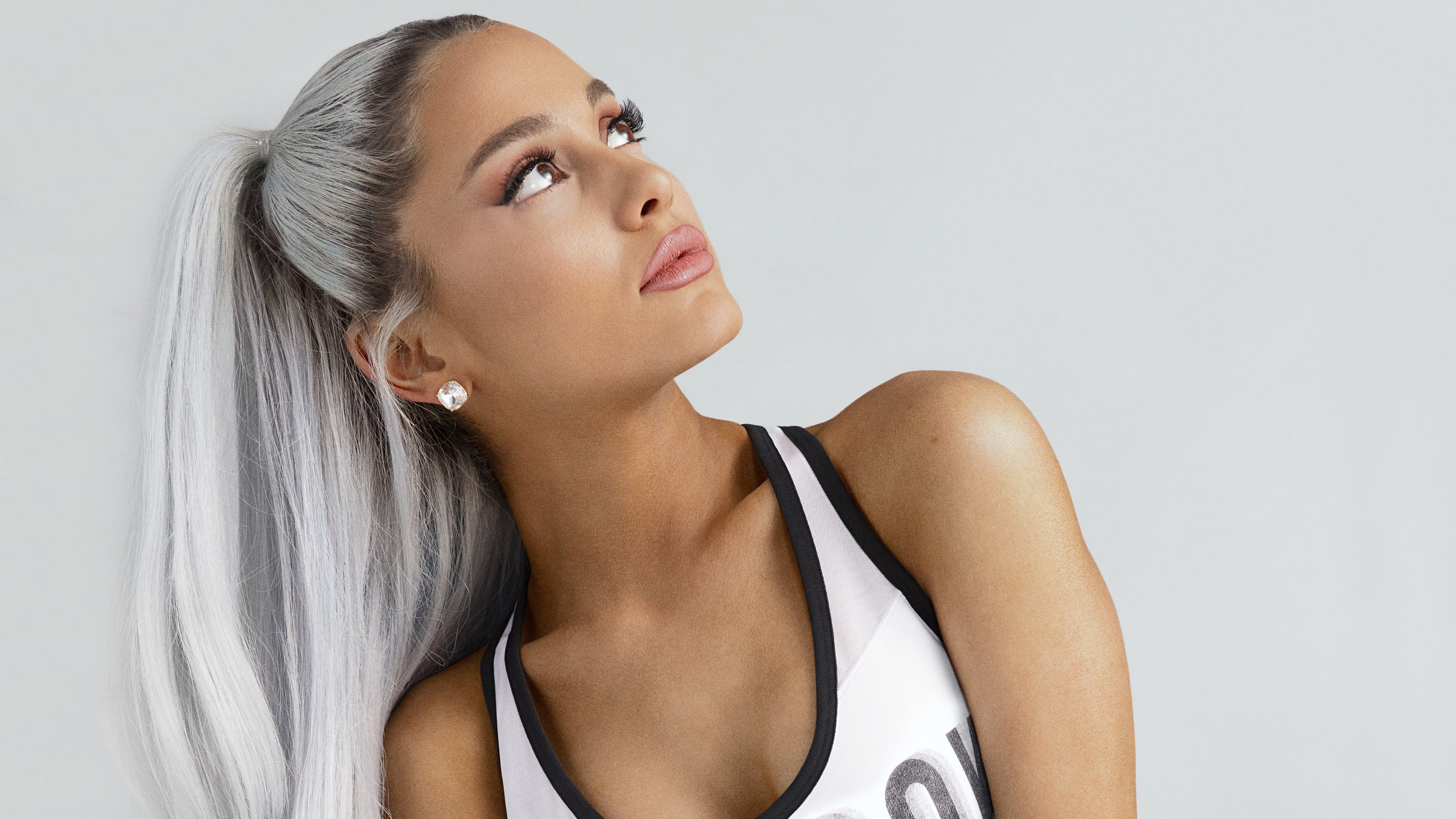
In late 2018, Ariana Grande surprised fans by sporting a distinctive icy blue hair color, a departure from her signature high ponytail and brunette aesthetic. This transformation was prominently featured in the promotional imagery for her "Thank U, Next" era, specifically appearing in the music video for the song "Breathin" and various behind-the-scenes content that defined her visual identity during that highly productive calendar year.
The Context of the 2018 Aesthetic Shift
To understand the significance of Ariana Grande’s blue hair in 2018, one must look at the trajectory of her career during that period. 2018 was a watershed year for the artist, marked by the release of her fourth studio album, Sweetener, in August, followed rapidly by the launch of the Thank U, Next era toward the end of the year.
Her visual presentation throughout 2018 was characterized by a rapid evolution of styles. While her iconic, long, dark high ponytail remained a staple, the introduction of the icy blue hue served as a calculated stylistic pivot. This shift coincided with a shift in her music—moving from the experimental, sunshine-pop aesthetics of Sweetener toward the trap-influenced, melancholic, and deeply personal tones of Thank U, Next. The blue hair, often styled in soft, voluminous waves rather than her usual sleek ponytail, signaled a vulnerability and a departure from the "Pop Princess" archetype she had inhabited for years.
The "Breathin" Music Video and Visual Significance
The most notable instance of Ariana Grande appearing with blue hair in 2018 occurred during the production and release cycle for the Sweetener and Thank U, Next transition. The blue tint—a cool-toned, pastel-leaning shade often referred to as "ice blue" or "periwinkle"—became a shorthand for the emotional complexity she was exploring in her songwriting.
In the official music video for "Breathin," directed by Hannah Lux Davis, Grande utilizes a series of atmospheric shots. While the video primarily focuses on the chaos and anxiety of fame, the color palette shifts to accommodate these deeper themes. The blue hair acted as a visual metaphor for coldness, isolation, and the "blue" feeling associated with anxiety, which is the central theme of the track. By coordinating her hair color with the muted, desaturated lighting of the video’s sets, her creative team underscored the message that her public persona was becoming increasingly intertwined with her internal psychological state.
Technical Elements of the 2018 Blue Look
From a professional hair styling perspective, the 2018 look was a sophisticated example of temporary vs. semi-permanent coloring. Unlike the permanent dark tones she favored for most of her career, this light-reflective blue requires significant preparation.
- Bleaching and Toning: Achieving a true ice blue requires a level 10 platinum blonde base. Any residual yellow pigment in the hair would turn a pastel blue into a muddy green.
- Color Maintenance: Pastels and icy tones are notoriously high-maintenance. They are prone to fading significantly after just a few washes. For high-profile artists, this is typically managed using pigment-depositing conditioners or frequent "toning" sessions.
- Wig Application: It is widely noted by industry stylists that many of Grande’s drastic hair color changes in 2018 were achieved through the use of high-quality, custom-made lace-front wigs. Given the intensive heat styling and frequent changes required for her 2018 promotional tours and music videos, wigs allow for extreme color experimentation without compromising the health of the natural hair underneath.
Comparison of 2018 Aesthetic Choices
The following table summarizes the different visual eras of Ariana Grande during the 2018 calendar year to highlight the uniqueness of the blue hair selection.
| Period | Primary Hair Color | Style Characteristic | Associated Project |
|---|---|---|---|
| Early 2018 | Platinum Blonde | High Ponytail | No Tears Left to Cry |
| Mid 2018 | Platinum/Ash Blonde | Soft Waves | Sweetener Album Promo |
| Late 2018 | Icy Blue | Voluminous/Loose | Breathin / Thank U, Next |
| Late 2018 | Brunette | Classic High Ponytail | 7 Rings / Thank U, Next |
Why the Blue Hair Remained a "Moment"
The blue hair look was never intended to be a permanent signature, which is part of why it holds such a distinct place in pop culture history. In 2018, the trend of "fantasy colors" (pinks, blues, and purples) was gaining traction among A-list celebrities. By adopting the color for a specific, short-lived window, Grande effectively signaled a "transitional period."
This strategy is common in the music industry. By attaching a specific visual aesthetic to a specific musical chapter, an artist allows their audience to anchor their memories of the music to a specific image. Fans who associate the "blue hair" phase with Sweetener or Thank U, Next are effectively mapping their own emotional response to the music onto the visual cue of the hair color. It served to distinguish the Sweetener world from the Thank U, Next world, even though the releases were only months apart.
Common Questions Regarding the 2018 Transformation
Did Ariana Grande actually dye her natural hair blue in 2018? Most industry experts and beauty journalists concluded that the look was achieved through a high-quality, custom-colored wig. Given her history of hair breakage and the rapid changes between styles in late 2018, the use of hair systems is the standard professional approach for pop stars.
How can fans replicate the "Breathin" blue hair color? To achieve this look, one must achieve a pale blonde base. Once the hair is toned to a white/silver, a semi-permanent blue direct dye diluted with conditioner is used to create the pastel effect. It is strongly recommended to consult a professional colorist, as the bleaching process can cause significant damage to dark hair.
Why did she choose blue specifically? In color psychology, blue is often associated with calm, sadness, and introspection. Given that "Breathin" is a song about overcoming panic attacks and managing anxiety, the color choice was a deliberate thematic extension of the lyrics.
Is this look still relevant in 2026? The "icy blue" aesthetic is considered a staple of the "late 2010s pop" look. While hair trends in 2026 lean toward more natural textures and low-maintenance coloring techniques, the blue look remains a frequently cited inspiration in online beauty communities for those looking to emulate the high-glamour, thematic styling of the 2018-2019 era.
Practical Advice for Temporary Color Changes
For readers looking to experiment with colors like the blue Ariana Grande wore in 2018, there are several steps to ensure hair integrity:
- Prioritize Health: If you have dark hair, do not attempt to reach platinum in one session. The risk of chemical burn and hair snapping is high. Seek a professional who specializes in bond builders like Olaplex.
- Use Wash-out Options: If you are unsure about the color, start with a "color butter" or a temporary hair wax. These products provide the pigment without penetrating the hair shaft, allowing for a look that can be washed out in a single shower.
- Minimize Heat: Colored hair, especially bleached hair, is more porous and prone to damage from flat irons and curling wands. Use a heat protectant spray every single time, and opt for heatless styling methods when possible.
- Tone Regularly: Pastels will yellow within 1-2 weeks. Use a blue-based or purple-based toning shampoo to keep the color "icy" rather than "teal" or "brassy."
Professional Next Steps
If you are looking to analyze the 2018 aesthetic further, focus on the intersection of music video art direction and personal branding. The primary takeaway from the "blue hair" era is that the most successful stylistic choices are those that align with the narrative of the music.
For those interested in the actual color palette, look for professional hair color lines that offer "denim" or "mist" blue shades. These shades typically contain a mix of blue and violet undertones, which prevent the color from fading into an unsightly shade of swampy green—a common pitfall for DIY colorists. Always perform a patch test on a small, hidden section of hair before committing to a full-head application.