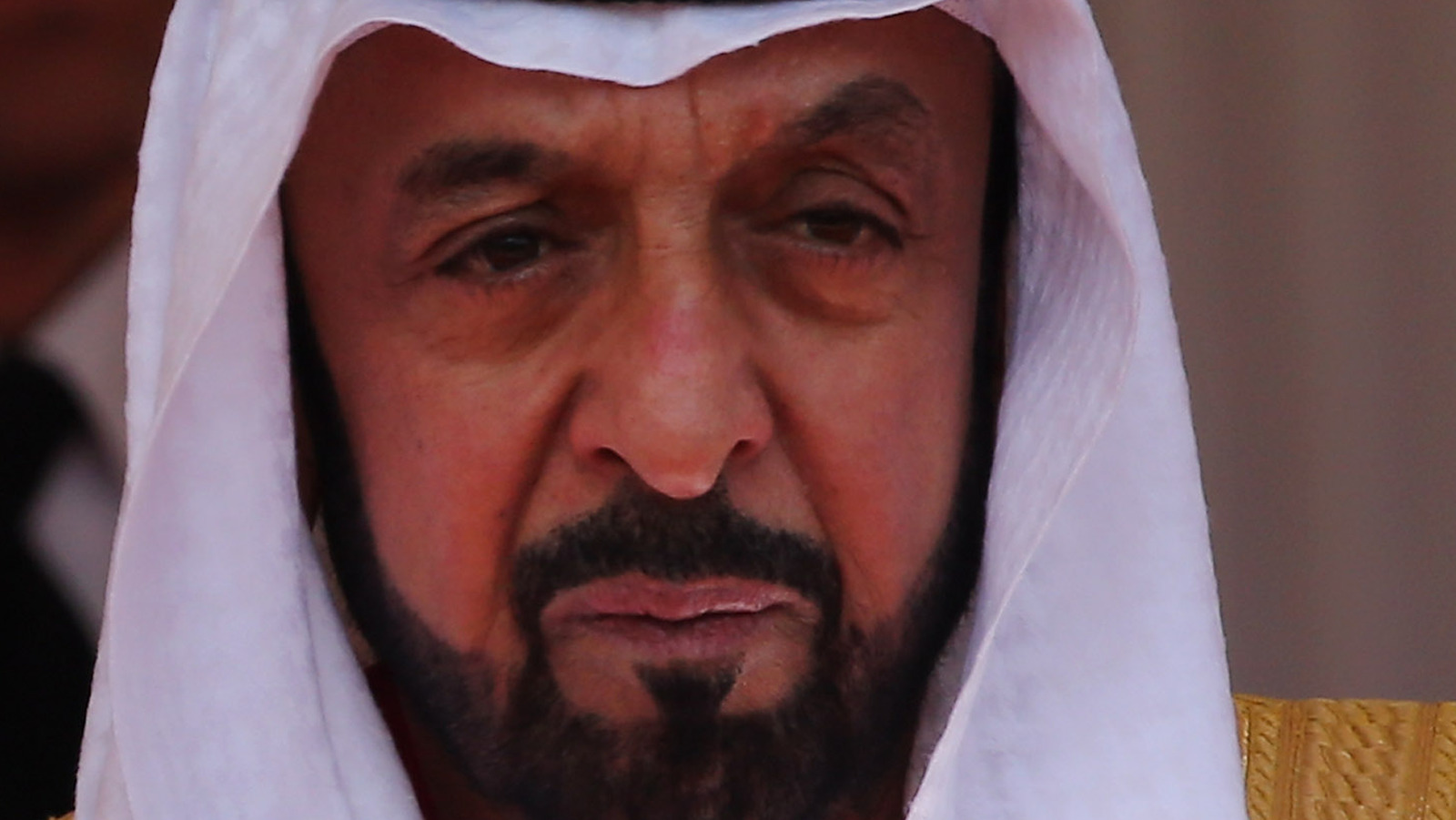
Determining the net worth of an Arab Sheikh involves distinguishing between personal liquid wealth, inherited family holdings, and the sovereign assets managed by ruling families. Because these figures are often integrated with state-owned enterprises and institutional investments, public estimates remain imprecise. Wealth in this context is best understood through asset diversification, historical resource management, and regional economic influence rather than static accounting.
Understanding the Structure of Gulf Wealth
The concept of a "Sheikh" in the Gulf Cooperation Council (GCC) countries—comprising Saudi Arabia, the United Arab Emirates, Qatar, Kuwait, Oman, and Bahrain—is often tied to leadership positions within ruling families. It is critical to differentiate between the individual's personal fortune and the "civil list," which refers to the state-funded allowance provided to maintain the royal household and its extensive operations.
When media outlets or financial researchers report on the net worth of prominent regional figures, they are frequently aggregating the value of diverse portfolios. These portfolios are rarely concentrated in cash. Instead, they are deeply embedded in international real estate, stakeholding in global technology firms, sports franchises, and energy infrastructure. The "fact profile" of such wealth is defined by its institutional nature; it operates through sophisticated family offices that utilize private equity, venture capital, and sovereign-backed financial vehicles to preserve capital across generations.
The Role of Sovereign Wealth Funds (SWFs)
One of the most significant complexities in identifying personal net worth is the overlap between sovereign wealth and private wealth. Many ruling families serve as the primary overseers of their nations' sovereign wealth funds. For example, the Abu Dhabi Investment Authority (ADIA) in the UAE or the Public Investment Fund (PIF) in Saudi Arabia control trillions of dollars in combined assets.
While these funds are owned by the state and not the personal property of a single individual, the proximity of royal family members to the management of these funds creates a powerful synergy. Financial analysts often distinguish between "managed assets" and "private assets." The former refers to the capital the Sheikhs manage on behalf of their nations, which influences global markets, while the latter refers to their private holdings, which include personal estates, private aviation, luxury art collections, and individual investment companies.
Asset Classes and Diversification Strategies
The wealth profile of the region's elite is characterized by a shift from traditional commodity reliance toward a diversified global footprint. While energy remains the bedrock of the regional economy, the 2026 economic landscape shows that wealth is increasingly generated through:
- Global Real Estate: Prime assets in London, New York, Paris, and Tokyo remain staples of royal portfolios. These properties serve as long-term stores of value and prestige.
- Tech and Innovation: Significant investments are funneled into artificial intelligence, renewable energy transition projects, and telecommunications. This move is designed to hedge against the volatility of the global oil market.
- Sports and Entertainment: High-profile acquisitions of international sports teams have served both as a prestige investment and as a strategic pillar for the branding of regional tourism and soft power.
- Financial Services: Ownership stakes in major global banking institutions provide consistent yields and essential access to international capital markets.
Comparative Wealth Indicators
To provide clarity on how wealth is quantified and reported, the following table illustrates the common categories of asset allocation found within high-net-worth royal portfolios.
| Asset Category | Primary Purpose | Liquidity Level |
|---|---|---|
| Sovereign Backed Investments | Long-term stability & state growth | Low (locked in institutional funds) |
| Global Commercial Real Estate | Capital preservation & recurring rent | Medium (long-term cycles) |
| Equities and Private Equity | Wealth accumulation & market influence | High (public) to Low (private) |
| Luxury Assets (Art, Jets, Yachts) | Lifestyle, branding & asset hedging | Low (subject to appraisal volatility) |
| Commodity Infrastructure | Energy dominance & strategic security | Medium (tied to global demand) |
Fact-Checking: Why Estimates Vary Widely
Financial publications often issue annual lists of the wealthiest individuals in the Middle East, yet these figures fluctuate wildly. This is due to the lack of transparent regulatory disclosure requirements for private royal wealth compared to public corporate executives.
A "fact profile" of an Arab Sheikh’s net worth is not an audited balance sheet. Factors contributing to the wide margin of error in public estimates include:
- Currency Valuation: Many assets are denominated in varying currencies, and shifts in the US Dollar-to-local-currency peg can impact reported valuations.
- Holding Structures: Many assets are held through layers of offshore holding companies, trusts, and shell entities to maintain privacy and manage inheritance laws.
- Valuation Methodology: Analysts struggle to place a market price on unique assets, such as historical palaces or state-level jewelry collections, which may never reach the open market for sale.
Legal and Institutional Frameworks
Wealth management in these circles is governed by a combination of traditional Islamic finance principles and modern, Western-style fiduciary management. Islamic finance, which prohibits riba (usury/interest) and mandates risk-sharing, influences how these assets are structured. In 2026, many family offices are increasingly adopting ESG (Environmental, Social, and Governance) criteria, aligning their long-term investment strategies with the energy transition goals articulated in regional development plans like Vision 2030.
Frequently Asked Questions
1. Is the net worth of an Arab Sheikh the same as the country's GDP? No. A country's GDP measures the total economic output of a nation's goods and services. A Sheikh's net worth represents private assets and, in some cases, the management of sovereign wealth. These are legally and financially distinct entities, though they are often intertwined in the public imagination.
2. Why is it so difficult to find an accurate net worth for royalty? Most wealth is held privately through family offices rather than publicly traded shares. Furthermore, there is no legal requirement in most Gulf jurisdictions for royals to disclose personal assets to the public, leading to speculative reporting by media outlets.
3. Are all Arab Sheikhs billionaires? The term "Sheikh" is a title of respect, often used for tribal leaders, religious scholars, and government officials. Not every individual with the title of Sheikh holds significant personal wealth. The concept of extreme, multibillion-dollar wealth is generally associated only with the senior ruling branches of major oil-producing nations.
4. How does the price of oil affect royal net worth? While the national economy is heavily reliant on oil exports, the personal net worth of ruling families is increasingly decoupled from daily oil price fluctuations due to decades of diversification into global stocks, real estate, and private equity.
5. Do royal families pay taxes on their assets? Taxation in the Gulf region is highly specialized. Most GCC countries do not impose personal income tax on their citizens, including members of ruling families. Revenue for these states is largely generated through oil exports, government investment returns, and increasingly, corporate and value-added taxes (VAT) on the broader population and foreign businesses.
Final Guidance for Assessing Wealth Information
When evaluating reports regarding the wealth of Middle Eastern royalty, prioritize data from primary financial disclosures, such as filings from regulatory bodies like the UK’s Companies House or the US Securities and Exchange Commission (SEC), where these families may hold significant ownership stakes. Avoid relying on celebrity net-worth aggregators that provide figures without citing audited financial statements or legal entity records.
Understanding the wealth of a Sheikh requires looking beyond simple dollar figures. It is an exploration of power, institutional control, and a sophisticated approach to global capital allocation that has successfully modernized over the last decade.