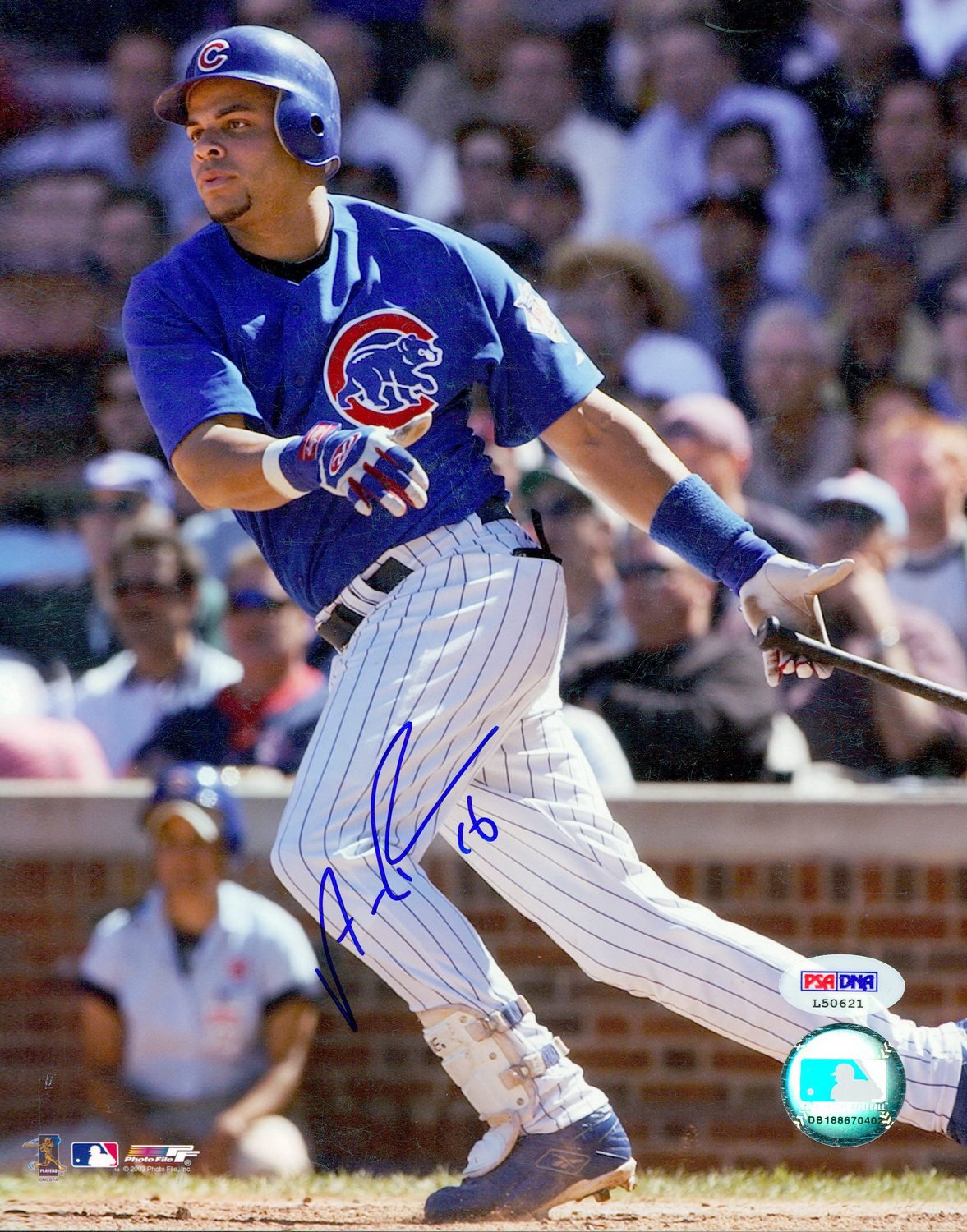
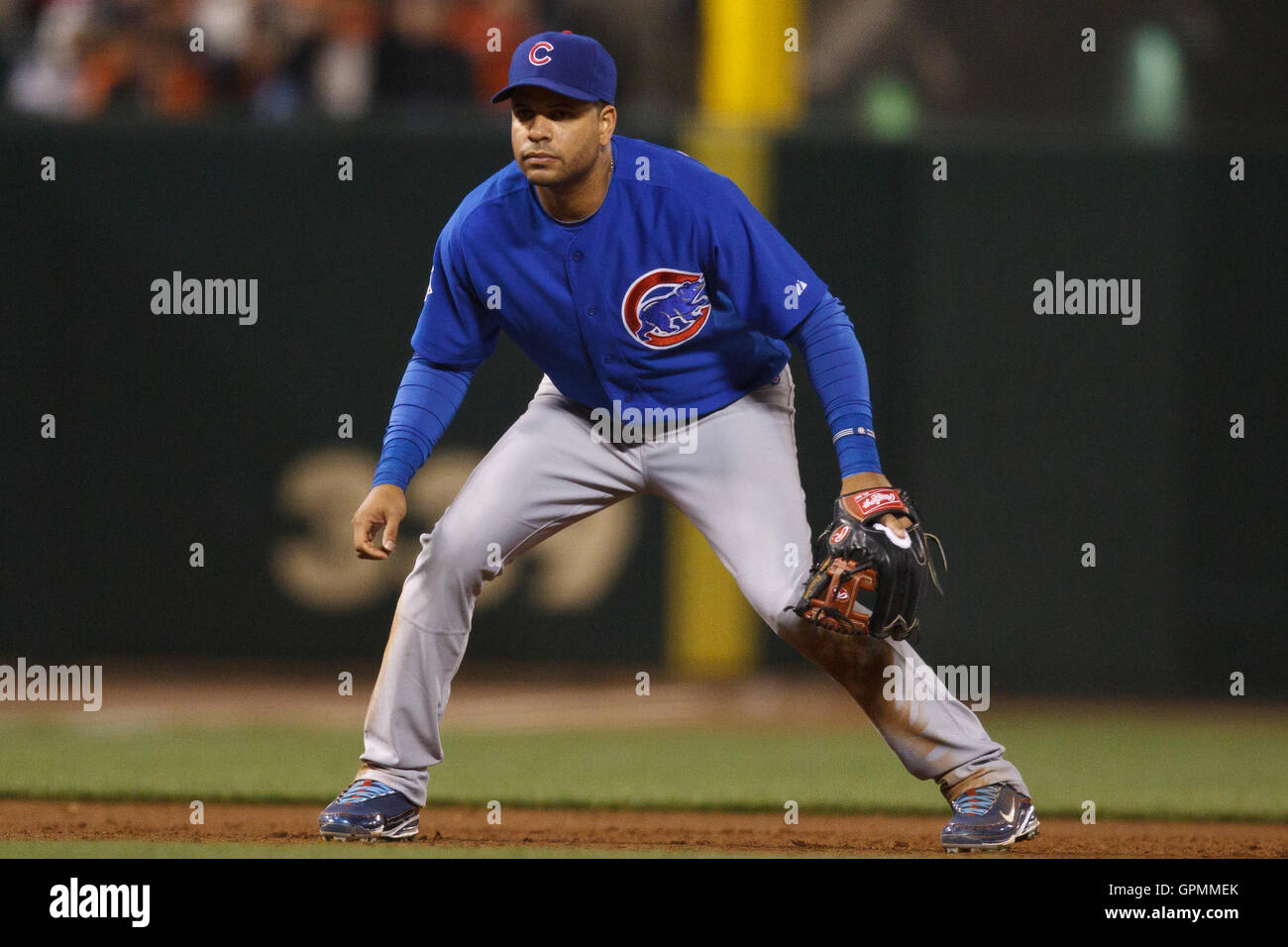
Aramis Ramirez is widely regarded as one of the greatest third basemen in Chicago Cubs history, providing nearly a decade of elite offensive production from 2003 to 2011. Acquired in a landmark mid-season trade from the Pittsburgh Pirates, Ramirez became the cornerstone of the Cubs' lineup, earning two All-Star selections and a Silver Slugger Award while leading the team to three postseason appearances.
The Landmark Trade: Summer 2003
The arrival of Aramis Ramirez in Chicago remains one of the most lopsided and impactful trades in the history of the franchise. In July 2003, the Cubs were a team with postseason aspirations but a glaring hole at third base. The front office, led by Jim Hendry, orchestrated a deal with the Pittsburgh Pirates that sent infielder José Hernández, prospect Bobby Hill, and pitcher Matt Bruback to Pittsburgh in exchange for Ramirez and veteran outfielder Kenny Lofton.
At the time, the Pirates were looking to shed salary, and Ramirez, though talented, was seen as an inconsistent young player. The Cubs, however, saw the potential for a middle-of-the-order powerhouse. The impact was immediate. Ramirez helped stabilize the "hot corner," a position that had been a revolving door for the Cubs since the retirement of Ron Santo. His presence in the lineup provided crucial protection for Sammy Sosa and Moises Alou, propelling the Cubs to the National League Central title and within one win of the World Series.
Statistical Dominance at the Hot Corner
During his nine-season tenure with the Cubs, Aramis Ramirez established himself as one of the premier power-hitting third basemen in the National League. While many players of his era relied on high strikeout rates to generate power, Ramirez was noted for his ability to hit for both a high average and significant power.
Year-by-Year Performance Highlights
Ramirez’s peak years coincided with a period of renewed relevance for the Cubs. In 2004, his first full season in Chicago, he posted a .318 batting average with 36 home runs and 103 RBIs. This season solidified his status as an elite offensive threat. He followed this with a 31-home run campaign in 2005 and a career-high 38 home runs in 2006, despite being limited to 129 games.
By the time he left Chicago following the 2011 season, his cumulative stats as a Cub were staggering:
- Batting Average: .294
- Home Runs: 239
- RBIs: 806
- Slugging Percentage: .531
- OPS: .887
These numbers place him near the top of almost every offensive category for Cubs third basemen. His 239 home runs as a Cub rank him among the franchise leaders, and his ability to drive in runs consistently made him the engine of the offense during the Lou Piniella era.
The "Clutch" Factor: Walk-offs and Big Moments
Beyond the raw statistics, Aramis Ramirez earned a reputation among the Wrigley Field faithful for his "clutch" hitting. He possessed an uncanny ability to perform in high-leverage situations, particularly in the late innings.
One of his most iconic moments occurred on June 29, 2007, against the Milwaukee Brewers. With the Cubs trailing in the bottom of the ninth inning, Ramirez launched a two-run, walk-off home run that ignited a summer surge, eventually leading the team to an unexpected division title. This knack for the dramatic was not an isolated incident; Ramirez recorded several walk-off hits during his tenure, often punctuating them with a calm, business-like trot around the bases that became his trademark.
His performance in the 2003 postseason also remains a point of historical significance. In the National League Championship Series (NLCS) against the Florida Marlins, Ramirez hit a grand slam in Game 4, further cementing his status as a big-game player. While the series ended in heartbreak for the franchise, Ramirez’s individual contributions were a primary reason the team reached that stage.
Defensive Evolution and Reputation
Early in his career, Ramirez was often criticized for his defensive play. Scouts noted that while he had a strong arm, his range and consistency on routine plays were lacking. However, after joining the Cubs, Ramirez dedicated significant effort to improving his glove work.
Under the tutelage of various coaches and through sheer veteran experience, he transformed into a reliable, if not spectacular, defender. He developed excellent "sure hands" and became adept at charging slow rollers—a necessity for any third baseman playing on the natural grass of Wrigley Field. While he never won a Gold Glove, his defensive Wins Above Replacement (WAR) improved as he matured, and he became a player the pitching staff could trust in critical defensive alignments.
Comparison of Legendary Cubs Third Basemen
To understand Ramirez's place in history, it is essential to compare him to other franchise icons who manned the same position. While Ron Santo remains the gold standard for Cubs third basemen due to his Hall of Fame career and defensive excellence, Ramirez’s offensive peak is arguably higher than any other player at the position in team history.
| Player | Tenure | Games | HR | RBI | AVG | OPS |
|---|---|---|---|---|---|---|
| Ron Santo | 1960–1973 | 2,126 | 337 | 1,290 | .279 | .841 |
| Aramis Ramirez | 2003–2011 | 1,124 | 239 | 806 | .294 | .887 |
| Kris Bryant | 2015–2021 | 832 | 160 | 465 | .279 | .880 |
| Stan Hack | 1932–1947 | 1,938 | 57 | 642 | .301 | .791 |
As the data shows, Ramirez maintained a higher OPS (On-base Plus Slugging) than Santo and Bryant during his time in Chicago, reflecting his superior ability to reach base and hit for extra bases simultaneously. While Santo played nearly double the games, Ramirez's per-game production remains some of the best the franchise has ever seen.
The Dynamic Duo: Ramirez and Derrek Lee
One cannot discuss Aramis Ramirez’s time with the Cubs without mentioning his partnership with first baseman Derrek Lee. From 2004 through 2010, Ramirez and Lee formed one of the most formidable "3-4 punches" in baseball.
The synergy between the two was vital for the team’s success. Lee’s high on-base percentage often meant that Ramirez came to the plate with runners on base, while Ramirez’s power prevented opposing pitchers from pitching around Lee. In 2005, when Lee was chasing the Triple Crown, Ramirez provided the necessary protection in the lineup that forced pitchers to engage with Lee. Together, they led the Cubs to consecutive division titles in 2007 and 2008, the first time the franchise had accomplished that feat in the divisional era.
Departure and the End of an Era
By 2011, the Cubs were entering a period of transition. The front office was overhauled, and the "Theo Epstein era" was about to begin, focusing on a long-term rebuild. Ramirez, then 33 years old, was still a highly productive player, but he no longer fit the timeline of a team looking to get younger.
Following the 2011 season, Ramirez became a free agent. Despite his desire to stay in Chicago, the team did not make a significant push to re-sign him. He eventually signed with the division-rival Milwaukee Brewers. His departure marked the end of a specific era of Cubs baseball—one defined by veteran star power and "win-now" mentalities. He left Chicago as a beloved figure, having provided stability and excitement during a decade that saw the Cubs transition from perennial losers to consistent contenders.
The Legacy of Number 16
In 2026, looking back at the history of the Chicago Cubs, Aramis Ramirez’s legacy is defined by consistency and professionalism. He was rarely the loudest voice in the clubhouse or the player seeking the most media attention, but he was the most reliable source of offense for nearly a decade.
He ranks among the top 10 in franchise history in several categories, including home runs and extra-base hits. For a generation of fans who grew up watching the Cubs in the early 2000s, Ramirez was the face of the offense. His jersey, number 16, remains a common sight at Wrigley Field, a testament to the lasting impact he had on the community.
While he may not have the Hall of Fame credentials of Ron Santo or the World Series ring of Kris Bryant, Ramirez occupies a unique middle ground. He was the bridge between the Sammy Sosa era and the 2016 championship era, proving that the Cubs could be a destination for elite talent and a perennial threat in the National League Central.
Frequently Asked Questions
Why was Aramis Ramirez traded from the Pirates to the Cubs?
The Pittsburgh Pirates were in a period of financial restructuring in 2003 and sought to shed the remaining salary on Ramirez’s contract. The Cubs, positioned for a playoff run, needed an upgrade at third base and were willing to take on his contract while giving up prospects and role players. It is now considered one of the best trades in Cubs history.
Did Aramis Ramirez ever win a World Series with the Cubs?
No. While Ramirez was a key part of the 2003, 2007, and 2008 playoff teams, the Cubs were unable to advance to the World Series during his tenure. The closest he came was in 2003, when the Cubs reached Game 7 of the NLCS.
How does Aramis Ramirez compare to Ron Santo?
Statistically, Ramirez was a more prolific power hitter on a per-game basis and maintained a higher batting average and OPS. However, Ron Santo is widely considered the greater overall player due to his elite defense (five Gold Gloves) and much longer tenure with the team.
What were Aramis Ramirez's career stats after leaving the Cubs?
After leaving the Cubs, Ramirez played three highly productive seasons with the Milwaukee Brewers, earning another All-Star nod in 2014. He finished his career back where it started, with the Pittsburgh Pirates, retiring after the 2015 season with 386 career home runs and over 1,400 RBIs.
Is Aramis Ramirez in the Cubs Hall of Fame?
While the Cubs officially established a team Hall of Fame in recent years, Ramirez’s inclusion is a frequent topic of debate. Given his statistical standing among franchise leaders, many historians believe his induction is a matter of "when," not "if."
Final Verdict: An Indelible Mark on Wrigley
Aramis Ramirez remains the standard for modern third-base play in Chicago. His combination of power, batting average, and clutch performance provided the Cubs with a level of stability at the hot corner that is rarely seen in professional baseball. For fans and analysts alike, evaluating the "best" Cubs of the 21st century always requires a prominent place for the man who wore number 16. If you are looking to understand the DNA of the Cubs' successful mid-2000s teams, looking at the production and reliability of Aramis Ramirez is the best place to start.