Participating in an Antarctica marathon is a high-stakes endurance challenge that requires months of specialized physical training, significant financial investment, and rigorous logistical coordination. Athletes must secure a place through specialized tour operators, pass mandatory medical screenings, and prepare for extreme sub-zero conditions, erratic weather, and the physical toll of navigating unstable, snow-covered, or icy terrain in one of the most remote environments on Earth.
The Landscape of Antarctic Racing
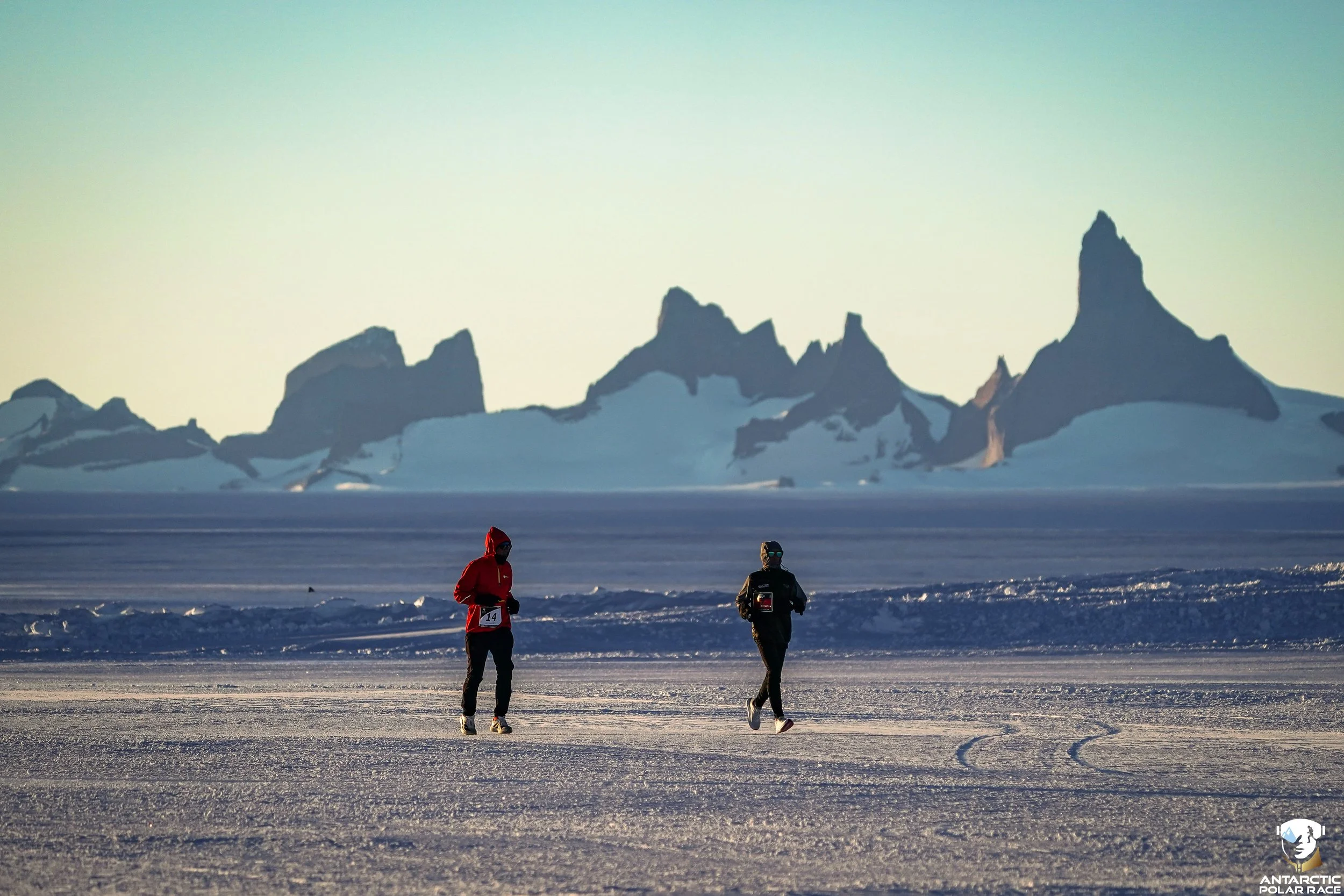
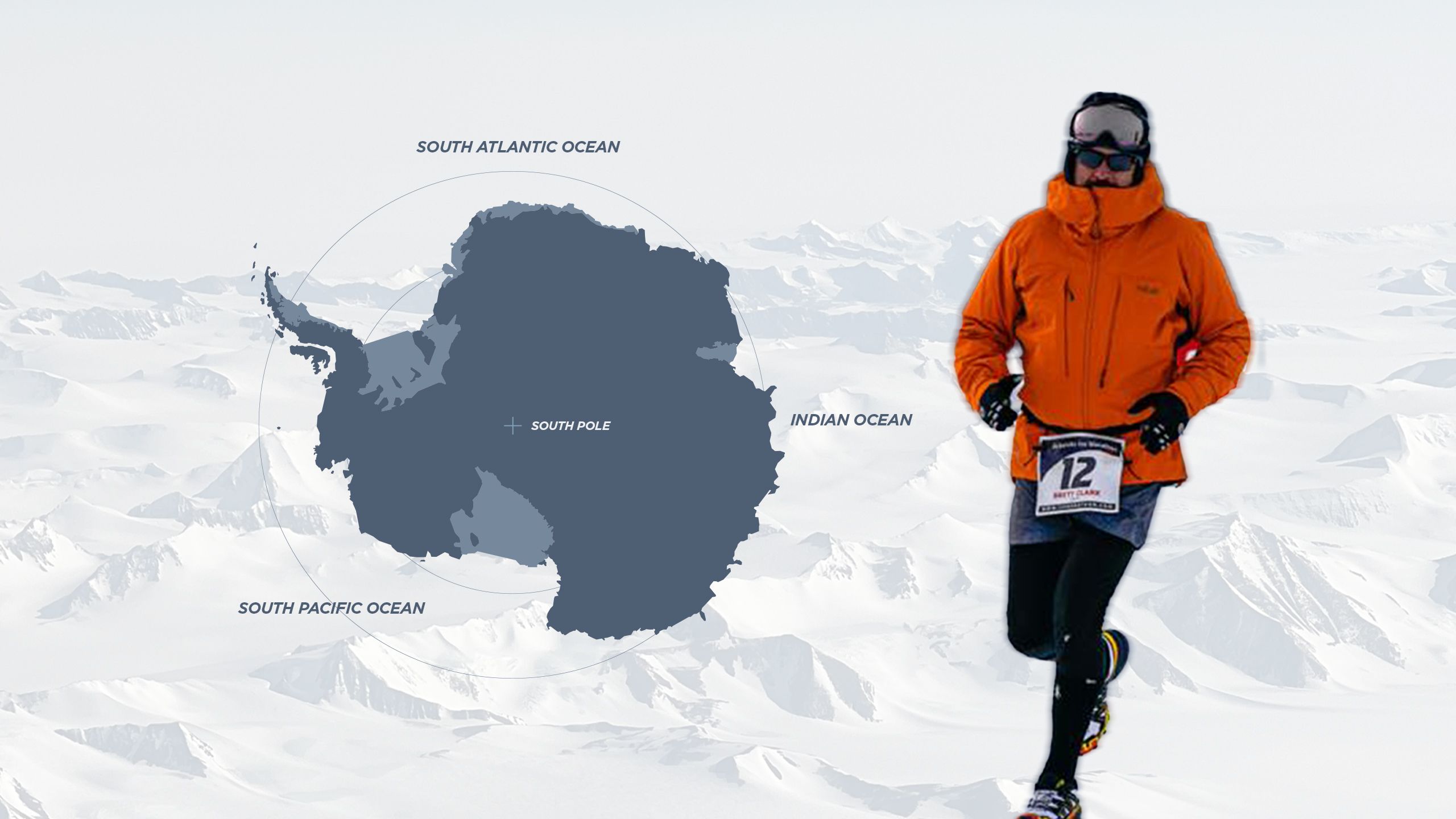
The term "Antarctica marathon" typically refers to organized events hosted on the Antarctic continent, most notably the Antarctic Ice Marathon, which is recognized as the southernmost marathon on Earth. Unlike traditional road races, these events are expedition-style logistics operations. Because there is no public infrastructure or permanent civilian hosting facility, every aspect of the race—from the course layout to emergency medical support—is managed by private expedition companies that transport participants via specialized aircraft, usually departing from Punta Arenas, Chile.
These races are distinct from "marathon cruises," which are recreational, non-competitive shore excursions. A true Antarctica marathon requires runners to navigate the interior of the continent, often at or near the foot of the Ellsworth Mountains. The environment is categorized by extreme cold, high-altitude exposure, and the presence of "katabatic" winds—gravity-driven winds that can gust at hurricane speeds with little warning.
Logistics, Eligibility, and Enrollment
Securing a spot in an Antarctic race is not a matter of standard online registration. Access is strictly controlled, and the window for entry often closes 12 to 18 months in advance due to the extreme limitations on flight capacity and cargo limits on the continent.
Prerequisites for Entry
- Medical Clearance: Every participant must undergo a comprehensive medical assessment. Because emergency evacuation from Antarctica can take days or weeks depending on weather, individuals with certain cardiac, respiratory, or mobility issues are generally ineligible.
- Physical Fitness: These races are rarely "run" in the traditional sense; they are often "survival-run" efforts. Previous experience with long-distance trail running, particularly in cold environments, is a common prerequisite requested by organizers.
- Financial Commitment: As of 2026, the cost of participation ranges significantly based on the operator and package inclusions. You must budget for the race entry fee (which covers internal flights, specialized equipment transport, and lodging) as well as the high cost of gear, travel to the departure city, and comprehensive medical evacuation insurance, which is often a mandatory purchase.
Equipment and Technical Gear Requirements
The difference between success and a medical emergency in Antarctica lies in your gear system. Standard running attire is insufficient and dangerous. You must adhere to a strict "layering system" to manage moisture and body heat.
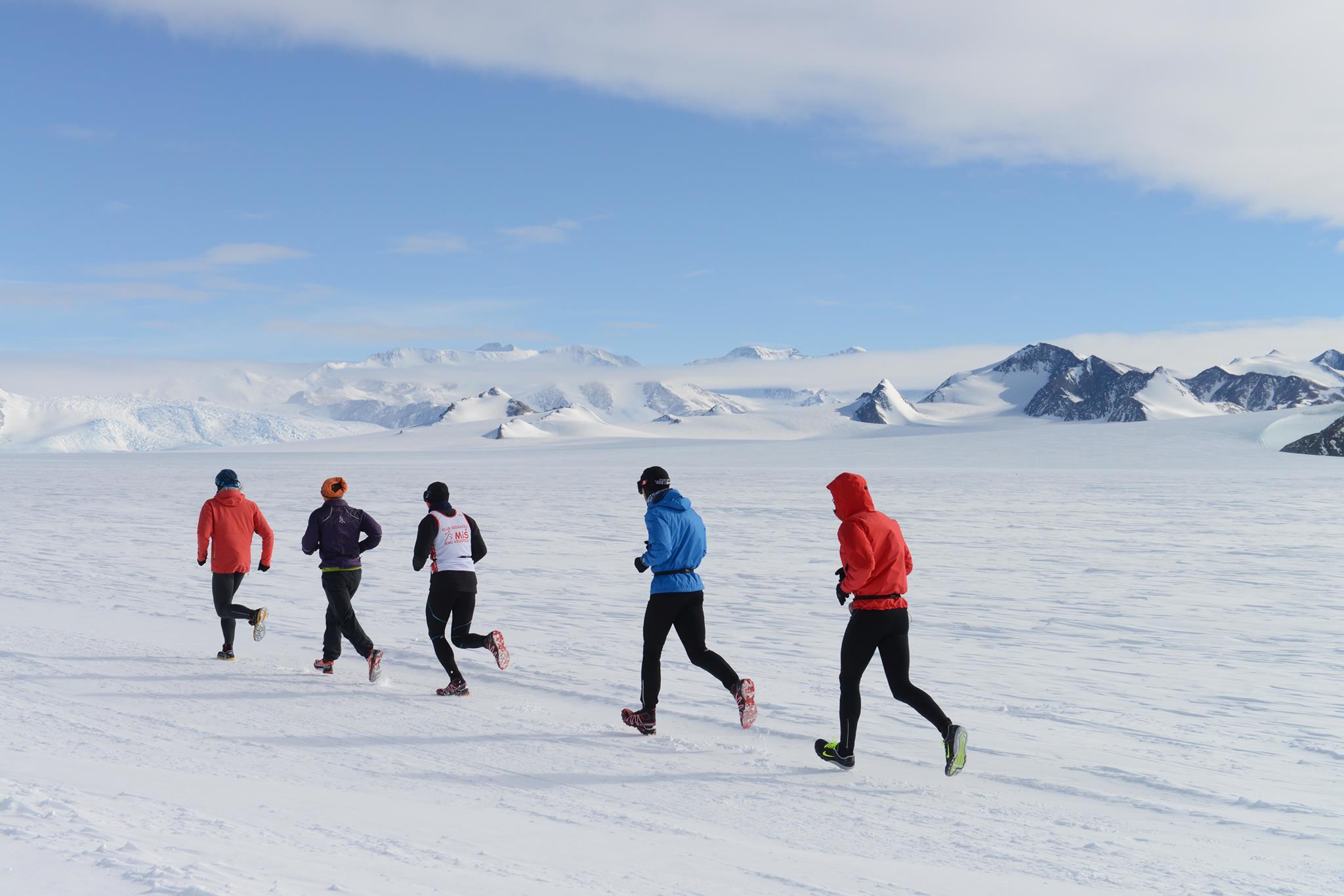
- Footwear: Standard road shoes are unsuitable. Participants typically use trail shoes with aggressive lugs or specialized spiked attachments to maintain traction on hard-packed snow and blue ice.
- The Layering Principle:
- Base Layer: Moisture-wicking synthetic or merino wool. Never use cotton, which loses insulation value when damp.
- Mid Layer: Fleece or lightweight down for thermal retention.
- Outer Layer: A windproof and breathable shell designed for high-exertion activities.
- Protection: Eye protection is mandatory. The high albedo (reflectivity) of the ice and snow can cause "snow blindness" within minutes. UV-rated goggles that provide side coverage are essential.
Comparison of Expedition Variables
When choosing a race or expedition, consider the following technical factors that distinguish one Antarctic experience from another.
| Feature | Antarctic Ice Marathon | Recreational Marathon Cruises |
|---|---|---|
| Location | Interior (Ellsworth Mountains) | Coastal/Peninsula |
| Terrain | Snow/Ice (Groomed) | Rocky, beaches, or ship decks |
| Environment | Extreme, high altitude | Temperate (Antarctic Summer) |
| Primary Goal | Competitive race/Endurance | Tourism/Adventure |
| Logistics | Private charter flight | Expedition vessel/Ship |
Managing Physical and Mental Stress
The physical toll of an Antarctic marathon is compounded by the environment. Your heart rate will naturally increase at higher altitudes, and the constant effort of running on uneven surfaces utilizes stabilizer muscles that are often underutilized in flat-road training.
Mental preparation is equally critical. The landscape is monochromatic—white, grey, and blue—which can lead to sensory deprivation and distorted depth perception. This affects your ability to gauge pace and distance. Expert runners recommend focusing on "segmenting" the race; rather than thinking of the full 26.2 miles (42.2 kilometers), focus on reaching the next aid station or designated wind-shelter checkpoint.
Safety and Regulatory Framework
Antarctic operations are governed by the Antarctic Treaty System, which mandates strict environmental protection standards. Every item you bring onto the continent must be accounted for; the "Leave No Trace" principle is absolute. You are legally responsible for any waste you produce.
From a safety perspective, the "Golden Hour" concept does not exist in Antarctica. If you suffer an injury, you may be stuck in a base camp for multiple days due to "weather holds." All participants are expected to have a baseline understanding of frostbite, hypothermia, and high-altitude pulmonary edema (HAPE) symptoms. While medical staff are present at sanctioned races, they may be miles away from your specific location on the course at any given time.
Frequently Asked Questions
1. Is a marathon in Antarctica considered a standard qualifier for other majors? No. Most international marathon governing bodies do not recognize Antarctic courses as official qualifying times for events like the Boston Marathon. The extreme weather, altitude, and varied terrain make these times non-comparable to standard road races.
2. How do I train for the cold without living in a cold climate? Athletes often use "heat-acclimation" training in reverse—spending time in walk-in freezers or training in high-altitude chambers to force the body to adapt to the physiological stress of the environment. However, the most effective preparation remains long-duration trail running on uneven, unstable surfaces.
3. What happens if the weather turns bad on race day? Expedition leaders have the final authority to delay, shorten, or cancel the race entirely. Weather conditions in Antarctica can shift from clear skies to a white-out blizzard in less than an hour. Flexibility is the most important trait a participant can possess.
4. Does the sun set during the marathon? During the austral summer (the typical race season of November to January), the region experiences 24-hour daylight. This can disrupt your circadian rhythm, making sleep difficult. Bring high-quality eye masks and earplugs to maintain your rest schedule.
5. Are there specific visa requirements for Antarctica? Antarctica has no government or sovereign borders. Instead, you must satisfy the visa requirements of the country through which you depart (usually Chile) and adhere to the environmental protocols dictated by your expedition operator, who must hold a permit from their home country’s Antarctic authority.
Final Next Actions
If you are planning to commit to an Antarctica marathon, your first step should be to audit your current athletic endurance level and secure your financial contingency fund. Do not purchase gear before booking your spot, as specific expeditions may have unique requirements for equipment compatibility (such as specific types of crampons or gaiters). Contact an established, authorized Antarctic expedition organizer to review their current 2026/2027 calendar and request their medical eligibility packet. Ensure your personal insurance carrier explicitly covers emergency medical evacuation from Antarctica; standard travel insurance policies rarely cover this region.