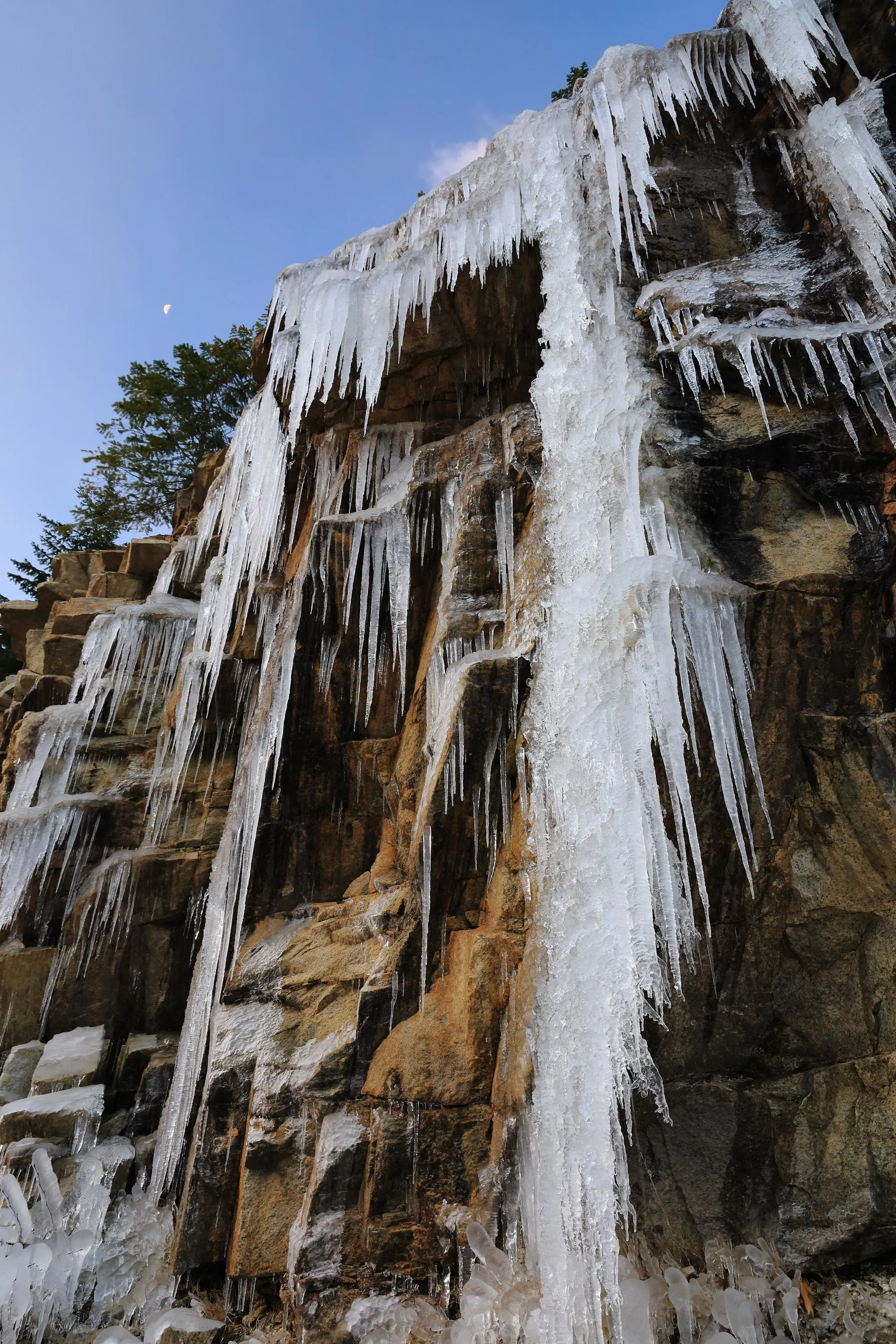
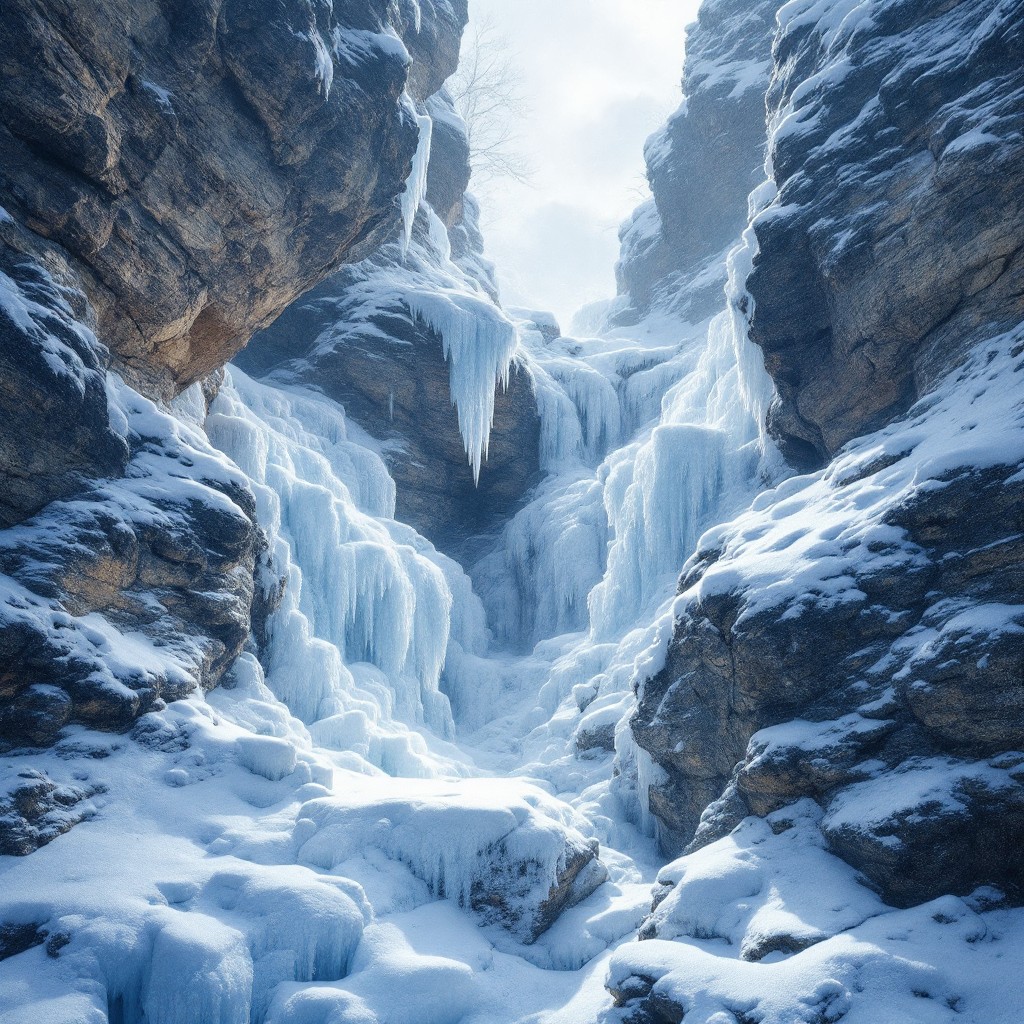
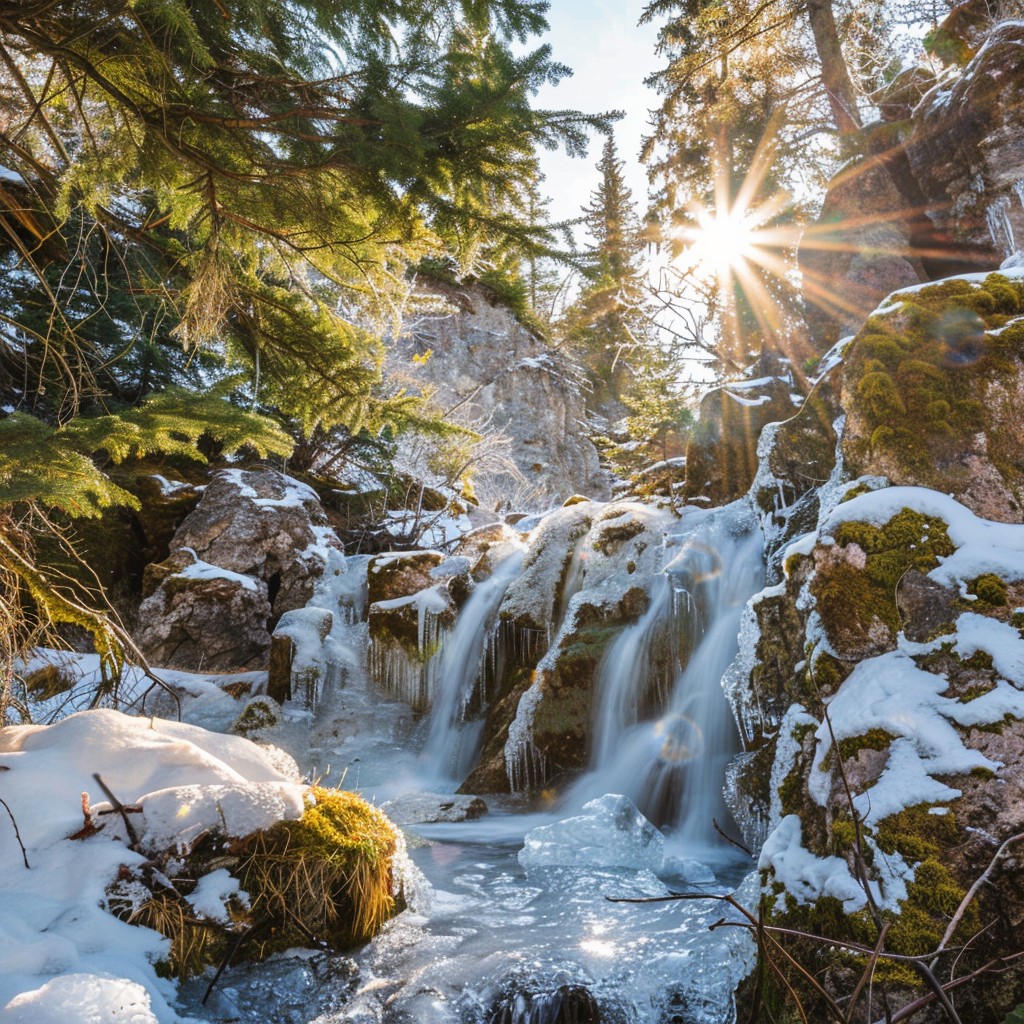
The "Antarctica waterfall" commonly refers to Blood Falls, a natural phenomenon in the McMurdo Dry Valleys of East Antarctica. Rather than a frozen cascade of water, it is a subglacial hypersaline brine that discharges iron-rich, oxidized water onto the white surface of the Taylor Glacier. When the salty, iron-rich fluid encounters the oxygen-heavy atmosphere, it turns a striking, rust-red color, creating the illusion of a bleeding glacier.
Understanding the Geology of the Taylor Glacier
To grasp why a "waterfall" exists in a landscape characterized by extreme cold and ice, one must first look at the unique geology of the Taylor Glacier. Situated in the McMurdo Dry Valleys—one of the driest, coldest desert environments on Earth—the glacier acts as a massive physical barrier. Beneath this ancient sheet of ice lies an entrapped brine pool that has been isolated from the rest of the world for approximately two million years.
The water source is not a traditional mountain stream or snowmelt runoff. Instead, it originates from a subterranean lake that was once connected to a prehistoric fjord. As sea levels receded and the Taylor Glacier advanced, it sealed off the lake. Over millions of years, the water became hypersaline—nearly three times as salty as the ocean—which prevents it from freezing even at temperatures well below the standard freezing point of pure water. This "frozen" environment allows liquid water to persist in a state of high pressure beneath the crushing weight of the ice.
The Science of the "Bleeding" Effect
The iconic red color of the Antarctic waterfall is not caused by blood, algae, or volcanic activity, but by a process of intense oxidation. The brine, deep beneath the ice, remains in an anaerobic environment, meaning it is devoid of oxygen. As the salty liquid is forced through fissures in the glacier due to the pressure exerted by the ice overhead, it finally contacts the air at the terminus of the glacier.
The chemical transition is rapid. The brine is rich in ferrous iron, which is clear or pale when in a reduced state. Upon exposure to the atmosphere’s oxygen, the iron undergoes a chemical reaction, precipitating as iron oxide—essentially the same rust that forms on iron when exposed to moisture and oxygen. This process coats the white ice with a vibrant, permanent stain, creating the visual effect of a waterfall that appears to be bleeding.
Why It Is Not Truly Frozen
Terminology surrounding the "frozen cascade" can be confusing. While the glacier itself is composed of ice, the feature known as Blood Falls is a liquid flow. The high salinity lowers the freezing point of the brine significantly, allowing it to remain liquid even when the surrounding ambient air temperature is far below zero degrees Celsius.
This creates a paradox: a liquid waterfall existing in one of the most hostile, sub-zero environments on the planet. Researchers studying the site emphasize that the movement of this brine is a slow, continuous process. It is not a rushing torrent like a waterfall in a tropical climate; it is more of a slow, seeping discharge that accumulates over time, dictated by the internal pressures of the glacier as it shifts and flows toward the Ross Sea.
Biological Significance: Life in the Extreme
Beyond its visual appeal, Blood Falls is a subject of significant interest in astrobiology. Scientists have discovered a community of extremophilic bacteria living within the subglacial brine. These microorganisms have survived for millions of years in complete darkness, without photosynthesis, and under extreme pressure.
Their metabolic process relies on the sulfur and iron cycles, effectively "eating" the rock and using the iron to facilitate their chemical reactions. By studying these organisms, researchers believe they have found a terrestrial analog for life that could exist in similar conditions elsewhere in the solar system, such as under the icy shells of moons like Europa (orbiting Jupiter) or Enceladus (orbiting Saturn). The ecosystem proves that life can persist in extreme isolation if a chemical energy source is available.
Comparative Characteristics of Glacial Discharges
To better understand the rarity of this phenomenon, it is helpful to contrast the properties of the Taylor Glacier discharge with traditional meltwater systems.
| Feature | Typical Glacial Meltwater | Blood Falls Brine |
|---|---|---|
| Origin | Surface snow/ice melt | Trapped subglacial lake |
| Salinity | Very low (freshwater) | Hypersaline (3x ocean salt) |
| Color | Clear or opaque white/blue | Deep rust-red |
| Oxygenation | Aerobic (high oxygen) | Anaerobic (devoid of oxygen) |
| Biological State | Limited, transient organisms | Stable, ancient extremophile colony |
Logistics and Access
Accessing the site of the Antarctic waterfall is highly regulated and restricted. The Taylor Glacier is located within a protected area of the Ross Dependency, managed by the National Science Foundation (NSF) and international partners operating under the Antarctic Treaty System.
- Permitting: Scientific research in the McMurdo Dry Valleys requires rigorous approval from national programs (such as the U.S. Antarctic Program).
- Environmental Safety: Because the area is a pristine, sensitive ecosystem, strict "Leave No Trace" protocols are enforced to ensure no contaminants or foreign microbes are introduced to the ancient brine.
- Logistical Difficulty: The site is reachable only by helicopter from research stations such as McMurdo Station. Weather conditions in the Dry Valleys are notoriously volatile, with high winds and sudden storms making access unpredictable.
- Current Status (2026): As of 2026, entry is limited exclusively to authorized research personnel and environmental monitoring teams. There is no public tourism access to the immediate vicinity of the falls.
Frequently Asked Questions
Is it actually blood coming out of the glacier? No. The red color is purely the result of iron oxide (rust). When the iron-rich brine hits the oxygen in the air, the chemical reaction turns the liquid a deep, blood-red color.
Can you touch the water at Blood Falls? No. Aside from the logistical impossibility of visiting for most people, the site is a protected scientific zone. Touching the brine would potentially contaminate the rare, ancient microbial community living inside.
How is the water still liquid in Antarctica? The high salt concentration (salinity) of the water lowers its freezing point significantly. This allows it to remain in a liquid state even when the ambient temperatures are well below the freezing point of pure water.
How old is the water trapped under the glacier? Evidence suggests the water has been trapped beneath the Taylor Glacier for approximately two million years, effectively isolating it from the surface environment during that entire period.
Why is this site important for space exploration? It acts as a "field laboratory" for astrobiology. If life can survive for two million years in the dark, cold, and high-pressure environment of the subglacial brine, it suggests that similar life forms could exist in the subsurface oceans of icy moons in our solar system.
Recommendations for Further Study
For those interested in the ongoing research surrounding this phenomenon, the most reliable information is found through the official reports of the United States Antarctic Program (USAP) and peer-reviewed studies published in journals such as Earth and Planetary Science Letters.
Because physical access is restricted, the best way to interact with this subject is to review the data sets provided by the scientists who conduct annual monitoring at the site. These reports provide the most accurate technical documentation of the brine flow rates and chemical composition. As you explore this, prioritize information that focuses on the cryospheric and astrobiological implications, as these represent the most credible scientific inquiries into why this "frozen cascade" continues to defy the harsh realities of the Antarctic landscape.