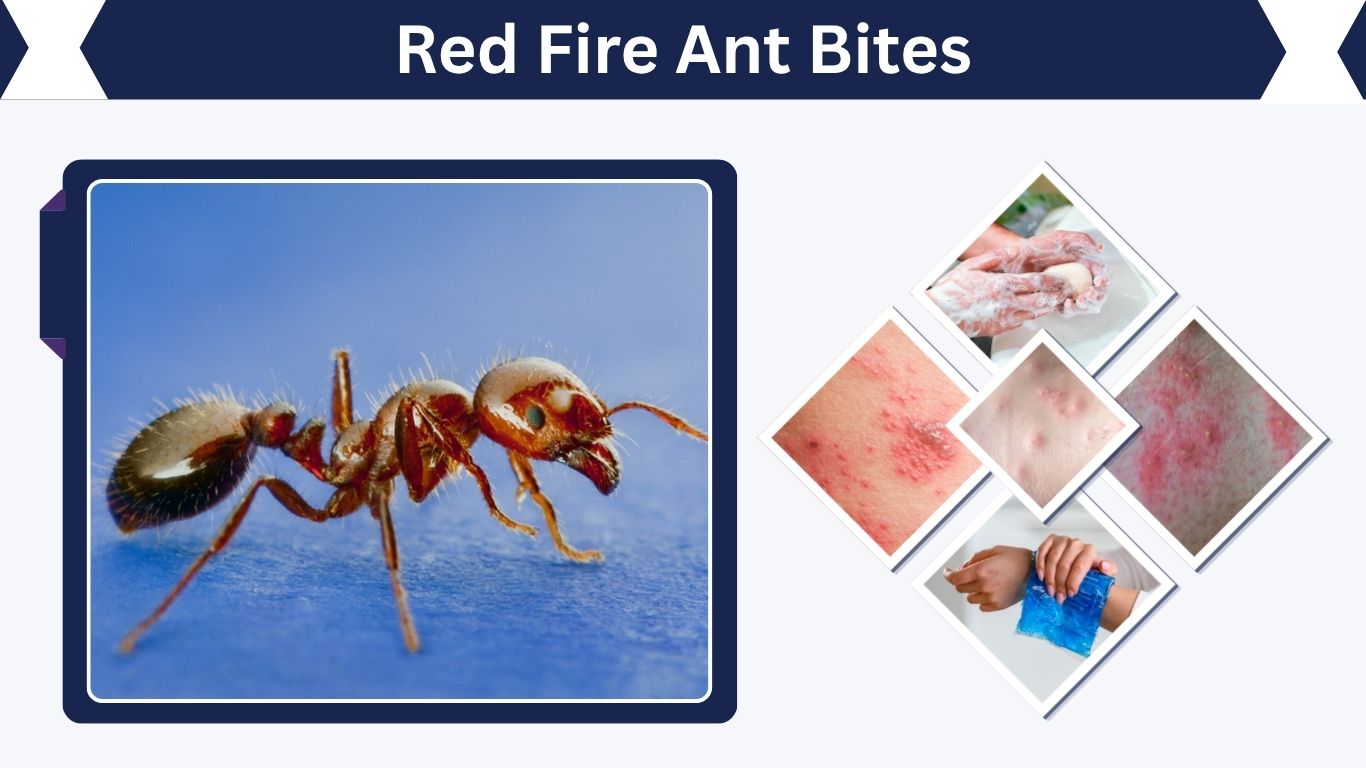
Ant bites on the back are a common nuisance, often resulting in localized skin irritation, inflammation, and discomfort. Because the back is a difficult area to reach, self-treatment and monitoring can be challenging, necessitating a structured approach to symptom management, hygiene, and timely medical evaluation.
When you discover ant bites on your back, the primary goals are to prevent infection, manage the allergic inflammatory response, and identify the specific type of ant involved to determine if more specialized medical care is required. Bites typically appear as small, red, itchy, or stinging bumps that may progress to fluid-filled blisters within 24 hours. While most bites are benign, the back's location makes it prone to friction from clothing, which can irritate the site and delay healing. Proper cleaning, cooling, and avoiding secondary trauma are the most effective ways to manage the recovery process at home.
Identifying the Culprit: Common Ant Species
Not all ant bites are identical, and understanding the behavior of common household and garden ants can help you anticipate the severity of your reaction.
Fire Ants (Solenopsis invicta)
Fire ants are notorious for their aggressive stinging behavior. Unlike many other ants that bite with their mandibles, fire ants grasp the skin with their jaws and pivot their abdomens to inject venom via a stinger. This venom contains piperidine alkaloids, which are responsible for the intense burning sensation. Within a day, these bites typically form a white, sterile pustule—a hallmark of fire ant encounters.
Carpenter Ants (Camponotus spp.)
These large, wood-destroying ants do not possess a stinger. Instead, they bite with their powerful mandibles and may spray formic acid into the wound. This acid creates a sharp, stinging pain that persists for a short duration. While the bite itself is rarely dangerous, the sensation can be quite sharp, and the chemical irritation may lead to mild swelling.
Pavement Ants (Tetramorium caespitum)
Pavement ants are generally less aggressive and are usually found nesting in cracks in concrete or under rocks. Their bites are typically minor, producing small red spots that feel itchy or slightly painful. They are rarely a medical concern unless an individual has a specific allergy to insect venom.
Immediate First Aid and Skin Care
If you suspect you have been bitten on your back, swift action can limit the duration of symptoms. Because you cannot easily see or reach your own back, enlist the help of someone else or use a long-handled applicator to apply treatments.
- Cleanse the Area: Use mild soap and cool water to gently wash the affected region. Avoid scrubbing, as this can break the skin and increase the risk of secondary bacterial infection, such as staphylococcal or streptococcal infections.
- Cooling Protocols: Apply a cold compress or a clean cloth soaked in cold water to the back. Cold therapy constricts blood vessels, which helps reduce swelling and dulls the nerve signals that interpret pain and itching.
- Topical Relief: Apply an over-the-counter hydrocortisone cream or calamine lotion to the area. For those who cannot reach their back, these products can be applied to a sterile gauze pad and taped to the end of a ruler or specialized applicator.
- Avoid Scratching: Scratching is the most frequent cause of secondary infection. If the itching is severe, cover the bites with a loose, breathable bandage or wear a loose-fitting cotton shirt to prevent direct friction from clothing.
Comparison of Symptom Management Strategies
| Method | Purpose | Application Notes |
|---|---|---|
| Cold Compress | Reduces swelling | Apply for 10-15 minutes at a time. |
| Hydrocortisone (1%) | Decreases inflammation | Use sparingly to manage itching. |
| Calamine Lotion | Provides a cooling barrier | Good for weeping or blistered bites. |
| Oral Antihistamines | Controls systemic itch | Consult a pharmacist for dosage. |
| Baking Soda Paste | Neutralizes acidity | Mix with water to create a thick paste. |
Recognizing Severe Reactions
While localized reactions are the norm, systemic reactions can occur, especially in individuals with known allergies to Hymenoptera (the order containing ants, bees, and wasps). You must seek emergency medical attention if you experience:
- Difficulty breathing or wheezing.
- Swelling of the throat, tongue, or facial features.
- Dizziness, lightheadedness, or loss of consciousness.
- Hives spreading rapidly away from the site of the bites.
- Nausea or abdominal cramping.
If you have a known history of severe allergic reactions (anaphylaxis), keep your prescribed epinephrine autoinjector accessible and seek immediate medical evaluation, even if symptoms seem mild initially.
The Role of Topical vs. Systemic Treatment
For minor bites, local treatment is usually sufficient. However, if you have been bitten multiple times—such as sitting on an ant mound—your immune system may mount a more robust response.
Over-the-counter oral antihistamines, such as cetirizine or loratadine, can help mitigate the histamine-driven itching that often makes back bites difficult to ignore. If the bites are particularly numerous or widespread on the back, an oral medication may provide more consistent relief than localized creams alone. Always review the product label or consult with a healthcare professional regarding dosage, especially if you are taking other medications.
Managing the Environment: Prevention
Once the bites have been addressed, identify the source of the infestation to prevent repeat occurrences. Ants are primarily attracted to the back area when individuals are stationary in grass, soil, or near structural entry points.
- Inspection: Check patio furniture, deck areas, and garden borders for signs of anthills.
- Barriers: When sitting outdoors, use a physical barrier such as a blanket or chair. Avoid placing bare skin directly against the ground.
- Repellents: If you are working in areas known to have fire ants, consider wearing permethrin-treated clothing or using insect repellents containing DEET or picaridin on exposed skin, though be mindful that these should not be applied to existing, broken-skin bites.
When to Consult a Professional
Professional medical advice is necessary if the bites show signs of worsening rather than improving. Look for:
- Signs of Infection: Increasing redness, heat radiating from the site, yellow or green pus, or red streaks extending away from the bite area.
- Persistent Symptoms: If the itching and swelling do not subside after 48 to 72 hours, or if they continue to spread.
- Blister Rupture: If the sterile pustules common with fire ants rupture and become open wounds, keep them clean and dry. If they do not crust over or show signs of oozing, see a doctor to discuss topical antibiotic options.
Frequently Asked Questions
Why do ant bites on my back itch so much more at night?
Itching is a neurological signal that is often suppressed by daytime distractions. At night, with fewer external stimuli, the body becomes more aware of sensory input. Additionally, lying on your back puts pressure on the bites and trapped body heat may exacerbate the sensation of heat and irritation.
Should I pop the fluid-filled blisters from fire ant bites?
No. You should never intentionally rupture a blister or pustule. The skin covering the blister acts as a natural, sterile biological dressing that protects the underlying tissue from bacteria. Breaking this barrier dramatically increases the risk of infection.
Can I use vinegar to treat ant bites?
Some people use diluted vinegar to soothe insect bites, believing the acidity helps neutralize the sting. However, vinegar provides no clinical benefit for the inflammation associated with ant venom and may irritate broken skin. It is generally better to stick to established over-the-counter options like hydrocortisone.
How long does it take for ant bites on the back to heal?
Small, uncomplicated bites typically begin to show improvement within 2-3 days and may resolve completely within a week. If the bites were particularly deep or if there is a secondary reaction, the spots can remain visible as pigmented marks for several weeks after the inflammation subsides.
Do I need a tetanus shot if I get bitten by ants?
Ant bites are generally not a vector for tetanus. However, if the area of the bite becomes severely infected, contaminated with soil, or involves significant tissue necrosis, a healthcare provider might assess your tetanus immunization status as part of standard wound care management.
Conclusion and Next Actions
Managing ant bites on the back is largely a matter of patience, hygiene, and the appropriate use of standard skin-soothing products. Start by cleansing the area thoroughly and applying a cold compress to manage the immediate discomfort. Monitor the site daily for signs of infection such as spreading redness or pus. If the bites are numerous, causing systemic symptoms, or if you have a known allergy, consult a medical professional promptly. By maintaining a clean environment and utilizing protective gear during outdoor activities, you can significantly reduce the risk of future encounters.