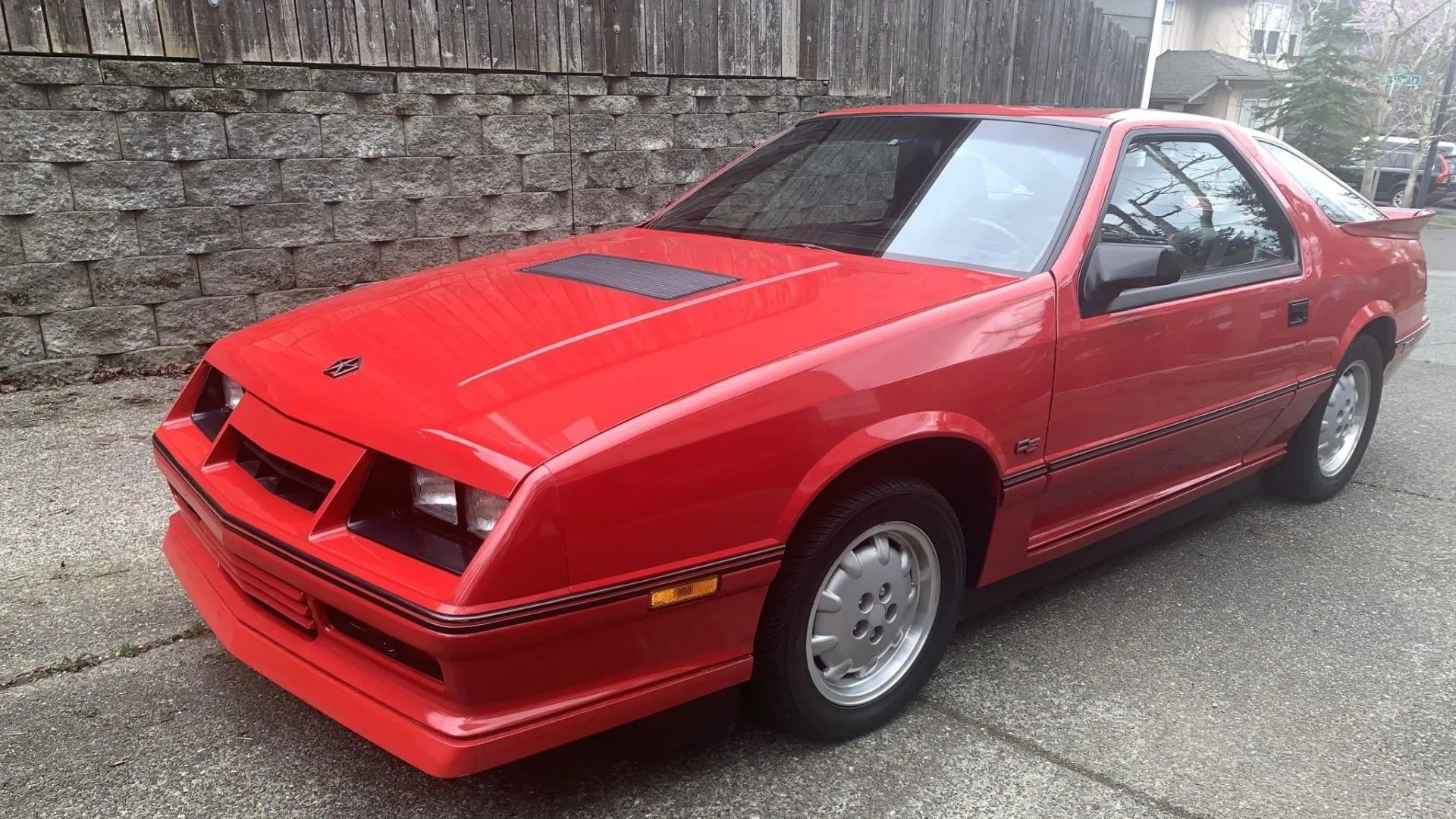
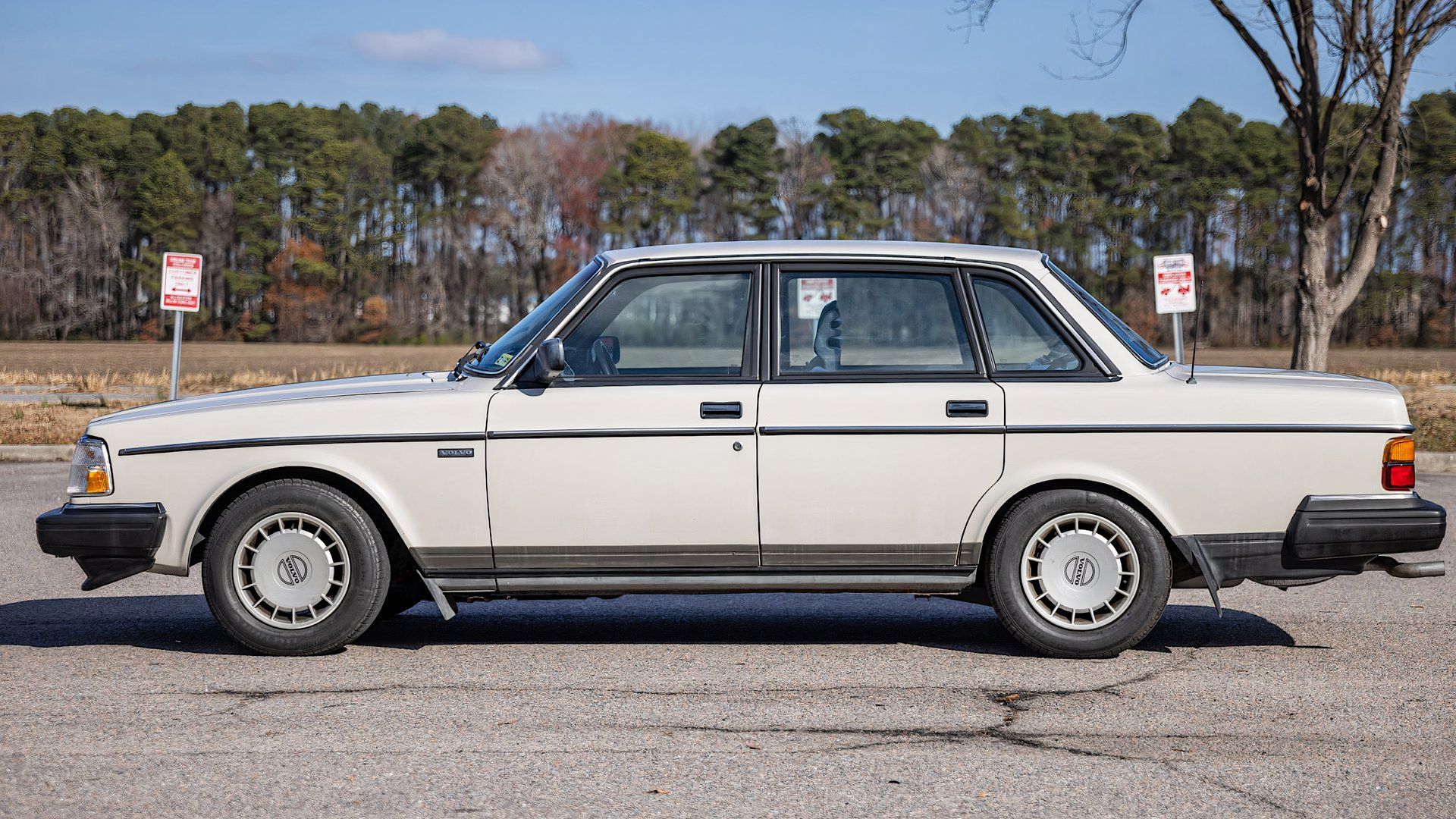
American cars from the 80s represent a transformative decade defined by the transition from heavy, carbureted "Malaise Era" dinosaurs to technologically advanced, fuel-injected performance machines. While once dismissed as unreliable, these vehicles are now premier collectibles in 2026, prized for their "Radwood" era aesthetics, manageable mechanicals, and significant historical impact on modern automotive design.
The 1980s were a decade of survival and reinvention for Detroit’s "Big Three"—General Motors, Ford, and Chrysler. Facing stringent CAFE (Corporate Average Fuel Economy) standards, increasing competition from Japanese imports, and the lingering effects of the 1979 energy crisis, American manufacturers were forced to innovate. This era saw the birth of the modern minivan, the rise of the front-wheel-drive (FWD) platform, and the first widespread use of electronic fuel injection (EFI) and onboard diagnostics.
The Technological Pivot: From Vacuum Lines to Silicon Chips
To understand the American car of the 1980s, one must understand the technological "identity crisis" of the era. The decade began with engines choked by primitive smog pumps and complex vacuum-line routing, often resulting in dismal horsepower figures. However, by the mid-80s, the industry shifted toward computer-controlled engine management.
The Rise of Electronic Fuel Injection (EFI)
Early 80s models often featured "Throttle Body Injection" (TBI), which acted as an electronic carburetor. As the decade progressed, more sophisticated "Multi-Port Fuel Injection" (MPFI) and "Tuned Port Injection" (TPI) systems became the standard for performance. These systems allowed for precise fuel metering, which finally enabled American V8s to regain the power lost during the 1970s while meeting emission standards. For the collector in 2026, these systems are a double-edged sword: they offer better reliability than carburetors but require specific knowledge of early OBD-I (On-Board Diagnostics) systems and aging capacitors in Engine Control Units (ECUs).
Aerodynamics and the "Jellybean" Revolution
In 1983, Ford released the Thunderbird, followed by the 1986 Taurus. These cars moved away from the "folded-paper" boxy styling of the 1970s toward a rounded, aerodynamic "aero" look. This wasn't just for fashion; reducing the drag coefficient was essential for meeting fuel economy targets. This shift defined the visual language of American roads for the next twenty years.
The Icons of Performance: Reclaiming the Street
While the early 1980s were dark years for speed enthusiasts, the mid-to-late part of the decade produced some of the most iconic performance vehicles in American history. These cars have seen the highest appreciation in value as of 2026.
The Buick GNX and Grand National
Perhaps the most "un-Buick" car ever made, the Grand National and the ultimate 1987 GNX proved that six cylinders could beat eight. By using a turbocharged 3.8L V6, Buick created a "Darth Vader" blacked-out coupe that could out-accelerate contemporary Corvettes and even some Ferraris. The GNX, with only 547 units produced, remains the "Holy Grail" of 80s American muscle.
The Ford Mustang (Fox Body)
The Fox Body Mustang (1979–1993) is the car that saved the American pony car. It was lightweight, rear-wheel drive, and featured the legendary 5.0L High Output (HO) V8. The simplicity of the Fox platform made it a favorite for tuners. In 2026, clean, unmolested 5.0 LX and GT models are increasingly rare, as many were modified or raced heavily in previous decades.
The Chevrolet Corvette C4
Launching in 1984, the C4 Corvette was a radical departure from the aging C3. It featured a digital dashboard, a focus on lateral handling (reaching 1.0g on the skidpad), and an innovative (if polarizing) "4+3" manual transmission by Doug Nash. While early "Cross-Fire Injection" models are less desirable, the later L98 and the 1989 introduction of the ZR-1 (developed with Lotus) cemented the Corvette’s status as a world-class supercar.
The Practical Revolution: Minivans and K-Cars
You cannot discuss 80s American cars without mentioning the vehicles that literally saved corporations from bankruptcy. These weren't "cool" at the time, but they are now celebrated as landmarks of industrial design.
The Chrysler K-Car Platform
In the early 80s, Chrysler was on the brink of collapse. Under Lee Iacocca, the company developed the K-Platform (Dodge Aries and Plymouth Reliant). These front-wheel-drive, fuel-efficient, and space-optimized cars provided the cash flow necessary for Chrysler to survive. This platform was remarkably versatile, eventually underpinning everything from luxury sedans to the first modern minivans.
The Birth of the Minivan
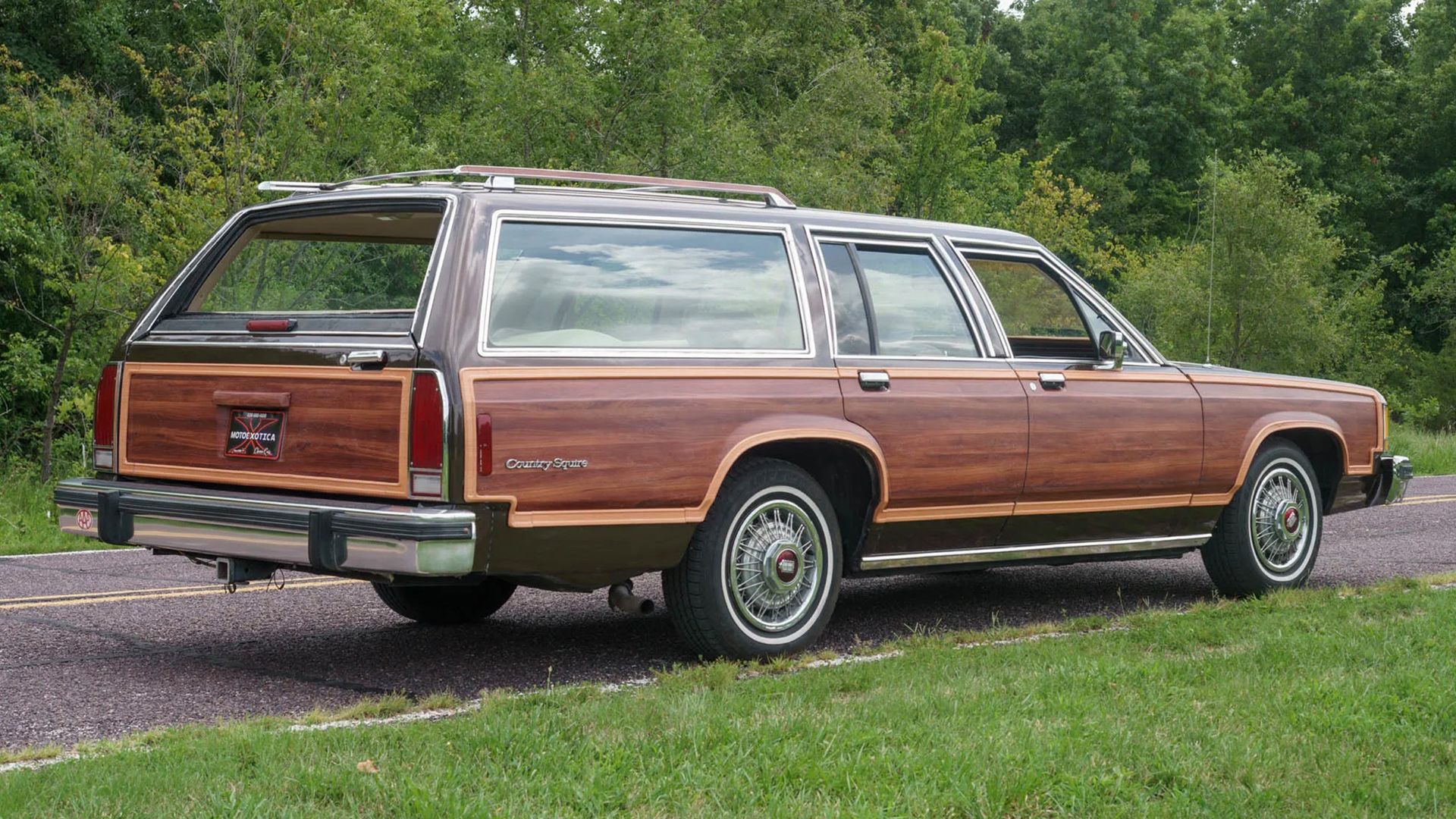
In 1984, the Dodge Caravan and Plymouth Voyager debuted. They offered the seating capacity of a full-size van with the driving dynamics and garageability of a passenger car. This "one-box" design revolutionized family transport and led to the eventual decline of the traditional American station wagon. In 2026, early "Woody" side-paneled Caravans have become ironic, high-demand items at vintage car shows.
Technical Specifications Comparison of 80s Legends
The following table compares key performance metrics for some of the most significant American cars of the decade. Note that these figures reflect factory-stock configurations as recorded during their original production years.
| Model | Year (Peak) | Engine Type | Horsepower | 0-60 MPH (Approx) | Significance |
|---|---|---|---|---|---|
| Buick GNX | 1987 | 3.8L Turbo V6 | 276 hp | 4.7 seconds | Fastest American car of its year. |
| Chevy Corvette | 1985 | 5.7L L98 V8 | 230 hp | 5.7 seconds | Introduction of Tuned Port Injection. |
| Ford Mustang GT | 1987 | 5.0L HO V8 | 225 hp | 6.3 seconds | Standardized the "Fox Body" performance. |
| Pontiac Fiero GT | 1988 | 2.8L V6 | 135 hp | 8.0 seconds | Only American mid-engine car of the era. |
| Dodge Omni GLH-S | 1986 | 2.2L Turbo I4 | 175 hp | 6.5 seconds | Carroll Shelby's "Hot Hatch" project. |
Collecting 80s American Cars in 2026
As of 2026, the market for 1980s domestic vehicles has matured significantly. The generation that grew up with these cars (Gen X and Millennials) now has the disposable income to purchase the vehicles they once saw in posters or films like Back to the Future and Ferris Bueller's Day Off.
What to Look For: The "Survivor" Factor
In the 2020s, the "Restomod" trend (restoring with modern parts) remains popular, but the highest premiums in 2026 are paid for "Survivors." These are cars with original paint, original interior upholstery, and low mileage. Because 80s interior plastics were notoriously prone to cracking and fading, a pristine dashboard or headliner can add thousands to the valuation of a vehicle.
Common Mechanical Issues to Anticipate
If you are purchasing an 80s American car today, be prepared for specific age-related failures:
- Dry Rot in Vacuum Lines: Cars from 1980–1984 are often "vacuum-line nightmares." Replacing these is essential for a smooth idle.
- Failed Capacitors: The early ECUs (Engine Control Units) use electrolytic capacitors that have a lifespan of roughly 30–40 years. Many 2026 collectors proactively "re-cap" their computers to prevent a no-start condition.
- T-Top and Sunroof Leaks: Iconic 80s features like T-tops (common on Camaros and Firebirds) often suffer from degraded rubber seals, leading to floorboard rust.
- Electronic Instrumentation: The "Digital Dash" was a hallmark of the 80s (found in Corvettes, 300ZTs, and even some Buicks). These vacuum fluorescent displays (VFD) can burn out or suffer from cracked solder joints.
Parts Availability
The 1980s was an era of heavy parts-bin sharing. For example, a door handle for a high-end Cadillac might be identical to one found on a base-model Chevy Cavalier. This makes mechanical parts relatively easy to find in 2026 through specialized retailers like RockAuto or classic-specific vendors. However, model-specific trim pieces, such as the unique flares for a Buick GNX or the ground effects for a Mustang GT, are increasingly difficult to source and often require 3D scanning and printing to replicate.
The Cultural Significance: More Than Just Metal
American cars of the 80s were the backdrop for a massive shift in pop culture. The "Radwood" movement—a car show circuit dedicated to 80s and 90s lifestyle—has elevated these cars from "clunkers" to cultural icons.
The boxy aesthetic, often criticized in the 90s as "uninspired," is now viewed as a bold, retro-futuristic statement. The use of louvers, pop-up headlights, and monochromatic paint schemes (where the bumpers match the body color) defines the "80s Look." Owning an American car from this era in 2026 is as much about the aesthetic and the nostalgia for a burgeoning digital age as it is about the driving experience itself.
Frequently Asked Questions
Are 80s American cars reliable enough for daily driving in 2026?
While they are simpler to fix than modern EVs or turbocharged hybrids, they are not as "set-and-forget" as a modern car. Reliability depends heavily on whether the cooling system and rubber components have been refreshed. Most collectors in 2026 use them as "weekend drivers" rather than primary transportation, primarily due to the lack of modern safety features like side-curtain airbags and advanced crumple zones.
Which 80s American car is the best investment right now?
The Buick Grand National and GNX continue to see the most aggressive appreciation. However, for those on a budget, "Square Body" Chevy Suburbans and Blazers from the 80s are seeing a massive surge in value as the vintage SUV market remains hot in 2026. The Ford Mustang SVO is also a "sleeper" investment, as its turbocharged four-cylinder engine was ahead of its time.
Why did 80s cars have so little horsepower compared to today?
This was due to the transition to unleaded gasoline and the initial struggle to integrate catalytic converters. Engineers had to drastically lower compression ratios to prevent engine knock. It wasn't until the mid-80s, with the advent of sophisticated electronic engine management, that they learned how to make power efficiently while staying within legal emission limits.
Is it hard to find mechanics who can work on 80s fuel injection?
In 2026, a gap has formed in the workforce. Many younger mechanics are trained primarily on modern CAN-bus systems and OBD-II, while older mechanics who knew the "black magic" of 80s TBI and early EFI are retiring. However, a dedicated community of enthusiasts and specialized "Rad-era" shops has emerged to fill this niche, often utilizing original factory service manuals (FSMs) which are now digitized and widely available.
Final Recommendation for Buyers
If you are looking to enter the world of 80s American cars in 2026, start with a Fox Body Mustang or a C4 Corvette (1985 or later). These models benefit from massive aftermarket support, meaning you can easily find parts to keep them on the road. Always prioritize a car with a documented service history and, if possible, one that has been stored in a climate-controlled environment to preserve the fragile interior plastics. Avoid "projects" that have been sitting in fields; the cost of replacing 80s-specific trim and wiring harnesses often exceeds the value of the car. For the true enthusiast, there is no better way to experience the transition from the analog to the digital age than behind the wheel of a boxy, V8-powered piece of Detroit history.