The 2024 American beer market was defined by a historic pivot away from traditional volume-driven sales toward a value-based "Beyond Beer" strategy. Driven by the rise of non-alcoholic alternatives, the dominance of Mexican imports, and a surge in spirit-based ready-to-drink (RTD) cocktails, the industry underwent its most significant structural reorganization in decades to accommodate changing consumer health preferences and economic pressures.
The Great Diversification: How "Beyond Beer" Redefined the Category
By the start of 2024, the definition of a "beer company" had fundamentally changed. Major players like Anheuser-Busch InBev, Molson Coors, and Constellation Brands no longer viewed themselves solely through the lens of hops and barley. This shift was a response to a multi-year decline in "core" beer volume. In 2024, the industry doubled down on the Beyond Beer category—a broad umbrella including hard seltzers, hard teas, flavored malt beverages (FMBs), and spirit-based canned cocktails.
The explosion of hard tea, led by brands like Twisted Tea and newcomers from the craft sector, highlighted a consumer preference for flavor profiles that traditional light lagers could not provide. The success of these products was not merely a trend but a reflection of the "flavor-first" mentality of younger legal-drinking-age consumers. Gen Z and Millennials, in particular, showed less brand loyalty to legacy domestic labels, opting instead for products that offered high flavor intensity and convenient packaging.
Furthermore, the integration of spirit-based RTDs into beer distribution networks created a friction point with regulators but a goldmine for retailers. As of 2024, the shelf space previously reserved for seasonal craft six-packs was increasingly reclaimed by high-margin canned tequila sodas and vodka spritzes. This transition forced brewers to invest heavily in co-branding and licensing, such as the partnership between Coca-Cola and various brewers to produce alcoholic versions of household soda names.
The Non-Alcoholic Revolution: From Niche to Mainstream Necessity
One of the most profound shifts in 2024 was the normalization of non-alcoholic (NA) beer. No longer relegated to a dusty bottom shelf, NA beer became a primary growth driver for the entire industry. This movement was propelled by the "Better-for-You" trend, where consumers—even those who still consume alcohol—sought to moderate their intake without sacrificing the social experience of drinking.
Technological advancements in the dealcoholization process reached a tipping point in 2024. New methods, such as vacuum distillation and sophisticated membrane filtration, allowed brewers to remove alcohol while preserving the delicate volatile aromatics of hops. This resulted in NA beers that were virtually indistinguishable from their alcoholic counterparts. Brands like Athletic Brewing Company continued to lead the pack, but legacy brands like Guinness 0.0 and Heineken 0.0 saw record-breaking adoption in bars and restaurants.
The 2024 data indicated that NA beer sales were no longer peaking just during "Dry January." Instead, "Damp January" and consistent year-round moderation became the norm. Retailers responded by creating dedicated "non-alc" sections, treating the category with the same premiumization strategy applied to high-end imports. For many breweries, the NA segment provided a way to capture "share of throat" during occasions where alcohol was previously inappropriate, such as weekday lunches or post-workout social gatherings.
The New Hierarchy: Modelo Especial and the Decline of Legacy Domestics
The year 2024 solidified a changing of the guard in the hierarchy of American beer brands. Following the well-documented market share shifts of the previous year, Modelo Especial firmly established its position as the top-selling beer in the United States by dollar sales. This shift represented more than just a change in brand preference; it signaled a demographic transformation and a move toward premiumization.
The decline of traditional domestic "premium" lights—the former backbone of the American market—accelerated. Consumers who once bought Bud Light, Coors Light, or Miller Lite in bulk shifted in two directions:
- Trading Up: Moving toward Mexican imports like Modelo or Dos Equis, which carry a more "premium" brand image and command higher price points.
- Trading Out: Moving away from the beer category entirely in favor of spirits or NA options.
This "hollowing out" of the middle market forced major brewers to restructure their marketing budgets. In 2024, the focus shifted from mass-market television buys to hyper-targeted digital campaigns focusing on specific cultural moments and diverse consumer segments. The success of Mexican imports also highlighted the importance of the Hispanic consumer base, which has become the most influential demographic in determining the success of new beverage launches in the U.S. market.
Craft Beer’s Survival Era: Consolidation and the Return to Lagers
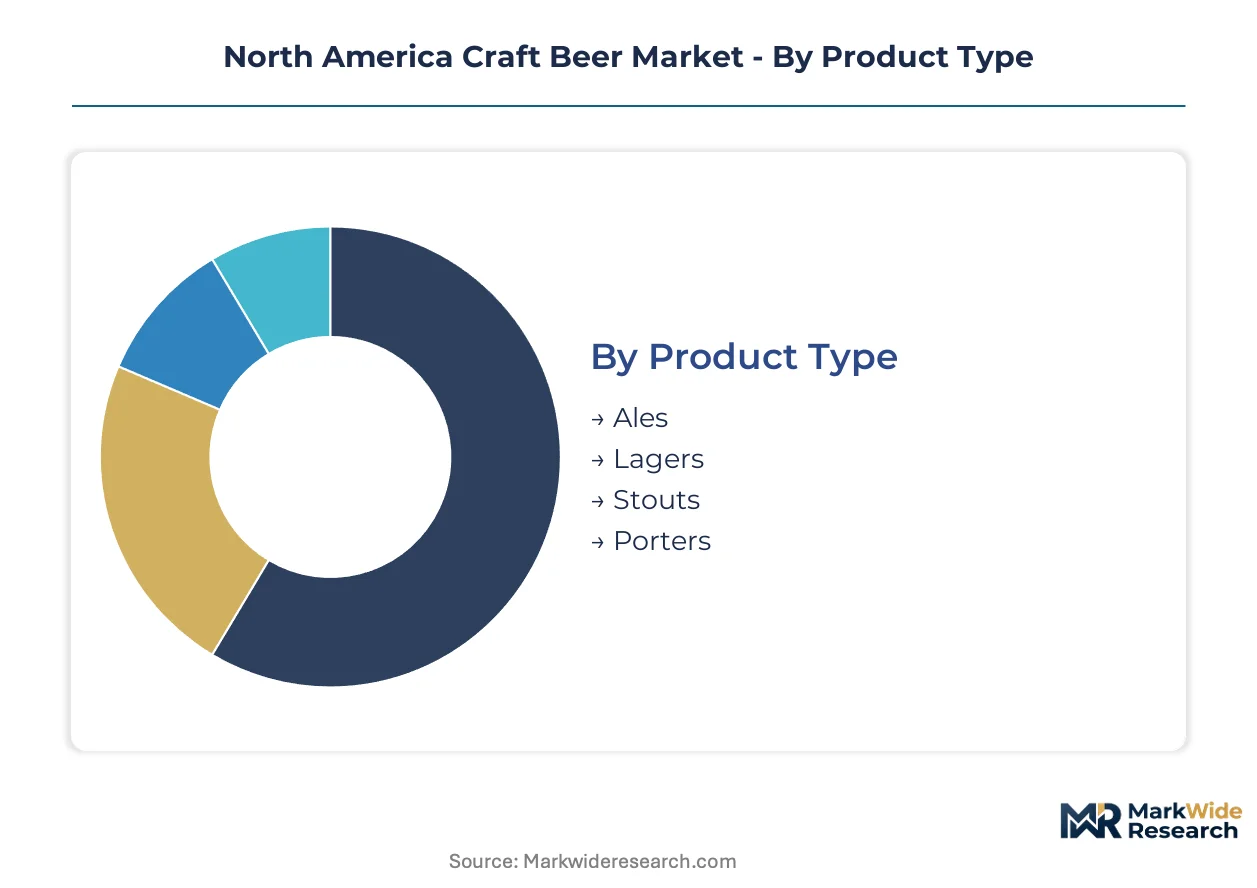
For the craft beer sector, 2024 was a year of "right-sizing." After a decade of explosive growth that saw the number of U.S. breweries surpass 9,000, the market reached a point of saturation. The shifts in 2024 were characterized by a move away from the "IPA-at-all-costs" mentality and toward operational efficiency and local relevance.
Many mid-sized regional craft breweries found themselves in a "danger zone"—too large to be a local taproom-focused business, but too small to compete with the distribution muscle and pricing power of the multinationals. This led to a wave of consolidations and, unfortunately, a record number of closures for breweries that relied heavily on crowded retail shelf space.
Interestingly, 2024 saw the "Return of the Lager" within the craft community. Often referred to by enthusiasts as "Crispy Bois," well-made, light-bodied craft lagers became the darling of the industry. This was a strategic move by craft brewers to win back drinkers who were fatigued by high-alcohol, hazy IPAs and were looking for something more "crushable" and approachable. By focusing on quality lagers, craft brewers attempted to compete directly with imports and domestic premiums on the basis of freshness and local ingredients.
Economic Pressures: Inflation, Pricing, and Consumer Elasticity
Economic factors played a decisive role in shaping the 2024 beer market. While the broader economy showed signs of resilience, the "cumulative effect" of several years of inflation finally began to impact consumer elasticity. Beer, which historically was considered "recession-proof," saw consumers becoming much more price-conscious.
Brewers faced a difficult balancing act:
- Rising Input Costs: The cost of aluminum for cans, CO2 for carbonation, and specialized malts remained elevated.
- Labor Shortages: Both in the brewhouse and in the distribution tier, rising wages pressured margins.
- Consumer Pushback: After several rounds of price increases between 2022 and 2023, retailers reported that consumers were starting to "buy down" to larger pack sizes (30-pks) to find better value or were switching to cheaper private-label brands.
To combat these pressures, 2024 saw a surge in revenue management technology. Large distributors and retailers used sophisticated algorithms to optimize pricing by ZIP code, ensuring they could squeeze the maximum margin without losing volume. We also saw a shift in packaging; the 19.2-ounce "stovepipe" can became a staple in convenience stores, offering a high-volume, single-serve option that provided an attractive entry-level price point for premium products.
Market Segment Comparison: 2024 Performance Metrics
The following table summarizes the performance and strategic focus of the primary segments within the U.S. beer market during the 2024 calendar year.
| Market Segment | Growth Status | Key Consumer Driver | Strategic Focus in 2024 |
|---|---|---|---|
| Mexican Imports | High Growth | Premiumization & Cultural Identity | Expanding distribution and draft presence. |
| Non-Alcoholic | Explosive Growth | Health, Wellness & Moderation | Improving taste profiles and bar availability. |
| Beyond Beer (RTDs/Tea) | High Growth | Flavor Variety & Convenience | Cross-brand licensing and shelf-space land grabs. |
| Craft Beer | Flat / Declining | Locality & Authenticity | Taproom profitability and "clean" lager production. |
| Domestic Premiums | Declining | Value & Heritage | Aggressive price promotions and brand rebuilding. |
Sustainability and Supply Chain Evolution
In 2024, sustainability moved from a "nice-to-have" marketing bullet point to a core operational requirement. Large-scale retailers like Walmart and Target began enforcing stricter environmental, social, and governance (ESG) reporting for their suppliers. This forced brewers to innovate in ways that were previously considered too expensive.
Key developments included:
- Water Stewardship: With droughts affecting key barley-growing regions, breweries invested in advanced water-reclamation systems, aiming for a 2:1 water-to-beer ratio, which was once thought impossible for large-scale operations.
- Plastic Reduction: The industry saw a massive move away from plastic "six-pack rings" in favor of biodegradable cardboard carriers or "keel clips."
- Regenerative Agriculture: Major brewers began partnering with farmers to incentivize regenerative practices that sequester carbon and improve soil health, ensuring the long-term viability of hop and grain supplies.
Frequently Asked Questions
Did craft beer stop growing in 2024?
While the total number of breweries remained high, the volume growth for the craft segment as a whole essentially flattened. The market shifted from a "growth-by-addition" phase (opening new breweries) to a "growth-by-share" phase, where breweries had to take customers away from competitors rather than relying on an expanding pool of craft drinkers.
Why did Modelo Especial become so popular in 2024?
Modelo’s success was the result of a "perfect storm" of factors: a multi-decade investment in brand building among Hispanic consumers, a successful "Fighting Spirit" marketing campaign that resonated with a broad audience, and a general consumer trend toward "accessible premium" products. Its success also benefited from the significant volume losses experienced by Bud Light starting in mid-2023.
Is hard seltzer still popular, or has it been replaced?
Hard seltzer did not disappear, but it entered a "maturity phase" in 2024. The category moved away from a multitude of small players toward a few dominant brands like White Claw and Truly. Much of the "innovation energy" that was previously behind seltzer shifted toward spirit-based RTDs and hard teas, which consumers perceived as having more "authentic" flavor.
How did 2024 change the way beer is sold in stores?
Retailers began moving away from the "wall of craft" approach. Instead of stocking hundreds of different SKUs (Stock Keeping Units) from dozens of breweries, they began curating their selections more tightly. This meant more space for top-selling imports, NA beers, and RTDs, making it much harder for small, local breweries to get their products onto grocery store shelves.
What was the impact of the "Better-for-You" movement on traditional beer?
This movement forced traditional brewers to be more transparent about ingredients and calories. We saw an increase in the marketing of "light" versions of already light beers, as well as the inclusion of functional ingredients in some FMBs. The most significant impact, however, was the diversion of consumer spending toward the NA category.
Looking Ahead: The Post-2024 Landscape
As we evaluate these shifts from the perspective of 2026, it is clear that 2024 was the year the "new normal" for the American beverage industry was codified. The boundaries between beer, wine, and spirits have continued to blur, leading to a "Total Beverage" approach to the market.
For consumers, these shifts have resulted in more choices than ever before, particularly in the non-alcoholic and flavor-forward categories. For the industry, the lesson of 2024 was clear: adaptability is the only path to survival. The breweries that thrived were those that embraced diversification, prioritized operational efficiency, and recognized that the American drinker is no longer a monolith, but a diverse collection of flavor-seeking, health-conscious individuals.
Practical Recommendation for Industry Stakeholders: To navigate the ongoing shifts, stakeholders should prioritize portfolio agility. Rather than relying on a single "hero" brand, successful entities must develop a "ladder" of products—ranging from NA options for health-conscious occasions to premium imports for social status, and spirit-based RTDs for convenience. Additionally, investing in direct-to-consumer (DTC) models and robust taproom experiences can help insulate smaller producers from the increasingly competitive and consolidated retail environment.