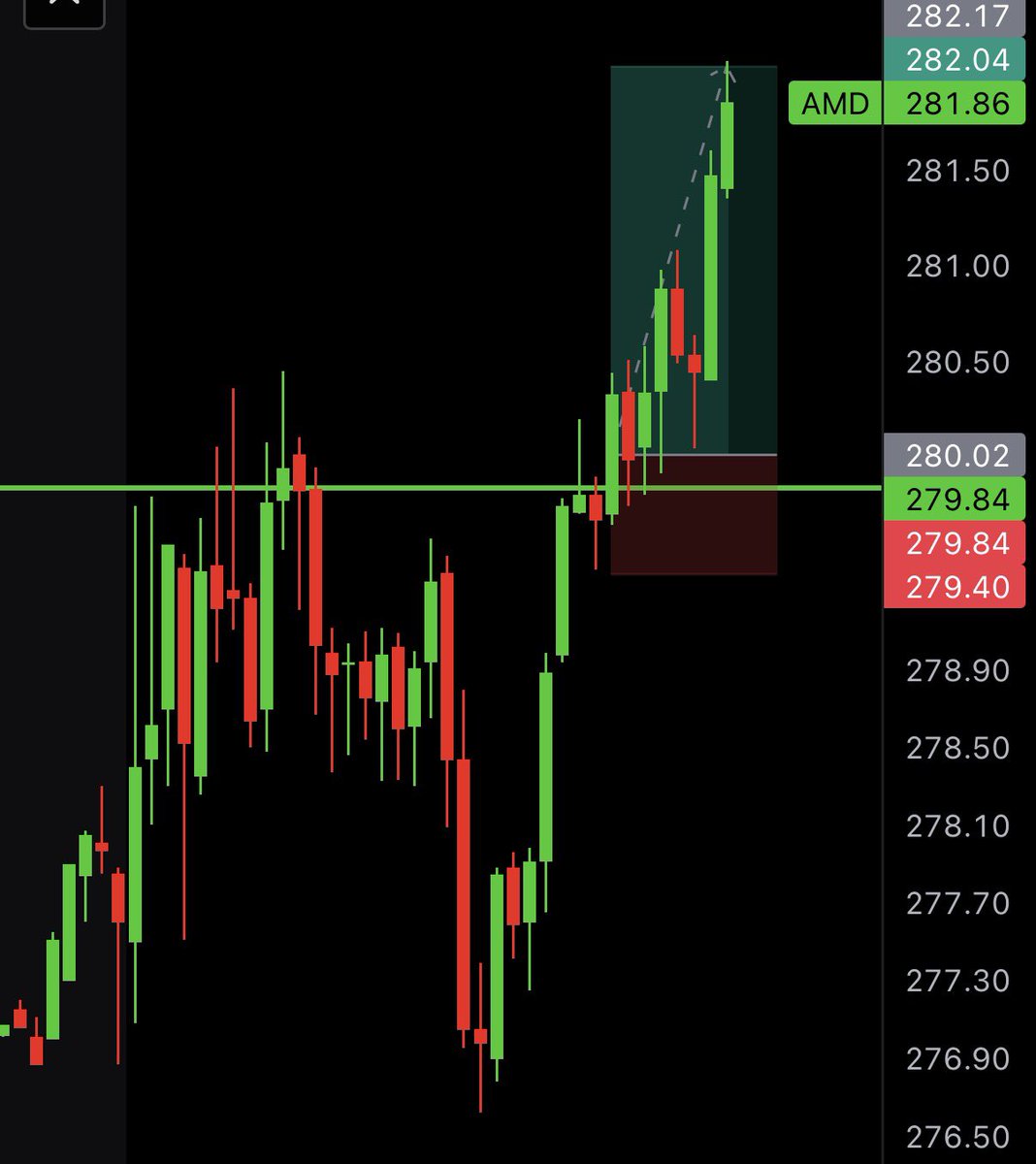
When an AMD premarket quote shows a rise, it indicates that investors are placing buy orders for Advanced Micro Devices (AMD) stock before the official opening of the major stock exchanges at 9:30 AM Eastern Time. This movement is often driven by breaking news, earnings reports, or broader sector sentiment, signaling a potential shift in market expectations before the standard trading session begins.
The Mechanism of Premarket Trading
Premarket trading occurs between 4:00 AM and 9:30 AM ET on major U.S. exchanges. Unlike the standard trading session, which utilizes a centralized order book governed by exchange-specific matching engines, premarket trading takes place through Electronic Communication Networks (ECNs). These platforms act as intermediaries, matching buy and sell orders from institutional investors, high-frequency traders, and retail investors who have access to extended-hours trading via their brokerage platforms.
When you observe an AMD premarket quote showing a rise, you are witnessing the "price discovery" process in an environment with lower liquidity. Because fewer participants are active during these early hours, smaller volume trades can exert a disproportionate impact on the share price compared to the high-volume environment of the standard market session.
Primary Drivers of Premarket Volatility
Investors often look for premarket movement as an indicator of how the stock will perform once the opening bell rings. However, understanding why the quote is rising is essential for interpreting its sustainability.
1. Earnings Announcements
AMD typically releases its quarterly earnings either before the market opens or after it closes. If a report is released in the early morning and surprises analysts with strong revenue growth in the Data Center segment or improved margins, the premarket price often reacts immediately. The rise reflects the market adjusting to new fundamental data regarding the company’s competitive standing in the semiconductor industry.
2. Sector-Wide Catalysts
Semiconductor stocks are highly correlated. If a major competitor, such as NVIDIA or Intel, releases significant news—or if there is a macroeconomic shift, such as a change in U.S. export controls on high-end chips—AMD stock may follow the sector trend. A premarket rise might not be company-specific but rather a reaction to positive developments in the broader technology sector.
3. Analyst Revisions
Before the market opens, institutional research firms may issue upgrades, price target adjustments, or changes in recommendation ratings. When a major brokerage firm elevates its outlook on AMD, it often triggers algorithmic trading programs that purchase shares, causing the premarket quote to move upward.
Risks and Technical Limitations
While a rising premarket quote can appear promising, retail investors should exercise caution. Premarket trading involves specific risks that differ from standard market hours:
- Low Liquidity: Because fewer participants are active, the "bid-ask spread"—the difference between the highest price a buyer is willing to pay and the lowest price a seller is willing to accept—is often significantly wider. This can make it difficult to execute trades at the price you see on your screen.
- Increased Volatility: Prices can fluctuate wildly based on news cycles that have not yet been fully digested by the wider investing public. A stock that appears to be rising in the premarket may see that momentum evaporate as soon as institutional volume enters the market at 9:30 AM.
- Brokerage Limitations: Many retail brokerage firms restrict order types during premarket hours, often limiting users to limit orders only. Market orders are generally discouraged or unavailable because they could result in an execution at a price significantly different from the expected quote due to the lack of depth in the order book.
Comparison: Standard vs. Premarket Trading
The following table outlines the fundamental differences between these two periods to help clarify why a premarket price rise does not always dictate the day's trend.
| Feature | Standard Trading (9:30–16:00 ET) | Premarket Trading (04:00–09:30 ET) |
|---|---|---|
| Liquidity | High (Deep order books) | Low (Fragmented ECNs) |
| Volatility | Moderate to High | Often Elevated |
| Execution Speed | Near-Instant | Variable |
| Order Types | Market, Limit, Stop, etc. | Primarily Limit Orders |
| Market Participants | Institutional & Retail | Institutional & Sophisticated Retail |
| Price Stability | Generally Stable | Sensitive to News |
Evaluating the Sustainability of the Rise
To determine if a premarket rise is a "bull trap" or the beginning of a sustained trend, experienced market observers look at the volume behind the move. A price increase accompanied by significant trading volume suggests strong conviction among participants. Conversely, a rise on very thin volume—where only a few thousand shares have changed hands—may be a temporary fluctuation that will reverse quickly when the broader market opens.
Furthermore, investors should cross-reference the AMD movement with the broader indexes, such as the NASDAQ-100. If the entire semiconductor sector is moving upward in unison, the AMD rise is likely driven by systemic momentum. If AMD is rising while the rest of the sector is stagnant or declining, the move is likely based on news specific to AMD, such as a product launch or a major contract win.
How to Monitor Premarket Quotes
Accessing accurate premarket data requires using a trading platform that provides real-time Level 1 or Level 2 quotes. Most major brokerage applications provide this during the extended-hours window.
- Select a Broker: Ensure your brokerage allows extended-hours trading. Some platforms require you to opt-in or sign a disclosure regarding the risks of trading outside standard hours.
- Use Reliable Sources: Utilize financial news terminals or the "Extended Hours" tab on your trading app to view the price.
- Monitor Volume: Always check the "Pre-market Volume" metric. A rise in price with zero or negligible volume is generally considered noise rather than a actionable signal.
- Set Alerts: If you are interested in a specific price level, set a price alert. This allows you to track the stock without being tethered to a trading screen throughout the early morning.
Frequently Asked Questions
1. Does a rise in the premarket guarantee the stock will open higher? No. While a premarket rise often serves as a "gap up" indicator, news can change rapidly. If a major institutional seller enters the market at 9:30 AM, or if the broader market indexes open lower, the initial premarket gains can be wiped out in the first minutes of the standard session.
2. Can I trade AMD stock during the premarket? Yes, provided your brokerage firm supports extended-hours trading. You must typically use limit orders to ensure you do not buy at an unfavorable price due to the wider spreads common during these hours.
3. Why do I see different prices for AMD on different news sites? Premarket data is not consolidated like the primary exchange feed. Because it occurs across various ECNs and private exchanges, different data providers may report slightly different prices based on which network they are monitoring.
4. Is it wise to buy AMD based solely on a premarket rise? Generally, no. Buying based on premarket movement alone is considered high-risk. Professional traders usually wait for the market to open and for the price to consolidate before making a decision, as this confirms the buying pressure is sustained by the wider market.
5. What is a "gap" in stock terminology? A gap occurs when a stock opens at a price significantly higher or lower than its previous day’s closing price. A premarket rise often predicts that AMD will "gap up," meaning the opening price will be higher than the close from the previous day.
Professional Guidance and Next Actions
If you are tracking an AMD premarket rise, the most prudent course of action is to observe rather than react. Determine if the rise is supported by identifiable news—such as an earnings release or analyst update—and assess the trading volume. If you choose to trade during this period, always use limit orders to protect yourself against the volatility inherent in low-liquidity environments. For long-term investors, premarket movements are often considered "noise," and focusing on the company's long-term financial health and quarterly performance reports remains the more reliable strategy.
Disclaimer: This information is for educational purposes and does not constitute financial advice. Trading stocks during premarket hours carries significant risks, including price volatility and liquidity issues. Consult with a qualified financial advisor before making investment decisions.