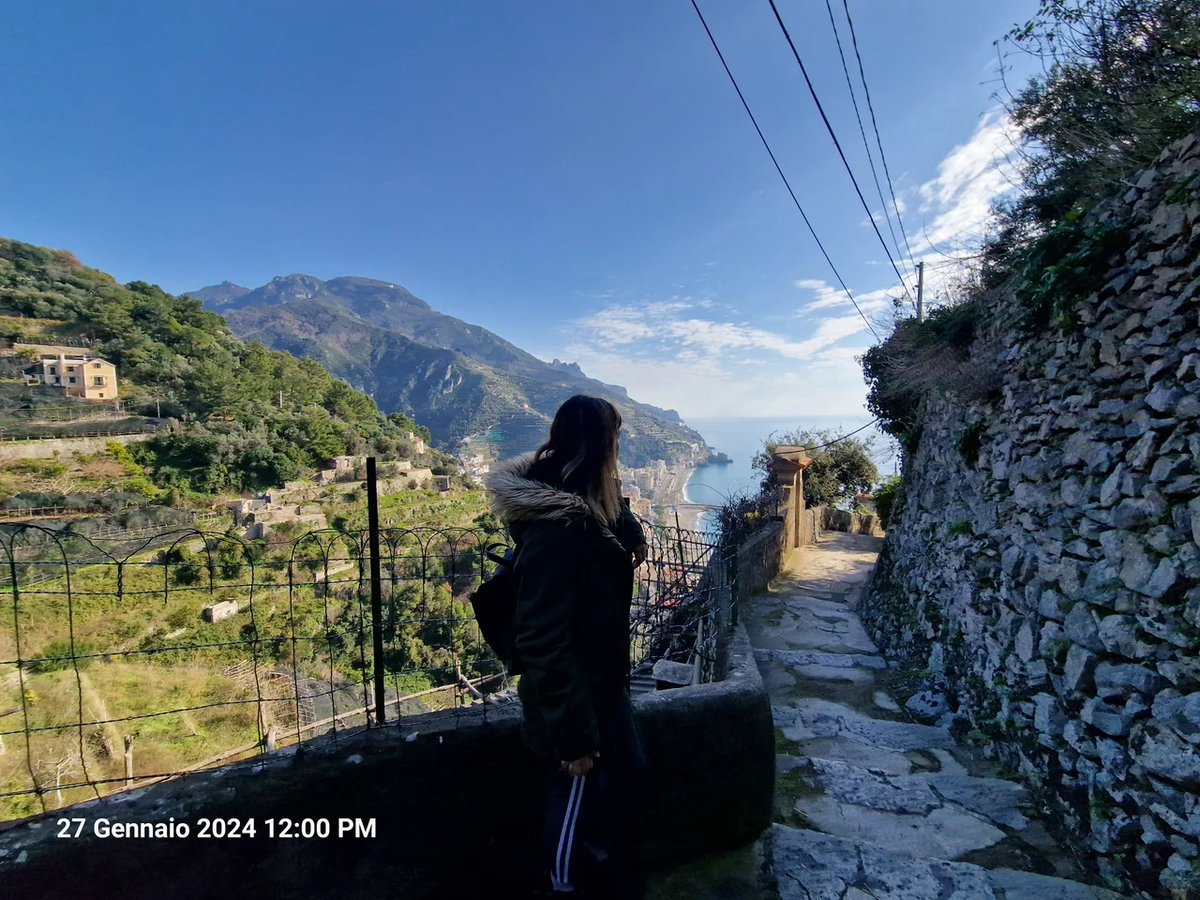
Amalfi walking tours offer the most intimate and immersive way to experience the UNESCO-listed Amalfi Coast, combining ancient mule tracks, dramatic limestone cliffs, and historic stairways. In 2026, these routes remain the primary method for travelers to bypass heavy coastal traffic while accessing secluded lemon groves, medieval ruins, and panoramic vistas unreachable by vehicle.
The Evolution of Trekking on the Amalfi Coast
Walking the Amalfi Coast is not merely a recreational activity; it is a journey through the historical arteries of the former Maritime Republic. For centuries, before the construction of the "Nastro Azzurro" (the Blue Ribbon road) in the mid-19th century, these vertical paths were the only connection between the coastal villages and the high-altitude agricultural hamlets.
By 2026, the local trail networks, managed largely by the CAI (Club Alpino Italiano) and regional park authorities, have seen significant investment in signage and safety infrastructure. Modern Amalfi walking tours now leverage digital mapping and sustainable tourism initiatives to manage hiker flow, particularly on high-traffic routes like the Path of the Gods. These trails offer a physical challenge ranging from leisurely strolls between Atrani and Amalfi to strenuous climbs into the Lattari Mountains, catering to diverse fitness levels and interests.
Top-Rated Amalfi Walking Routes for 2026
The diversity of the terrain allows for several distinct types of walking experiences. Whether you are looking for vertical "stairmaster" workouts or gentle horizontal paths across the ridgeline, the following routes represent the gold standard of coastal trekking.
1. The Path of the Gods (Sentiero degli Dei)
Widely considered one of the most beautiful hikes in the world, this trail links Bomerano (in Agerola) to Nocelle (above Positano). In 2026, it remains the most sought-after walking tour.
- Terrain: Rocky paths with significant exposure.
- The Experience: You walk approximately 500 meters above sea level, with the coastline dropping precipitously to your left. The path passes through the "Grotta del Biscotto," where ancient cave dwellings are carved into the rock.
- Logistics: Most guided tours recommend starting in Bomerano to maintain a slight downhill gradient toward Positano. If you are hiking independently, start early (before 8:30 AM) to avoid the midday sun and the largest tour groups.
2. Valle delle Ferriere (Valley of the Ironworks)
Starting in the hills of Ravello or Scala and descending into Amalfi, this walk offers a stark contrast to the sun-drenched coastal cliffs. It follows the Canneto River through a lush, shaded canyon.
- Terrain: Forested paths, wooden bridges, and stone steps.
- The Experience: The valley is a protected nature reserve home to the Woodwardia radicans, a rare prehistoric fern. You will pass the ruins of 12th-century paper mills (cartiere) and ironworks that once powered the local economy. The microclimate here is significantly cooler, making it an ideal choice for the warmer months of June and July.
3. The Lemon Path (Sentiero dei Limoni)
Connecting the villages of Maiori and Minori, this is a cultural walking tour focused on the region’s famous Sfusato Amalfitano lemons.
- Terrain: Paved stone steps and terraces.
- The Experience: This is an easier route, perfect for families or those seeking a shorter excursion. You walk through active lemon groves where farmers still carry heavy crates of fruit on their shoulders (or using specialized pulleys). In 2026, many local "agriturismi" along this path offer specialized "lemon tours" where you can stop for fresh lemonade or cake mid-walk.
4. Punta Campanella
Located at the very tip of the Sorrento Peninsula, this walk leads to the site where a temple to Minerva once stood, facing the island of Capri across a narrow strait.
- Terrain: Relatively flat, gravelly coastal path.
- The Experience: This route offers the best views of the Faraglioni rocks of Capri. It is less crowded than the Path of the Gods and offers a sense of remote wilderness that is rare on the central Amalfi Coast.
Comparison of Major Amalfi Walking Trails
The following table provides a technical comparison of the most popular routes to help you select the tour that matches your physical capabilities.
| Trail Name | Starting Point | Ending Point | Distance | Difficulty | Est. Duration |
|---|---|---|---|---|---|
| Path of the Gods | Bomerano | Nocelle | 7.8 km | Moderate | 3.5 - 4 Hours |
| Valle delle Ferriere | Pontone/Scala | Amalfi | 6.5 km | Easy-Moderate | 3 Hours |
| The Lemon Path | Maiori | Minori | 2.5 km | Easy | 1 Hour |
| Monte Faito Loop | Funivia Station | Peak (1,131m) | 5.2 km | Strenuous | 4 Hours |
| Punta Campanella | Termini | Lighthouse | 4.0 km | Easy | 2 Hours |
Technical Logistics: Getting to the Trailheads
Navigating the Amalfi Coast transport system is a critical component of any walking tour. In 2026, the Sita Sud bus network remains the primary transport for hikers, supplemented by an expanded ferry system.
Using the Bus System
To reach Bomerano (Path of the Gods), you must take the bus from Amalfi towards Agerola. During peak season (May to September), buses can become extremely crowded. We recommend purchasing your tickets via the UnicoCampania app or at local "Tabacchi" shops before arriving at the bus stop, as drivers do not sell tickets.
The "Vertical" Challenge
The Amalfi Coast is famous for its stairs. A walking tour from Ravello down to Amalfi involves over 1,500 stone steps. While the descent is easier on the cardiovascular system, it is significantly harder on the knees. If you have joint issues, consider walking tours that utilize the ridgelines (like the Path of the Gods) rather than the vertical stairways connecting the shore to the mountain towns.
Guided vs. Self-Guided Amalfi Walking Tours
Choosing between a professional guide and a solo trek depends on your comfort with navigation and your desire for historical context.
The Benefits of a Guided Tour
- Safety and Expertise: Certified GAE (Guida Ambientale Escursionistica) guides are trained in first aid and local geology. They can navigate unmarked shortcuts and provide weather-related detours.
- Logistics Management: Many 2026 tour operators include private shuttle transfers from your hotel, bypassing the crowded Sita buses.
- Cultural Depth: A guide will explain the intricate irrigation systems of the lemon terraces and point out historical markers, such as the Saracen towers used for defense against pirates.
Self-Guided Hiking
If you are an experienced hiker, the trails are generally well-marked with red and white CAI paint strokes. Using GPS-enabled apps like AllTrails or Outdooractive is highly recommended, as cloud cover can occasionally obscure landmarks at higher elevations. Ensure you have downloaded offline maps, as cellular reception is inconsistent in the deep valleys like Valle delle Ferriere.
Essential Gear and Preparation for 2026
The Mediterranean climate can be deceptive. While coastal temperatures may feel mild, the mountain ridges are exposed to high winds and intense UV radiation.
- Footwear: Do not attempt these walks in flip-flops or smooth-soled sneakers. The limestone paths are polished by centuries of use and become extremely slippery when even slightly damp. Lightweight hiking boots or trail running shoes with aggressive tread are essential.
- Hydration: There are "fontanelle" (public water fountains) in the main squares of the villages, but once you are on the trail, water sources are non-existent. Carry at least 2 liters of water per person.
- Sun Protection: The Path of the Gods has almost no shade. A wide-brimmed hat, high-SPF sunscreen, and polarized sunglasses are mandatory for summer trekking.
- Seasonality: The best months for Amalfi walking tours are April, May, September, and October. During August, temperatures frequently exceed 30°C (86°F), making mid-day hiking dangerous for those not acclimatized to the heat.
Sustainable Hiking and Trail Etiquette
The Amalfi Coast ecosystem is fragile. In 2026, local authorities have implemented stricter "Leave No Trace" policies.
- Waste Management: There are no trash cans on the trails. Hikers are expected to carry out all waste, including organic matter like orange peels, which can take a surprisingly long time to decompose in the dry mountain air.
- Preserving the Terraces: Never climb on the dry-stone walls (muretti a secco). These are heritage structures held together only by gravity and friction; they are vital for preventing landslides and supporting the agricultural terraces.
- Wildlife: You may encounter grazing goats or mules on the upper paths. Always give these animals the right of way and maintain a respectful distance.
Frequently Asked Questions
Is the Path of the Gods dangerous for people with vertigo?
The trail is wide and well-maintained, but there are several sections with significant vertical drops and no railings. If you suffer from severe acrophobia, you may find these sections distressing. However, for most hikers, the path is wide enough to stay well away from the edge.
Are there any entry fees for the trails in 2026?
Currently, most trails, including the Path of the Gods and the Lemon Path, are free to access. Some specific sections of the Valle delle Ferriere nature reserve require a small nominal fee (usually around €5) to enter the protected core where the rare ferns are located. This fee supports conservation efforts.
What happens if I get injured on a trail?
Emergency services on the Amalfi Coast are highly efficient. In 2026, the Soccorso Alpino (Alpine Rescue) handles trail emergencies. However, because many trails are inaccessible by vehicle, extraction may require a helicopter or a specialized stretcher team. Always ensure your travel insurance covers "hiking and trekking" and carry a fully charged mobile phone.
Can I do these walks with children?
The Lemon Path is excellent for children. The Path of the Gods is suitable for older children (8+) who are accustomed to walking and can follow safety instructions near cliff edges. The Valle delle Ferriere is also family-friendly due to its shade and waterfalls.
How do I return to my starting point?
The trails are generally point-to-point. After finishing the Path of the Gods in Nocelle, you can either walk down 1,700 steps to Positano or take a local small bus. From Positano, you can take a ferry or a Sita bus back to Amalfi or Praiano. Always check the ferry schedule, as they may be canceled in rough seas.
Next Steps for Planning Your Trip
To begin your Amalfi walking adventure, first determine your "base" village. Amalfi or Praiano are the most central for hikers. For 2026, we recommend booking any guided tours at least three months in advance, especially for the high season. Confirm the current status of the trails via the CAI Monti Lattari website before setting out, as heavy winter rains can occasionally cause temporary trail closures for maintenance.