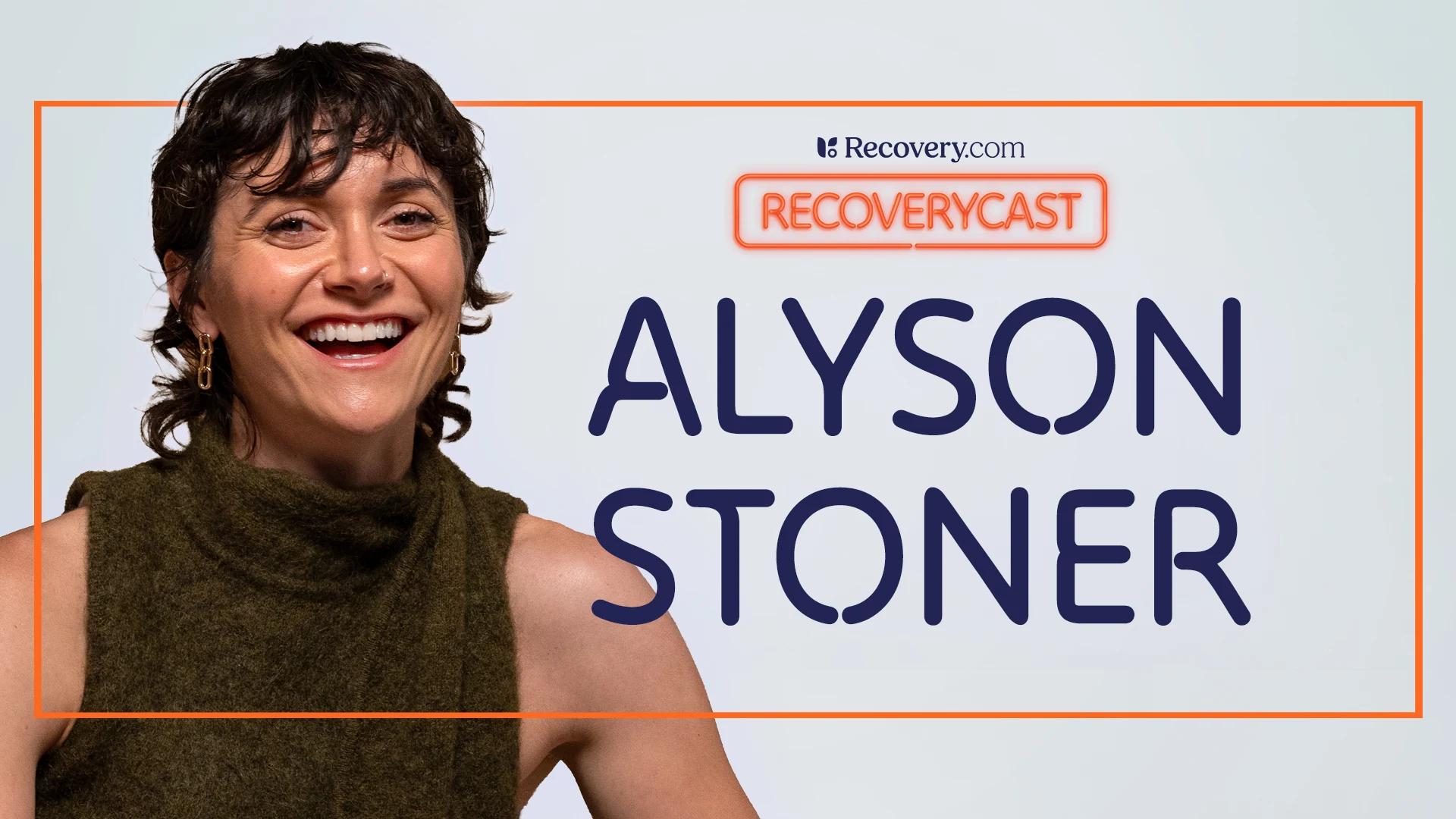
Alyson Stoner’s rehab timeline is centered on their voluntary entry into a specialized treatment facility in 2011. Unlike many child stars who seek treatment for substance abuse, Stoner’s recovery focused on severe eating disorders, chronic anxiety, and the physical toll of early-career burnout. Since then, Stoner has transitioned into a prominent mental health advocate and educator.
The narrative of the "child star" is often a predictable one, frequently punctuated by legal troubles or substance-related intervention. However, Alyson Stoner—known for their work in Cheaper by the Dozen, Step Up, and Camp Rock—presents a different and deeply nuanced case study. Their journey through rehabilitation and recovery is not a singular event but a multi-decade process of unlearning the industrial pressures of Hollywood. As of 2026, Stoner’s story serves as a foundational blueprint for understanding "somatic healing" and the specific psychological hazards of the entertainment industry.
The Early Pressures: The Path to 2011
To understand the 2011 rehab timeline, one must first examine the conditions that necessitated it. Alyson Stoner began working professionally at the age of six. By their early teens, they were a ubiquitous presence on Disney Channel and in high-profile music videos for artists like Missy Elliott and Eminem.
This period was characterized by a grueling work ethic. Stoner has since described a "perfectionist" mindset that was reinforced by the industry’s demands. In this environment, physical appearance and performance were inextricably linked to professional viability. By the time Stoner reached their late teens, the pressure had manifested as a series of debilitating mental and physical health issues, including:
- Eating Disorders: Stoner struggled with a combination of anorexia nervosa, bulimia, and binge eating disorder. These were often hidden behind a "fit" and "athletic" dancer persona.
- Generalized Anxiety Disorder (GAD): The constant need to perform and the fear of career obsolescence led to chronic, high-level anxiety.
- Physical Exhaustion: Continuous filming and touring schedules resulted in severe sleep deprivation and hormonal imbalances.
The 2011 Rehabilitation Milestone
The most critical point in the Alyson Stoner rehab timeline occurred in 2011. At the age of 17, nearing 18, Stoner reached a breaking point. While the public saw a successful young actor, the private reality was a health crisis.
The Decision to Seek Treatment
Stoner’s decision to enter rehab was voluntary, though it followed a medical intervention. During a period of intense work, Stoner’s physical health began to fail visibly. They reported experiencing heart palpitations, hair loss, and skin issues—all classic physiological markers of severe malnutrition and chronic stress.
In 2011, Stoner checked into an inpatient treatment facility. The focus of this stay was not chemical dependency but behavioral health and eating disorder recovery. This distinction is vital; it highlights a segment of the "rehab" industry dedicated to medical stabilization and psychological restructuring for those suffering from non-substance-related collapses.
The Clinical Focus
During their time in rehab, Stoner underwent a multidisciplinary treatment plan. This included:
- Nutritional Rehabilitation: Working with dietitians to restore a healthy relationship with food and stabilize body weight.
- Cognitive Behavioral Therapy (CBT): Identifying the thought patterns that fueled perfectionism and body dysmorphia.
- Dialectical Behavior Therapy (DBT): Learning emotional regulation skills to manage the high-stress environment of the entertainment industry.
- Medical Monitoring: Addressing the physical damage caused by years of undereating and over-exercising.
Post-Rehab Transition and the 2018 Evolution
After completing their initial treatment, Stoner did not simply return to the Hollywood status quo. Instead, they began a slow process of "deconstructing" their identity as a performer. For several years, Stoner remained relatively private about the specifics of their recovery, focusing on voice-over work and independent projects that allowed for a healthier lifestyle.
The timeline took a significant turn in 2018. In a viral essay for Teen Vogue, Stoner "came out" regarding their sexual orientation (identifying as pansexual) and spoke candidly about the intersection of their identity, their faith, and their mental health journey. This period marked the transition from a private recovery to public advocacy. Stoner began to link their personal struggles with the systemic issues within the "toddler-to-trainwreck pipeline," a term they would later use to describe the exploitation of child performers.
The Development of "Movement Genius" and Somatic Healing
By 2021 and continuing through 2026, Stoner’s rehab timeline shifted into a phase of professionalized wellness. They realized that traditional talk therapy was only one piece of the puzzle. For a dancer whose trauma was stored in their body, "somatic" (body-based) healing was essential.
This led to the creation of Movement Genius, a platform designed to provide accessible mental health resources through movement. Unlike traditional fitness programs that focus on aesthetics, Stoner’s approach focuses on:
- Mind-Body Connection: Using movement to process emotions and trauma.
- Accessibility: Creating routines for people with chronic pain, disabilities, or limited space.
- Education: Teaching the science of the nervous system and how the "fight-or-flight" response affects long-term health.
Detailed Timeline of Alyson Stoner’s Recovery and Career
The following table summarizes the key milestones in Alyson Stoner’s journey from child stardom to mental health leadership.
| Year Range | Phase | Key Events & Milestones |
|---|---|---|
| 2002–2010 | Industry Integration | Rise to fame in Step Up and Disney Channel; peak of eating disorder struggles and anxiety. |
| 2011 | Clinical Intervention | Voluntary entry into inpatient rehab for eating disorders and health collapse. |
| 2012–2017 | Quiet Recovery | Focus on voice acting (Phineas and Ferb); private therapy and physical stabilization. |
| 2018 | Public Vulnerability | Teen Vogue essay; disclosure of pansexuality and past mental health struggles. |
| 2021 | Entrepreneurial Wellness | Launch of Movement Genius; focus on somatic therapy and holistic health. |
| 2023–2024 | Systemic Advocacy | Launch of Dear Hollywood podcast; calling for legislative changes for child actors. |
| 2025–2026 | Educational Leadership | Expansion of mental health curriculum for performers and general audiences. |
"Dear Hollywood" and the 2023–2026 Advocacy Phase
In 2023, Stoner launched a YouTube series and podcast titled Dear Hollywood. This project is perhaps the most comprehensive "explanation" of their rehab timeline and the factors that necessitated it. In the series, Stoner breaks down the "anatomy" of the industry, discussing how child actors are often denied basic developmental milestones, leading to the "collapses" that the public views as tabloid fodder.
Through 2026, Stoner has used this platform to move beyond personal narrative and into the realm of policy and sociology. They have discussed:
- Financial Exploitation: How the Coogan Act (which protects a portion of child actors' earnings) is insufficient in the digital age.
- Psychological Safety: The need for mental health professionals on sets, similar to how intimacy coordinators are now utilized.
- The "Productization" of Children: How treating children as brands leads to identity dissociation and the need for intense rehabilitation later in life.
The Distinction Between Substance Rehab and Behavioral Rehab
One of the most important aspects of explaining Alyson Stoner's rehab timeline is correcting the misconception that "rehab" always implies drug or alcohol addiction. In Stoner's case, the rehabilitation was for Complex Post-Traumatic Stress Disorder (CPTSD) and Eating Disorders (ED).
Behavioral rehab often requires a longer "integration" period. While substance rehab focuses on detoxification and sobriety, behavioral rehab for someone like Stoner focuses on "rewiring" the brain's response to stress. For Stoner, this meant learning how to live without the constant validation of an audience and how to nourish a body they had spent years trying to shrink.
Practical Lessons from Stoner’s Journey
For individuals looking at Stoner’s timeline as a source of guidance, several key themes emerge that are applicable beyond the Hollywood context:
- Early Intervention is Key: Stoner sought help when their physical symptoms (heart palpitations) became undeniable. Recognizing these "body signals" can prevent more catastrophic health failures.
- Holistic Recovery: Recovery isn't just about stopping a behavior (like restricted eating); it's about replacing it with a new philosophy of life. Stoner moved from "performing" to "existing."
- Community and Education: Stoner’s shift toward teaching others through Movement Genius demonstrates that many find the final stage of recovery in service and education.
Frequently Asked Questions
Why did Alyson Stoner go to rehab?
Alyson Stoner entered rehab in 2011 primarily for the treatment of severe eating disorders (including anorexia and bulimia) and chronic anxiety. Their health had declined to the point of physical collapse, necessitated by the high-pressure environment of their career as a child star.
Was Alyson Stoner treated for drug addiction?
No. Stoner has been transparent about the fact that their rehabilitation stay was focused on behavioral health, eating disorder recovery, and mental health stabilization rather than substance abuse or chemical dependency.
What is the "Dear Hollywood" series about?
Launched in 2023, Dear Hollywood is a documentary-style podcast where Stoner explains the systemic issues in the entertainment industry. It covers topics like labor laws, the psychological toll of fame on children, and the "Toddler to Trainwreck" pipeline.
What is Alyson Stoner doing now in 2026?
As of 2026, Alyson Stoner is a dedicated mental health advocate and the founder of Movement Genius. They focus on somatic healing, public speaking, and creating educational content that helps others navigate trauma and nervous system regulation.
How did Alyson Stoner’s recovery influence their career?
Following rehab, Stoner became much more selective about their roles, eventually pivoting away from traditional acting toward voice-over work, music, and digital education. This shift allowed them to maintain a healthier lifestyle away from the intense scrutiny of live-action filming.
Final Recommendation: A Path to Somatic Healing
If you or someone you know is navigating a journey similar to Alyson Stoner’s—struggling with the intersection of high-pressure environments, body image, and chronic stress—the most important step is to prioritize medical and psychological assessment.
Stoner’s timeline proves that recovery is not a straight line, nor is it a sign of failure. It is a proactive restructuring of one's life. Consider seeking out professionals who specialize in "somatic" therapy or "trauma-informed" care, as these methodologies were central to Stoner’s long-term success. For those in the entertainment or high-performance industries, establishing boundaries between your "personal self" and your "professional brand" is the most effective way to prevent the burnout that leads to a crisis.