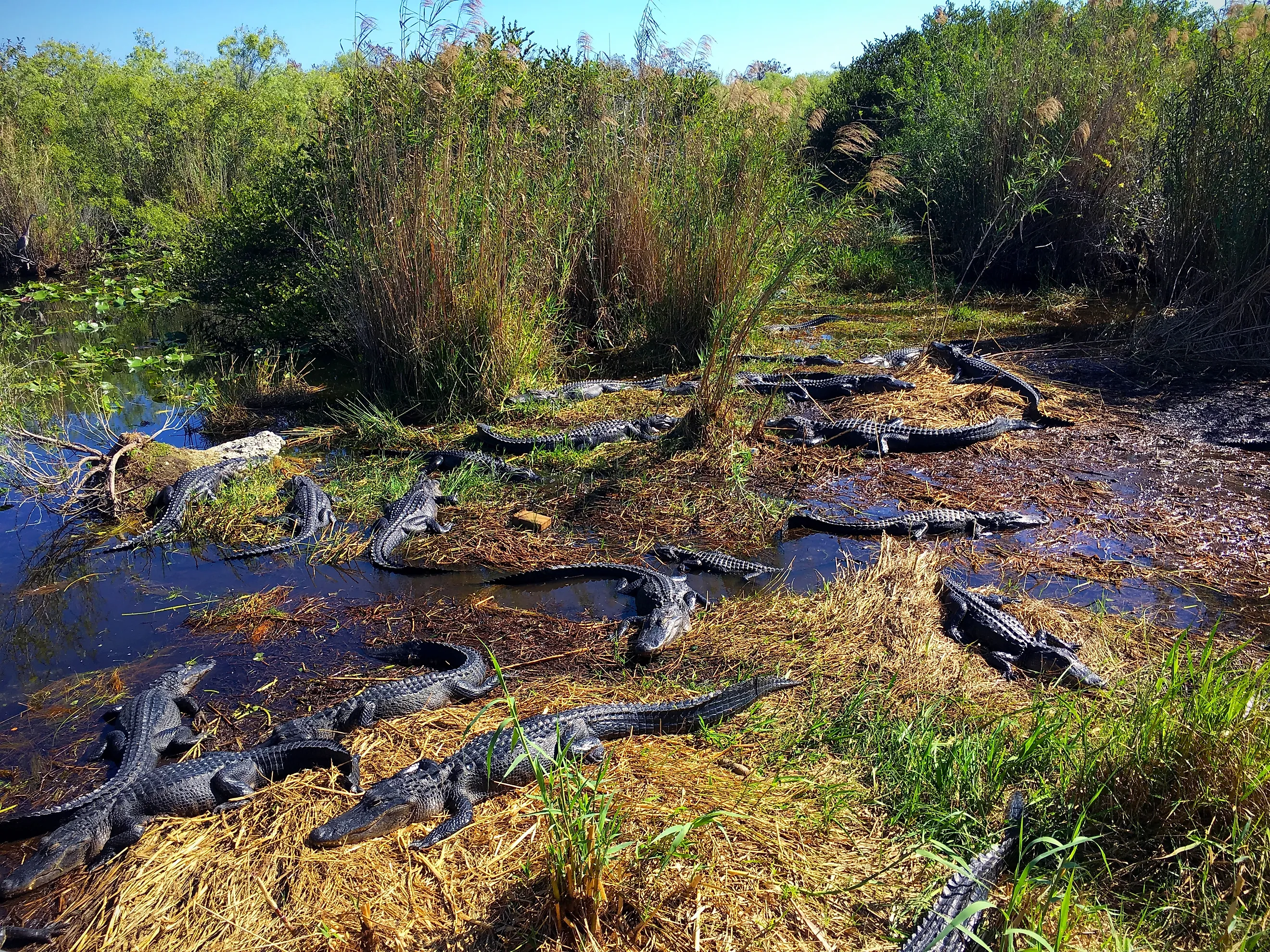
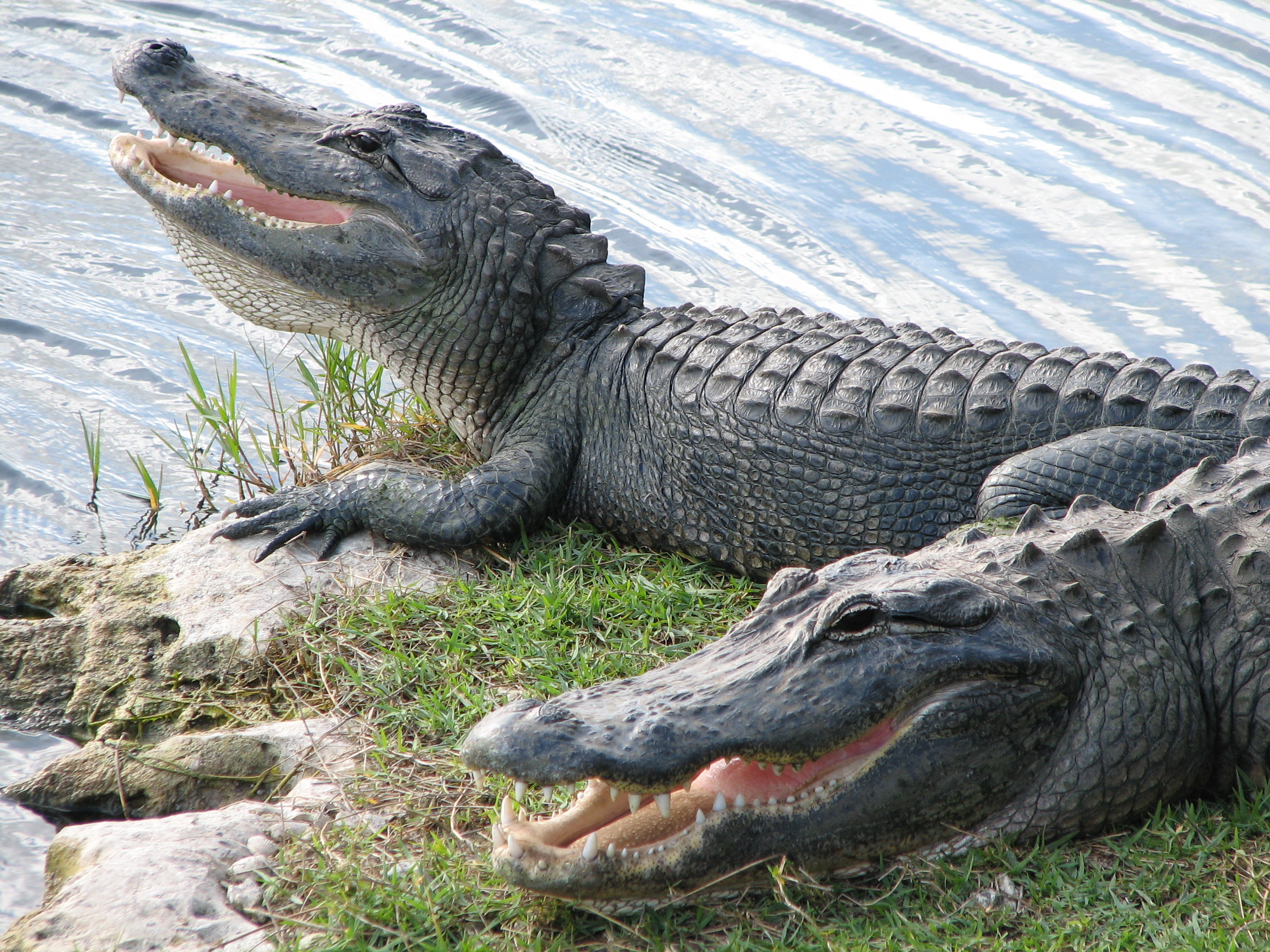
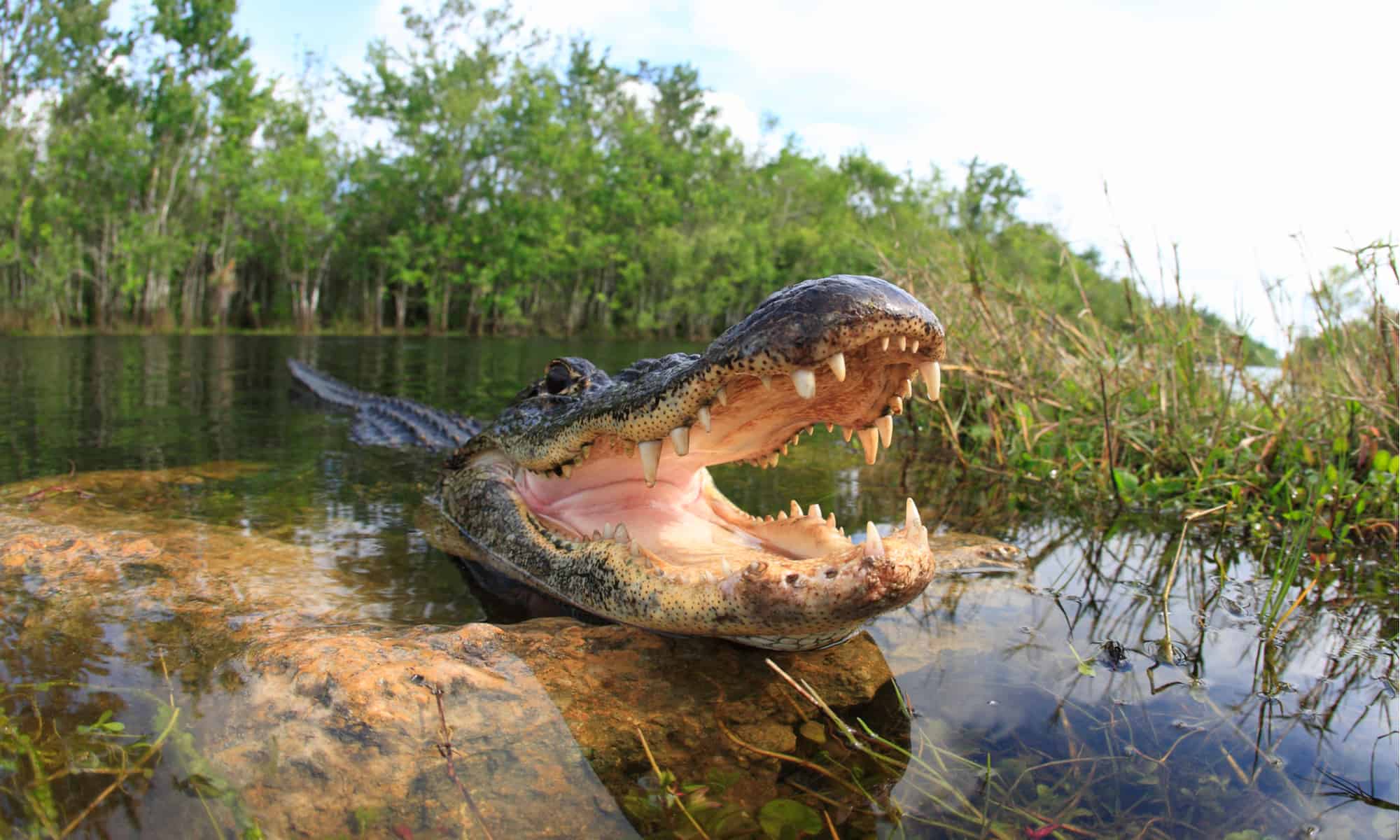
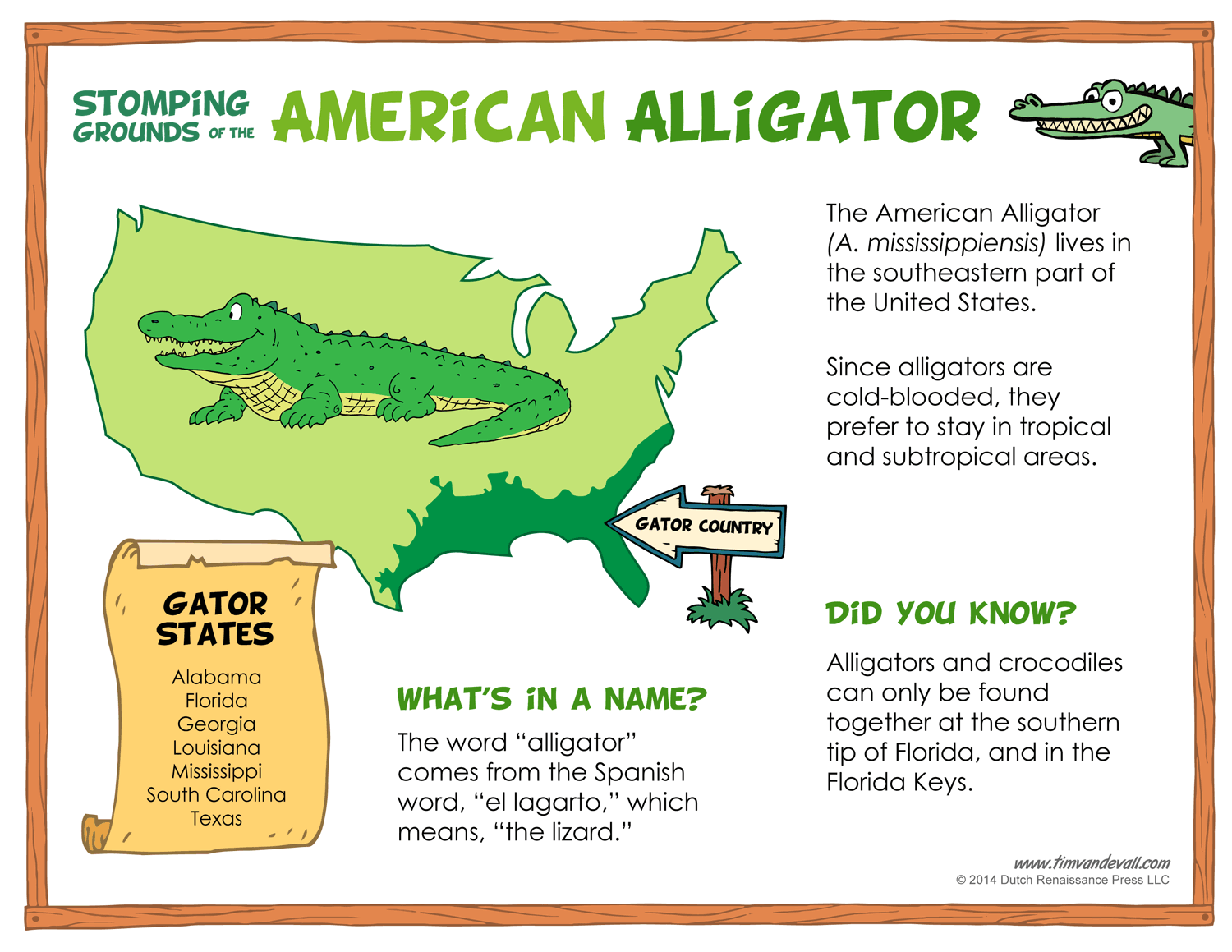
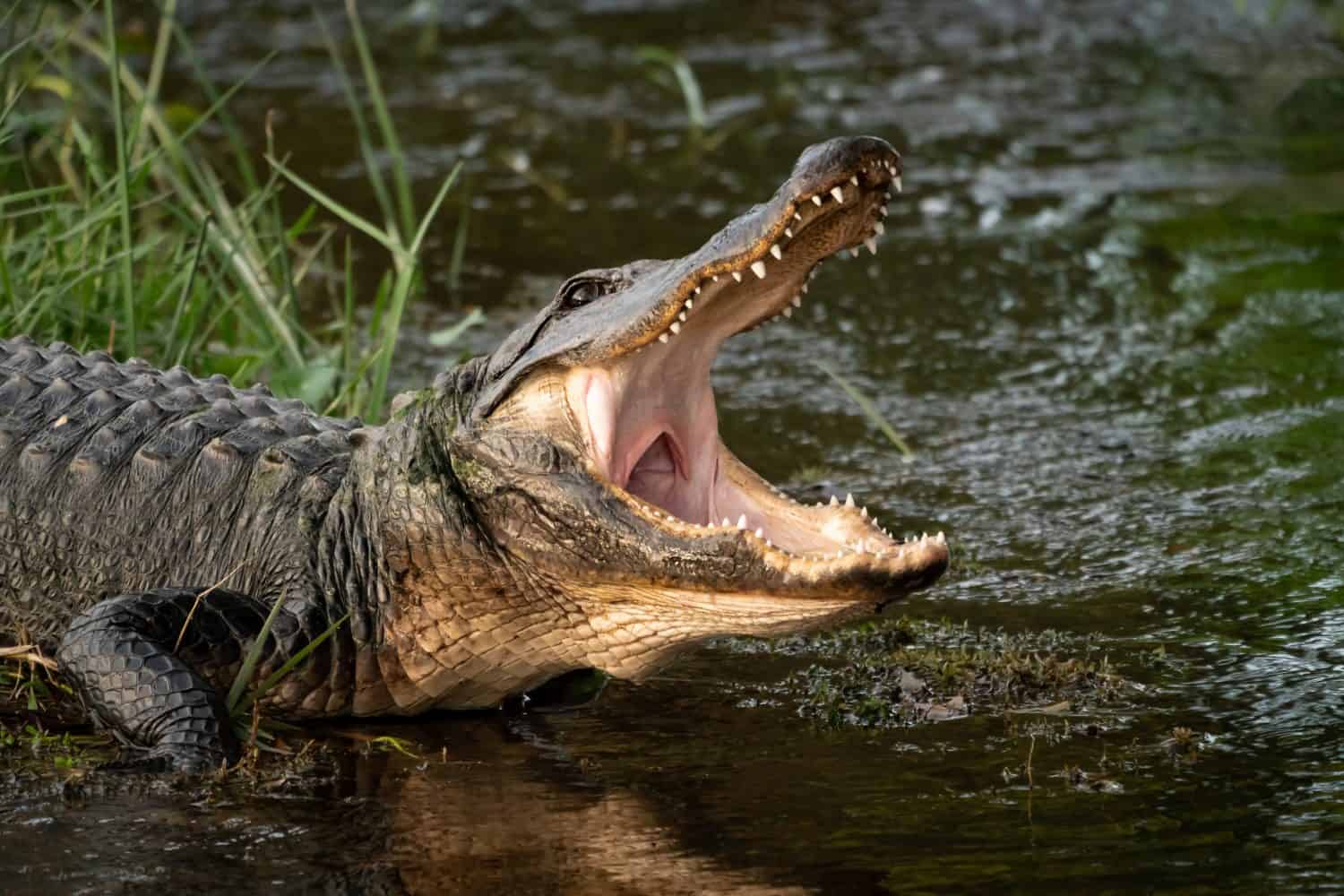
The American alligator (Alligator mississippiensis) is a keystone species and a premier symbol of the Southeastern United States' wetlands. In 2026, these apex predators continue to thrive across their historical range, from Texas to North Carolina, thanks to decades of successful conservation and rigorous state-managed population control programs.
Understanding the American Alligator: A Biological Profile
The American alligator is a member of the order Crocodilia and the family Alligatoridae. As one of the two living species of the genus Alligator, it is distinct from its cousin, the Chinese alligator. In the United States, the American alligator is recognized as an apex predator, playing a vital role in maintaining the balance of aquatic ecosystems.
Physical Characteristics and Adaptations
By 2026, biological research has further clarified the incredible adaptations that allow alligators to thrive in freshwater environments. Adult males typically reach lengths of 10 to 15 feet, though exceptional specimens have been recorded exceeding 19 feet in historical contexts. Females are generally smaller, rarely exceeding 10 feet.
Their bodies are covered in thick, armored scales known as osteoderms or scutes, which contain small bones that act as solar conductors, helping the animal regulate its body temperature. Alligators are ectothermic, meaning they rely on external heat sources. During the cooler months, they engage in "brumation," a state of dormancy where their metabolism slows significantly, and they may even survive brief periods of ice by keeping their snouts above the freezing water line.
Their bite force is among the most powerful in the animal kingdom, measured at over 2,000 pounds per square inch (psi). This strength is used to crush the shells of turtles and the bones of large prey. Conversely, the muscles used to open their jaws are relatively weak, which allows researchers and wildlife officials to secure their mouths using specialized tape during transport.
Sensory Systems and Hunting
Alligators possess highly developed sensory organs. Along their jaws, thousands of small black dots called Integumentary Sensory Organs (ISOs) detect minute pressure changes and vibrations in the water, allowing them to locate prey even in total darkness or murky water. Their eyes are equipped with a tapetum lucidum, a reflective layer behind the retina that enhances night vision and gives them their characteristic red "eyeshine" when illuminated by a flashlight at night.
Geographic Distribution and Population Status in 2026
The range of the American alligator is primarily defined by temperature and access to freshwater or brackish habitats. While they are occasionally found in saltier water for short durations, they lack the salt glands found in crocodiles, which limits their long-term survival in marine environments.
Primary States and Populations
As of 2026, the alligator population in the U.S. is estimated to be over 5 million individuals. The distribution is concentrated in the following states:
- Louisiana: Boasting the largest population, estimated at nearly 2 million gators. The state’s vast coastal marshes and cypress swamps provide the ideal habitat.
- Florida: Home to approximately 1.3 million alligators. They are found in all 67 counties, inhabiting everything from the Everglades to suburban retention ponds.
- Georgia and South Carolina: These states maintain stable populations concentrated in the Coastal Plain.
- Texas: The westernmost edge of the range, with significant populations in the eastern bayous and coastal marshes.
- North Carolina: Represents the northernmost natural limit of the range, with populations concentrated in the southeastern corner of the state.
Habitat Preferences and "Gator Holes"
Alligators are essential "ecosystem engineers." During dry seasons, they use their tails and snouts to dig out depressions in the substrate known as alligator holes. These holes retain water when the surrounding marsh dries up, providing a critical refuge for fish, turtles, and wading birds. In 2026, wetland conservation efforts emphasize the preservation of these holes as a primary means of supporting biodiversity during periodic droughts.
The Success of Conservation: From Endangered to Abundant
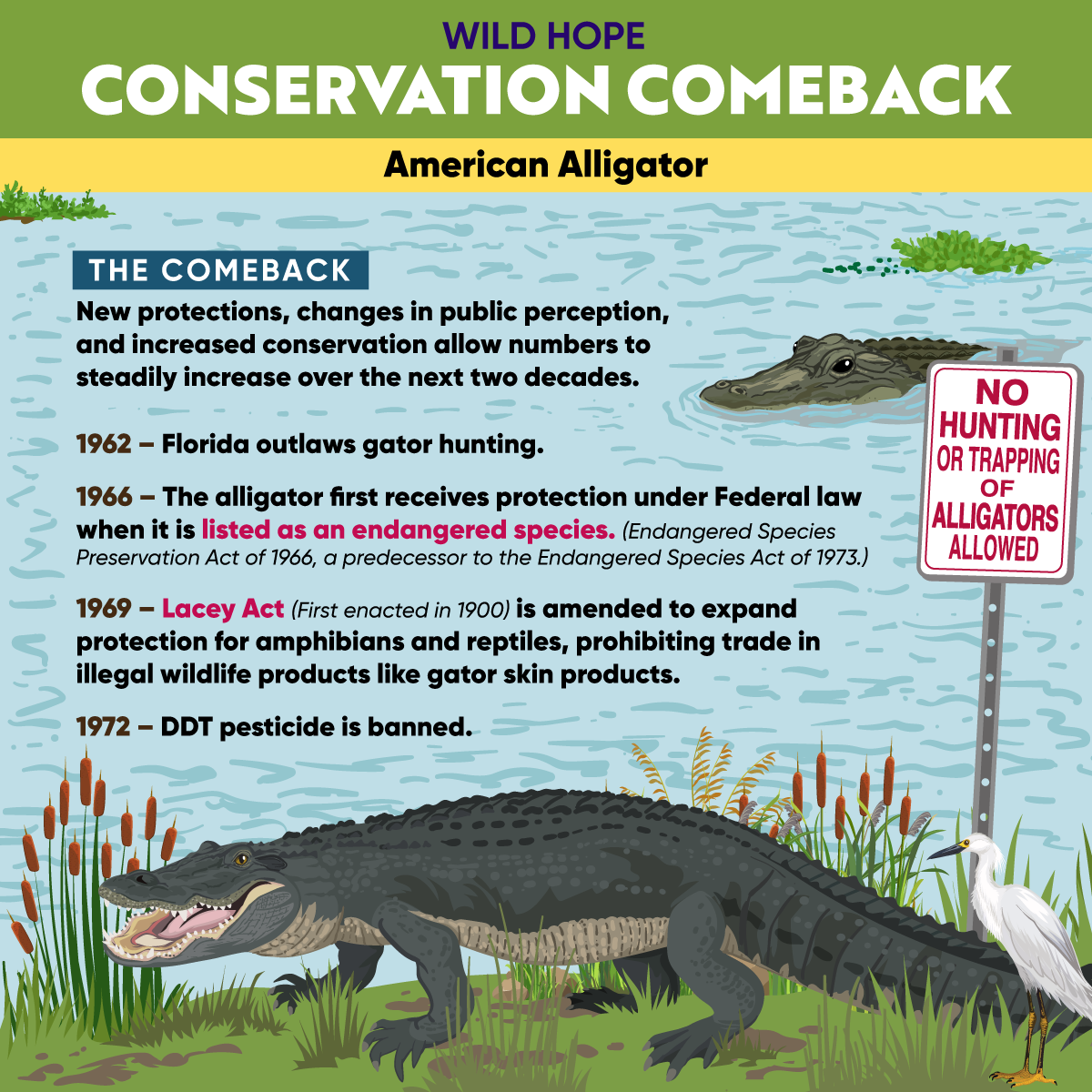
The history of the American alligator is one of the most successful stories in the history of the Endangered Species Act (ESA). In the mid-20th century, unregulated hunting for hides and meat decimated the population, leading the U.S. Fish and Wildlife Service to list the species as endangered in 1967.
The Path to Recovery
The species responded remarkably well to federal protection. Within 20 years, populations had rebounded so significantly that the alligator was removed from the endangered list in 1987. Today, they are classified as "threatened due to similarity of appearance" to other endangered crocodilians (like the American crocodile and certain caiman species). This classification allows the government to regulate the trade in alligator products to ensure that illegal poaching of more vulnerable species does not occur under the guise of the legal alligator trade.
Modern Management Programs
In 2026, alligator populations are managed through sustainable harvest programs. States like Louisiana and Florida issue a limited number of hunting permits annually. These programs are designed to:
- Maintain stable population levels.
- Provide economic incentives for landowners to preserve wetlands.
- Fund wildlife conservation through permit fees.
- Reduce human-alligator conflicts in high-density areas.
Coexisting with Alligators: Safety and Nuisance Protocols
As human development continues to encroach on natural wetlands, interactions between humans and alligators have become more frequent. Understanding how to coexist safely is a priority for state wildlife agencies in 2026.
Safety Guidelines for Residents and Tourists
The most important rule of coexistence is a simple one: never feed an alligator. When alligators are fed by humans, they lose their natural wariness and begin to associate people with food. This "conditioned" behavior is the primary cause of alligator-related incidents.
Additional safety measures include:
- Maintain Distance: Keep at least 60 feet away from any alligator. If it hisses or moves toward you, you are too close.
- Swim in Designated Areas: Alligators are most active at dusk and dawn. Avoid swimming in fresh or brackish water during these times or in areas where gators are known to congregate.
- Protect Pets: Small animals are approximately the same size as an alligator's natural prey. Keep pets on a short leash and away from the water's edge.
- Avoid Nesting Areas: During late spring and summer, female alligators are extremely protective of their nests and hatchlings.
Managing Nuisance Alligators
Most states have established a Statewide Nuisance Alligator Program (SNAP). A nuisance alligator is generally defined as one that is at least four feet in length and poses a threat to people, pets, or property. In 2026, these programs utilize contracted nuisance alligator trappers who are dispatched to remove the animal. It is important to note that once an alligator is removed through these programs, it is rarely relocated; instead, it is usually processed for its meat and hide because relocated alligators often attempt to return to their home territory or cause conflicts with existing gator populations in the new location.
Alligators vs. Crocodiles: A Comparative Analysis
While the American alligator is the most widespread crocodilian in the U.S., it shares parts of its range in Southern Florida with the American crocodile (Crocodylus acutus). Understanding the differences is vital for residents of the Everglades and surrounding areas.
| Feature | American Alligator | American Crocodile |
|---|---|---|
| Snout Shape | Broad, U-shaped, rounded | Narrow, V-shaped, pointed |
| Teeth | Top teeth visible when mouth is closed | Both top and bottom teeth visible ("toothy grin") |
| Habitat | Primarily freshwater; some brackish | Primarily saltwater/estuarine; coastal |
| Color | Darker (black/gray/olive) | Lighter (brown/tan/grayish) |
| Aggression | Generally timid unless provoked or fed | Generally more reclusive and shy |
| U.S. Range | SE United States (TX to NC) | Only Southern Florida and the Keys |
Ecological and Economic Significance
In 2026, the American alligator is recognized not just as a biological entity but as a significant economic driver in the Southern United States.
The Role of the Alligator Industry
The legal trade in alligator hides and meat is a multi-million dollar industry. Alligator farming—where gators are hatched from eggs collected in the wild and raised in controlled environments—provides high-quality leather for the global luxury fashion market. This industry is strictly regulated by state agencies and international treaties like CITES (Convention on International Trade in Endangered Species of Wild Fauna and Flora) to ensure that the wild population remains unaffected.
Keystone Species Impact
Ecologically, alligators help manage the populations of prey species. By consuming large numbers of fish, turtles, and small mammals, they prevent any one species from overpopulating. Furthermore, their movement through the marsh creates "trails" that help keep water flowing and prevent the complete stagnation of wetlands. Their nests, constructed from mounds of rotting vegetation, provide nesting sites for other reptiles and even some bird species once the alligator hatchlings have moved on.
Future Outlook: Alligators and Climate Change
As we move through 2026, researchers are closely monitoring how shifting climate patterns affect alligator distribution. Warming winters have allowed for a slight northward expansion of their range. Sightings in the northernmost parts of North Carolina and even into the tidewaters of Virginia have become more frequent, though established breeding populations remain largely confined to their traditional SE range.
The primary threat to the species in the future is not hunting or climate, but habitat loss. The drainage of wetlands for agricultural and residential development remains the biggest challenge for long-term alligator conservation. Preserving the "wildness" of the American South is inextricably linked to the survival of this ancient reptile.
Frequently Asked Questions
How fast can an alligator run on land?
Alligators can reach speeds of up to 11 miles per hour on land, but only for very short distances. They are not built for sustained running. Their primary mode of locomotion is swimming, where they can reach speeds of 20 miles per hour using their powerful, muscular tails. The myth that you should run in a "zigzag" pattern is incorrect; the best way to escape an alligator on land is to run in a straight line away from it as fast as possible.
What is the lifespan of an alligator in the wild?
In the wild, American alligators typically live between 30 and 50 years. In captivity, where they are protected from predators, environmental stressors, and food scarcity, they can live significantly longer, with some specimens reaching 70 years or more.
Do alligators hibernate?
They do not hibernate in the traditional sense, but they do enter a state of brumation. During cold snaps, their heart rate and breathing slow down. They often dig "dens" into the banks of waterways to stay insulated. When temperatures rise during a sunny winter day, they may emerge to bask and warm their bodies.
Can alligators climb fences?
Yes, surprisingly, alligators are capable of climbing. Smaller and mid-sized alligators can scale chain-link fences if they are motivated by food or the need to find a new water source. Homeowners in gator-prone areas are often advised to use fences with a "buried" bottom or a solid surface that prevents the animal from getting a grip.
Is it legal to own a pet alligator in the U.S.?
Laws vary significantly by state. In many Southeastern states where alligators are native, it is strictly illegal to keep them as pets without specialized permits for educational or scientific purposes. Even in states where it may be technically legal, the logistical challenge and danger of housing an apex predator that grows to 10+ feet make it highly discouraged by wildlife experts.
Recommended Next Actions
If you are a resident or a visitor in the Southeastern U.S. in 2026, your best course of action is to observe alligators from a safe distance. Utilize binoculars or long-lens cameras for photography. If you encounter an alligator that appears too comfortable around humans or is in a location where it poses a direct risk (such as a swimming pool or a school yard), contact your local state wildlife agency:
- Florida: Florida Fish and Wildlife Conservation Commission (FWC).
- Louisiana: Louisiana Department of Wildlife and Fisheries (LDWF).
- Georgia: Georgia Department of Natural Resources (DNR).
By respecting the boundaries of these ancient creatures, we ensure that they remain a vibrant part of the American landscape for generations to come.