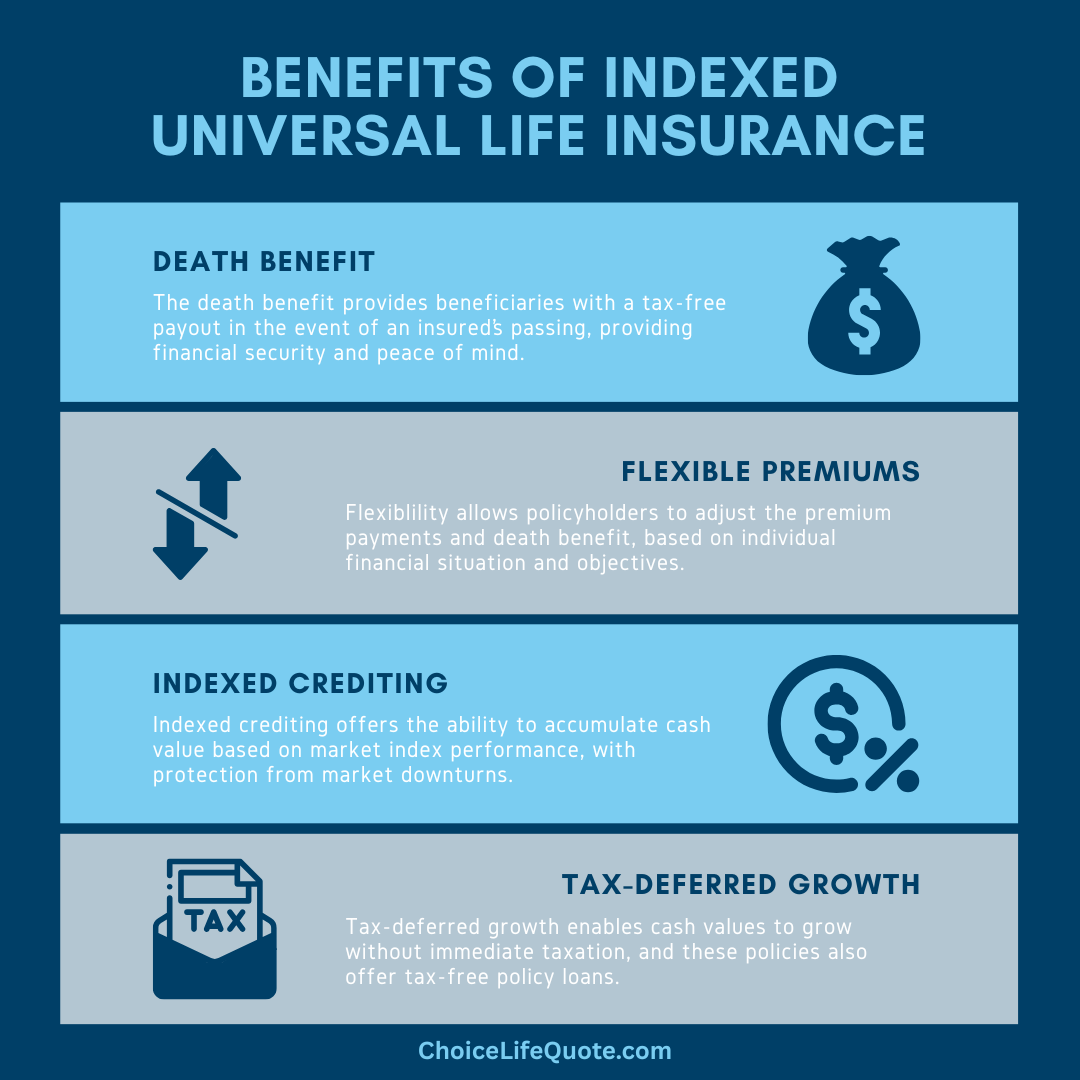
The Allianz Life Pro+ Fixed Index Universal Life (FIUL) insurance policy is a permanent life insurance solution designed to provide a death benefit while offering cash value growth potential linked to the performance of external market indices. It functions as a flexible-premium vehicle that balances downside protection through a 0% floor with the possibility of tax-advantaged accumulation for retirement or estate planning.
Understanding the Allianz Life Pro+ Structure
Allianz Life Insurance Company of North America is a dominant force in the indexed universal life (IUL) market. As of 2026, their flagship Life Pro+ series continues to be a primary choice for individuals seeking "Living Benefits"—features that allow the policyholder to access funds during their lifetime.
Unlike traditional whole life insurance, which has fixed premiums and guaranteed growth rates, the Life Pro+ is a type of "Universal Life" insurance. This means it offers flexibility in premium payments and death benefit amounts, provided the policy remains sufficiently funded to cover the internal costs of insurance (COI) and administrative fees. The "Fixed Index" component refers to how the cash value earns interest. Instead of a flat rate, the interest is calculated based on the movement of a market index, such as the S&P 500 or proprietary volatility-controlled indices.
The policy is essentially a combination of a term insurance component and a cash accumulation account. A portion of every dollar you pay in premiums goes toward the cost of the death benefit and company fees, while the remainder is added to the cash value. This cash value is then "allocated" to various index accounts.
Core Features and Indexing Options
The hallmark of the Allianz Life Pro+ series is its diversity of indexing strategies. Allianz frequently updates its offerings to include both well-known benchmarks and custom-designed indices.
Index Allocation Options
Policyholders can typically choose from several index options, which may include:
- S&P 500 Index: The standard benchmark for U.S. large-cap equities.
- Bloomberg US Dynamic Balance Index: A multi-asset index that shifts between equities and fixed income to manage volatility.
- PIMCO Tactical Balanced Index: Uses a dynamic allocation strategy to navigate different market cycles.
Crediting Methods
Allianz utilizes different "crediting methods" to determine how much interest is added to the policy. The most common are:
- Annual Point-to-Point: Measures the index value at the beginning and end of the policy year.
- Monthly Sum: Tracks monthly changes and sums them up at year-end, often subject to a monthly cap.
- Participation Rates: Instead of a "cap" (a maximum ceiling on returns), some accounts use a "participation rate," where the policyholder receives a percentage of the total index gain (e.g., 140% of the index's growth).
The 0% Floor: A critical technical specification of the Life Pro+ is the floor. If the chosen index loses 20% in a given year, your cash value is credited with 0% rather than a loss. This protection against market volatility is why many conservative investors or those nearing retirement find FIUL attractive. However, it is vital to remember that while the index credit cannot be negative, the policy's cash value can still decrease if the 1% or 2% interest credit does not cover the monthly insurance and administrative charges.
Living Benefits and Riders
One of the primary reasons consumers look at an Allianz Life Pro+ review is the suite of "living benefits." These are riders—additional provisions—that allow the policyholder to access the death benefit under specific circumstances while they are still alive.
Chronic and Terminal Illness Riders
Most Allianz Life Pro+ policies include an Accelerated Death Benefit Rider. If the insured is diagnosed with a terminal illness (usually defined as having less than 12 or 24 months to live) or a chronic illness (unable to perform two of the six "Activities of Daily Living"), they can accelerate a portion of the death benefit. These funds can be used for long-term care, medical bills, or any other purpose. This effectively allows the life insurance policy to act as a "backup" for long-term care planning.
The Lifetime Income Foundation
Allianz often highlights the ability to generate a tax-advantaged income stream in retirement. By using policy loans (discussed below), the policyholder can withdraw or borrow against the cash value. Because these are structured as loans against the death benefit, they are generally not considered taxable income under current IRS rules (Internal Revenue Code Section 7702), provided the policy does not become a Modified Endowment Contract (MEC).
The Cost Structure: Premium Loads and Internal Charges
To accurately evaluate the Allianz Life Pro+ Fixed Index Universal Life, one must look past the potential gains and analyze the internal expenses. Every IUL policy has a "drag" on performance caused by fees.
- Premium Load: A percentage of every premium payment (often between 5% and 10%) is deducted immediately for state premium taxes and administrative costs.
- Monthly Administrative Fee: A flat dollar amount (e.g., $10–$20) deducted every month.
- Expense Charge per $1,000: An additional charge based on the face amount of the policy, usually higher in the first 10–15 years.
- Cost of Insurance (COI): This is the actual cost of the "death benefit" risk. As the insured gets older, the COI increases significantly. This is why it is vital to overfund the policy in the early years so the cash value growth can eventually offset the rising COI in later years.
- Surrender Charges: If you cancel the policy within the first 10 to 12 years, Allianz will levy a substantial surrender charge. This makes the Life Pro+ a long-term commitment; it is not a liquid savings account for short-term needs.
| Feature | Specification | Impact on Policyholder |
|---|---|---|
| Minimum Interest Floor | 0% | Protects against market losses. |
| Surrender Charge Period | Typically 10-12 Years | Limits early liquidity; requires long-term commitment. |
| Index Options | S&P 500, Bloomberg, PIMCO | Provides diversification in growth strategies. |
| Loan Types | Standard & Index Loans | Offers flexibility in how you access cash. |
| Tax Status | Tax-Deferred Growth | Enhances long-term accumulation potential. |
| Death Benefit Type | Level or Increasing | Allows customization of protection vs. growth. |
Accessing Cash: Standard vs. Index Loans
When you want to take money out of an Allianz Life Pro+ policy, you generally have two choices for loans. Understanding the difference is crucial for the long-term health of the policy.
Standard (Fixed) Loans
In a standard loan, the amount you borrow is moved from the index account to a collateral account. Allianz charges you a fixed interest rate on the loan (e.g., 5%), but they also credit that same collateral account with a fixed interest rate (e.g., 4%). The "net cost" of the loan is the difference (in this case, 1%). This is a predictable, low-risk way to access cash.
Index (Participatory) Loans
Index loans are more aggressive. The money you borrow stays in the index accounts and continues to earn interest based on market performance. Allianz charges you a higher, often variable, interest rate for this privilege (e.g., 6%).
- The Upside: If the index earns 10%, and your loan rate is 6%, you actually make a 4% profit on the money you borrowed.
- The Downside: If the index earns 0% (the floor) and your loan rate is 6%, you owe the 6% interest, which is deducted from your remaining cash value. This can cause a "policy lapse" if market returns are poor for several years.
Comparing Allianz Life Pro+ to Competitors
In the 2026 insurance landscape, Allianz remains a "top-tier" carrier, often compared to companies like Pacific Life, National Life Group, and Nationwide.
- Vs. Pacific Life: Pacific Life often focuses on high-cap S&P 500 accounts, whereas Allianz tends to lean more into "volatility-controlled" indices and participation rates. Allianz is often viewed as having more robust "living benefit" riders.
- Vs. National Life Group: National Life Group is famous for its "Living Benefits" (Life Insurance You Don't Have To Die To Use). Allianz's riders are competitive, but National Life Group's acceleration triggers for critical illness are sometimes broader.
- Financial Strength: Allianz SE (the parent company) is one of the largest financial institutions in the world. Its A.M. Best and Standard & Poor’s ratings are consistently in the "Superior" or "Excellent" range, which provides peace of mind that the company will be able to pay out death benefits decades into the future.
Suitability: Who Should Consider This Policy?
The Allianz Life Pro+ is not a "one-size-fits-all" product. It is a sophisticated financial tool that requires active management and a clear understanding of its mechanics.
Ideal Candidates
- High Net Worth Individuals: Those who have already maximized their 401(k) and IRA contributions and are looking for another tax-advantaged bucket for wealth accumulation.
- Business Owners: The policy can be used for "Key Person" insurance or to fund "Buy-Sell Agreements," while providing the owner with a potential retirement asset.
- Health-Conscious Individuals: Because the cost of insurance (COI) is based on health ratings, those in "Preferred Plus" health categories will see much lower internal costs, allowing more of their premium to go toward cash value growth.
Who Should Avoid It?
- Short-Term Savers: If you might need the money in 5 years, the surrender charges and front-end loads make this a poor choice.
- Low-Risk Tolerant Individuals: While there is a 0% floor, the variability of index credits can be stressful for some. If you want a guaranteed 4% return, a fixed annuity or whole life policy might be better.
- People with Minimal Life Insurance Needs: If you don't actually need the death benefit, the internal "cost of insurance" makes this an expensive way to invest compared to a low-cost brokerage account.
Critical Considerations and Common Mistakes
A major risk with the Allianz Life Pro+ (and all FIULs) is underfunding. If a policyholder only pays the "minimum premium" required to keep the policy in force, the cash value will likely never grow enough to sustain the policy in later years when insurance costs rise.
Furthermore, "Illustrations" provided by insurance agents are projections, not guarantees. An illustration might show a 6% average annual return, but in reality, the market may provide 12% one year and 0% for the next two. Policyholders must review their annual statements every year to ensure the policy is performing as expected. If the caps or participation rates are lowered by Allianz (which they have the right to do), the policyholder may need to increase their premiums to keep the policy on track.
Frequently Asked Questions
Can Allianz change the caps and participation rates on my policy?
Yes. Allianz, like all IUL carriers, reserves the right to adjust the "participation rates," "caps," and "spreads" on the index accounts. These are usually tied to the options market and the general interest rate environment. If it becomes more expensive for Allianz to hedge the index, they may lower the caps. However, they must stay within the "contractual minimums" stated in your policy document.
What happens if I stop paying premiums?
Because the Life Pro+ is a universal life policy, it has flexible premiums. If you stop paying, the insurance and administrative costs will be deducted from your existing cash value. As long as there is enough cash value to cover these monthly "charges," the policy stays in force. Once the cash value is exhausted, the policy will "lapse," and you will lose the death benefit and potentially face a tax bill on any gains.
Are the death benefits really tax-free?
Generally, yes. Under current 2026 federal law, life insurance death benefits are paid to beneficiaries income-tax-free. However, if the policy is owned by a large estate, it may be subject to federal or state estate taxes unless it is held within an Irrevocable Life Insurance Trust (ILIT).
Is the cash value growth guaranteed?
No. The only guarantee regarding the index accounts is the 0% floor, which prevents negative interest crediting. The actual growth depends on the performance of the chosen indices and the caps/participation rates set by Allianz. There is no guaranteed minimum annual return on the indexed portions of the policy.
How does the Chronic Illness Rider differ from Long-Term Care (LTC) insurance?
The Chronic Illness Rider is an "acceleration" of the death benefit you already have. If you use $100,000 for care, your death benefit decreases by at least $100,000. Traditional LTC insurance is a separate policy that pays for care without necessarily reducing a life insurance benefit. The Allianz rider is often easier to qualify for and does not require a separate premium, but it provides less total leverage than a dedicated LTC policy.
Final Recommendation
The Allianz Life Pro+ Fixed Index Universal Life policy is a powerful, high-tier financial product for those who need permanent life insurance and have a 15-to-30-year time horizon. Its primary strengths lie in its strong financial ratings, flexible index options, and robust living benefits.
However, it is not a "set-it-and-forget-it" investment. To succeed with this policy, you should:
- Work with a specialist who can run "maximum-funded" illustrations to show how the policy performs under stress.
- Commit to overfunding the policy in the early years to build a "buffer" of cash value.
- Perform an annual review of your index allocations and the policy’s internal costs to ensure it still meets your long-term financial goals.
If you are looking for pure death benefit protection at the lowest cost, a Term Life policy remains the better choice. If you want guaranteed growth with no moving parts, look at Whole Life. But if you want a hybrid of protection, market-linked growth, and tax-advantaged flexibility, the Allianz Life Pro+ remains one of the most competitive options available in 2026.