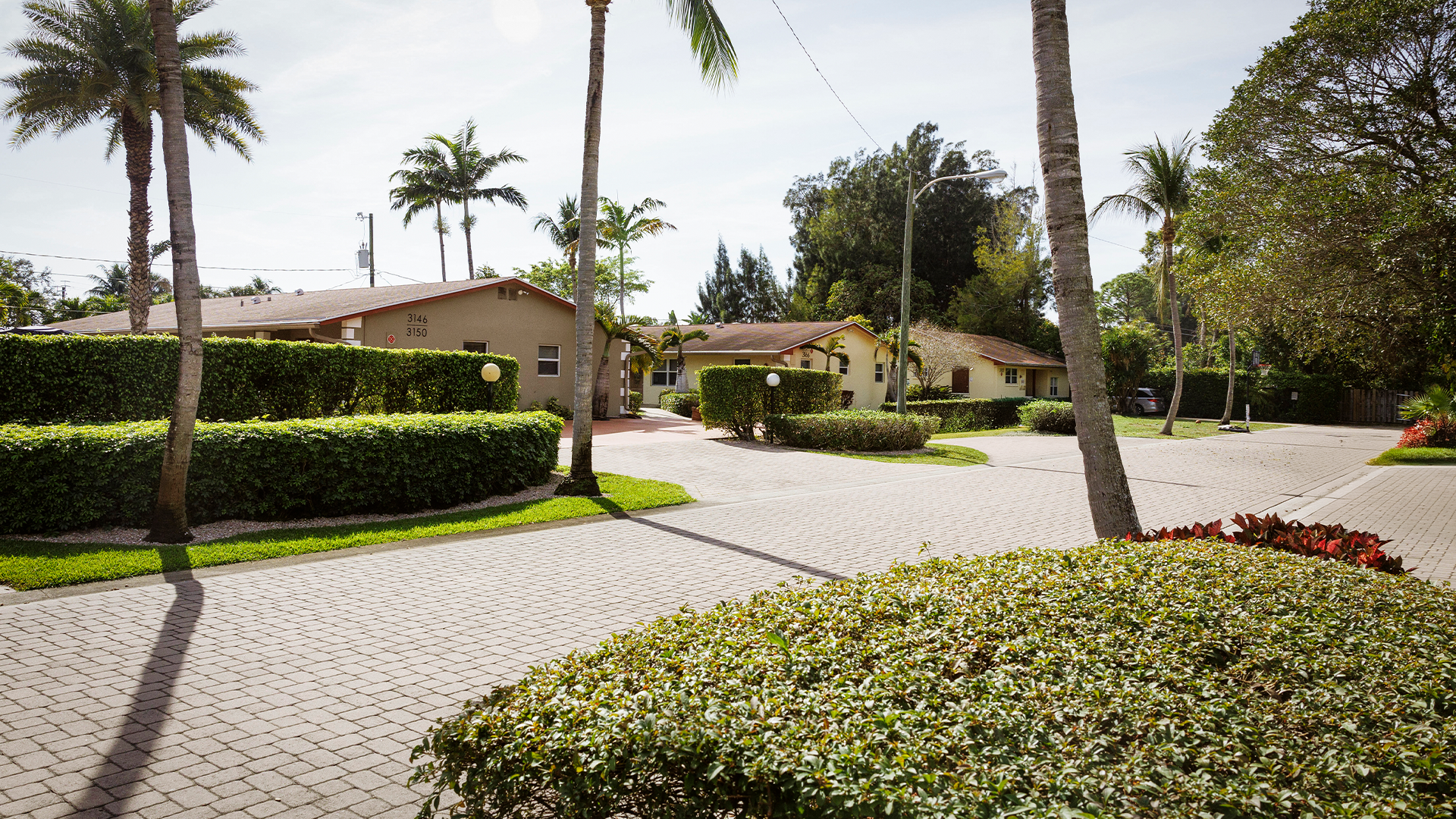
Navigating alcohol rehab in Florida involves understanding a continuum of care that ranges from medically supervised detoxification to residential treatment, intensive outpatient programs, and ongoing aftercare. Florida hosts a diverse network of licensed behavioral health facilities, making it essential to evaluate treatment models, accreditation standards, and payment options to find a suitable program.
Finding the right alcohol rehabilitation center requires a clear understanding of your clinical needs, financial situation, and legal rights regarding healthcare coverage. Florida has established itself as a prominent hub for addiction treatment, featuring thousands of licensed providers across the state. However, the quality, specialization, and cost of these programs vary significantly. Whether you are seeking help for yourself or a loved one, knowing how to evaluate facilities, verify clinical credentials, and understand the levels of care can streamline the path to recovery.
Understanding the Landscape of Addiction Treatment in Florida
Florida's treatment sector includes everything from sprawling, resort-style private facilities to community-based non-profit clinics and hospital-affiliated recovery units. The state's regulatory environment is overseen primarily by the Florida Department of Children and Families (DCF), which licenses substance abuse service providers under Chapter 397 of the Florida Statutes.
When exploring options in the state, it is vital to look beyond marketing claims and examine objective markers of quality. Facilities that hold national accreditations from organizations such as The Joint Commission or the Commission on Accreditation of Rehabilitation Facilities (CARF) demonstrate adherence to rigorous, internationally recognized clinical and operational standards. Licensed facilities must maintain minimum staffing ratios, adhere to strict safety protocols, and employ credentialed medical and clinical personnel, including licensed mental health counselors, certified addiction professionals, and medical doctors.
Levels of Care in Alcohol Rehabilitation
Addiction treatment is not a one-size-fits-all model. The American Society of Addiction Medicine (ASAM) defines a multidimensional continuum of care that most licensed Florida facilities utilize to place individuals at the appropriate clinical intensity. Understanding these levels helps ensure safety and long-term success.
Medical Detoxification
For individuals with severe alcohol dependence, abrupt cessation can trigger delirium tremens, seizures, and autonomic instability, which can be life-threatening. Medical detoxification provides 24/7 nursing care and physician oversight. Clinicians often administer medications, such as benzodiazepines or other symptom-management protocols, to safely taper patients off alcohol and stabilize their physiological status. Detoxification typically lasts from three to seven days, depending on the severity of the use disorder and co-occurring medical conditions.
Inpatient and Residential Treatment
Following detoxification, residential treatment provides a structured, immersive therapeutic environment where individuals live on-site at the facility.
- High-Intensity Residential: Offers 24-hour nursing and medical monitoring alongside intensive clinical therapy for individuals with severe psychological and physical needs.
- Low-Intensity Residential: Provides a stable, substance-free living environment with scheduled therapy, psychoeducation, and group counseling, but without the round-the-clock medical oversight.
Partial Hospitalization Programs (PHP)
Often referred to as day treatment, PHP represents the bridge between residential care and outpatient living. Patients attend treatment sessions at the facility for 20 to 30 hours per week, typically spanning five to seven days. This level of care suits individuals who require intensive clinical intervention—such as individual therapy, group counseling, and psychiatric management—but have a stable, supportive home environment to return to each evening.
Intensive Outpatient Programs (IOP)
An intensive outpatient program requires a lower time commitment, usually ranging from 9 to 19 hours per week spread across three to five days. IOP is designed for individuals transitioning down from higher levels of care or those whose addiction is less severe, allowing them to maintain employment, attend school, or manage family responsibilities while receiving structured clinical support.
Outpatient Services and Continuing Care
Standard outpatient treatment involves weekly or bi-weekly therapy sessions. This level focuses on relapse prevention, coping strategies, and addressing underlying behavioral health triggers. Long-term recovery also heavily relies on continuing care, which includes alumni programs, 12-step facilitation, and peer support groups.
| Level of Care | Typical Time Commitment | Medical Oversight | Best Suited For |
|---|---|---|---|
| Medical Detox | 3–7 days (24/7 care) | High / Round-the-clock | Individuals at risk of severe alcohol withdrawal symptoms. |
| Residential / Inpatient | 30–90 days (24/7 care) | Moderate to High | Those requiring a controlled, distraction-free environment. |
| Partial Hospitalization (PHP) | 20–30 hours/week | Low to Moderate | Patients needing daily clinical structure without overnight stays. |
| Intensive Outpatient (IOP) | 9–19 hours/week | Low | Individuals balancing work or family while in early recovery. |
| Outpatient Care | 1–5 hours/week | Minimal | Those stepping down from IOP needing ongoing accountability. |
Specialized Treatment Tracks and Dual Diagnosis
Alcohol use disorder rarely exists in a vacuum. A high percentage of individuals struggling with alcohol dependence also experience co-occurring mental health conditions, such as depression, anxiety, post-traumatic stress disorder (PTSD), or bipolar disorder. This is clinically known as a dual diagnosis or co-occurring disorder.
Effective alcohol rehab in Florida must offer integrated dual-diagnosis treatment. Facilities failing to address underlying psychiatric conditions alongside addiction often see higher rates of relapse. Integrated treatment involves simultaneous psychiatric evaluation, medication management, and specialized psychotherapeutic modalities such as:
- Cognitive Behavioral Therapy (CBT): Helps patients identify and restructure distorted thinking patterns and behaviors that lead to drinking.
- Dialectical Behavior Therapy (DBT): Focuses on emotional regulation, distress tolerance, and interpersonal effectiveness.
- Motivational Interviewing (MI): Resolves ambivalence and strengthens internal motivation for behavioral change.
Furthermore, specialized tracks cater to specific demographics, such as executives and professionals requiring discrete care, LGBTQ+ individuals, veterans, and gender-specific programs that provide a comfortable environment for targeted trauma resolution.
Navigating Costs, Insurance, and Financial Options
The cost of alcohol rehabilitation in Florida varies widely based on the facility's setting, amenities, staff-to-client ratio, and level of care. Luxury or private-pay facilities can cost tens of thousands of dollars per month, while state-funded clinics or facilities accepting Medicaid offer subsidized or sliding-scale options.
Health Insurance Coverage
Under the federal Mental Health Parity and Addiction Equity Act and the Affordable Care Act (ACA), most private health insurance plans are required to cover substance use disorder treatment services as essential health benefits. Depending on your specific policy, insurance may cover a portion or the entirety of:
- Diagnostic assessments and medical evaluations
- Medical detoxification services
- Inpatient and residential room and board
- Outpatient therapy and clinical counseling
To determine your benefits, contact your insurance provider's member services department or ask the admissions department of the Florida treatment facility to conduct a complimentary insurance verification. Be sure to ask about your deductible, co-insurance percentages, and out-of-pocket maximums.
State-Funded and Self-Pay Options
For individuals without private insurance, Florida’s Department of Children and Families contracts with various Managing Entities across different geographic regions to distribute state and federal block grant funds. These funds support community-based substance abuse treatment programs for low-income residents, though waiting lists can sometimes apply. For those paying out of pocket, many private facilities offer customized payment plans, sliding-scale fees, or partnerships with specialized healthcare lending companies.
Evaluating and Selecting a Florida Rehab Facility
Choosing the right facility requires looking past online advertisements and asking targeted questions during the admissions process. Consider the following criteria when vetting a treatment center:
- Licensure and Accreditation: Verify that the facility holds an active license with the Florida DCF and maintains national accreditation (The Joint Commission or CARF). You can check state licensing records via the Florida Department of Children and Families provider directory.
- Medical Staffing: Ensure that medical doctors, registered nurses, and psychiatric professionals are on-site or readily accessible, particularly for detox and residential levels of care.
- Evidence-Based Practices: Inquire about the primary therapeutic modalities used. Avoid programs that rely solely on holistic remedies without grounding their clinical program in evidence-based psychotherapies.
- Discharge and Aftercare Planning: High-quality facilities begin planning for post-treatment life from day one. Ask about their structured aftercare coordination, sober living referrals, and alumni networks.
- Ethical Marketing Practices: Be cautious of facilities engaging in aggressive patient brokering, offering free flights, or making unrealistic guarantees about recovery outcomes. Legitimate centers transparently discuss costs, clinical limitations, and expected treatment durations.
Frequently Asked Questions
How long does alcohol rehab last in Florida?
Treatment duration varies based on individual clinical needs and the chosen level of care. Standard residential programs typically run for 30, 60, or 90 days. However, recovery is an ongoing process, and many individuals transition through multiple phases, moving from detox to residential, then to PHP, IOP, and outpatient care over several months.
Can I be forced into alcohol rehab in Florida?
Yes, under specific legal frameworks. Florida's Marchman Act (Florida Statutes Chapter 397, Part V) allows family members, spouses, or law enforcement to petition the court for involuntary assessment and stabilization of an individual struggling with severe substance abuse who has lost the capacity to make rational decisions regarding their treatment.
Is detox required before entering a residential alcohol rehab program?
Not always, but it is necessary for individuals with moderate to severe physical dependence. If an individual has been drinking heavily and abruptly stops, they risk experiencing dangerous medical complications. A clinical assessment upon admission determines whether medical detoxification is required before transitioning to residential therapy.
What should I pack for a residential alcohol rehab stay in Florida?
Most facilities provide a detailed packing list, but generally, clients should bring comfortable, casual clothing appropriate for Florida's climate, personal hygiene products (alcohol-free), valid photo identification, insurance cards, and a limited supply of approved prescription medications. Items with explicit references to alcohol or drugs, weapons, valuables, and electronics with recording capabilities are typically prohibited.
How do I verify if a Florida treatment center is legitimate?
You can verify a facility's state licensure by searching the Florida Department of Children and Families database. Additionally, check for national accreditations through The Joint Commission or CARF, and review consumer protection resources or the Better Business Bureau to check for complaints or compliance issues.
Next Steps and Professional Guidance
If you or a loved one is struggling with alcohol abuse, taking the first step involves reaching out for a professional clinical evaluation. Contact a licensed healthcare provider, your insurance company's behavioral health department, or a trusted addiction specialist to discuss appropriate placement options.
Disclaimer: This article is for informational purposes only and does not constitute medical, legal, or financial advice. Individuals seeking medical treatment for alcohol withdrawal or substance use disorders should consult with a qualified healthcare professional immediately.