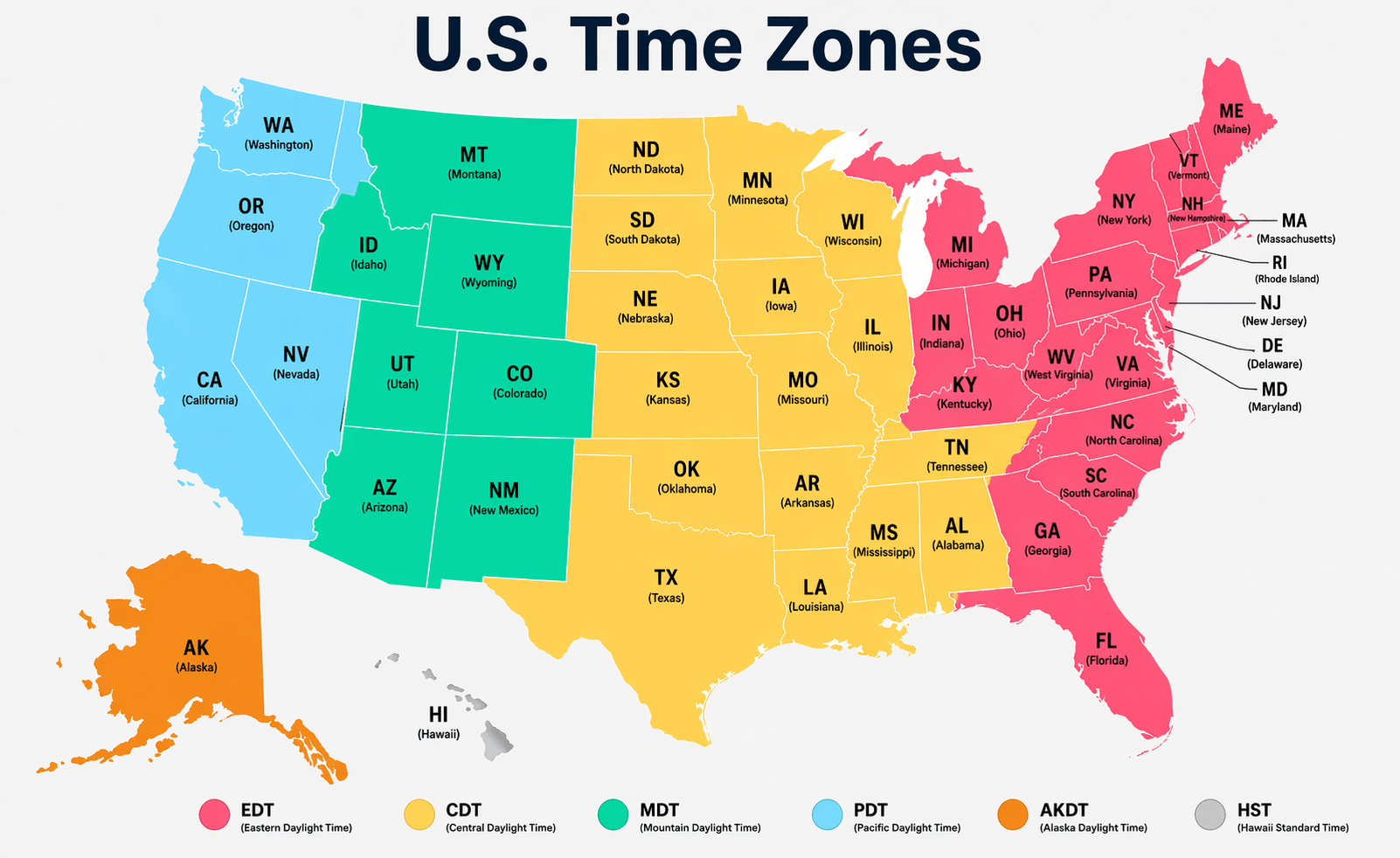
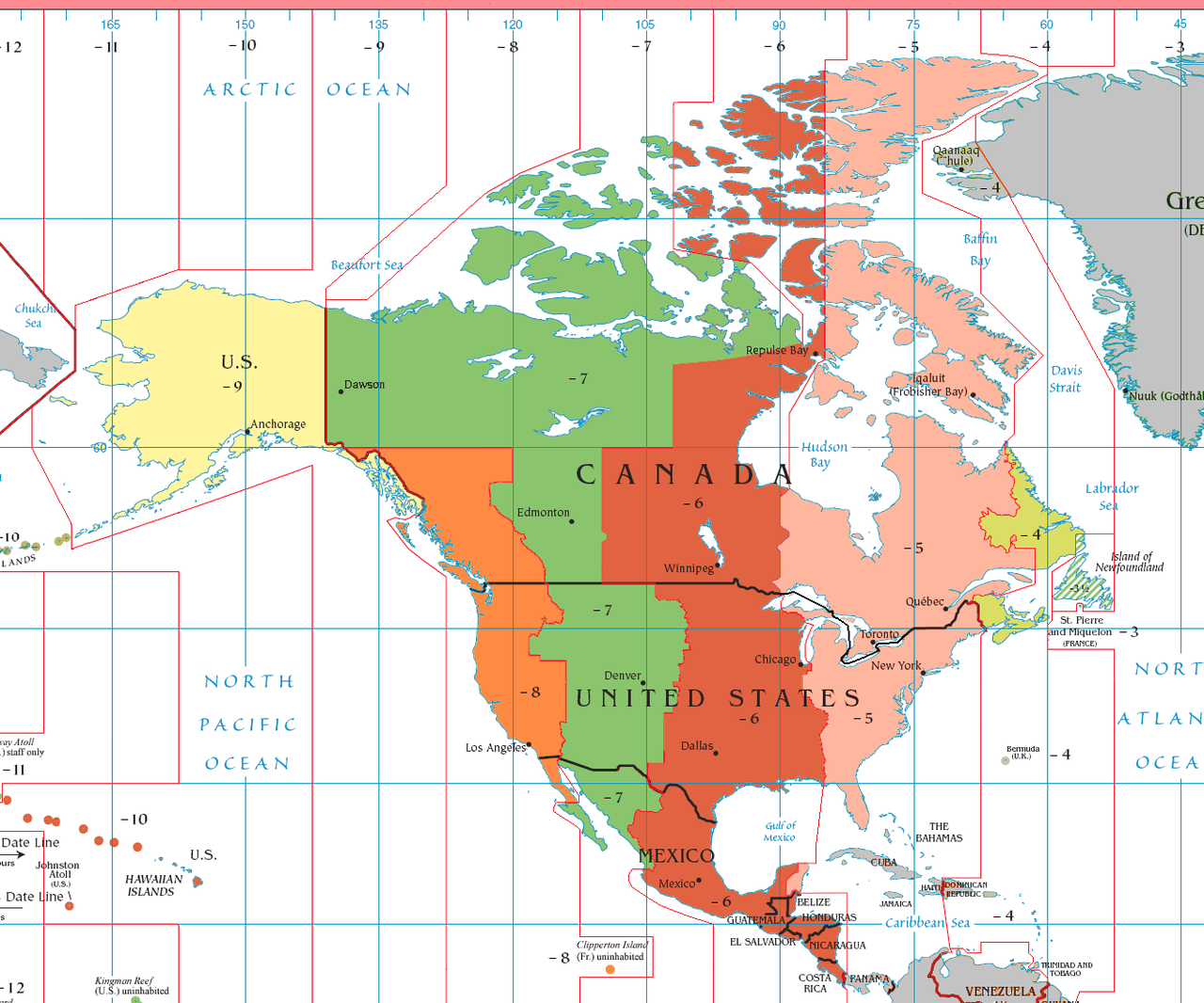
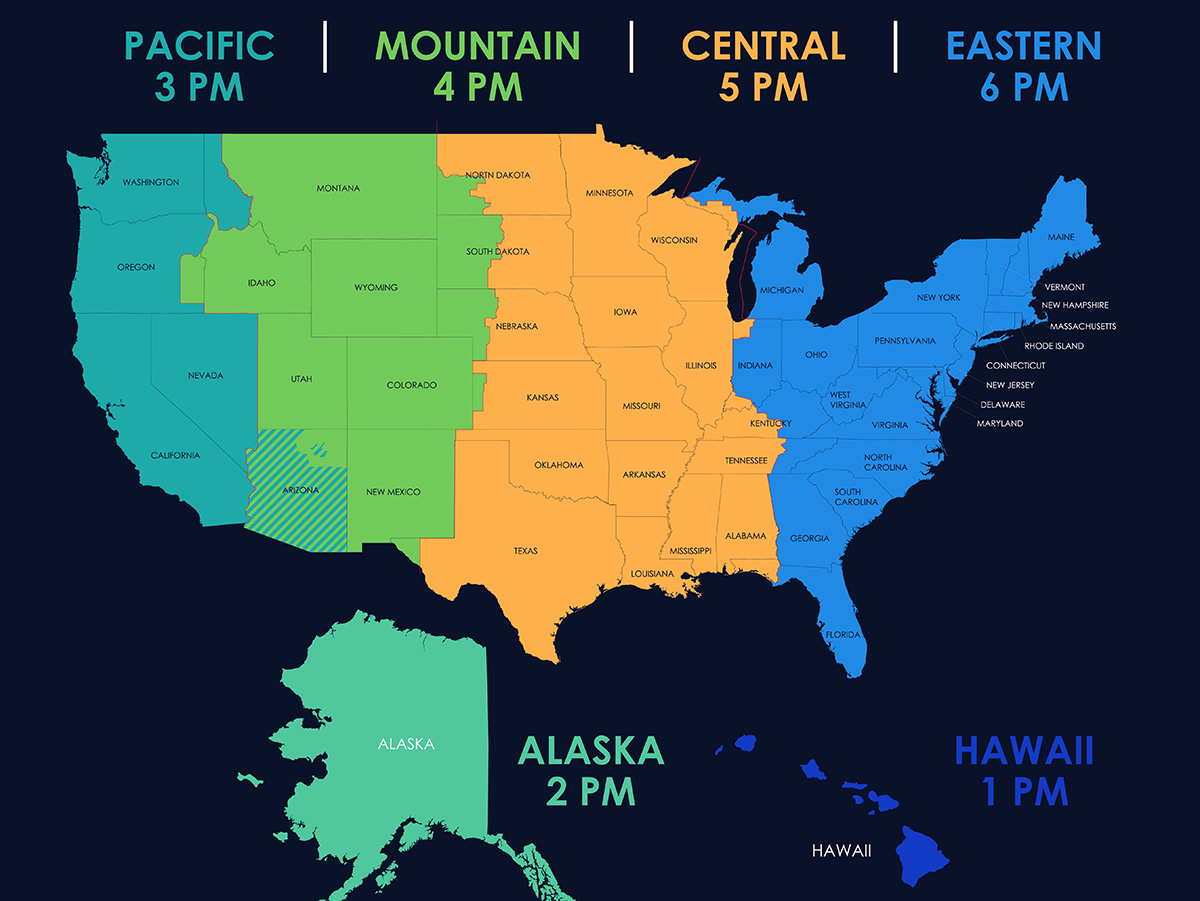
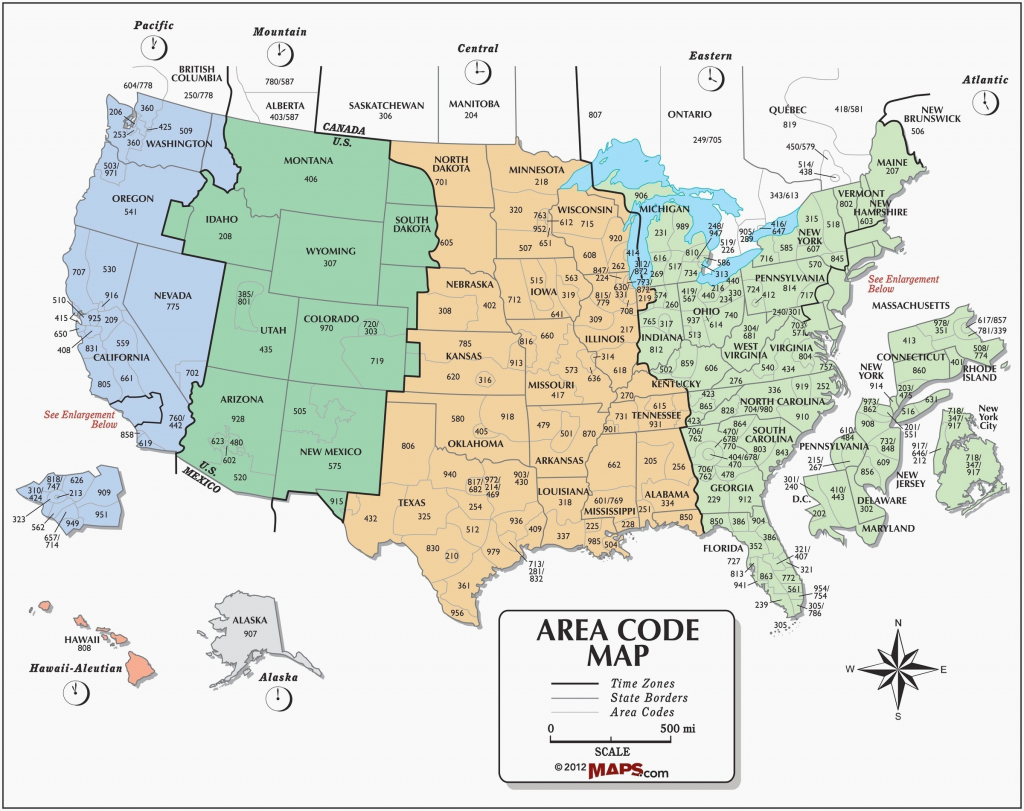
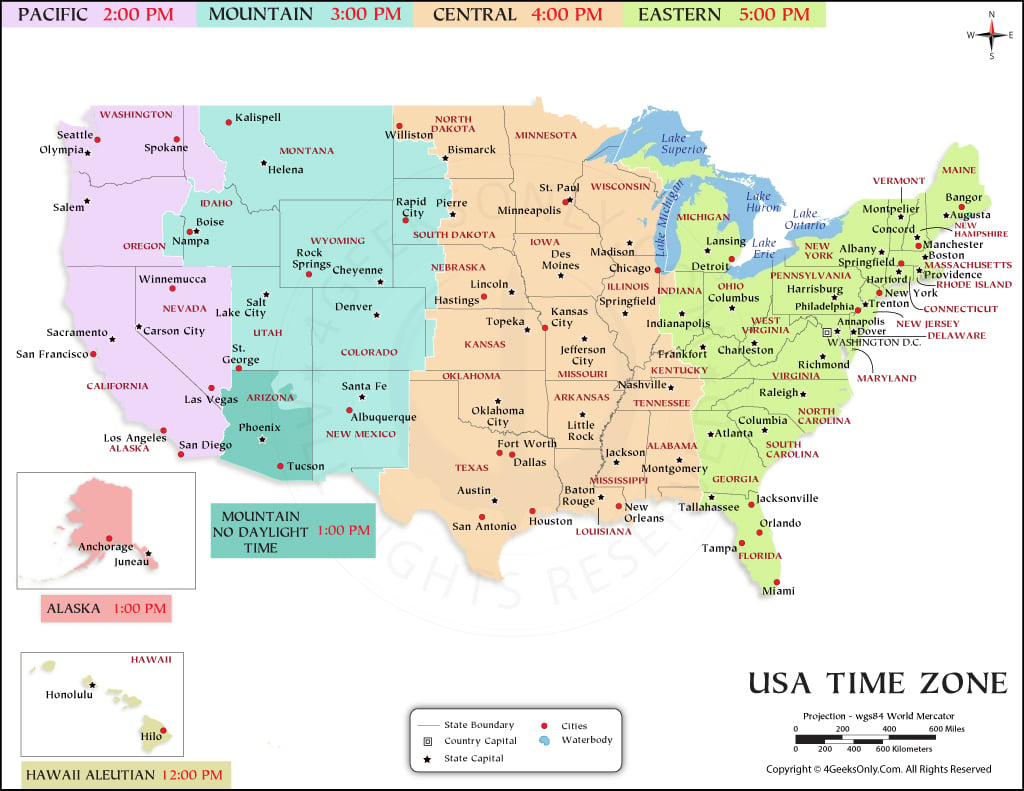
The state of Alaska primarily operates within two distinct time zones: Alaska Time (AKT) and Hawaii-Aleutian Time (HAT). Most of the state, including major hubs like Anchorage, Fairbanks, and Juneau, observes Alaska Standard Time (UTC-9) or Alaska Daylight Time (UTC-8). The Aleutian Islands west of 169° 30' W observe Hawaii-Aleutian Time (UTC-10 or UTC-9).
Alaska’s vast longitudinal span presents unique challenges for timekeeping. While the state is large enough to naturally encompass four or five geographical time zones, it has been consolidated into two for administrative and economic efficiency. For residents, travelers, and businesses operating in 2026, understanding the nuances of these zones, the application of Daylight Saving Time (DST), and the historical context of these boundaries is essential for effective scheduling and communication.
The Primary Time Zones of Alaska
Alaska’s time zone structure is defined by its massive geography, stretching from the panhandle in the southeast to the far-flung Aleutian Islands in the west. Despite this breadth, the vast majority of the population lives within a single time zone.
Alaska Time Zone (AKT)
The Alaska Time Zone covers approximately 99% of the state's landmass. Under standard time, it is known as Alaska Standard Time (AKST), which is 9 hours behind Coordinated Universal Time (UTC-9). During the summer months, when Daylight Saving Time is active, it becomes Alaska Daylight Time (AKDT), which is 8 hours behind UTC (UTC-8).
This zone includes:
- Southcentral Alaska: Anchorage, the Matanuska-Susitna Valley, and the Kenai Peninsula.
- Interior Alaska: Fairbanks, Delta Junction, and the Denali Borough.
- Southeast Alaska (The Panhandle): Juneau, Ketchikan, Sitka, and Skagway.
- The North Slope: Utqiaġvik (formerly Barrow) and Prudhoe Bay.
- Western Alaska: Nome, Bethel, and the Seward Peninsula.
Hawaii-Aleutian Time Zone (HAT)
The Hawaii-Aleutian Time Zone applies specifically to the Aleutian Islands located west of 169° 30' West longitude. This includes communities such as Adak and Shemya. Under standard time, this zone is Hawaii-Aleutian Standard Time (HAST) at UTC-10. During Daylight Saving Time, it shifts to Hawaii-Aleutian Daylight Time (HADT) at UTC-9.
It is important to note that while the state of Hawaii also uses Hawaii-Aleutian Standard Time, Hawaii does not observe Daylight Saving Time. Consequently, for much of the year in 2026, the westernmost Aleutian Islands are one hour ahead of Hawaii despite sharing the same "standard" zone name.
2026 Daylight Saving Time Schedule in Alaska
Alaska observes Daylight Saving Time in accordance with the United States Energy Policy Act of 2005. This transition affects nearly the entire state, with the exception of specific military operations or isolated instances where local shifts might occur (though none are currently legislated for 2026).
The 2026 schedule for Alaska is as follows:
- Spring Forward: Sunday, March 8, 2026, at 2:00 AM local time. Clocks move forward one hour.
- Fall Back: Sunday, November 1, 2026, at 2:00 AM local time. Clocks move backward one hour.
The transition to Daylight Saving Time is often a topic of debate in the Alaska State Legislature. Proponents of permanent standard time argue that the extreme lack of winter sunlight makes the morning commute dangerous for children, while proponents of permanent daylight time prefer more evening light for recreation. As of early 2026, the biannual switch remains the law of the land.
Comparative Time Zone Table for 2026
The following table provides a quick reference for Alaska’s time offsets compared to UTC and other major North American time zones during both Standard and Daylight periods.
| Region / Zone | Standard Offset (Winter) | Daylight Offset (Summer) | Representative Locations |
|---|---|---|---|
| Alaska Time (AKT) | UTC-9 | UTC-8 | Anchorage, Fairbanks, Juneau |
| Hawaii-Aleutian (HAT) | UTC-10 | UTC-9 | Adak, Atka, Shemya |
| Pacific Time (PT) | UTC-8 | UTC-7 | Seattle, Los Angeles |
| Mountain Time (MT) | UTC-7 | UTC-6 | Denver, Phoenix (No DST) |
| Central Time (CT) | UTC-6 | UTC-5 | Chicago, Dallas |
| Eastern Time (ET) | UTC-5 | UTC-4 | New York, Miami |
The 1983 Time Zone Consolidation
To understand why Alaska has so few time zones despite its size, one must look back to the major reorganization of 1983. Before this change, Alaska was divided into four distinct time zones:
- Pacific Time: Used by the southeastern panhandle (Juneau, Ketchikan).
- Yukon Time: Used by Yakutat.
- Alaska-Hawaii Time: Used by Anchorage, Fairbanks, and the central part of the state.
- Bering Time: Used by Nome and the Aleutian Islands.
This fragmentation caused significant logistical hurdles. For example, a business in Juneau was two hours ahead of a business in Nome, making intra-state commerce and government coordination difficult. In 1983, the Alaska Department of Transportation and the federal government moved almost the entire state into a single zone (Alaska Time) to streamline communications with the Lower 48 and within the state itself.
The only exception carved out was for the Aleutian Islands west of 169° 30' W, which remained one hour behind the rest of the state to better reflect their extreme western longitude. This consolidation essentially shifted the "time center" of the state eastward, meaning that in many western Alaskan communities, the sun does not reach its highest point (solar noon) until 2:00 PM or later during the summer.
Solar Realities and the "Double Daylight" Effect
Because Alaska spans approximately 57 degrees of longitude—roughly the distance between New York City and London—forcing most of the state into one time zone creates a massive discrepancy between clock time and solar time.
In western cities like Nome, the sun sets significantly later than it does in eastern cities like Juneau, even though they share the same clock time. During the peak of summer in 2026, residents in the northwest experience "Midnight Sun" conditions where the sun may not set at all. In regions further south, such as Anchorage, the sun might set as late as 11:30 PM.
This phenomenon is often referred to as "Double Daylight." Because the Alaska Time Zone is essentially "stretched" to the west, the state effectively functions on a permanent daylight-saving-style offset relative to its actual position on the globe. When the official Daylight Saving Time is added on top of this, the deviation from solar time becomes even more pronounced.
Managing Time Across the International Date Line
Alaska shares a unique maritime border with Russia, separated by the Bering Strait. This area is home to the Diomede Islands: Little Diomede (USA) and Big Diomede (Russia).
- Little Diomede follows Alaska Time.
- Big Diomede follows Anadyr Time (UTC+12).
Although these islands are only about 2.4 miles (3.8 km) apart, they are separated by the International Date Line. In 2026, the time difference between the two islands is typically 20 or 21 hours depending on the time of year. This proximity serves as a constant reminder of Alaska’s position as a bridge between the Western and Eastern hemispheres.
Logistical and Technical Considerations for 2026
For developers, systems administrators, and logistical planners, managing Alaska time requires attention to specific IANA (Internet Assigned Numbers Authority) time zone database identifiers. These are the standard strings used in programming languages like Python, Java, and JavaScript to manage time conversions.
IANA Time Zone Identifiers
America/Anchorage: The primary identifier for the Alaska Time Zone.America/Adak: The identifier for the Hawaii-Aleutian Time Zone in Alaska.America/Juneau: Historically used for the panhandle, though it now tracks identical to Anchorage.America/Metlakatla: Specifically for the Annette Island Reserve, which historically had different DST rules but now aligns with the rest of the state.America/Nome: Historically used for the Bering Time Zone.
Using these identifiers ensures that automated systems correctly handle the transitions between standard and daylight time without manual intervention.
Business and Telecommunications
Businesses operating in the Lower 48 must account for the 4-hour difference between Alaska and the U.S. East Coast (Eastern Time). When it is 9:00 AM in New York, it is only 5:00 AM in Anchorage. This 4-hour gap often necessitates staggered shifts for customer support and financial services to ensure coverage throughout the North American business day.
Frequently Asked Questions
1. How many time zones does Alaska have?
Alaska uses two official time zones. Most of the state is in the Alaska Time Zone (UTC-9/UTC-8). The western Aleutian Islands are in the Hawaii-Aleutian Time Zone (UTC-10/UTC-9).
2. Does Alaska observe Daylight Saving Time?
Yes, nearly all of Alaska observes Daylight Saving Time. In 2026, it begins on March 8 and ends on November 1. This is different from Hawaii, which shares the Hawaii-Aleutian Standard Time name but does not observe the seasonal shift.
3. What is the time difference between Alaska and Washington, D.C.?
Alaska Time is 4 hours behind Eastern Time. When it is noon in Washington, D.C., it is 8:00 AM in Anchorage. During the brief window when the Aleutian Islands are on Hawaii-Aleutian Daylight Time, they are 5 hours behind the East Coast.
4. Why is the sun still up at midnight in some parts of Alaska?
This is due to Alaska's high latitude and the way its time zones are structured. In the summer, the Earth's tilt exposes the Arctic regions to constant sunlight. Additionally, because the Alaska Time Zone is geographically stretched to the west, "clock midnight" occurs long before "solar midnight" in many areas.
5. What time zone is Ketchikan in?
Ketchikan is in the Alaska Time Zone. Although it is located very close to the Canadian border and shares a similar longitude with parts of British Columbia (which use Pacific Time), it has followed Alaska Time since the 1983 consolidation to remain synchronized with the state capital, Juneau.
6. Are there any parts of Alaska that do not change their clocks?
As of 2026, all populated areas of Alaska that fall under state and federal jurisdiction follow the standard Daylight Saving Time transition. While some remote research stations or private operations might maintain "station time" for internal coordination, these do not reflect the legal time of the region.
Practical Recommendations for Travelers and Residents
When coordinating activities in Alaska for 2026, it is advisable to:
- Sync Devices to Network Time: Ensure your smartphones and computers are set to "Set time zone automatically." This allows the device to toggle between Alaska Time and Hawaii-Aleutian Time as you move through the Aleutian chain.
- Plan for the "Time Gap": If you are traveling from the East Coast, be prepared for a significant "jet lag" effect. The 4-hour difference can disrupt sleep cycles, especially when combined with the extreme light or dark of the Alaskan seasons.
- Verify Meeting Times: When scheduling calls between Alaska and the Lower 48, always specify the time zone (e.g., "3 PM AKDT"). Avoid using generic terms like "standard time" unless it is actually winter.
- Monitor Legislative Changes: While the current system is stable, Alaska frequently reviews its DST participation. Always check official state announcements or the U.S. National Institute of Standards and Technology (NIST) for the most current rules.
For more information on precise timekeeping, the U.S. Naval Observatory remains the primary authority for time in the United States, providing the master clock data upon which Alaska’s timekeeping infrastructure is built.