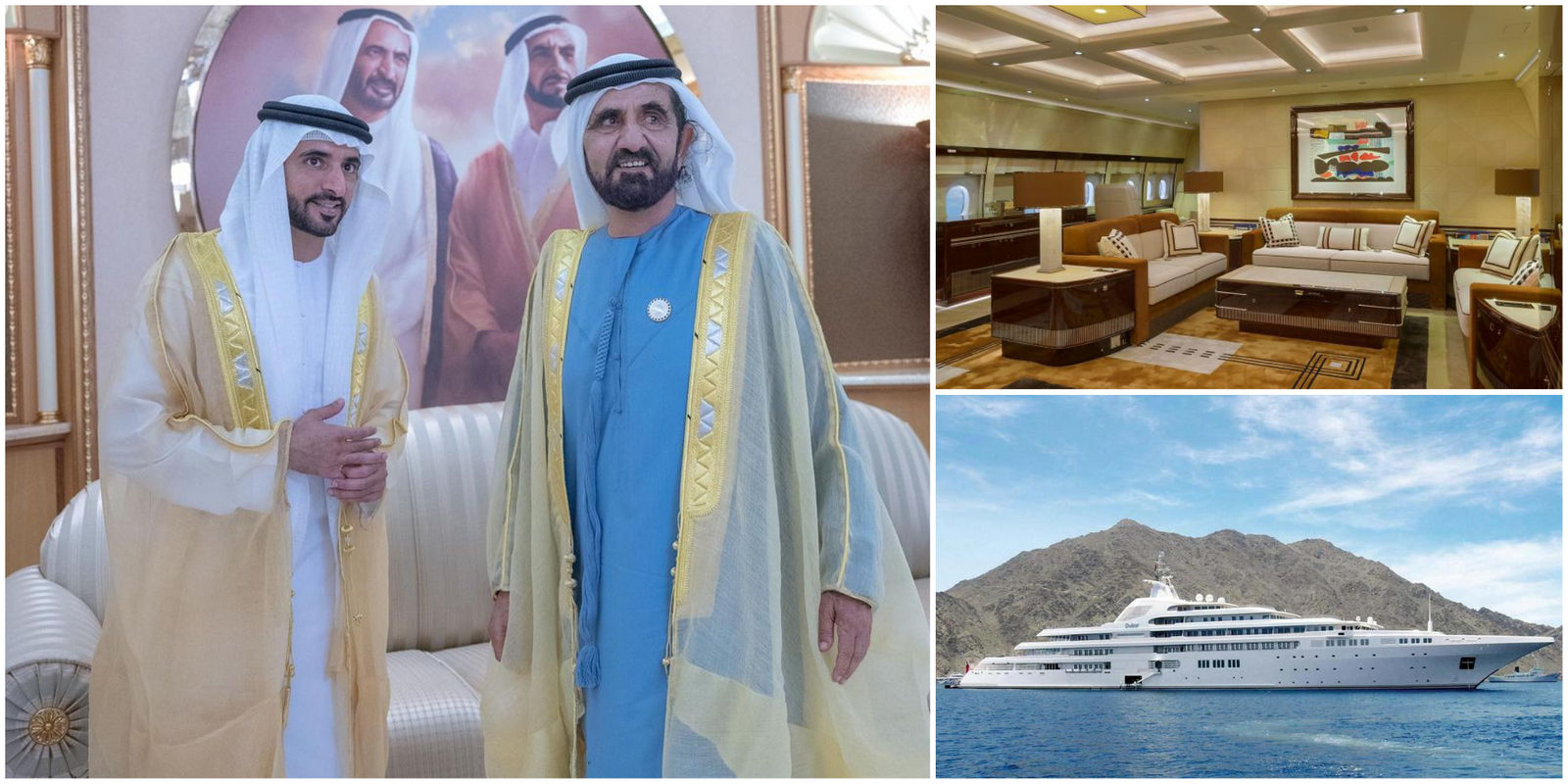
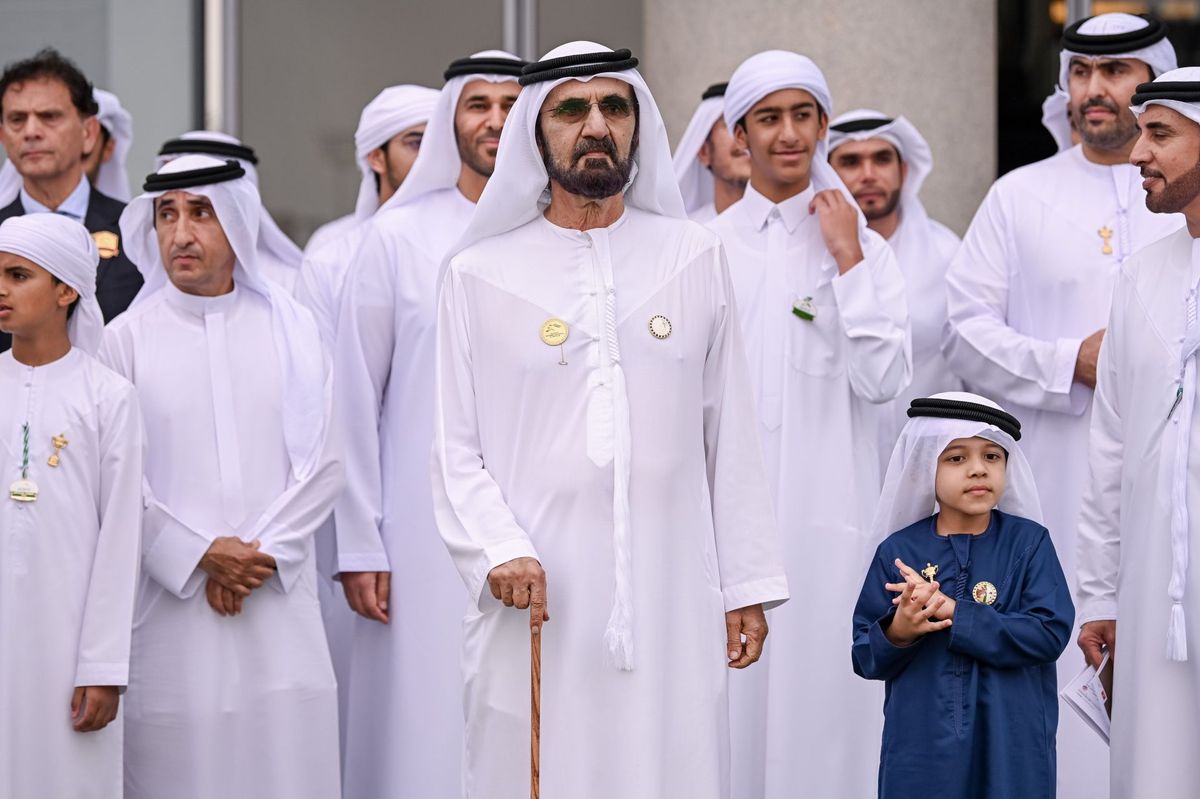
Evaluating the cumulative net worth of the Al Maktoum family requires examining their position as hereditary rulers of Dubai, their extensive sovereign investment vehicles, and their vast domestic real estate holdings. While public estimates frequently place the family’s collective wealth in the tens of billions of dollars, these figures are often complicated by the blending of state-owned sovereign assets with private dynastic holdings.
The Foundations of Ruling Family Wealth in Dubai
Analyzing the financial standing of the Al Maktoum family necessitates a clear distinction between personal assets and state-owned infrastructure. As the ruling family of Dubai—one of the seven constituent emirates of the United Arab Emirates (UAE)—their wealth has historically derived from strategic mercantile positioning, real estate development, and the diversification of natural resource revenues.
Unlike older European monarchies whose fortunes often rely heavily on centuries-old inherited land parcels and art collections, the wealth of the Al Maktoum family is deeply intertwined with the modern economic transformation of Dubai. Over the past five decades, leadership directed the transition from an oil-dependent trading port to a global hub for finance, tourism, aviation, and logistics. Consequently, much of the family's financial influence is expressed through control over major government-backed conglomerates rather than strictly private bank accounts.
Understanding this dynamic requires looking at the legal and administrative framework of the emirate. In absolute monarchies and constitutional emirates, the boundaries between state assets managed for public benefit and private ruling family holdings can be fluid. Financial analysts attempting to calculate a precise net worth must account for this overlap, as attributing the full valuation of enterprises like DP World or Emirates Airline strictly to the family’s personal balance sheet would be inaccurate, yet ignoring their governance and equity stakes would understate their economic footprint.
Major Asset Classes and Sovereign Intersections
The financial portfolio associated with the Al Maktoum family spans multiple high-value sectors, both domestically and internationally. These holdings can be categorized into direct real estate, corporate equities, and state-affiliated investment funds.
Strategic Real Estate Holdings
Real estate forms the bedrock of the family’s visible wealth. Through entities such as Dubai Holding and private acquisitions, the family controls prime commercial, residential, and industrial land across the emirate. Landmark developments, luxury hospitality groups, and massive master-planned communities contribute significantly to their asset valuation. Internationally, the family holds notable real estate assets in major global financial capitals, including London and New York, often managed through specialized investment vehicles.
Corporate and Industrial Investments
Through investment arms like Investment Corporation of Dubai (ICD), the sovereign wealth fund of the emirate, the ruling leadership oversees stakes in major regional and international corporations. These include financial institutions, telecommunications providers, and utilities. While these entities serve public and economic development goals, the strategic oversight exercised by members of the ruling family places them at the center of multi-billion-dollar economic operations.
Thoroughbred Racing and Equine Assets
Beyond commercial infrastructure, the family is globally prominent in the sport of thoroughbred horse racing. Godolphin, the global thoroughbred racing stable founded by Sheikh Mohammed bin Rashid Al Maktoum, and Darley Stud, the breeding operation, represent substantial capital investments in bloodstock, training facilities, and international real estate dedicated to agriculture and breeding.
Contextualizing Public Estimates and Media Valuations
Financial publications frequently attempt to quantify the Al Maktoum family net worth, yielding figures that range widely from $20 billion to upwards of $40 billion or more. However, these estimates face several analytical hurdles.
First, transparency standards for private monarchical wealth differ significantly from publicly traded corporations. Much of the family's private portfolio is held through opaque corporate structures, trusts, and private equity vehicles. Second, fluctuations in global commodity prices, commercial real estate valuations, and regional geopolitical stability directly impact these theoretical valuations.
Furthermore, media reports often conflate the value of state-owned entities with personal wealth. For instance, when analyzing assets managed by Dubai Holding or the government's direct equity stakes, financial journalists may attribute the entire corporate capitalization to the ruling family. In reality, these assets are managed within institutional frameworks designed to support the macroeconomic stability of the emirate.
| Asset Category | Primary Managing Entity / Vehicle | Nature of Control | Impact on Wealth Valuation |
|---|---|---|---|
| Sovereign Infrastructure | Investment Corporation of Dubai (ICD) | State-owned / Government oversight | Indirect economic influence and strategic asset management |
| Commercial Real Estate | Dubai Holding / Private portfolios | Mixed private and state-backed development | High capital appreciation and recurring rental yields |
| Equine Operations | Godolphin Racing / Darley Stud | Private dynastic enterprise | Substantial capital tied up in bloodstock and international facilities |
| Aviation & Logistics | Emirates Group / DP World | Government-owned corporations | Drives regional trade, tourism, and economic activity |
Comparative Economic Role within the UAE
To understand the scale of the Al Maktoum family's financial ecosystem, it is helpful to place it within the broader context of the United Arab Emirates. While Abu Dhabi holds the vast majority of the nation's hydrocarbon reserves and possesses the largest sovereign wealth funds in the federation—such as the Abu Dhabi Investment Authority (ADIA)—Dubai's economy has focused on services, trade, real estate, and tourism.
This divergence explains the structural differences in wealth generation between the ruling families of the different emirates. Abu Dhabi’s wealth is largely anchored in direct sovereign resource extraction and massive global capital reserves. In contrast, Dubai's leadership wealth is tied to commercial enterprise, infrastructure ownership, and the monetization of land development. Consequently, the net worth of the Al Maktoum family is more vulnerable to market cycles in real estate and international commerce, necessitating continuous economic diversification and proactive foreign investment strategies.
Frequently Asked Questions
What is the estimated net worth of the Al Maktoum family?
Public financial estimates generally place the Al Maktoum family's collective wealth in the tens of billions of dollars, though exact figures are difficult to verify due to the private nature of their holdings and the integration of personal and state assets.
How does the family generate its wealth?
Wealth generation stems primarily from strategic real estate development, commercial enterprises, sovereign investment vehicles, trade, and tourism infrastructure within Dubai, alongside international investments and agricultural enterprises like thoroughbred breeding.
Are Dubai's sovereign assets owned personally by the ruling family?
No. While members of the Al Maktoum family hold executive leadership roles and strategic oversight positions within government-backed entities like the Investment Corporation of Dubai and Dubai Holding, these institutions are state assets designed for public economic development rather than personal bank accounts.
What is the role of Dubai Holding in the family's financial portfolio?
Dubai Holding is a conglomerate that manages a vast portfolio of projects, assets, and investments in real estate, hospitality, media, and telecommunications, serving as a primary vehicle for domestic and international economic development associated with the leadership.
Why do public wealth estimates vary so widely for ruling families?
Estimates vary because absolute monarchies and dynastic families are not subject to the same public disclosure requirements as publicly traded corporations. Analysts must rely on indirect measurements of real estate holdings, corporate leadership roles, and reported transactions, leading to differing methodologies and conclusions.
Practical Takeaways for Financial and Economic Analysis
When examining the financial standing of ruling families in the Gulf Cooperation Council (GCC) region, analysts must maintain a sharp distinction between macroeconomic control and individual net worth. Conflating the gross domestic product or sovereign fund assets of an emirate with the personal fortune of its rulers misrepresents regional economic structures.
For researchers, journalists, and investors tracking these developments, prioritizing verified corporate disclosures, official government registry data, and institutional analyses yields a more accurate understanding of how dynastic wealth operates in modern global finance. Evaluating the Al Maktoum family net worth requires looking past sensationalized headlines to examine the underlying interplay between governance, private enterprise, and urban development in Dubai.