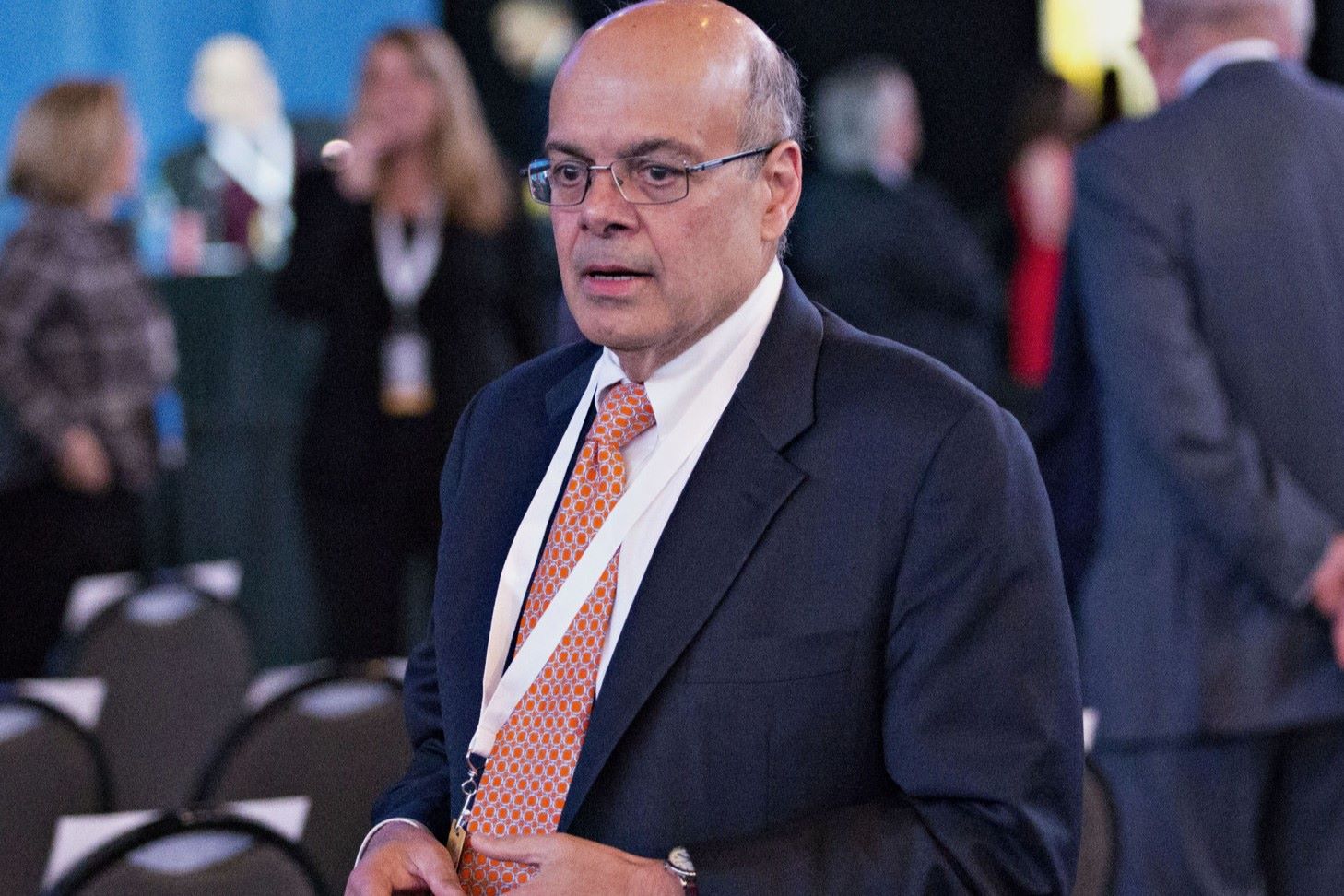
As of 2026, the estimated net worth of Ajit A. J. Khubani stands between $120 million and $150 million. This wealth is primarily anchored in his role as the founder and CEO of Telebrands Corp., the pioneering force behind the "As Seen on TV" industry, and his successful transition into multi-channel retail and e-commerce through platforms like BulbHead.
The Foundations of the Khubani Fortune: Telebrands Corp.
To understand Ajit Khubani’s net worth, one must first analyze the engine of his financial success: Telebrands. Founded in 1983, Telebrands became a household name by identifying niche consumer problems and solving them with mass-market, affordable gadgets. Khubani did not just sell products; he sold a specific marketing methodology that revolutionized how consumer goods reached the American public.
In the mid-1980s, Khubani recognized that the traditional retail model was slow. By utilizing direct-response television (DRTV), he could test products in real-time. If a commercial didn't generate immediate phone orders, the product was scrapped. This lean, high-velocity model allowed Telebrands to scale rapidly without the overhead of traditional research and development. By 2026, while the landscape of television has shifted toward streaming, the core Telebrands strategy—identifying "pain point" products and marketing them through aggressive video campaigns—remains the bedrock of his financial portfolio.
The Power of the "Red Oval" Brand
The iconic "As Seen on TV" red oval logo is perhaps Khubani's most valuable intangible asset. While Telebrands is a private entity and does not disclose exact annual revenues, industry analysts estimate the company’s influence spans billions in retail sales over its four-decade history. Khubani was the first to realize that the logo itself functioned as a trust signal. By the time a product moved from a late-night infomercial to the shelves of Walmart or CVS, the brand recognition was already built, significantly lowering the cost of customer acquisition for retail partners.
Revenue Streams and Diversification
Ajit Khubani’s net worth is not solely dependent on television commercials. Over the last decade, he has overseen a significant diversification of revenue streams to ensure stability in a changing media environment.
1. Brick-and-Mortar Retail Dominance
A massive portion of Khubani's wealth stems from his ability to secure "end-cap" and dedicated "As Seen on TV" sections in major retail chains. Telebrands products are staples in stores like Walgreens, Bed Bath & Beyond (in its various iterations), and Target. The high-volume, low-margin nature of these sales creates a consistent cash flow that far exceeds the direct sales from television ads.
2. The BulbHead Digital Ecosystem
Recognizing the decline of linear television, Khubani launched BulbHead, a curated online marketplace. BulbHead serves as the digital home for Telebrands products, allowing the company to capture higher margins by selling directly to consumers (DTC) while bypassing traditional retail middlemen. In 2026, BulbHead’s integration with social media platforms like TikTok and Instagram has revitalized the "As Seen on TV" model for a younger demographic, contributing significantly to Khubani's year-over-year net worth growth.
3. Licensing and Intellectual Property
Telebrands often acts as a bridge for independent inventors. Khubani’s wealth is bolstered by favorable licensing agreements where Telebrands takes an inventor's prototype, handles the manufacturing in high-volume facilities (often overseas), and manages the global distribution. The royalty spreads in these deals are historically favorable to the distributor, adding a layer of passive-style income to the corporate balance sheet.
Key Product Milestones and Their Financial Impact
Several "unicorn" products have defined Khubani’s career and provided the massive liquidity injections necessary to grow his empire. The following table highlights the financial significance of these iconic items.
| Product Name | Category | Impact on Wealth | Sales Milestone (Approx.) |
|---|---|---|---|
| PedEgg | Personal Care | Revolutionary; highest-selling product in company history. | Over 50 million units sold. |
| Pocket Hose | Home & Garden | Established dominance in the hardware/outdoor niche. | Multi-hundred million in revenue. |
| AmberVision | Electronics/Optics | One of the earliest successes that funded expansion. | Millions of units in the 1980s/90s. |
| Old Brooklyn Lantern | Home Decor | Demonstrated the power of "nostalgia" marketing. | High-margin retail success. |
| Copper Fit (Association) | Health/Wellness | Expanded the brand into the lucrative fitness apparel space. | Sustained long-term retail presence. |
The PedEgg Case Study
The PedEgg remains the gold standard of DRTV success. Launched in the mid-2000s, it solved a common problem (dry skin/calluses) with a $10 price point. The manufacturing cost was a fraction of the retail price, leading to astronomical margins. For Khubani, the PedEgg wasn't just a product; it was a liquid asset that allowed for massive reinvestment into new product categories.
Real Estate and Personal Assets
Like many high-net-worth individuals, Ajit Khubani has funneled a significant portion of his earnings into premium real estate. His holdings serve as both a lifestyle choice and a hedge against inflation.
- Saddle River Estate: Khubani is well-known for his massive estate in Saddle River, New Jersey. This area is one of the wealthiest enclaves in the United States. His property, often cited in local real estate records for its architectural grandeur, is valued in the tens of millions of dollars.
- Manhattan Holdings: Reports have long linked Khubani to high-value condominiums in Manhattan, providing him with a footprint in the world’s financial capital.
- International Investments: Beyond residential real estate, Khubani has interests in global supply chain logistics, which are essential for the manufacturing and distribution of his product lines.
Challenges, Legal Hurdles, and Financial Resilience
A comprehensive overview of Ajit Khubani’s net worth must account for the volatility of the direct-response industry. Telebrands has faced numerous legal challenges, primarily from the Federal Trade Commission (FTC) and various state attorneys general regarding advertising claims and billing practices.
In several instances, the company has paid multi-million dollar settlements. For example, historical records show a $7 million settlement with the FTC in the early 2000s regarding the "Ab Force" belt. While these figures are significant, Khubani’s business model has proven remarkably resilient. He treats these legal costs as operational risks, often pivoting quickly to new products and refined marketing scripts that comply with updated regulations. His ability to absorb these costs without significantly denting his total net worth is a testament to the high profitability of his core business.
The 2026 Market Position: Adaptation to the Creator Economy
In 2026, Khubani’s wealth continues to grow because he has successfully transitioned from "infomercials" to "influencer commerce." Telebrands now partners with content creators to demonstrate products in short-form video formats. This move has drastically reduced the cost of airtime—traditionally one of the company’s largest expenses—while increasing the conversion rate among Gen Z and Millennial shoppers.
Furthermore, Khubani has leaned into the sustainability trend. Many of the newer products in the Telebrands/BulbHead catalog focus on energy efficiency or reduced plastic use, ensuring the brand remains relevant in a more eco-conscious market.
Frequently Asked Questions
How did Ajit Khubani start his business?
Ajit Khubani started Telebrands with roughly $20,000 in personal savings. He followed in the footsteps of his father, who was also an entrepreneur in the import-export business. His first major success came from selling walkie-talkies and AmberVision sunglasses through newspaper and magazine advertisements before moving into television.
Is Ajit Khubani still the CEO of Telebrands?
Yes, as of 2026, Ajit Khubani remains the CEO and the primary creative strategist behind Telebrands. While he has a robust executive team, he is famously hands-on, often personally reviewing the "hooks" and scripts for new product commercials.
What is the most successful product Ajit Khubani ever launched?
The PedEgg is widely considered the most successful product in Telebrands history. It sold over 40 million units in its first few years alone. Its success was due to its low price point, ergonomic design, and the "gross-but-satisfying" visual nature of the television demonstrations.
Does Ajit Khubani invest in other companies?
While his primary focus is Telebrands and BulbHead, Khubani is an active participant in the broader entrepreneurial community. He has been known to mentor inventors and occasionally invest in startups that align with his expertise in consumer goods and mass-market distribution.
How has the shift to e-commerce affected his net worth?
The shift to e-commerce initially posed a threat to the traditional DRTV model, but Khubani successfully adapted. By launching BulbHead and optimizing for Amazon sales, he actually increased his profit margins. He no longer relies solely on buying expensive TV airtime; instead, he uses data-driven digital marketing to target specific consumer segments.
Summary of Financial Trajectory
Ajit A. J. Khubani’s financial journey is a masterclass in adaptation. From the print ads of the 1980s to the TikTok-driven sales of 2026, his ability to stay ahead of consumer attention has allowed him to build and maintain a nine-figure net worth. While the products he sells—like the Pocket Hose or the PedEgg—might seem like simple gadgets, the logistics, branding, and legal infrastructure behind them represent a sophisticated global enterprise.
For those looking to understand his wealth, the key is not in any single product, but in the system of mass-market validation he perfected. By minimizing the cost of failure and maximizing the reach of success, Khubani has ensured that Telebrands remains a dominant force in the retail landscape.
Practical Action: For entrepreneurs or investors looking to emulate Khubani's success, the primary takeaway is the importance of "market testing" before "market scaling." Use digital platforms to validate product demand with minimal investment before committing to large-scale manufacturing or expensive advertising campaigns.