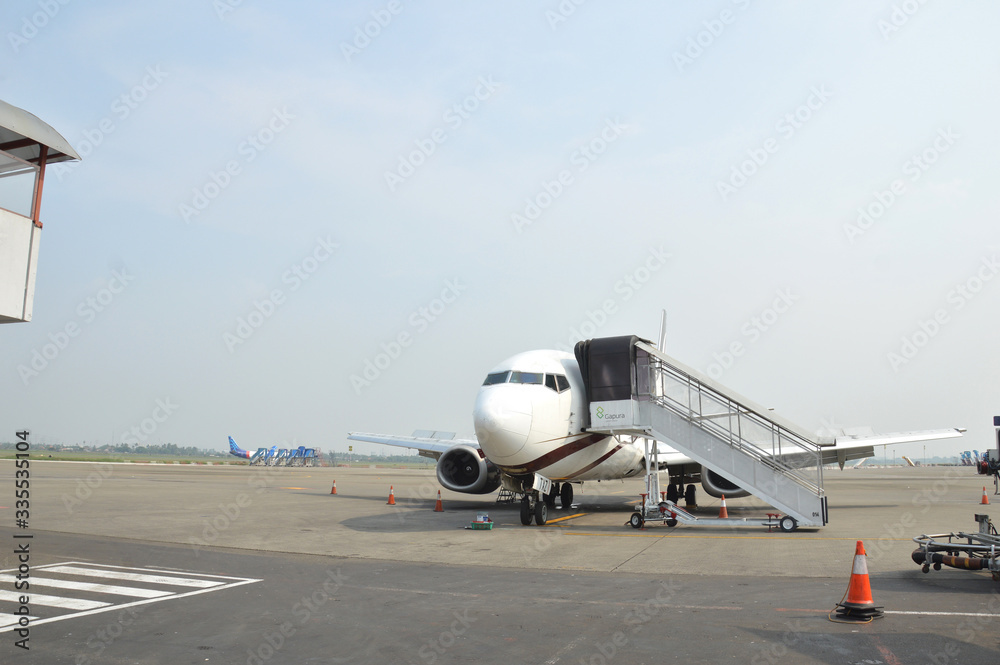
Jakarta, the sprawling capital of Indonesia, is served by two primary commercial airports: Soekarno-Hatta International Airport (CGK) and Halim Perdanakusuma International Airport (HLP). Soekarno-Hatta is the nation’s massive primary gateway for international and domestic travel, while Halim Perdanakusuma serves as a specialized hub for domestic flights, private aviation, and military operations closer to the city center.
Understanding the Jakarta Airport Landscape
Navigating the aviation hubs of a megacity like Jakarta requires an understanding of geography, traffic patterns, and terminal specialization. As of 2026, Jakarta remains the central nervous system of Indonesian aviation, acting as the primary transit point for travelers heading to Bali, Sumatra, and the eastern reaches of the archipelago.
The two airports serve distinctly different purposes. Soekarno-Hatta International Airport (CGK), located in Tangerang (about 20-30 kilometers northwest of Central Jakarta), is where the vast majority of travelers will arrive. It is a world-class facility capable of handling over 60 million passengers annually. In contrast, Halim Perdanakusuma International Airport (HLP) is situated within East Jakarta, offering a much more localized experience. While HLP is more convenient for those staying in the central or eastern business districts, its limited runway capacity and smaller terminal footprint mean it hosts far fewer commercial flights.
Soekarno-Hatta International Airport (CGK): The Global Gateway
Soekarno-Hatta is named after the founding fathers of Indonesia, Sukarno and Mohammad Hatta. It is the busiest airport in the Southern Hemisphere and serves as the primary hub for the national flag carrier, Garuda Indonesia, as well as major low-cost carriers like Lion Air and Indonesia AirAsia.
Terminal 1: Domestic Low-Cost Hub
Terminal 1 is the oldest part of the airport, characterized by its unique "Indonesian tropical" architecture, featuring red-tiled roofs and open-air corridors between sub-terminals. In 2026, Terminal 1 primarily handles domestic flights operated by low-cost carriers (LCCs).
- Sub-terminals: It is divided into Terminals 1A, 1B, and 1C.
- Airlines: Usually hosts carriers like Super Air Jet and various Lion Air domestic routes.
- Atmosphere: While it has undergone significant interior renovations to modernize check-in processes and security, it retains a more traditional feel compared to the glass-and-steel aesthetic of Terminal 3.
Terminal 2: The Modernized Classic
Terminal 2 was originally the main international terminal but has transitioned into a hybrid hub. It retains the same iconic architectural style as Terminal 1 but is larger and equipped for both domestic and select international regional flights.
- Sub-terminals: Divided into 2D, 2E, and 2F.
- Airlines: Terminal 2F is frequently used for international low-cost carriers such as AirAsia and Scoot. Domestic operations for Batik Air and some Citilink flights often utilize 2D and 2E.
- Digital Integration: By 2026, Terminal 2 has seen the implementation of enhanced automated boarding gates and self-service bag drops to manage the high volume of regional travelers.
Terminal 3: The "Ultimate" Terminal
Terminal 3 is a massive, modern facility that rivals the best airports in Southeast Asia. It is the dedicated home for all Garuda Indonesia flights (both domestic and international) and almost all foreign full-service carriers (e.g., Emirates, Qatar Airways, Singapore Airlines, ANA).
- Design: It features a contemporary design with high ceilings, extensive use of natural light, and a vast array of high-end retail and dining options.
- Connectivity: This terminal is the primary focus for international transit. It houses premium lounges, including the flagship Garuda Indonesia Executive Lounge.
- Efficiency: Terminal 3 utilizes advanced biometric processing for immigration and boarding, which significantly reduces wait times for frequent travelers and those with e-passports.
Halim Perdanakusuma International Airport (HLP): The Central Alternative
Halim Perdanakusuma serves a unique niche. Because it is located much closer to the city's financial district than CGK, it is the preferred choice for business travelers and government officials. However, its commercial capacity is strictly regulated to prevent congestion in Jakarta’s inner-city airspace.
Commercial Operations
HLP typically hosts domestic flights operated by Batik Air and Citilink. These flights usually connect Jakarta to other major cities on Java, Sumatra, and Kalimantan. The primary advantage of flying into HLP is the reduced travel time to areas like Kuningan, Sudirman, and Gatot Subroto.
Private and State Aviation
Halim is the primary base for the Indonesian Air Force and the Indonesian Presidential aircraft. It also serves as the main hub for general aviation (private jets) in Jakarta. If you are traveling via a private charter, Halim is almost certainly where you will depart or arrive.
Limitations
Prospective travelers should note that HLP has only one runway. During periods of heavy rain or military exercises, commercial flights may experience significant delays or be diverted to Soekarno-Hatta. Furthermore, the terminal facilities are much more modest than those at CGK, with fewer dining and shopping options.
Ground Transportation and Inter-Airport Connectivity
Getting to and from Jakarta’s airports is often the most challenging part of the journey due to the city’s notorious traffic. However, infrastructure improvements available in 2026 have significantly expanded the options.
The Airport Rail Link (KA Bandara)
The Soekarno-Hatta Airport Rail Link is the most reliable way to bypass traffic. It connects the airport to several key stations in Central Jakarta, including BNI City (Sudirman Baru) and Manggarai Station.
- Travel Time: Approximately 45–55 minutes.
- Frequency: Generally departs every 30 to 60 minutes.
- Connectivity: From Manggarai, passengers can transfer to the KRL Commuterline or the LRT (Light Rail Transit) to reach other parts of the city.
The Skytrain (Kalayang)
For transfers between Terminals 1, 2, and 3 at Soekarno-Hatta, the Skytrain is a free automated people mover. It also connects the terminals to the Airport Railway Station. It is essential to allow at least 20–30 minutes for inter-terminal transfers, as the Skytrain operates on a fixed schedule.
Taxis and Ride-Hailing
- Blue Bird and Silver Bird: These are the most reputable taxi operators in Indonesia. Silver Bird offers a premium Mercedes-Benz or Toyota Alphard fleet for a higher fare.
- Grab and Gojek: Ride-hailing is ubiquitous. Both apps have dedicated pickup points at all CGK terminals.
- Travel Time Warning: A taxi from CGK to Central Jakarta can take anywhere from 45 minutes to 2 hours depending on the time of day and weather.
Damri Bus
The state-owned Damri bus service offers affordable transportation to various points in Greater Jakarta (including Bogor, Bekasi, and Depok). This is the most cost-effective option for solo travelers on a budget.
Comparison of Jakarta Airports
| Feature | Soekarno-Hatta (CGK) | Halim Perdanakusuma (HLP) |
|---|---|---|
| Primary Use | International & Major Domestic | Regional Domestic & Private |
| Distance from Monas | ~30 km (Northwest) | ~13 km (East) |
| Main Carriers | Garuda, Lion Air, Emirates, SQ | Batik Air, Citilink |
| Rail Connection | Dedicated Airport Rail Link | Nearby LRT Station (Cawang) |
| Terminal Count | 3 Large Terminals | 1 Small Terminal |
| Best For | International travel, long-haul | Business trips to Central Jakarta |
| Lounges | Extensive (all terminals) | Limited (Domestic only) |
Customs, Immigration, and Security in 2026
Entering Indonesia through Jakarta involves several mandatory steps. By 2026, the process has become increasingly digitized to handle the post-pandemic surge in global tourism and business travel.
- Electronic Customs Declaration (e-CD): Travelers must complete a digital customs form before arrival. A QR code is generated, which is scanned upon exiting the baggage reclaim area.
- Visa on Arrival (VoA) / e-VoA: Many nationalities are eligible for a Visa on Arrival. It is highly recommended to apply for an e-VoA through the official Directorate General of Immigration website at least 48 hours before departure to skip the payment queues at the airport.
- Biometric Immigration: International arrivals at Terminal 3 often utilize automated gates for holders of Indonesian passports or e-passports from eligible countries, streamlining the entry process.
- Security Screening: Indonesia maintains strict security protocols. Be prepared for at least two layers of security screening—one before entering the check-in area and another before the boarding gates.
Passenger Amenities and Services
Airport Hotels
For those with early morning flights or long layovers, there are several options:
- Inside Terminal 3: There are "Digital Airports Hotels" (capsule hotels) and the Anara Airport Hotel, which is directly connected to the terminal.
- Airport Perimeter: Numerous international brands like Novotel, Swiss-Belhotel, and Hilton Garden Inn are located within a 10-minute shuttle ride from the terminals.
Dining and Retail
Terminal 3 is a culinary hub featuring both local Indonesian delicacies (such as Bakmi GM or Sate Senayan) and international chains. Duty-free shopping at CGK is extensive, offering luxury brands, electronics, and traditional Indonesian crafts like Batik.
Executive Lounges
Beyond the airline-specific lounges, several "Pay-per-use" lounges are available for a fee (typically IDR 150,000 to 300,000). These provide Wi-Fi, refreshments, and shower facilities, which are highly valued after a long-haul flight.
Strategic Tips for Travelers
- The Golden Rule of Traffic: Always aim to arrive at Soekarno-Hatta at least 3 hours before an international flight and 2 hours before a domestic flight. If traveling during "Friday afternoon rush" or during heavy rain, add another hour.
- Terminal Verification: Always check your ticket for the terminal number. While the Skytrain exists, transferring between Terminal 1 and Terminal 3 can be stressful if you are short on time.
- Connectivity: Free Wi-Fi is available throughout CGK, but it often requires a local phone number or social media login. Buying a local SIM card (Telkomsel or XL) at the airport is recommended for reliable data across Indonesia.
- Currency: While many outlets accept credit cards, keep some Indonesian Rupiah (IDR) for small purchases, tolls, or older taxis. ATMs are abundant in the arrivals halls of all terminals.
Frequently Asked Questions
Which airport in Jakarta is better for international flights?
Soekarno-Hatta International Airport (CGK) is the only choice for most international flights. While Halim (HLP) has an "International" designation, its scheduled international services are extremely limited or non-existent for commercial passengers, as it primarily serves domestic routes and private jets.
How do I get from Soekarno-Hatta to Halim Perdanakusuma?
The most direct way is via taxi or ride-hailing (Grab/Gojek). In 2026, the journey takes approximately 60 to 90 minutes via the inner-city toll road, depending on traffic. There is no direct rail link between the two airports; one would have to take the Airport Rail Link to the city center and then use the LRT or a taxi to reach Halim.
Is there a luggage storage facility at Soekarno-Hatta?
Yes, luggage storage services are available in the arrivals area of Terminal 2 and Terminal 3. These are useful for travelers who have a long layover and wish to explore the city without their heavy bags. Prices are usually charged per item per 24-hour period.
Can I get a SIM card at Jakarta airport?
Yes, there are several official kiosks for major providers like Telkomsel and XL Axiata located in the arrivals halls of Terminals 2 and 3. You will need to provide your passport for registration, as per Indonesian law. It is often slightly more expensive than buying a SIM card in the city, but the convenience is worth it for most travelers.
What is the most reliable taxi service at Jakarta airports?
Blue Bird Group (including the standard Blue Bird and the premium Silver Bird) is widely considered the most reliable and safest taxi operator in Jakarta. They use a standardized meter system and have a strong reputation for driver professionalism.
Final Recommendation for Travelers
For a seamless experience in 2026, prioritize Soekarno-Hatta International Airport (CGK) for the vast majority of your travel needs due to its superior facilities and rail connectivity. If you find a domestic flight departing from Halim Perdanakusuma (HLP) and your accommodation is in East or Central Jakarta, take it to save significant time on the ground. Regardless of your choice, always utilize the electronic visa and customs declaration systems before you land to minimize administrative delays upon arrival.