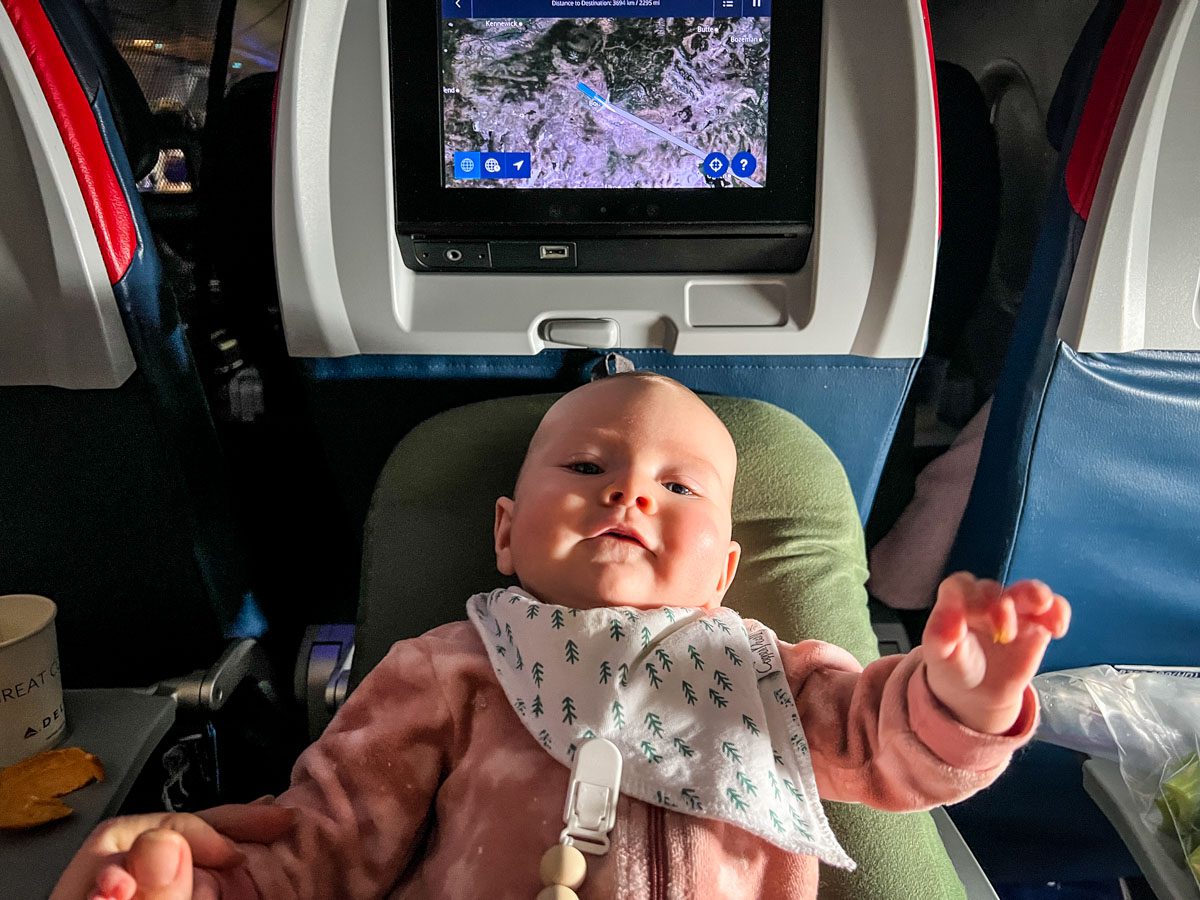
Flying with an infant requires meticulous planning regarding documentation, specialized gear, and biological scheduling. Success hinges on understanding airline-specific infant policies, TSA liquid exemptions for formula or breast milk, and utilizing techniques like feeding during pressure changes to alleviate ear discomfort and ensure a manageable journey for both parent and child.
Traveling by air with a baby is often perceived as a daunting logistical hurdle, yet with the right preparation, it is a manageable and even rewarding experience. In 2026, air travel protocols have become more streamlined with digital documentation and advanced screening technologies, but the fundamental needs of an infant—comfort, safety, and nourishment—remain constant. This guide explores the essential practicalities parents must navigate, from the moment of booking to the final descent.
Essential Documentation and Pre-Flight Prerequisites
Before a parent even reaches the airport, several legal and administrative prerequisites must be satisfied. These requirements vary significantly depending on whether the flight is domestic or international.
Identifying the Baby: Passports and Birth Certificates
For domestic flights within most jurisdictions, infants typically do not require a photo ID. However, airlines often require proof of age, especially if the child is traveling as a "lap infant" (under the age of two). A physical or digital copy of a birth certificate is the standard requirement. In 2026, many airlines allow parents to upload these documents into their mobile apps during the check-in process to expedite boarding.
International travel is more rigorous. Every passenger, regardless of age, must possess a valid passport. Obtaining an infant passport involves specific requirements, such as a passport photo where the child’s eyes are open and no other person is visible in the frame—a task that often requires multiple attempts. Additionally, if only one parent is traveling with the baby, many countries require a notarized Minor Travel Consent Form from the non-traveling parent to prevent international parental child abduction.
Understanding Airline Age Policies
Most commercial airlines allow infants to fly once they are at least seven days old. Some carriers may require a physician’s note for newborns under two weeks of age, particularly if the birth involved complications. It is critical to verify the specific "Minimum Age to Fly" policy of your carrier, as budget airlines may have stricter limitations than flagship carriers.
Ticketing Strategies: Lap Infant vs. Reserved Seat
One of the most significant decisions a parent faces is whether to carry the baby on their lap or purchase a separate seat. Each option has distinct financial and safety implications.
The Lap Infant Option
Technically, children under two years old can travel for free (on domestic flights) or for a small percentage of the adult fare (on international flights) as lap infants. While cost-effective, this method is widely discouraged by aviation safety organizations, including the Federal Aviation Administration (FAA). In the event of severe turbulence or an emergency landing, a parent’s physical strength is often insufficient to restrain a child securely.
The Reserved Seat and CRS
Purchasing a separate seat for a baby allows for the use of a Child Restraint System (CRS) or a car seat. This is the gold standard for safety. If you choose this route, the car seat must be "certified for use in motor vehicles and aircraft." In 2026, most modern car seats feature a clear sticker indicating this certification. Using a car seat not only ensures safety during turbulence but also provides a familiar, comfortable environment for the baby to sleep, which can significantly reduce mid-flight fussiness.
| Feature | Lap Infant | Reserved Seat with Car Seat |
|---|---|---|
| Cost | Free or minimal fee (approx. 10% of fare) | Full or discounted child fare |
| Safety | Lower; vulnerable during turbulence | Higher; secured by FAA-approved restraint |
| Comfort | Limited; parent must hold child entire flight | Higher; child has dedicated space to sleep |
| Baggage | Usually 1 diaper bag allowed | Standard passenger baggage allowance |
| Equipment | Stroller/Car seat checked at gate | Car seat used on board |
Navigating Security and TSA Procedures
Airport security is often the most stressful part of the journey. However, parents are afforded specific exemptions that make the process smoother if they are aware of them in advance.
Formula, Breast Milk, and Juice
In 2026, the "3-1-1" rule for liquids (3.4 ounces or less) remains in effect for standard items, but essential liquids for infants are exempt. Parents are permitted to carry "reasonable quantities" of breast milk, formula, and distilled water for baby bottles. These do not need to fit in a quart-sized bag.
When approaching the security scanner, you must declare these items to the TSA officer. While many airports now use advanced CT scanners that allow liquids to remain inside the bag, officers may still perform additional screening on baby bottles, which might include a vapor test or a brief visual inspection. To expedite this, keep all feeding-related liquids in a separate, easily accessible transparent pouch.
Strollers and Carriers
Most airports require strollers to be screened. If the stroller is small enough, it may go through the X-ray machine. Larger, "jogging" style strollers usually require a manual inspection by an officer. Using a high-quality, lightweight "travel stroller" that folds with one hand is highly recommended for parents traveling solo. Alternatively, many parents find that "wearing" the baby in a soft-structured carrier allows them to keep their hands free for handling luggage and boarding passes, though you will typically be asked to remove the carrier when passing through a metal detector.
In-Flight Management: Comfort and Biological Needs
Once on board, the focus shifts to managing the baby’s physiological reactions to the flight environment.
Managing Air Pressure Changes
The most common cause of infant distress during flight is ear pain caused by changes in cabin pressure during takeoff and landing. Unlike adults, babies cannot intentionally "pop" their ears by yawning or swallowing. The practical solution is to encourage the baby to suck and swallow during these transitions.
Scheduling a feeding (bottle or breast) to coincide with the plane’s ascent and descent is the most effective strategy. If the baby is not hungry, a pacifier can serve the same purpose. It is important to wait until the plane is actually in the air or beginning its final descent; timing is key, as feeding too early may result in the baby finishing before the pressure changes are complete.
The Airplane Bassinet
On long-haul international flights, many airlines offer bulkhead bassinets (often called "cradles" or "sky-cots"). these are small beds that attach to the wall in front of the first row of a section.
- Availability: These are limited and are usually assigned on a first-come, first-served basis.
- Weight Limits: Most bassinets have a weight limit of approximately 22 lbs (10 kg) and an age limit of 8–12 months.
- Booking: You cannot usually book these online. You must call the airline’s reservation desk immediately after booking your flight to request a bulkhead seat with bassinet access.
Diaper Changes in Tight Spaces
Most modern aircraft are equipped with at least one lavatory containing a fold-down changing table—usually located in the rear of the cabin. These spaces are incredibly cramped. A practical tip is to create a "diaper kit": a small dry-bag containing two diapers, a travel-pack of wipes, and a disposable changing pad. This prevents you from having to lug a massive diaper bag into the tiny lavatory.
Health and Hygiene Considerations
Airplanes are enclosed environments with low humidity, which can be taxing on an infant's immune system and hydration levels.
- Sanitization: Use disinfectant wipes to clean the tray table, armrests, and window shade. Infants are prone to touching these surfaces and then putting their hands in their mouths.
- Hydration: The dry cabin air can lead to dehydration. Offer more frequent feedings than usual. For parents using formula, consider pre-measuring powder into bottles and asking flight attendants for room-temperature bottled water, as the water from the aircraft’s galley taps is not always recommended for consumption.
- Vaccinations: Consult your pediatrician about the timing of travel. Many doctors recommend waiting until the baby has received their first round of major vaccinations (usually around 2 months) before embarking on air travel.
Troubleshooting Common Logistics
Even the best-laid plans can encounter friction. Being prepared for these common scenarios can prevent a minor issue from becoming a travel disaster.
- Gate Checking Gear: You can typically check your stroller and car seat at the aircraft door (gate check) for free. This allows you to use the stroller throughout the airport terminals. Upon landing, these items are returned to the jet bridge, though there can sometimes be a 10-15 minute wait.
- The "Crying Baby" Anxiety: Many parents fear the judgment of fellow passengers. It is helpful to remember that most people have either been in your position or understand that babies have limited ways to communicate. Focus on your child’s needs rather than the cabin's reaction.
- Flight Delays: Always pack "plus two"—two extra outfits, two extra days' worth of formula, and twice as many diapers as you think you need for the duration of the flight. Mechanical delays or weather diversions can leave you stranded in an airport or on a tarmac where baby supplies are unavailable.
Practical Comparison: Stroller Types for Air Travel
Choosing the right transport gear depends on your destination and the airline’s weight restrictions.
| Stroller Type | Pros | Cons | Best For |
|---|---|---|---|
| Full-Size System | Durable, comfortable, great storage | Heavy, must be checked, risk of damage | Long stays, rugged terrain |
| Umbrella Stroller | Lightweight, inexpensive, easy to fold | Poor suspension, minimal storage | Quick domestic trips |
| Ultra-Compact Travel | Fits in overhead bin, one-hand fold | Expensive, lower weight capacity | Frequent flyers, international |
| Frame Carrier | Use with existing car seat | Becomes useless once child outgrows seat | Infants in car seats |
FAQ: Frequently Asked Questions
What is the best age for a baby to fly for the first time?
While airlines allow newborns as young as 7 days, many pediatricians suggest waiting until the infant is 2 to 3 months old. This allows their immune system to strengthen and ensures they have received their initial set of vaccinations. Additionally, by three months, parents usually have a better grasp of the baby’s feeding and sleep cues, making the logistics easier to manage.
Do I have to pay for a diaper bag as a carry-on?
Most major airlines allow one diaper bag per child as an additional carry-on item, free of charge. This is in addition to the standard carry-on allowance for the adult. However, some "Basic Economy" or ultra-low-cost carriers (ULCCs) may have stricter rules. Always verify the "Infant Baggage Policy" on the airline's official website before heading to the airport.
Can I bring my own water for formula through security?
Yes. TSA and international equivalents allow "nursery water" or distilled water specifically for baby formula in quantities exceeding 3.4 ounces. You should keep this water in a separate container and inform the security officer during the screening process. They may test the liquid, but they will not confiscate it if it is clearly intended for the infant.
How do I handle a diaper blowout on a plane?
Preparation is the only defense. Always carry at least two changes of clothes for the baby and one extra shirt for yourself in your carry-on bag. Use a "wet bag" (a waterproof, zippered pouch) to store soiled clothing until you reach your destination. If a blowout occurs, use the lavatory changing table and keep your "diaper kit" ready to minimize time spent in the cramped space.
Is it better to book a direct flight or a layover with a baby?
For infants, direct flights are generally preferred to minimize the number of takeoffs and landings, which are the most stressful times for a baby’s ears. However, if a flight is longer than 10 hours, a mid-way layover can provide a much-needed "reset" for both the baby and the parents, allowing the child to stretch and move in a non-cramped environment.
Final Practical Recommendation
For the most seamless experience, prioritize a reserved seat using an FAA-approved car seat. While the "lap infant" option is tempting for its cost savings, the safety and comfort provided by a dedicated seat cannot be overstated. Before you fly, download your airline’s mobile app to receive real-time gate change updates and to ensure your infant’s documentation is digitally verified. Pack a dedicated "flight kit" containing essential feeding supplies and a change of clothes for both parent and child, and always aim to feed during the final 20 minutes of the descent to ensure the baby’s ears remain clear as the cabin pressure increases.