In 2026, the average cost to install a new central air conditioning system in San Antonio, Texas, typically ranges between $6,500 and $13,500. This pricing includes the outdoor condensing unit, indoor evaporator coil, labor, and basic permits. High-efficiency systems or complex retrofits for larger homes can exceed $18,000, depending on SEER2 ratings and ductwork requirements.
San Antonio presents a unique challenge for HVAC systems. The combination of prolonged triple-digit temperatures in the summer and high humidity levels from the Gulf of Mexico means that "standard" cooling solutions often fall short. In 2026, homeowners must also navigate the full implementation of the A2L refrigerant transition, which has slightly increased equipment costs due to new safety sensors and updated manufacturing standards compared to previous years. Understanding the specific variables—from tonnage to local rebates—is essential for making an informed financial decision.
Primary Factors Influencing San Antonio AC Costs
When requesting quotes from San Antonio HVAC contractors, you will notice significant variance. These differences are rarely arbitrary; they reflect the specific mechanical and logistical requirements of your home.
System Capacity and Tonnage
The "size" of an AC unit is measured in tons, which refers to its cooling capacity rather than its weight. One ton of air conditioning can remove 12,000 BTUs (British Thermal Units) of heat per hour. Most San Antonio homes require between 2.5 and 5 tons.
- Small Homes (1,000–1,500 sq. ft.): Often utilize 2 to 2.5-ton units.
- Average Homes (1,800–2,400 sq. ft.): Usually require 3 to 3.5-ton units.
- Large Homes (3,000+ sq. ft.): Frequently need 4 to 5-ton units or multiple zones.
In San Antonio’s Climate Zone 2, installers often perform a Manual J Load Calculation. This calculation considers window orientation, insulation levels, and ceiling height. A common mistake is "oversizing" a unit, thinking it will cool faster. In reality, an oversized unit cycles on and off too frequently, failing to remove humidity—a critical issue in South Texas.
SEER2 Efficiency Ratings
As of 2026, the industry has fully moved past the old SEER (Seasonal Energy Efficiency Ratio) to the more rigorous SEER2 standards. In the South/Southwest region, the minimum allowable efficiency for new installations is 14.3 SEER2 (equivalent to the old 15 SEER).
- Standard Efficiency (14.3 – 16 SEER2): Lowest upfront cost but higher monthly CPS Energy bills.
- High Efficiency (17 – 20 SEER2): Mid-range pricing; often qualifies for federal tax credits.
- Ultra-High Efficiency (21+ SEER2): Highest upfront cost; usually involves variable-speed compressors that offer superior humidity control.
The Impact of New Refrigerants (A2L)
By 2026, the phase-out of R-410A is complete for new equipment manufacturing. Modern systems now utilize A2L refrigerants (such as R-454B or R-32). These refrigerants have a much lower Global Warming Potential (GWP). However, because A2L refrigerants are classified as "mildly flammable," 2026 systems include integrated leak detection sensors and redesigned ignition-protected components. These safety features have added roughly 10% to 15% to the base equipment cost compared to the systems sold early in the decade.
2026 Average Cost Breakdown by System Type
The type of system you choose is the largest single determinant of the final invoice. San Antonio's housing stock varies from historic King William residences to new builds in Far West Hills, each requiring different technology.
| System Type | Average Cost Range (Installed) | Best For |
|---|---|---|
| Central Air (Split System) | $6,500 – $11,000 | Standard suburban homes with existing ducts. |
| Heat Pump (Electric) | $7,500 – $13,500 | Homes looking for energy-efficient heating and cooling. |
| Ductless Mini-Split | $4,000 – $6,000 (per zone) | Additions, garage conversions, or historic homes. |
| Variable-Speed System | $12,000 – $19,000 | Maximum comfort and humidity removal. |
| Packaged Unit | $8,000 – $12,500 | Homes with limited indoor space or roof-mount needs. |
Central Air Conditioning (Split Systems)
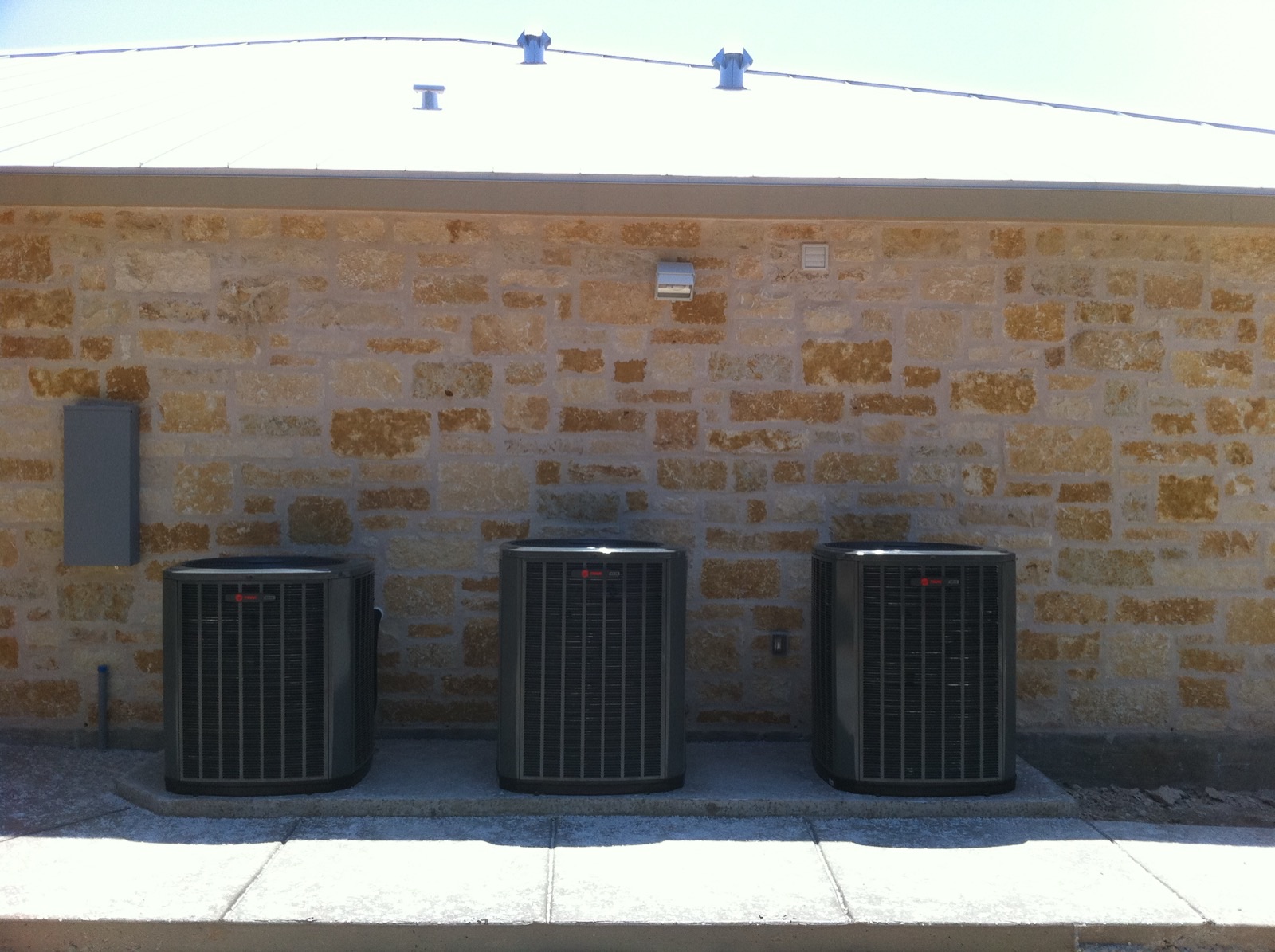
The split system remains the most common choice in San Antonio. It consists of an outdoor condenser and an indoor air handler or furnace. If your furnace is also aging, many contractors recommend a "full system" replacement. Replacing both simultaneously usually saves $1,500 to $2,500 in labor costs compared to replacing them separately over two different years.
Heat Pumps in South Texas
In 2026, heat pumps have gained significant market share in San Antonio. Because San Antonio winters are relatively mild, high-efficiency air-source heat pumps can handle both cooling and the occasional freeze without the need for a separate gas furnace. These systems are eligible for the highest tiers of federal incentives under the Energy Efficient Home Improvement Credit (25C).
Labor, Permitting, and Local Logistics
San Antonio’s labor market is competitive, but specialized skills are required to handle the new 2026 refrigerant standards.
- Labor Costs: Expect to pay between $2,500 and $5,000 for labor alone. This includes the removal and disposal of the old unit, vacuuming the lines, and charging the new system.
- Permits and Inspections: The City of San Antonio Development Services Department requires a mechanical permit for AC replacements. This ensures the unit is wired correctly and the condensate drain line is properly installed. These permits typically cost between $100 and $250.
- Ductwork Repair: If your home is more than 20 years old, your ductwork may be "leaking" up to 30% of your cooled air into the attic. A duct inspection is vital. Full duct replacement in a standard 2,000 sq. ft. home can add $3,000 to $6,000 to the total project cost.
Maximizing Savings: Rebates and Tax Credits in 2026
While the "sticker price" of a new AC unit in San Antonio can be daunting, several financial offsets are available in 2026 to lower the net cost.
CPS Energy Rebates
CPS Energy, San Antonio’s municipal utility, consistently offers residential energy efficiency programs. In 2026, rebates are tiered based on the SEER2 rating of the installed equipment.
- Standard Rebates: Often range from $150 to $500 for qualifying high-efficiency central air units.
- Heat Pump Rebates: Often higher than standard AC units to encourage electrification.
- Smart Thermostat Incentives: Many installers will include a Wi-Fi-enabled thermostat that qualifies for a $50-$100 credit through CPS Energy’s "Demand Response" programs.
Federal Tax Credits (Section 25C)
Under the current federal guidelines valid through 2026, homeowners can claim a tax credit for 30% of the cost of energy-efficient home improvements.
- Central AC: Capped at $600.
- Heat Pumps: Capped at $2,000 per year. This is a direct credit against your federal income tax liability, making high-efficiency heat pumps significantly more affordable for San Antonio residents.
Common Mistakes That Inflate Costs
Avoiding certain pitfalls can save you thousands during the installation process and tens of thousands over the life of the system.
Neglecting the "Whole Home" Approach
In 2026, installing a high-end 20 SEER2 unit in a home with poor attic insulation is a waste of money. The San Antonio heat will penetrate the ceiling faster than the AC can remove it. Professionals recommend ensuring your attic has at least R-38 to R-49 insulation before investing in the most expensive HVAC equipment.
Skipping the Surge Protector
San Antonio is prone to frequent thunderstorms and power fluctuations. Modern AC units in 2026 are packed with sensitive electronic control boards. A dedicated HVAC surge protector costs about $200 to $300 installed but can save you from a $1,500 control board replacement following a lightning strike.
Choosing the Lowest Bid
The "Chuck in a truck" style of contractor often provides a low-ball bid by skipping essential steps like nitrogen purging during brazing or failing to pull the required city permits. In the long run, an improperly installed system will have a shortened lifespan and may void the manufacturer’s 10-year parts warranty.
Frequently Asked Questions
Is it better to repair or replace my AC in San Antonio?
If your system is over 12 years old and requires a major repair (like a compressor failure or an evaporator coil leak), replacement is generally more cost-effective. In 2026, the high cost of R-410A refrigerant (due to the phase-out) makes repairing older leaks prohibitively expensive. If the repair cost exceeds 50% of the value of a new system, replace it.
How long does a typical AC unit last in San Antonio?
Due to the extreme heat and high run-times, the average lifespan of an air conditioner in San Antonio is 10 to 14 years. Systems in milder climates may last 20 years, but the "South Texas Tax" of constant operation during the long summer months wears down mechanical components faster.
What is the best month to buy an AC in San Antonio?
The "shoulder seasons" of March, April, and October are ideal. During the peak of summer (June–August), HVAC companies are overwhelmed with emergency repairs and may charge premium rates for labor. Buying in the off-season often allows you to negotiate better financing terms or "free" additions like air purifiers.
Do I need a dehumidifier with my new AC?
Most high-efficiency, variable-speed units available in 2026 handle dehumidification exceptionally well by running at lower speeds for longer periods. However, if you have a very large home or specific respiratory concerns, a whole-home dehumidifier can be integrated into the system for an additional $2,000 to $3,500.
Are window units or portable ACs cheaper for a San Antonio summer?
While the upfront cost is lower ($300–$700), they are significantly less efficient than central air. In the San Antonio climate, using multiple window units can result in monthly electric bills that are 40% higher than a single high-efficiency central system. They are best used only as temporary solutions or for small, isolated rooms.
Final Recommendation for San Antonio Homeowners
If you are shopping for air conditioning in San Antonio in 2026, prioritize a high-efficiency heat pump with a minimum of 16 SEER2. The combination of federal tax credits (up to $2,000) and CPS Energy rebates often makes the "net cost" of a heat pump comparable to a standard cooling-only unit, while providing significantly lower monthly operating costs. Always insist on a written Manual J load calculation and verify that your contractor is licensed by the Texas Department of Licensing and Regulation (TDLR). Investing in a reputable local installer with a solid maintenance plan will ensure your system survives the relentless South Texas heat for the next decade.