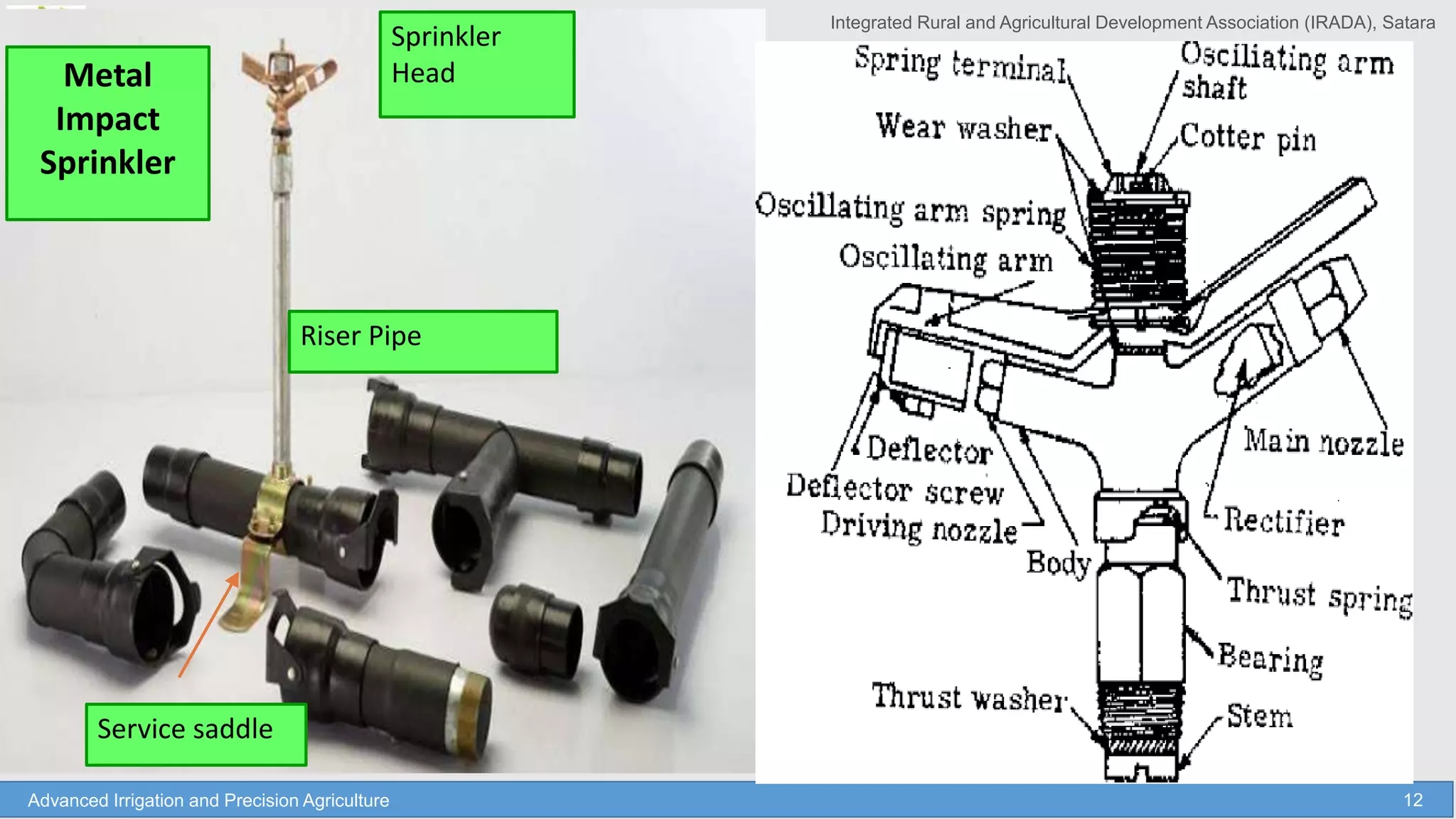
Advanced sprinkler and drainage repair combines precision irrigation diagnostics with high-capacity surface and subsurface water management to protect building foundations, hardscapes, and landscaped root zones from structural damage. This technical discipline requires specialized equipment, hydraulic calculations, and rigorous troubleshooting methodology to resolve complex failures in commercial and residential properties.
Modern property maintenance requires an integrated approach to water management. When underground irrigation systems fail, they often cause severe erosion, turf saturation, or dry spots that stress landscaping. Simultaneously, poor property drainage allows stormwater to pool near structural footings, basement walls, and paved surfaces, leading to costly foundation settlement and hydrostatic pressure failures. Understanding how to diagnose, repair, and upgrade these interconnected networks ensures long-term property protection, water conservation, and optimized system efficiency.
The Intersection of Irrigation and Drainage Systems
Landscape health and structural integrity depend heavily on the balance between water delivery and water removal. While automated sprinkler systems supply calculated moisture to vegetation, sub-surface and surface drainage systems safely redirect excess precipitation and overspray away from vulnerable areas.
When an irrigation line ruptures or a sprinkler head leaks continuously, it introduces thousands of gallons of unwanted water into the surrounding soil. If the site lacks adequate drainage infrastructure, this excess water overwhelms the soil profile, creating localized bogs, killing root systems, and destabilizing nearby hardscapes. Conversely, a clogged French drain or a crushed discharge pipe can back up stormwater into planting beds, drowning root zones and creating the false impression that the irrigation system is failing to water efficiently.
Hydraulic Principles in Repair Work
Technicians must understand basic open-channel and closed-pipe hydraulics to perform advanced repairs. Irrigation lines operate under pressure (measured in pounds per square inch, or PSI), whereas most residential and commercial drainage systems rely on gravity flow and slope (typically a minimum fall of 1/8 to 1/4 inch per linear foot).
Diagnosing a failing system requires isolating pressure-related issues from gravity-related flow restrictions. A sudden drop in sprinkler throw distance might indicate a mainline break, a failing pressure vacuum breaker (PVB), or a partially closed control valve. Meanwhile, standing water near a patio typically points to crushed corrugated pipe, silt-clogged catch basins, or improper grading that prevents surface water from reaching collection points.
--
Diagnosing Complex Sprinkler System Failures
Advanced sprinkler diagnostics go beyond replacing broken spray heads or resetting digital controllers. Technicians must use specialized diagnostic tools to locate hidden faults, evaluate electrical networks, and correct hydraulic imbalances across complex multi-zone layouts.
- Sprinkler Diagnostic Hierarchy
- Step 1: Visual Inspection & Zone Testing
- Check for dry spots, geysers, low pressure, and valve leaks.
- Step 2: Electrical Troubleshooting
- Measure solenoid resistance (ohms) and controller output.
- Step 3: Hydraulic & Pressure Profiling
- Measure static vs. dynamic PSI at the backflow preventer.
- Step 4: Electronic Leak Detection & Wire Tracing
- Utilize acoustic listening devices and tone generators.
- Step 1: Visual Inspection & Zone Testing
Electrical Fault Isolation
Multi-zone automatic sprinkler systems rely on 24-volt alternating current (VAC) signals sent from a central controller through underground direct-burial wires to electromechanical solenoids. Common electrical failures include:
- Solenoid Burnout: A shorted internal coil draws excessive current, causing the controller to display an error message or the zone to fail to open. Technicians use a digital multimeter set to ohms to verify that solenoid resistance falls within the manufacturer's specified range (typically 20 to 60 ohms).
- Wire Path Damage: Accidental shovel strikes, rodent damage, or corrosion at wire splice points cause open circuits. Repairing these requires heavy-duty waterproof wire connectors filled with silicone grease to prevent moisture ingress and subsequent galvanic corrosion.
- Common Wire Failures: A break in the shared return (common) wire will disable multiple zones simultaneously, distinguishing electrical issues from mechanical valve failures.
Locating Hidden Mainline Leaks
Mainline breaks—pipes that remain under constant municipal or pump pressure—waste significant amounts of water and erode surrounding soil. Because these lines are buried deep beneath turf and hardscapes, technicians rely on ultrasonic acoustic listening devices and pressure isolation tests. By pressurizing specific segments of the mainline and injecting compressed air or listening for escaping water turbulence, crews pinpoint sub-surface leaks without excavating entire lawns.
--
Advanced Drainage System Engineering and Repair
When surface water management fails, structural damage follows. Advanced drainage repair requires selecting and installing the appropriate combination of surface collection structures, subsurface conduits, and discharge outlets to manage heavy hydraulic loads.
Subsurface French Drains
A standard French drain consists of a perforated pipe surrounded by washed gravel wrapped in a non-woven geotextile fabric. The fabric is critical; it prevents surrounding silt and clay fines from migrating into the gravel bed and clogging the pipe perforations.
- Trench Excavation: Trenches must be excavated to a stable sub-base with a consistent downward slope toward the designated discharge point.
- Pipe Selection: While corrugated polyethylene pipe is common, rigid schedule 40 PVC pipe is preferred for advanced applications because it resists crushing under heavy loads and does not sag over time, preventing water pooling inside the conduit.
- Geotextile Wrapping: The fabric must completely envelop the gravel and pipe assembly like a burrito, sealing out soil while permitting unrestricted water entry.
Surface Collection and Catch Basins
Surface water pooling on driveways, patios, or flat lawns requires catch basins and channel drains. These systems capture sheet runoff at ground level and route it away via solid (non-perforated) PVC piping. Repairing or upgrading these systems involves clearing root intrusions from junction boxes, replacing cracked grates that pose tripping hazards, and ensuring that downstream discharge points (such as pop-up emitters or curb adapters) remain free of debris.
--
Diagnostic and Repair Equipment Comparison
Executing advanced repairs safely and efficiently requires professional-grade equipment. The following table compares common tools used in diagnosing and repairing sprinkler and drainage systems.
| Tool Name | Primary Function | Operational Advantage | Limitation |
|---|---|---|---|
| Multimeter | Testing electrical resistance and voltage in valve solenoids and wiring. | Pinpoints short circuits and faulty wiring without guesswork. | Requires basic understanding of electrical theory (AC/DC). |
| Acoustic Leak Detector | Listening for the high-frequency sound of water escaping pressurized pipes. | Locates underground mainline leaks beneath turf or concrete without exploratory digging. | Ambient noise (traffic, wind) can interfere with acoustic sensors. |
| Wire Tracer / Tone Generator | Tracking the path of buried low-voltage control wires. | Eliminates destructive trenching to find buried valve boxes or wire breaks. | Signal attenuation in wet soil or deep burial can reduce accuracy. |
| Sewer Camera | Inspecting the interior of drainage pipes for blockages, roots, and cracks. | Provides visual verification of structural pipe failure or blockages. | Cannot locate exact surface depth without a built-in sonde transmitter. |
| Hydro-Jetter | Clearing severe clogs, grease, and root intrusions using high-pressure water. | Cleans pipe interiors thoroughly compared to mechanical augers. | Risk of damaging fragile, aged, or thin-walled corrugated pipes. |
--
Step-by-Step Methodology for Major Repairs
Executing complex repairs requires a standardized workflow to ensure long-term durability and prevent recurring failures.
1. Site Assessment and Utility Locating
Before breaking ground, technicians must contact local utility notification centers (such as 811 in the United States) to mark underground gas, electric, and communication lines. Visual inspections should document existing water flow patterns, soil compaction levels, and root competition from mature trees.
2. Excavation and Shoring
Excavating near foundations, retaining walls, or mature tree root systems requires extreme caution. Technicians use hand tools, pneumatic air spades, or hydro-excavation (using pressurized water and a vacuum truck) to expose pipes without causing collateral damage to utility infrastructure or root structures.
3. Pipe Preparation and Solvent Welding
When repairing PVC irrigation or drainage lines, proper cutting and priming are essential.
- Cut the damaged pipe section squarely using a ratcheting pipe cutter.
- Remove all burrs from the interior and exterior edge of the cut.
- Apply a purple primer to clean and soften the PVC material.
- Apply heavy-duty solvent cement and insert the fitting with a quarter-turn twist to distribute the adhesive evenly. Allow adequate cure time based on ambient temperature and pipe diameter before re-pressurizing.
4. Backfilling and Compaction
Backfilling must be executed in lifts (layers of 6 inches), tamping each layer gently to prevent future sinkholes around repaired trenches, especially under paved areas or turf scheduled for immediate heavy use.
--
Preventative Maintenance and System Optimization
Preventative maintenance reduces emergency repair costs and extends the operational lifespan of both irrigation and drainage networks. Property owners should implement seasonal maintenance schedules tailored to local climate conditions.
Seasonal Irrigation Protocols
- Spring Startup: Slowly open the mainline shut-off valve to prevent water hammer (pressure surges that shatter fittings). Inspect each zone for head rotation, alignment, and nozzle wear. Clean debris filters on drip irrigation lines.
- Winterization (Blowout): In freezing climates, compressed air must be injected into the mainline to purge all standing water before sub-freezing temperatures arrive. Residual water inside valves, pipes, and backflow preventers expands upon freezing, causing catastrophic cracking.
Drainage Maintenance
- Inspect surface drain grates monthly to remove autumn leaves, grass clippings, and sediment buildup.
- Flush solid discharge lines annually using a garden hose or pressure washer attachment to clear silt accumulation.
- Verify that pop-up drainage emitters close completely after rain events to prevent rodents and insects from nesting inside the conduit.
--
Frequently Asked Questions
What causes a sprinkler zone to lose water pressure suddenly?
A sudden drop in pressure usually indicates a mainline break, a partially closed isolation valve, or a ruptured lateral line. If only one head is affected, the nozzle may be clogged with debris or the riser may be cracked. Testing static versus dynamic pressure at the backflow preventer helps isolate whether the issue originates from the municipal supply or an internal system fault.
How do I know if my yard needs a French drain or a surface catch basin?
French drains are designed to intercept and redirect subsurface water moving through the soil profile, making them ideal for saturated lawns, sloping yards, and areas where water pools against foundation walls. Catch basins are designed to capture standing surface water that pools rapidly on flat areas, driveways, or patios during heavy rainfall.
Can tree roots damage underground drainage and sprinkler lines?
Yes. Tree roots naturally gravitate toward moisture sources. They frequently infiltrate pipe joints, cracks in older PVC lines, and perforated drainage pipes. Once inside, roots expand, clogging the conduit entirely or forcing fittings apart. Installing root barriers and using solid PVC piping with solvent-welded joints helps mitigate this risk.
Why is my sprinkler valve leaking continuously even when the controller is off?
A continuous leak at a valve typically means debris (such as sand, rocks, or scale) is trapped under the internal rubber diaphragm, preventing it from sealing completely. Alternatively, a scratched solenoid port or a damaged diaphragm spring can prevent closure. Flushing the valve assembly or replacing the internal components generally resolves the issue.
How deep should drainage and irrigation pipes be buried?
In temperate climates, irrigation lateral lines are typically buried 8 to 12 inches deep, while mainlines are buried 12 to 18 inches deep to protect them from foot traffic and aeration equipment. In freezing climates, all lines must be installed below the local frost line or designed with blowout fittings for winterization. Subsurface drainage pipes should maintain a continuous downward slope of at least 1/8 inch per foot.
--
Conclusion and Next Actions
Maintaining advanced sprinkler and drainage systems requires a proactive, technical approach that addresses both water delivery and water removal. Property owners facing persistent landscape saturation, unexplained spikes in water bills, or structural dampness should conduct a comprehensive audit of their irrigation valves, pressure regulators, and surface drainage outlets. For complex subsurface leaks, electrical faults, or major foundation-protection drainage projects, partnering with a certified irrigation and drainage professional ensures compliance with local plumbing and building codes, protecting your investment for years to come.