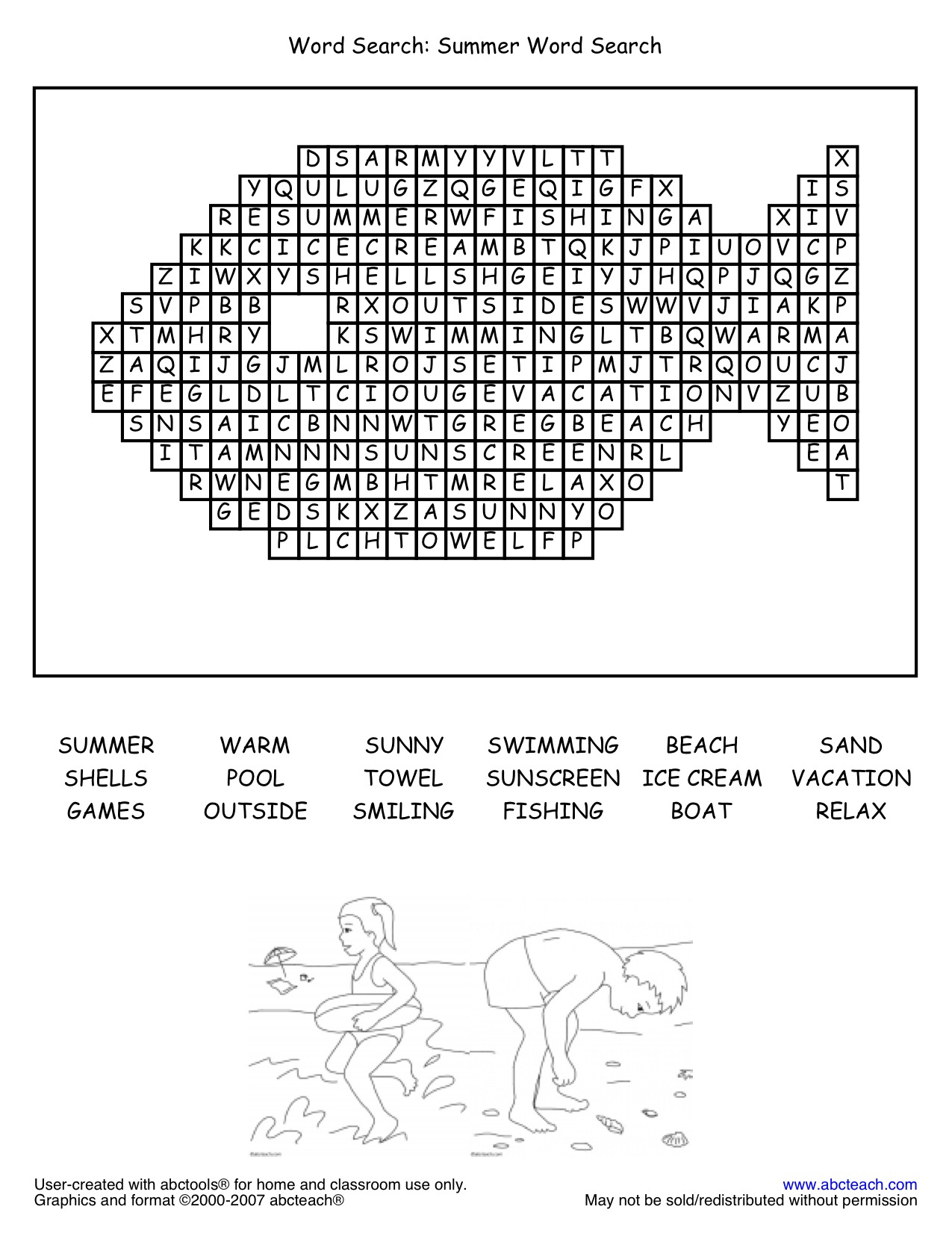
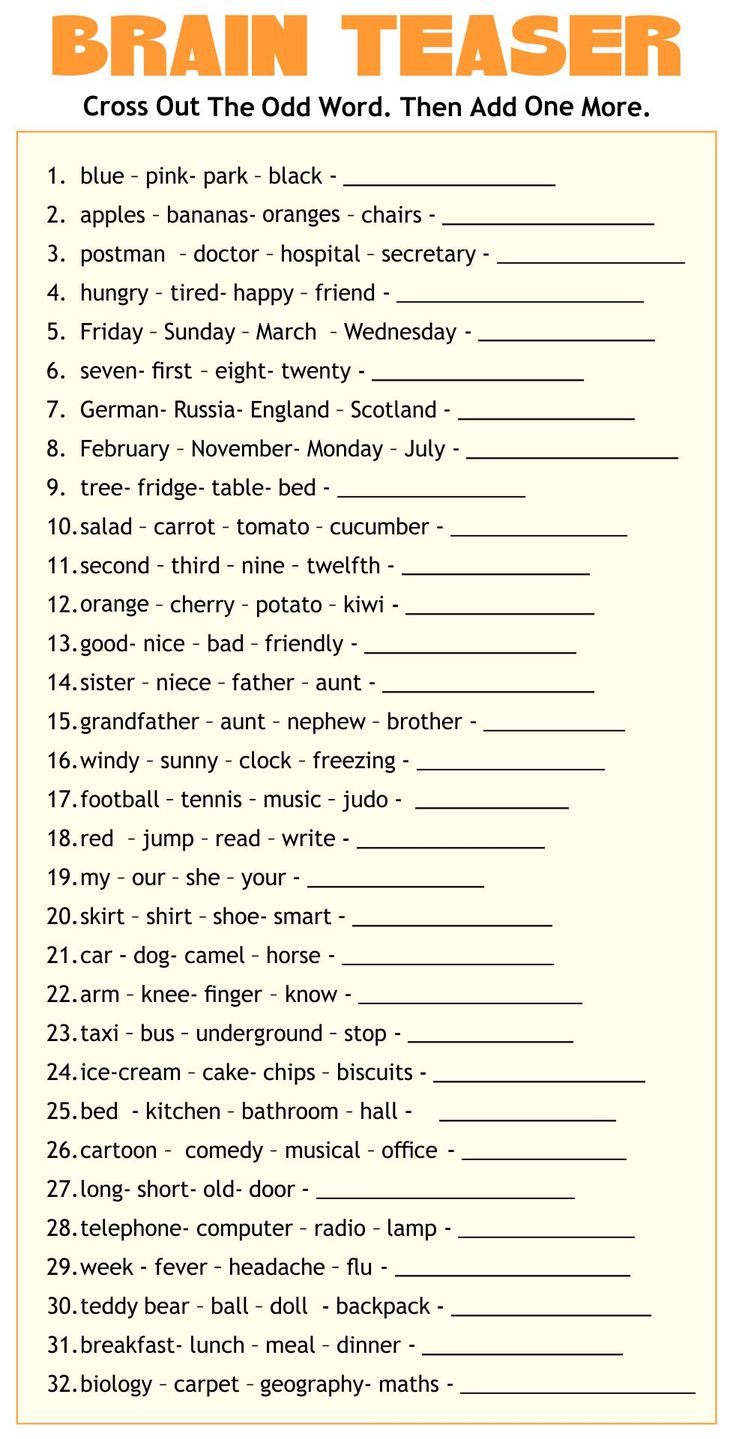
Adult worksheets serve as structured pedagogical and therapeutic tools designed to guide mature learners, professionals, and individuals through complex exercises in personal development, continuing education, clinical psychology, and professional training. Unlike childhood activity sheets focused on basic literacy or motor skills, adult worksheets require higher-order cognitive processing, critical thinking, emotional introspection, and applied professional analysis. Understanding how to select, utilize, and integrate these materials effectively requires evaluating their format, underlying methodology, and specific psychological or educational objectives.
Defining Adult Worksheets and Their Core Purposes
Adult worksheets encompass a wide array of printed and digital documents intended for individuals aged eighteen and older. These documents bridge the gap between abstract theoretical knowledge and concrete behavioral application. Whether deployed in a clinical setting, a corporate human resources workshop, or a self-directed study environment, the primary goal of an adult worksheet is to transform passive consumption of information into active cognitive engagement.
The utility of these structured documents spans three major domains: therapeutic intervention, professional development, and continuing education. In therapeutic contexts, such as Cognitive Behavioral Therapy (CBT) or Dialectical Behavior Therapy (DBT), clinicians rely on structured worksheets to help patients track cognitive distortions, regulate emotions, and practice mindfulness techniques between sessions. In professional environments, managers and trainers utilize similar frameworks for strategic planning, workflow analysis, team building, and leadership assessment. Meanwhile, adult educators and independent learners use academic and vocational worksheets to reinforce technical concepts, language acquisition, or financial literacy.
Cognitive Frameworks and Learning Theories
The structural design of effective adult worksheets is grounded in established adult learning theories, notably Malcolm Knowles' principles of andragogy. Unlike children, who rely heavily on subject-centered, teacher-directed instruction, adult learners are intrinsically motivated, self-directed, and draw heavily upon a rich foundation of lived experiences. Consequently, successful adult worksheets respect the learner's autonomy, focus heavily on problem-solving, and immediately connect theoretical concepts to real-world applications.
Furthermore, Bloom's Taxonomy of Educational Objectives heavily influences how these materials are constructed. While introductory materials may require basic comprehension, advanced adult worksheets routinely push learners toward the higher tiers of the cognitive domain: analyzing complex case studies, evaluating competing hypotheses, and synthesizing novel solutions to organizational or personal challenges.
Major Categories of Adult Worksheets
The market for adult worksheets is diverse, segmented primarily by the specific environment and objective of the user. Identifying the correct category ensures that the selected tool aligns with the intended outcome, whether that involves mental health management, career advancement, or financial organization.
Therapeutic and Mental Health Worksheets
Therapeutic worksheets are among the most widely utilized resources in modern psychology and counseling. Clinicians employ these tools to facilitate introspection and behavioral modification.
- Cognitive Behavioral Therapy (CBT) Logs: Designed to help individuals identify automatic negative thoughts, challenge cognitive distortions, and reframe internal narratives.
- Anxiety and Stress Management Trackers: Provide structured spaces for users to log physical symptoms of stress, identify environmental triggers, and practice systematic grounding exercises.
- Grief and Trauma Processing Guides: Offer compassionate, step-by-step prompts to help individuals navigate complex emotional landscapes without overwhelming their coping mechanisms.
- Mindfulness and Self-Care Inventories: Encourage users to audit their daily routines, establish boundaries, and cultivate intentional habits that support long-term mental well-being.
Professional and Career Development Worksheets
In the workplace, structured documentation helps bridge individual performance gaps and aligns team objectives with overarching corporate strategy.
- SWOT Analysis Grads: Guide professionals through evaluating Strengths, Weaknesses, Opportunities, and Threats relative to a specific career move or business venture.
- Goal-Setting and Action Planning Templates: Utilize frameworks such as SMART (Specific, Measurable, Achievable, Relevant, Time-bound) criteria to break long-term ambitions into manageable operational steps.
- Time Management and Productivity Audits: Enable workers to track time allocation across a workweek, isolate productivity bottlenecks, and implement structured scheduling techniques like time-blocking.
- Leadership and Communication Assessments: Facilitate peer reviews, 360-degree feedback integration, and self-assessments regarding conflict resolution styles.
Personal Finance and Lifestyle Management Worksheets
Managing household economies, long-term savings, and daily logistics requires rigorous organization that text-heavy guides alone cannot provide.
- Monthly Budgeting and Expense Trackers: Categorize fixed and variable expenditures to maintain fiscal visibility and debt-reduction trajectories.
- Retirement and Investment Planners: Assist individuals in projecting future capital requirements based on current savings rates, inflation assumptions, and target retirement ages.
- Meal Planning and Home Organization Guides: Streamline household operations through inventory audits, nutritional planning, and task-rotation schedules.
Comparing Formats: Printable, Interactive Digital, and App-Based Worksheets
When choosing between different formats of adult worksheets, users must weigh accessibility, interactivity, environmental impact, and technological requirements. The table below outlines the primary characteristics, advantages, and limitations of the three dominant formats available today.
| Format Type | Primary Characteristics | Key Advantages | Notable Limitations |
|---|---|---|---|
| Traditional Printables (PDF/Paper) | Static documents downloaded as PDFs or purchased in physical workbooks, completed with pen or pencil. | Promotes tactile engagement, minimizes digital distractions, and requires no technological infrastructure beyond a printer. | Lacks dynamic calculation features, cannot be easily edited without reprinting, and occupies physical storage space. |
| Interactive Digital PDFs | Electronic documents featuring fillable text fields, drop-down menus, and occasionally basic JavaScript calculations. | Allows for clean revisions, easy electronic sharing with professionals or peers, and reduces paper waste. | Requires a compatible PDF reader device, potential software compatibility hurdles, and screen fatigue during prolonged use. |
| App-Based & Cloud Worksheets | Web applications, dedicated mobile apps, or cloud-hosted platforms with synchronization across multiple devices. | Offers real-time progress tracking, automated reminders, multimedia integration, and secure cloud storage. | Often requires subscription fees, depends on internet connectivity, and may raise privacy or data-security considerations. |
Designing or Selecting High-Quality Adult Worksheets
Whether an individual is downloading pre-made resources from a reputable clinical or educational publisher or designing custom templates for an organization, certain design principles separate effective tools from ineffective ones.
Usability and Cognitive Load
An effective adult worksheet must avoid overwhelming the user with excessive visual clutter or dense paragraphs of text. Adults often engage with these materials outside of formal instructional hours—frequently during moments of stress or busy workdays. Clear headings, ample whitespace for handwritten or typed responses, and intuitive visual hierarchies are essential. Instructions must be unambiguous, explicitly stating what the user is expected to do without relying on academic jargon unless the context explicitly demands it.
Evidence-Based Foundations
For therapeutic and educational worksheets, scientific or pedagogical validity is paramount. Worksheets used in clinical environments should ideally be derived from peer-reviewed psychological models, such as acceptance and commitment therapy (ACT) or rational emotive behavior therapy (REBT). Similarly, professional development templates should reflect current management science rather than outdated corporate fads. Verifying the credentials of the publisher or author ensures that the time invested in completing the exercise yields meaningful results.
Common Pitfalls and Troubleshooting Strategies
Engaging with adult worksheets is not without its challenges. Recognizing common obstacles helps users and facilitators adjust their approach to maximize utility.
Encountering Resistance and Frustration
Adult learners frequently experience skepticism or frustration when confronted with structured writing exercises, particularly in therapeutic or mandatory professional settings. If a worksheet feels overly tedious or patronizing, engagement drops sharply.
- Troubleshooting: Shift away from rigid completion mandates. Instead, frame the worksheet as an optional exploratory tool rather than a graded test. Allow users to skip sections that do not currently apply to their lived experience, returning to them only if circumstances change.
Analysis Paralysis
A common trap in financial or career-planning worksheets is getting bogged down by minor details, such as tracking every cent of discretionary spending or over-analyzing microscopic SWOT metrics, which prevents the user from taking macro-level action.
- Troubleshooting: Implement time-boxing strategies. Set a strict timer (e.g., twenty minutes) for completing a specific section, and accept "good enough" data over exhaustive perfection. The value of the worksheet lies in the directional insight it provides, not in forensic accounting precision.
Frequently Asked Questions About Adult Worksheets
Are digital adult worksheets as effective as traditional paper printouts?
The effectiveness depends largely on personal learning preferences and the specific objective of the exercise. Paper worksheets are often preferred for therapeutic and mindfulness exercises because handwriting engages different cognitive pathways and reduces screen-related distractions. Conversely, digital formats excel in financial tracking and collaborative professional planning due to their editability and automated calculation capabilities.
How do I determine if a mental health worksheet is clinically sound?
Always look for attribution to established therapeutic frameworks, such as Cognitive Behavioral Therapy (CBT) or Dialectical Behavior Therapy (DBT). Reputable worksheets are typically published by licensed mental health professionals, academic institutions, or accredited healthcare organizations rather than unverified content mills.
Can adult worksheets replace professional therapy or coaching?
No. While structured worksheets are powerful supplementary tools for self-reflection, skill-building, and symptom tracking, they are not a substitute for individualized clinical diagnosis, psychotherapy, or professional executive coaching. They serve best as aids within a broader developmental or therapeutic strategy.
What is the best way to store and organize completed digital worksheets?
Users should establish a secure, organized directory structure on a local drive or an encrypted cloud storage platform. Categorize files by date, objective, and domain (e.g., Finance, Career, Mental Health) to easily review progress over time. For sensitive mental health documents, ensure that password protection or two-factor authentication is enabled on the storage platform.
How often should adult personal development worksheets be revisited?
Dynamic goals and emotional states require periodic reassessment. For professional development and financial budgeting, a monthly or quarterly review is standard. For mental health and stress management tracking, weekly check-ins or usage on an as-needed basis during acute stress periods is generally most effective.
Next Actions and Practical Implementation
To begin utilizing adult worksheets effectively, start by defining a single, highly specific objective—such as auditing monthly discretionary spending, identifying workplace stress triggers, or outlining a five-year career transition plan. Select one or two reputable, evidence-based templates that align directly with this goal. Commit to a short, consistent testing period without overwhelming yourself with too many concurrent exercises. By treating these documents as active instruments for structured thought rather than passive paperwork, mature learners can unlock significant personal and professional clarity.