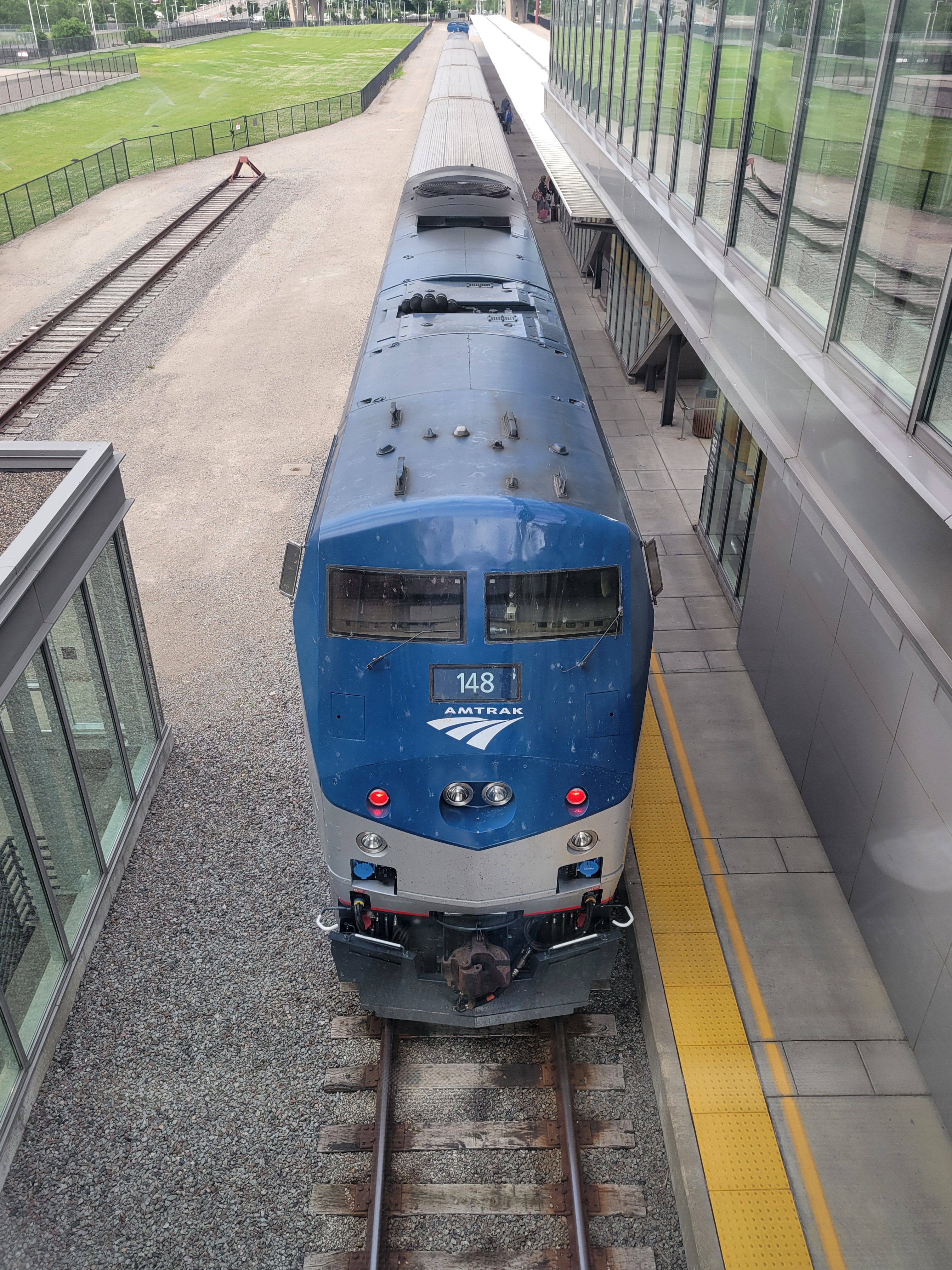
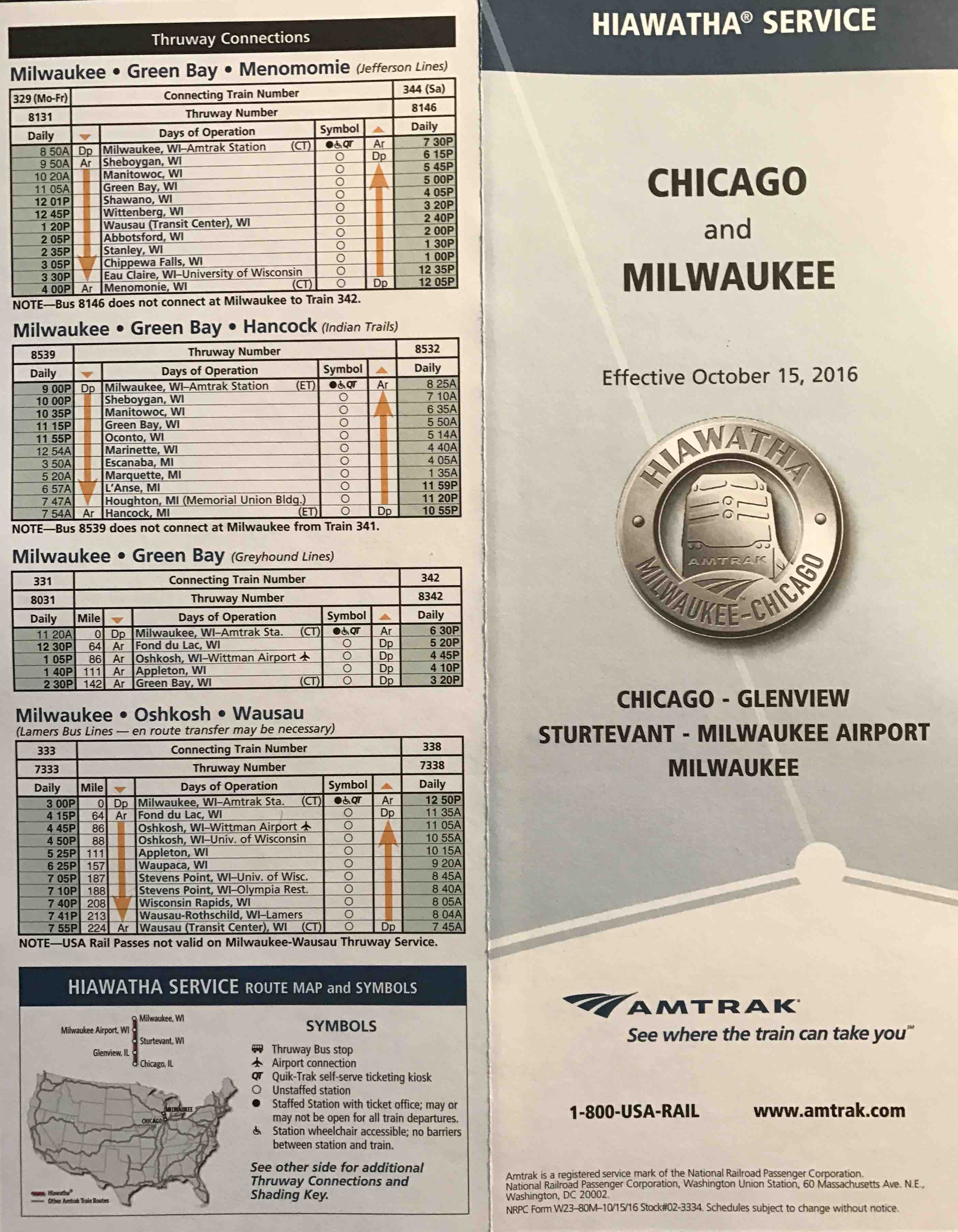
Taking Amtrak trains to Milwaukee offers a scenic, stress-free, and reliable alternative to driving along the congested Interstate 94 corridor between Chicago and Wisconsin. The primary route servicing this corridor is the Hiawatha Service, complemented by the long-distance Empire Builder, providing multiple daily departures that connect downtown Chicago to the Milwaukee Intermodal Station in the heart of downtown Milwaukee, with intermediate stops in suburban Illinois and Wisconsin.
Understanding Amtrak Service Options to Milwaukee
When planning a rail journey to Milwaukee, travelers generally choose between two primary Amtrak routes depending on their departure point, schedule needs, and travel preferences. Navigating these options ensures you select the train that best aligns with your itinerary.
The Hiawatha Service
The Hiawatha Service is Amtrak’s premier high-frequency corridor train, operating multiple daily round trips exclusively between Chicago Union Station and the Milwaukee Intermodal Station. It is heavily utilized by business commuters, weekend visitors, sports fans, and students traveling between northern Illinois and southeastern Wisconsin.
Because of its high frequency, the Hiawatha Service provides immense flexibility. Trains run from early morning until late evening, allowing passengers to spend a full day in either city without needing an overnight stay. The journey is famously swift, taking approximately 1 hour and 29 minutes from downtown Chicago to downtown Milwaukee, often outperforming peak-hour highway driving times.
The Empire Builder
For travelers journeying from points further west—such as Seattle or Portland—or those looking for a different schedule, the Empire Builder offers a long-distance alternative. This historic route runs from the Pacific Northwest through Minneapolis-St. Paul and across Wisconsin before arriving at the Milwaukee Intermodal Station and terminating at Chicago Union Station.
While the Empire Builder only makes one trip per day in each direction, it provides an option for travelers originating outside the Chicago metropolitan area. However, because it is a long-distance train subject to freight rail traffic delays, it is less predictable for tight schedules compared to the dedicated Hiawatha corridor.
Route Map and Intermediate Stops
The Hiawatha Service connects major transportation hubs and suburban centers along the western shore of Lake Michigan. Understanding the station lineup helps commuters and regional travelers plan local connections or parking arrangements.
- Chicago Union Station (CHI)
- Glenview, IL (GLN)
- Sturtevant, WI (SVT)
- Milwaukee Airport Station (MKE)
- Milwaukee Intermodal Station (MRO)
Key Stations Along the Route
- Chicago Union Station (CHI): The southern terminus for the Hiawatha Service, offering extensive connections to Amtrak's national network, Metra commuter trains, and the Chicago Transit Authority (CTA) transit system.
- Glenview, IL (GLN): Located in Chicago's northern suburbs, this station provides a convenient boarding point for North Shore residents without requiring a trip into downtown Chicago.
- Sturtevant, WI (SVT): Situated near Racine, this station serves southeastern Wisconsin commuters and features a large park-and-ride facility.
- Milwaukee Airport Station (MKE): Located adjacent to General Mitchell International Airport, this stop connects rail passengers directly to the airport terminal via a quick shuttle, as well as serving suburban Milwaukee travelers.
- Milwaukee Intermodal Station (MRO): The northern terminus located at 433 West St. Paul Avenue in downtown Milwaukee, offering seamless transfers to local Milwaukee County Transit System (MCTS) buses, intercity buses, and regional transit.
Onboard Amenities and Class Options
Amtrak trains operating on the Chicago-Milwaukee corridor are designed for regional efficiency while maintaining high standards of passenger comfort. Knowing what to expect onboard helps travelers prepare for a relaxing ride.
Seating and Accommodations
The Hiawatha Service utilizes modern equipment featuring Coach class seating. Coach seats on these trains are exceptionally spacious compared to airline economy seats, offering generous legroom, wide recline angles, folding tray tables, overhead reading lights, and individual electrical outlets for charging devices. There are no traditional sleeping cars or business class cars on the Hiawatha due to the short duration of the trip, meaning all passengers enjoy the same high standard of comfortable seating.
Wi-Fi and Connectivity
Complimentary Amtrak Wi-Fi is available onboard Hiawatha trains, allowing passengers to check email, browse the web, or complete work tasks during the journey. While sufficient for general web browsing and messaging, cellular data coverage remains relatively strong along most of the route for those who prefer personal mobile hotspots.
Baggage Policies
Amtrak maintains a generous baggage policy. Passengers can bring two personal items (up to 25 lbs each) and two carry-on bags (up to 50 lbs each) free of charge. Items must fit in the overhead storage racks or designated luggage areas at the ends of the cars. Bicycles are also welcome on Hiawatha trains through a reservation system, though space is limited and requires a small handling fee.
Comparing Travel Options to Milwaukee
To determine whether taking the train is the best choice for your trip, it helps to weigh rail travel against driving or taking intercity buses.
| Mode of Transport | Average Travel Time | Typical Cost Range | Convenience & Comfort | Parking & Traffic Stress |
|---|---|---|---|---|
| Amtrak Hiawatha | 1 hr 29 min | $25 – $45 one-way | High (Wi-Fi, legroom, no traffic) | None (station parking available) |
| Driving (I-94) | 1 hr 45 min to 3 hrs | $15 – $30 (gas/tolls) | Low-Medium (traffic dependent) | High (downtown parking costs) |
| Intercity Bus | 2 hrs to 2 hr 30 min | $20 – $40 one-way | Medium (traffic dependent) | Low |
As shown in the comparison, the train eliminates the unpredictability of I-94 traffic bottlenecks, particularly around the Illinois-Wisconsin state line and downtown Chicago. Furthermore, city parking fees in downtown Milwaukee or Chicago can quickly exceed the cost of an Amtrak ticket, making the train an economically competitive option for day trips and weekend getaways.
Ticketing, Fares, and Booking Strategies
Securing your tickets efficiently ensures the best pricing and guarantees your preferred departure time. Amtrak employs a tiered pricing structure similar to airlines, where fares increase as the train fills up or as the departure date approaches.
How to Purchase Tickets
Tickets can be purchased through multiple official channels:
- Amtrak Mobile App: The most convenient method for booking, managing reservations, and displaying digital boarding passes directly on your smartphone.
- Amtrak Website: Accessible via desktop or mobile browser for comprehensive scheduling and route planning.
- Station Ticket Kiosks: Available at major stations like Chicago Union Station and Milwaukee Intermodal Station for same-day or advance purchases.
- Station Ticket Windows: Staffed counters at major hubs for personalized customer service.
Value Saver vs. Flexible Fares
When booking the Hiawatha Service, you will encounter different fare classes that dictate change and cancellation policies:
- Value Fares: The most affordable option, though changes may incur a fee, and cancellations result in voucher credits rather than original-form-of-payment refunds if canceled close to departure.
- Flexible Fares: Higher upfront cost but allows ticket changes and cancellations with full refunds to your original payment method, ideal for travelers whose schedules may shift unexpectedly.
Frequently Asked Questions
Do I need to make a reservation in advance for the Hiawatha Service?
While you can purchase tickets up until departure, reservations are strongly recommended because trains frequently sell out, especially on Friday evenings, Sunday afternoons, and during major events or holiday weekends in Chicago and Milwaukee. Purchasing in advance also locks in lower fare tiers.
Can I bring my bicycle on the Amtrak train to Milwaukee?
Yes, bicycle transport is permitted on the Hiawatha Service, but you must select a bicycle space when booking your ticket online or through the app. A nominal bike fee applies, and bicycles must be stored in designated car racks. Folding bikes that fit within standard luggage dimensions can be brought on board as carry-on baggage without a bicycle reservation.
Is there a dining car or food service on the Hiawatha?
Due to the short 90-minute duration of the trip, traditional dining cars are not featured on the Hiawatha Service. A standard Café car is typically not operated on these short regional runs, so passengers are encouraged to purchase snacks and beverages at the station concourses or bring their own food and non-alcoholic drinks aboard.
What should I do if my train is delayed?
Amtrak provides real-time train tracking through its mobile app and website, allowing you to monitor your train's status before heading to the station. In the event of a significant delay, station personnel and automated alerts will provide guidance. Because the Hiawatha shares tracks with freight carriers, minor delays can occasionally occur, though freight interference is minimized on this dedicated corridor compared to long-distance routes.
Are pets allowed on Amtrak trains to Milwaukee?
Amtrak permits small dogs and cats (weighing up to 20 pounds combined pet and carrier weight) to travel in Coach class on the Hiawatha Service for a designated pet fee. Advance reservations are mandatory, as only a limited number of pets are allowed per train. Service animals accompanying passengers with disabilities ride free and are exempt from pet policy restrictions.
Practical Next Steps for Your Journey
Begin by identifying your preferred travel dates and times using the Amtrak mobile application or official website. Review the daily Hiawatha schedule to find a departure that matches your agenda, keeping in mind that morning and late-afternoon trains experience higher demand from commuters. Once you book your ticket, ensure you arrive at the station at least 20 to 30 minutes before departure to allow ample time for boarding and finding your seat. Whether you are traveling for business, visiting family, or exploring the cultural attractions of Milwaukee, taking the train delivers a smooth, comfortable, and efficient transit experience.