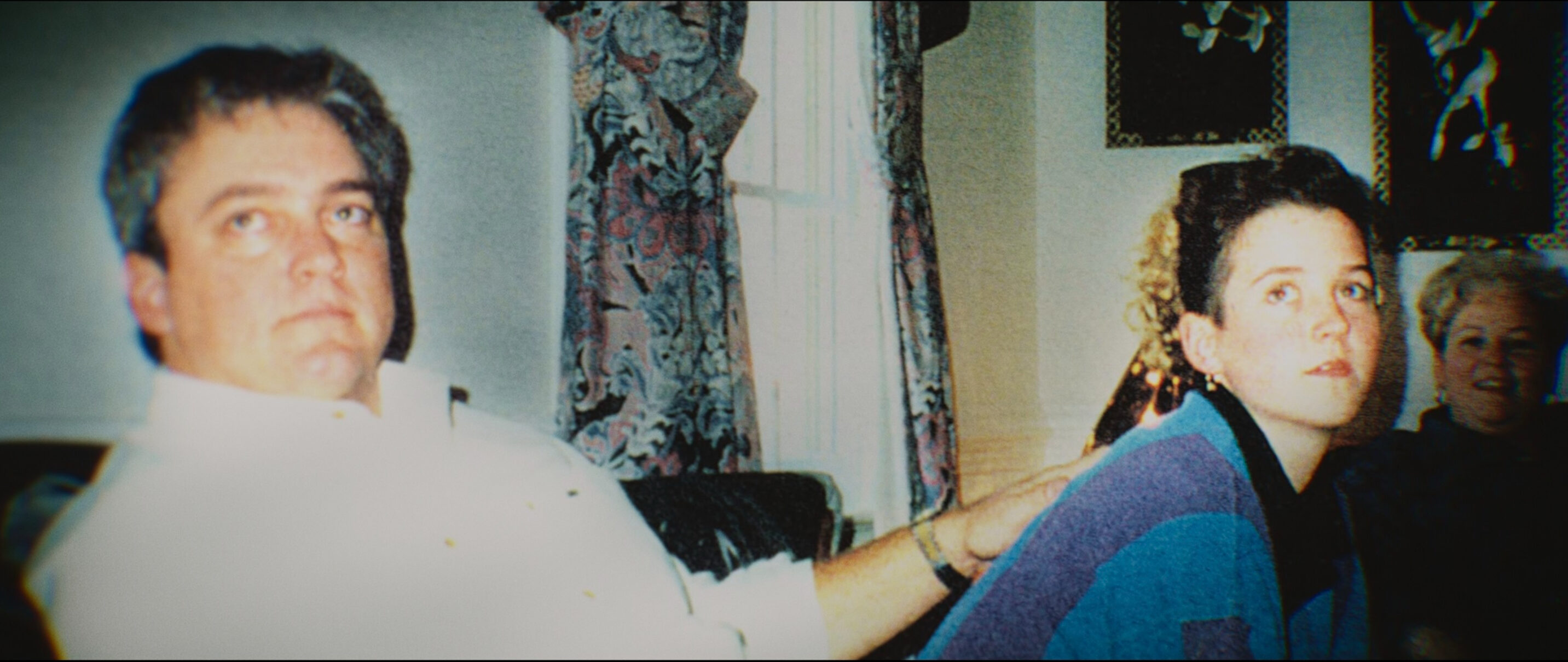
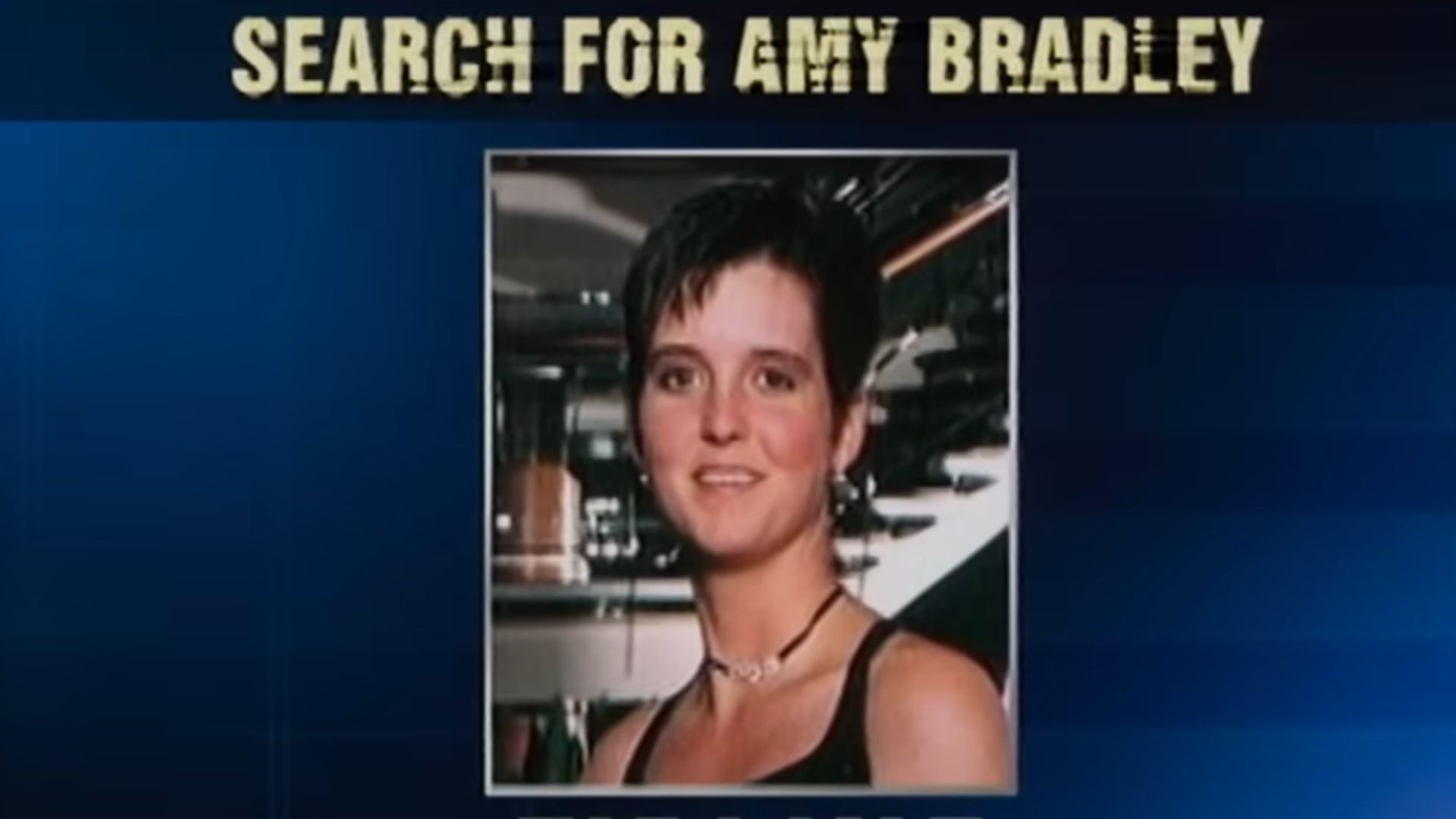
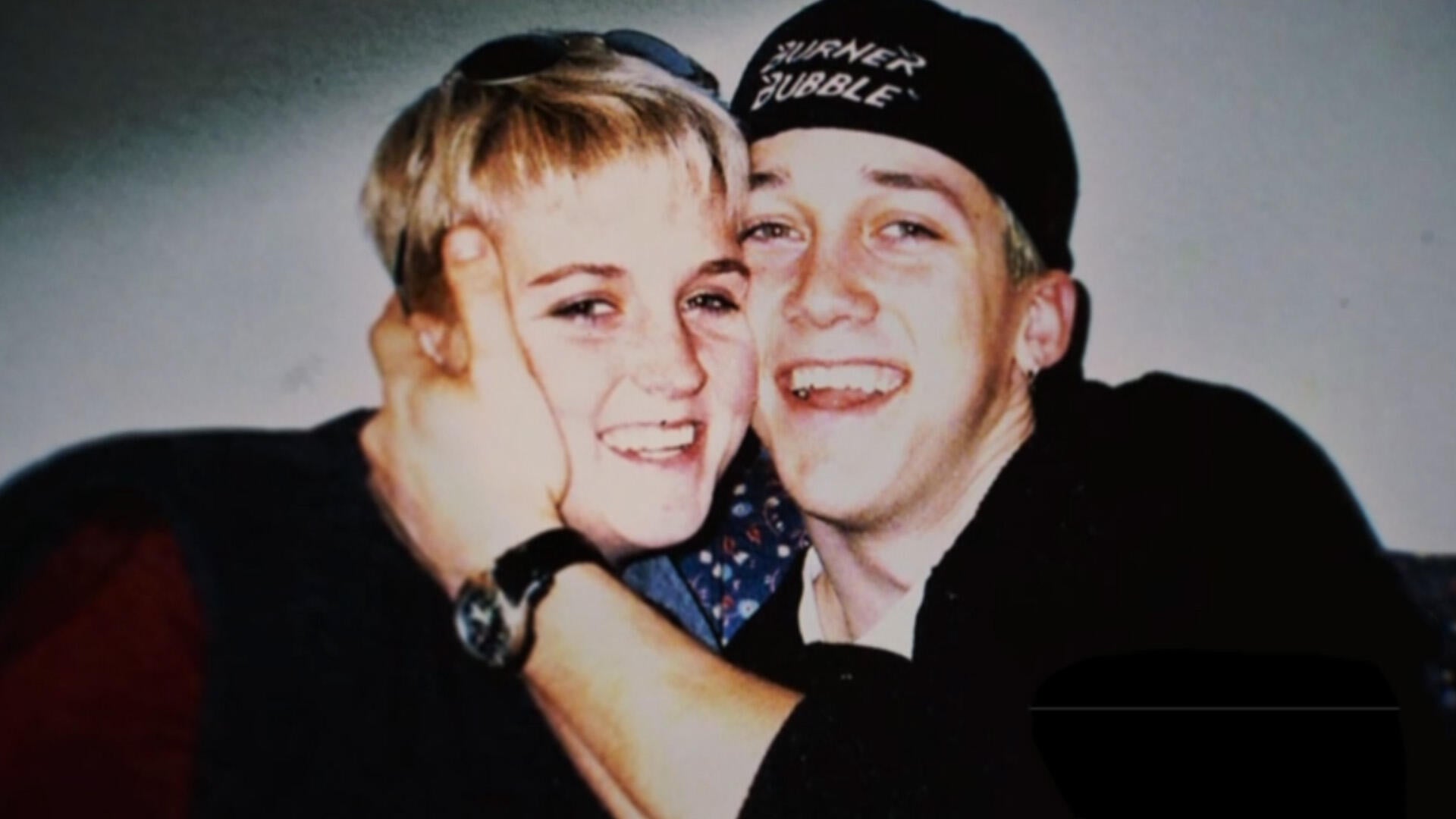
The disappearance of Amy Lynn Bradley from the Royal Caribbean cruise ship Rhapsody of the Seas in March 1998 remains one of the most haunting and enduring mysteries in maritime history. For over two decades, her father, Ron Bradley, and the rest of the Bradley family have transformed their personal tragedy into an unexpected legacy of advocacy, private investigation, and heightened awareness regarding safety and legal accountability within the cruise industry.
The Disappearance: A Timeline of the 1998 Incident
In the early morning hours of March 24, 1998, 23-year-old Amy Bradley went missing while her cruise ship was en route to Curaçao. The circumstances surrounding her vanishing were immediately characterized by inconsistencies that fueled the family’s skepticism toward the official narrative. According to ship officials, Amy allegedly walked off the ship on her own, a claim the family has vehemently rejected since the beginning of the investigation.
The family maintains that Amy was last seen sleeping on the cabin balcony by her father around 5:30 a.m. When he returned to the room shortly after, she was gone, leaving behind her cigarettes and lighter—items she rarely traveled without. The immediate response from the cruise line was criticized by the Bradleys, who felt that the search was poorly managed and that the vessel was not adequately secured, potentially allowing for foul play or a forced departure.
Challenging the Official Narrative: The Family’s Investigation
For the Bradley family, the official designation of the case—which authorities initially suggested was a case of a young woman falling overboard—was insufficient. Ron Bradley took an active role in scrutinizing the evidence, uncovering details that suggested a more complex reality.
One of the most persistent aspects of the case is the series of alleged sightings. Over the years, reports have emerged from various individuals claiming to have seen a woman resembling Amy in different locations across the Caribbean, including a beach in Curaçao and a military brothel in Colombia. While none of these sightings have led to a definitive recovery or rescue, they have provided the fuel for the family’s ongoing efforts to force transparency and investigation from the U.S. government and maritime authorities.
The legacy here is one of relentless parental advocacy. Ron Bradley’s role evolved from that of a grieving father into a quasi-investigator, working alongside international authorities and private security firms to keep Amy’s name and photograph in the public consciousness.
The Cruise Industry and Legal Accountability
The unexpected legacy of the Bradley case is inextricably linked to the broader evolution of cruise ship safety regulations. In the late 1990s, the legal framework governing crimes on cruise ships was significantly less robust than it is today. The mystery of Amy Bradley highlighted massive jurisdictional gaps: crimes occurring in international waters often fell into a "no-man's-land" where it was unclear which nation’s laws applied and which police force held jurisdiction.
| Aspect of Concern | Pre-1998 Context | Post-2010 Reform Context |
|---|---|---|
| Jurisdictional Clarity | Ambiguous/Often ignored | Defined by the Cruise Vessel Security and Safety Act (CVSSA) |
| Reporting Standards | Minimal oversight | Mandatory reporting of serious crimes to the FBI |
| Security Personnel | Varying internal standards | Enhanced requirements for logs and crime scene preservation |
| Passenger Awareness | Limited safety information | Comprehensive disclosures regarding rights and safety |
The advocacy efforts spearheaded by families like the Bradleys contributed to the eventual passage of the Cruise Vessel Security and Safety Act (CVSSA) in 2010. This legislation was a turning point, requiring ships to report crimes occurring on board to the FBI and ensuring that ships have proper crime scene preservation equipment.
The Role of Private Advocacy and Public Awareness
The legacy of this case also rests on how the family utilized the burgeoning internet in the early 2000s to maintain pressure on law enforcement. By creating websites, engaging with news organizations, and utilizing amateur detective networks, the family ensured that the case did not fade into obscurity. This approach became a blueprint for families dealing with high-profile disappearances, proving that sustained public interest can force government agencies to re-examine closed or stagnant files.
Furthermore, the family’s experience led to a greater public understanding of the complexities of human trafficking. The theory—though never definitively proven in Amy’s specific case—that she may have been abducted and trafficked brought a dark, realistic edge to the conversation about the safety of international travel. This brought a heightened level of skepticism toward the cruise industry, prompting potential passengers to demand better security measures, such as camera surveillance in public corridors and better control over who has access to passenger cabins.
Navigating the Search: Challenges and Limitations
For families searching for a loved one under similar circumstances, the Bradley case serves as both a source of inspiration and a cautionary tale regarding the limitations of justice. The difficulties the family faced—dealing with foreign law enforcement, navigating the corporate defensive strategies of major cruise lines, and managing the emotional toll of unverified "sightings"—remain formidable challenges today.
A primary lesson for those affected by similar incidents is the necessity of securing immediate, independent legal and forensic support. Relying solely on the ship’s security or the initial flag state’s investigation often leads to lost evidence. Families are now advised to:
- Document Everything: Keep a detailed, chronological record of every interaction with ship personnel, law enforcement, and embassy staff.
- Consult Maritime Legal Specialists: International maritime law is a specialized field; general criminal defense attorneys may not have the expertise to navigate the jurisdictional nuances of cruise law.
- Engage Professional Forensic Assistance: Private investigators specializing in international maritime law can often perform tasks that public agencies may be restricted from doing due to jurisdictional boundaries.
The Ongoing Quest for Answers
As of 2026, the investigation into the disappearance of Amy Bradley remains active in the public consciousness, even if the trail has gone cold. The "unexpected legacy" is that her case effectively modernized the way the world perceives maritime safety. Amy is no longer just a missing person; she has become a symbol for a set of legal and ethical standards that the cruise industry is now forced to uphold.
The family’s journey teaches us about the resilience of the human spirit. Ron Bradley’s decision to never stop searching, to lobby for policy change, and to remain a vocal advocate for others has ensured that while Amy was lost, her story became a tool for protecting others. The legacy is not one of success in finding the missing individual, but in succeeding to force an entire industry to acknowledge its vulnerabilities.
Frequently Asked Questions
1. Is the case of Amy Bradley officially closed? The case remains open with the FBI, which classifies it as a missing person investigation. Because there has been no definitive evidence of death or recovery, it remains a "cold case" that the agency reviews periodically for new leads.
2. Did the Cruise Vessel Security and Safety Act (CVSSA) apply to Amy Bradley’s case? No. The CVSSA was signed into law in 2010, twelve years after Amy Bradley disappeared. However, the advocacy work by her family and other victims' families was instrumental in highlighting the gaps in oversight that led to the creation of the Act.
3. What is the current status of the sightings reported in Curaçao? Throughout the years, many sightings have been investigated by local authorities and private investigators hired by the family. None have resulted in a verified match to Amy Bradley, and they are largely considered inconclusive or mistaken identity by official agencies.
4. How does the cruise industry manage passenger disappearances today? Under current regulations, cruise lines are required to report all allegations of serious crimes—including disappearances—to the FBI. They must also have designated security personnel, maintain detailed crime logs, and provide, where feasible, technology to detect if a passenger has gone overboard.
5. What is the best resource for families currently dealing with a missing person on a cruise ship? Families should immediately contact their country's embassy in the port of call or the nearest cruise destination, as well as the FBI’s legal attaché offices abroad. Consulting with an attorney specializing in maritime law is also a critical step for understanding jurisdictional options.
Next Steps for Advocacy and Awareness
For those interested in the broader impact of this legacy, the primary recommendation is to remain informed about maritime safety legislation. The rights of passengers on international vessels are heavily dependent on the laws of the vessel's flag state, which often differs from the nationality of the passengers. Understanding your rights, the limitations of your cruise contract, and the reporting mechanisms available can empower passengers to make safer travel choices. For those directly affected by similar tragedies, the path forward requires a persistent, methodical approach to oversight, ensuring that agencies tasked with protection remain accountable to the standards set forth in recent years.