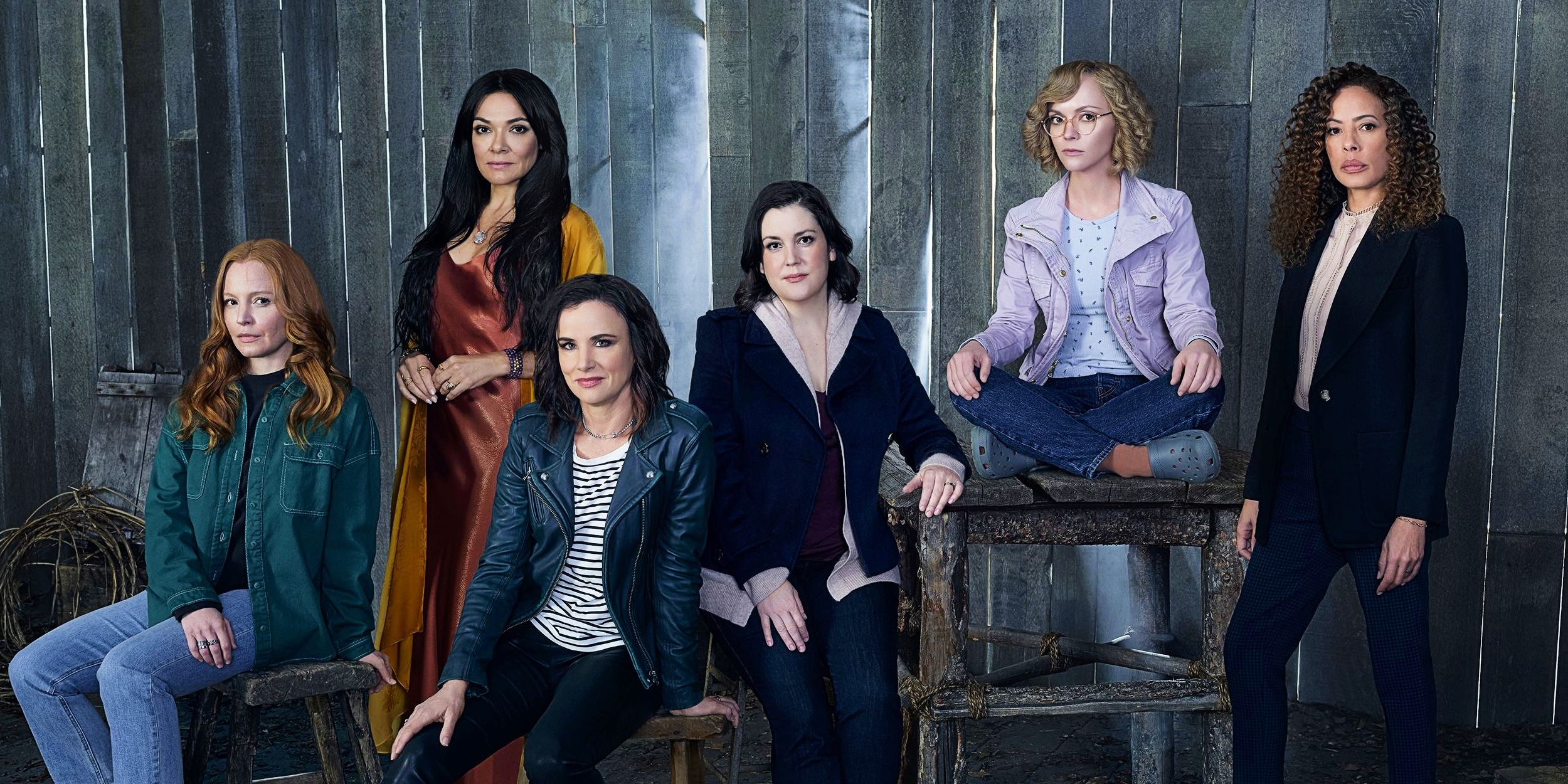
The adult version of Lottie Matthews in Showtime’s Yellowjackets represents a complex evolution from a traumatized teenager into a charismatic, enigmatic cult leader. Portrayed primarily by Simone Kessell, adult Lottie operates a wellness retreat in the Pacific Northwest while grappling with lingering hallucinations, past wilderness trauma, and the resurgence of her followers as dark secrets from their past catch up to them.
Introduction to Adult Lottie Matthews in Yellowjackets
When Showtime’s psychological thriller Yellowjackets introduces the adult timeline, the fate of the teenage survivors of the 1996 plane crash remains shrouded in mystery. Among them, Lottie Matthews—played in her youth by Courtney Eaton—was viewed by her peers as a spiritual seer, prophet, or mentally vulnerable catalyst for the group's descent into ritualistic survivalism. When adult Lottie enters the narrative prominently in the second season, the series shifts focus to how childhood trauma manifests in adulthood, framing her as both a healer seeking rehabilitation and a dangerous figure orchestrating a secretive commune.
Disambiguating Lottie’s role requires examining how her character bridges the gap between the isolated wilderness and modern society. While her followers view her as a wellness guru practicing holistic mental health and connection with nature, her former teammates recognize the underlying rituals and psychological conditioning that kept them alive in the snow. This duality forms the dramatic core of her character arc, driving tension across both the 1996 flashback sequences and the contemporary timeline.
Casting and Performance: Simone Kessell as Adult Lottie
The transition from Courtney Eaton’s teenage portrayal to Simone Kessell’s adult depiction required maintaining a seamless sense of identity, voice, and physical presence. Kessell brings an ethereal, grounded authority to the character, balancing outward serenity with underlying turbulence.
The Continuity Between Youth and Adulthood
Maintaining character consistency across a 25-year jump demanded careful coordination between Eaton and Kessell. Lottie’s characteristic calm, piercing gaze, and propensity for speaking in cryptic, prophetic utterances remain core traits in adulthood. However, Kessell infuses the character with a weary pragmatism. Adult Lottie is tired; she has spent decades trying to suppress the entity, voice, or psychological state she calls "it," attempting to channel her visions into a benign wellness framework rather than a survival cult.
Psychological Manifestations and Mental Health Themes
Lottie’s narrative arc heavily involves themes of mental illness, institutionalization, and the medicalization of spiritual experiences. In her youth, her severe schizophrenia-like symptoms—unmedicated due to the plane crash—were co-opted by starving teenagers into a functional belief system. As an adult, Lottie has cycled through psychiatric facilities and pharmaceutical treatments, battling the question of whether her visions represent supernatural phenomena or a lifelong neurological condition. Kessell portrays this internal friction with nuance, showing a woman constantly monitoring her own mind to prevent a relapse into the violent mysticism of her past.
The Purple Community: Wellness Retreat or Cult?
At the center of adult Lottie’s contemporary storyline is Camp Purple, her sprawling Pacific Northwest wellness retreat and commune. On the surface, the compound offers somatic therapy, foraging workshops, meditation, and quiet reflection for affluent seekers looking to disconnect from modern chaos.
Operational Structure and Belief Systems
The commune relies on communal living, sustainable agriculture, and intensive psychological exercises designed to strip away ego. Participants wear purple garments, reflecting Lottie's association with the color dating back to her youth, specifically her iconic winter coat and the purple-tinted elements of her wilderness visions. However, beneath the serene exterior lie subtle mechanisms of control:
- Information Isolation: Residents surrender their digital devices upon entry to foster focus.
- Hierarchical Dependency: Lottie acts as the unquestioned spiritual anchor, mediating personal breakthroughs and managing internal conflicts.
- Ritualistic Undercurrents: Group therapy sessions frequently utilize breathing exercises, sensory deprivation, and symbolic offerings that mirror the early stages of the wilderness clan.
Comparison of Lottie’s Leadership Styles
| Attribute | Wilderness Lottie (Teenager) | Adult Lottie (Retreat Founder) |
|---|---|---|
| Primary Motivation | Collective survival and appeasing unseen wilderness forces | Healing personal trauma and managing followers |
| Methods | Blood sacrifice, animal offerings, ecstatic trances | Meditation, somatic therapy, communal work |
| Perception by Peers | Feared, revered, and treated as an oracle | Viewed as a wise guru, though viewed with deep suspicion by survivors |
| Control Mechanism | Starvation, shared isolation, and escalating violence | Psychological dependency, isolation from society, and guilt |
The Reconnection of the Yellowjackets Survivors
The catalyst for the second season’s central conflict is the accidental reunion of the surviving adult Yellowjackets—including Shauna, Natalie, Taissa, and Van—at Lottie’s compound. Each survivor has handled the trauma differently: Shauna leads a domestic suburban life masking deep resentment, Taissa is an ambitious politician experiencing severe dissociative episodes, and Van runs a struggling retro video store while managing terminal illness.
Natalie’s Arrival and Confrontation
Natalie’s introduction to the compound—initially brought in against her will or through a labyrinth of private security—forces a confrontation between past and present. Juliette Lewis (and later Sophie Thatcher in flashbacks) portrays adult Natalie as hardened, cynical, and deeply skeptical of Lottie’s rehabilitation. Natalie recognizes that beneath the soothing incense and herbal teas, Lottie’s compound operates on the same foundational principle that governed the wilderness: the belief that pain must be shared, externalized, and sacrificed to a greater force.
The Return of the Wilderness Conditioning
As the survivors spend time at the retreat, the psychological barriers they erected over 25 years begin to fracture. Lottie attempts to facilitate closure, suggesting that the group must complete a ritual to finally put the ghosts of 1996 to rest. This dynamic explores how deeply ingrained trauma bonds persist across decades. The adult characters find themselves sliding back into old hierarchies, demonstrating that escaping the physical wilderness did not free them from its psychological architecture.
Critical Reception and Cultural Impact
The portrayal of adult Lottie Matthews has garnered significant attention from television critics and fans alike, establishing Yellowjackets as a standout entry in contemporary psychological horror.
Subversion of the "Evil Cult Leader" Trope
Critics have praised the writers for avoiding a simplistic villain archetype in adult Lottie. Rather than presenting her as a cartoonish cult leader relishing in manipulation, the series paints her as a tragic figure who genuinely believes she is helping people while struggling to keep her own mind intact. Kessell’s performance humanizes a character who could easily have been written off as purely malevolent, inviting viewers to question the boundary between legitimate mental health healing and alternative spiritual exploitation.
Representation of Trauma and Memory
The character serves as a narrative exploration of collective trauma and survivor's guilt. Lottie’s followers and former teammates project their deepest insecurities and desires onto her. For the audience, she functions as a mirror reflecting how societies construct meaning out of chaos, and how easily desperate individuals submit to charismatic figures who promise certainty in an uncertain world.
Frequently Asked Questions About Adult Lottie Yellowjackets
Who plays adult Lottie Matthews in Yellowjackets?
Adult Lottie Matthews is primarily portrayed by New Zealand actress Simone Kessell. In the flashback sequences depicting her teenage years in the wilderness, the character is played by Courtney Eaton.
Is Lottie’s retreat a cult?
While structured as a holistic wellness and nature retreat on the surface, the compound exhibits classic characteristics of a high-control group or cult. It features charismatic leadership, enforced isolation from the outside world, specialized vocabulary, and psychological exercises that draw directly from the survival rituals of the 1996 plane crash survivors.
What happened to Lottie between the wilderness and adulthood?
The narrative reveals that after the survivors were rescued, Lottie spent time in various psychiatric facilities and institutions. She underwent intensive medical treatments, including electroconvulsive therapy and heavy pharmaceutical regimens, before eventually stepping away from traditional medical systems to establish her holistic retreat.
Why is the color purple so significant to Lottie?
The color purple traces back to Lottie's youth. She frequently wore a purple winter coat in the wilderness, and the color became symbolically linked to her visions, prophetic episodes, and the internal aesthetic of her subsequent spiritual movements, carrying over into the purple garments worn by her retreat followers.
Does adult Lottie still experience hallucinations?
Yes. Despite her attempts to manage her mental health through meditation, nature, and community leadership, adult Lottie continues to experience auditory and visual hallucinations, including visions of the antlered figure and forest entities that haunted her during her time stranded in the wilderness.
Conclusion and Next Actions
Examining adult Lottie Matthews provides a window into the broader thematic exploration of Yellowjackets: the inescapable weight of unaddressed trauma. For viewers exploring the series, analyzing Lottie’s arc highlights how childhood survival mechanisms adapt, mutate, and persist into adult life. To deepen your understanding of the show's complex mythology, rewatch the foundational episodes of Season 2 focusing on the psychological dynamics between Lottie and her returning teammates, noting how subtle environmental cues and dialogue choices bridge the two decades.