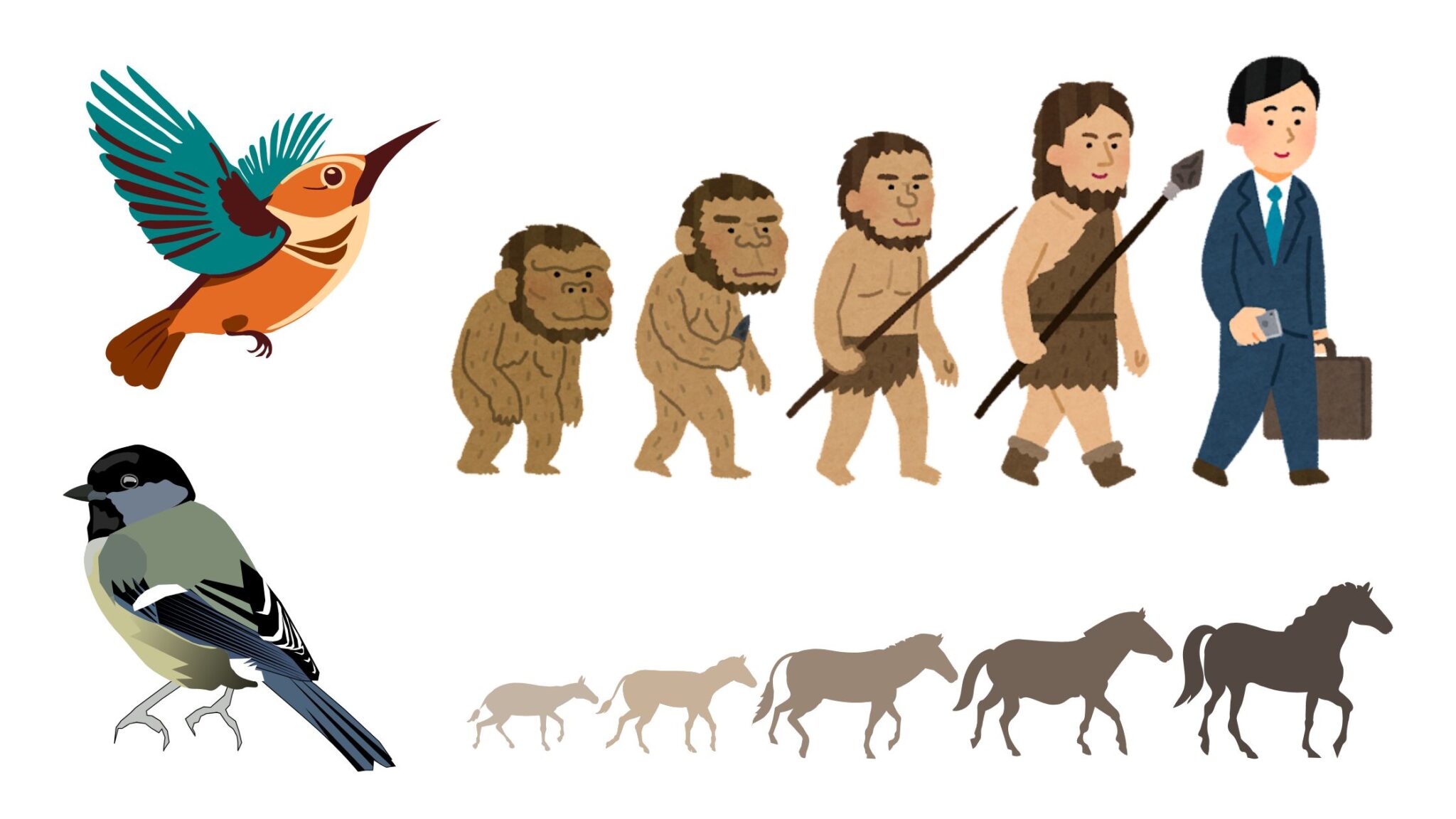
In evolutionary biology, an adaptation is a genetically inherited trait—structural, physiological, or behavioral—that enhances an organism's ability to survive and reproduce in its specific environment. Shaped across generations through natural selection, adaptations improve evolutionary fitness, enabling species to persist within changing habitats and ecological niches.
The Scientific Definition of Biological Adaptation
At its core, adaptation refers both to the evolutionary process by which a population becomes better suited to its habitat and to the specific inherited feature that confers a survival or reproductive advantage. In biological terms, an adaptation is not a conscious choice made by an individual, nor is it a rapid adjustment during an organism's lifespan. Instead, it is a population-level alteration in genetic makeup over successive generations.
The modern understanding of adaptation relies on the concept of evolutionary fitness. Fitness does not simply mean physical strength or speed; rather, it measures an organism's relative success at passing its genetic material on to the next generation. A trait is considered an adaptation if it directly or indirectly increases an organism's relative fitness under prevailing environmental conditions.
The foundation of adaptive theory was laid by Charles Darwin and Alfred Russel Wallace in the 19th century through their formulation of evolution by natural selection. Modern evolutionary synthesis has since integrated genetics, molecular biology, and population ecology into this framework. Today, biologists recognize that adaptive traits emerge from variations in DNA sequences, which alter phenotypic traits—the observable physical, metabolic, or behavioral characteristics of an organism.
How Adaptations Evolve: The Role of Natural Selection
Biological adaptation is driven by the interaction between genetic variation within a population and external selection pressures from the environment. This multi-step process unfolds across four primary stages:
- Genetic Mutation & Recombination
- Environmental Selection Pressures
- Differential Reproductive Success
- Transgenerational Population Shift
1. Genetic Mutation and Variation
Every biological population possesses natural genetic diversity. This variation arises primarily through random DNA mutations, chromosomal rearrangements, and genetic recombination during sexual reproduction. Most mutations are neutral or harmful, but occasionally a novel genetic variant produces a phenotypic trait that provides a slight performance edge in a specific environment.
2. Environmental Selection Pressures
Organisms face constant biotic and abiotic challenges. Biotic pressures include competition for food, predation, disease, and mate selection. Abiotic pressures include temperature fluctuations, water availability, sunlight exposure, soil chemistry, and altitude. These factors determine which individuals face higher mortality or reduced fertility.
3. Differential Reproductive Success
Individuals carrying traits that help them overcome local environmental challenges are more likely to survive to reproductive maturity. Consequently, they reproduce more successfully than individuals lacking those advantageous traits. This phenomenon is known as differential reproduction.
4. Transgenerational Inheritance and Allele Shift
Because adaptive traits have a genetic basis, successful individuals pass the underlying genes (alleles) to their offspring. Over generations, the frequency of these advantageous alleles increases within the gene pool, while less beneficial alleles decrease. Eventually, the trait becomes characteristic of the entire population or species.
The Three Major Categories of Biological Adaptations
Biologists classify adaptations into three primary categories based on how the trait manifests: structural (morphological), physiological (functional), and behavioral. Many organisms rely on an integrated combination of all three to thrive in demanding environments.
- Major Categories of Adaptation
- Structural (Physical Form)
- Physiological (Internal Functions)
- Behavioral (Action Patterns)
1. Structural (Morphological) Adaptations
Structural adaptations are physical features of an organism's anatomy, shape, color, or body structure that have evolved to fulfill specific functional roles.
Camouflage and Cryptic Coloration
Camouflage is a structural adaptation that helps an organism blend into its surroundings to hide from predators or sneak up on prey. A classic example is the peppered moth (Biston betularia). During the Industrial Revolution in England, dark-colored (melanic) variants of the moth became more common in polluted areas because soot-blackened tree bark concealed them from predatory birds. As pollution control measures improved, lighter variants regained their selective advantage—a visible demonstration of adaptive shift in response to environmental change.
Similarly, the Arctic fox (Vulpes lagopus) exhibits seasonal camouflage, growing a thick white coat in winter to blend with snow and ice, and shedding it for a brown-gray coat in summer to match tundra rocks and vegetation.
Specialized Feeding Structures
Morphological variations in body appendages often reflect specific dietary niches. Darwin's finches across the Galápagos Archipelago provide a clear example. Species adapted to cracking hard seeds developed deep, heavy beaks, whereas species feeding on insects or nectar developed long, slender beaks. Research archived by the National Center for Biotechnology Information demonstrates how specific gene pathways, such as Bmp4 and CaM, control these beak variations.
Plant Structural Features
Plants in arid climates, known as xerophytes, demonstrate extreme morphological adaptations. Cacti (Cactaceae) have modified their leaves into sharp spines. This modification reduces the surface area through which water can evaporate via transpiration, while simultaneously protecting stored stem water from herbivores.
2. Physiological (Functional) Adaptations
Physiological adaptations involve internal biological processes, biochemical reactions, cellular mechanisms, and organ-system functions that help an organism maintain internal balance (homeostasis) and survive in its habitat.
Water Conservation in Desert Mammals
The kangaroo rat (Dipodomys) of North American deserts survives without ever drinking free water. Its physiological adaptations include extraordinarily long loops of Henle within its kidney nephrons. These elongated structures allow the kidney to reabsorb almost all water from urine, producing highly concentrated waste. Furthermore, kangaroo rats derive metabolic water purely as a byproduct of breaking down dry seeds during cellular respiration.
- Dry Seed Consumption
- Cellular Oxidation
- Metabolic Water Yield
- Highly Concentrated Urine
- Minimal Water Loss
Venom and Chemical Defenses
Chemical production for offense or defense represents another physiological adaptation. Venomous snakes, such as the inland taipan (Oxyuranus microlepidotus), synthesize complex proteins and enzymes in specialized glands. These chemicals rapidly disrupt the nervous system or blood clotting of prey, allowing the snake to neutralize targets without risking injury during a physical struggle.
Extremophile Biochemistry
Microorganisms living in extreme environments have evolved unique enzymatic adaptations. Thermophilic bacteria, such as Thermus aquaticus, thrive in boiling hydrothermal vents because their proteins and enzymes (like Taq polymerase) remain stable and functional at temperatures that decompose typical biological molecules.
3. Behavioral Adaptations
Behavioral adaptations are inherited actions, movement patterns, timing strategies, or social interactions that increase an organism's survival and reproductive prospects.
Seasonal Migration
Migration is a behavioral adaptation that enables animals to avoid seasonal resource shortages or harsh weather conditions. The monarch butterfly (Danaus plexippus) completes a multi-generational migration of thousands of miles between North America and overwintering sites in central Mexico. This instinctual navigation relies on a genetically encoded solar compass and circadian clock system.
Nocturnal Activity Cycles
To survive extreme heat and moisture loss, many desert species exhibit nocturnal or crepuscular (dawn/dusk) behavior. Desert tortoises (Gopherus agassizii) and various snake species remain underground in cool burrows during peak daylight hours, emerging to forage only when ambient temperatures drop at night.
Cooperative Living and Social Structures
Social organisms display complex behavioral adaptations that enhance group survival. Meerkats (Suricata suricatta) employ coordinated sentinel behavior: while the group forages for food, individual sentinels take turns standing on elevated mounds to watch for aerial and terrestrial predators, alerting the group with distinct warning calls.
Comparative Analysis of Adaptation Categories
The table below summarizes the key differences, mechanisms, and real-world examples across all three categories of biological adaptation:
| Adaptation Type | Primary Focus | Key Mechanism | Real-World Example | Primary Benefit |
|---|---|---|---|---|
| Structural | Physical anatomy and appearance | Genetic control of tissue growth, pigmentation, and body shape | Spines on cacti; white winter fur of Arctic foxes | Camouflage, defense, moisture preservation |
| Physiological | Internal chemistry and organ function | Gene expression governing enzymes, hormones, and metabolic pathways | Elongated loops of Henle in kangaroo rat kidneys | Water conservation, toxin neutralisation, temperature endurance |
| Behavioral | Actions, movements, and timing | Instinctual neural patterns and responses to environmental cues | Monarch butterfly migration; nocturnal foraging in desert reptiles | Avoiding environmental extremes, securing food, predator avoidance |
Adaptation vs. Acclimatization: Key Distinctions
A common point of confusion in biology is the difference between biological adaptation and individual acclimatization (or acclimation). While both help organisms cope with environmental demands, their underlying mechanisms, timeframes, and heritability are entirely different.
| Adaptation (Evolutionary) | Acclimatization (Individual) |
|---|---|
| • Genetic change in population | • Physiological shift in individual |
| • Heritable across generations | • Non-heritable |
| • Permanent for the organism | • Reversible when conditions change |
| • Occurs over long timeframes | • Occurs over days, weeks, or months |
Phenotypic Plasticity
Acclimatization is made possible by phenotypic plasticity—the genetically determined capacity of a single genome to express different traits under varying environmental conditions. For instance, the ability of a human body to produce more red blood cells at high altitudes is a plastic physiological response (acclimatization). However, the underlying genetic architecture that enables this physiological flexibility is itself an evolutionary adaptation.
For comprehensive biological research on high-altitude metabolic adaptations in human populations over millennia, refer to studies published by the Proceedings of the National Academy of Sciences.
Advanced Evolutionary Concepts: Co-Adaptation and Exaptation
Biological adaptation is rarely an isolated event. Species interact continuously, leading to complex evolutionary patterns:
Co-Evolution and Mutual Adaptations
When two or more species strongly influence each other's evolution, they undergo co-evolution. This often results in co-adaptation, where traits in one species evolve in response to traits in another.
A famous example involves Darwin's orchid (Angraecum sesquipedale) of Madagascar, which possesses a nectar spur over 30 centimeters long. Darwin predicted that an insect with a matching proboscis must exist to pollinate it. Decades later, scientists confirmed the existence of Morgan's sphinx moth (Xanthopan morganii praedicta), which features an elongated tongue tailored to reach the orchid's deep nectar store.
- Plant: Deepens Nectar Spur
- Co-Evolutionary Pressure
- Pollinator: Lengthens Proboscis
Evolutionary Arms Races and Mimicry
Co-adaptation can also take competitive forms, such as predator-prey "arms races." Prey species evolve defense mechanisms (such as toxins), while predators evolve mechanisms to bypass those defenses (such as metabolic immunity).
This dynamic often leads to mimicry:
- Batesian Mimicry: A harmless species evolves to mimic the warning signals of a toxic species to deter predators (e.g., harmless hoverflies matching the yellow-and-black stripes of stinging wasps).
- Müllerian Mimicry: Multiple unpalatable or dangerous species evolve similar warning signals to reinforce predator avoidance learning across a shared ecosystem (e.g., various species of Heliconius butterflies sharing wing patterns).
Exaptations: Traits Recycled by Evolution
Not all current functions of a trait reflect its original evolutionary purpose. An exaptation occurs when a feature that originally evolved for one function is co-opted over time for an entirely new purpose.
- Feather Evolution: Fossil records demonstrate that early non-avian dinosaurs possessed primitive feathers long before powered flight evolved. These early structures functioned primarily for thermal insulation and display. Later in avian lineage history, these structures were co-opted for flight, illustrating how structural features can acquire novel adaptive utility.
Frequently Asked Questions
Can an individual organism adapt during its lifetime?
No. Individual organisms do not undergo evolutionary biological adaptation within their lifetime. Individuals can acclimatize or adjust physiologically to short-term environmental changes, but true biological adaptations are genetic alterations that occur across populations over multiple generations through differential reproductive success.
How do mutations create new adaptations if most mutations are harmful?
While the majority of random DNA mutations are neutral or deleterious, the rare mutations that confer even a minor survival advantage are selectively preserved by natural selection. Over thousands of generations, these advantageous mutations accumulate within the gene pool, gradually refining and developing complex adaptive traits.
Are all physical features of an organism considered adaptations?
No. Some features are evolutionary spandrels (byproducts of other adaptive changes), genetic drift artifacts, or vestigial structures—remnants of traits that were adaptive in ancestors but have lost their original function (such as the pelvic bones in modern whales). A trait is only an adaptation if it currently enhances evolutionary fitness.
What happens when an environment changes faster than a species can adapt?
If environmental shifts (such as rapid climate change or habitat destruction) occur faster than a population's reproductive rate can generate and select for adaptive traits, the population faces severe decline or extinction. This vulnerability is especially high in species with long generation times or low genetic diversity.
What is the difference between Batesian and Müllerian mimicry?
In Batesian mimicry, a harmless or palatable species imitates a harmful or toxic species to avoid predation. In Müllerian mimicry, two or more dangerous or unpalatable species share similar protective signals, which benefits both species by reinforcing predator avoidance behavior across their shared habitat.
Practical Applications and Key Takeaways
Understanding biological adaptation is critical for modern science beyond classical natural history. Its principles actively shape several modern fields:
- Conservation Biology: Tracking whether threatened species possess sufficient genetic diversity to adapt to changing ecosystems.
- Medicine and Public Health: Managing antibiotic resistance in bacteria—a real-time example of rapid natural selection where bacterial populations adapt to survive drug treatments.
- Agriculture: Breeding crop varieties with physiological adaptations for drought resistance, heat tolerance, and pest resistance to safeguard food supplies.
To analyze an adaptation in any organism, evaluate three key factors: identify the environmental pressure, determine the inherited mechanism (structural, physiological, or behavioral), and measure the resulting increase in reproductive fitness.