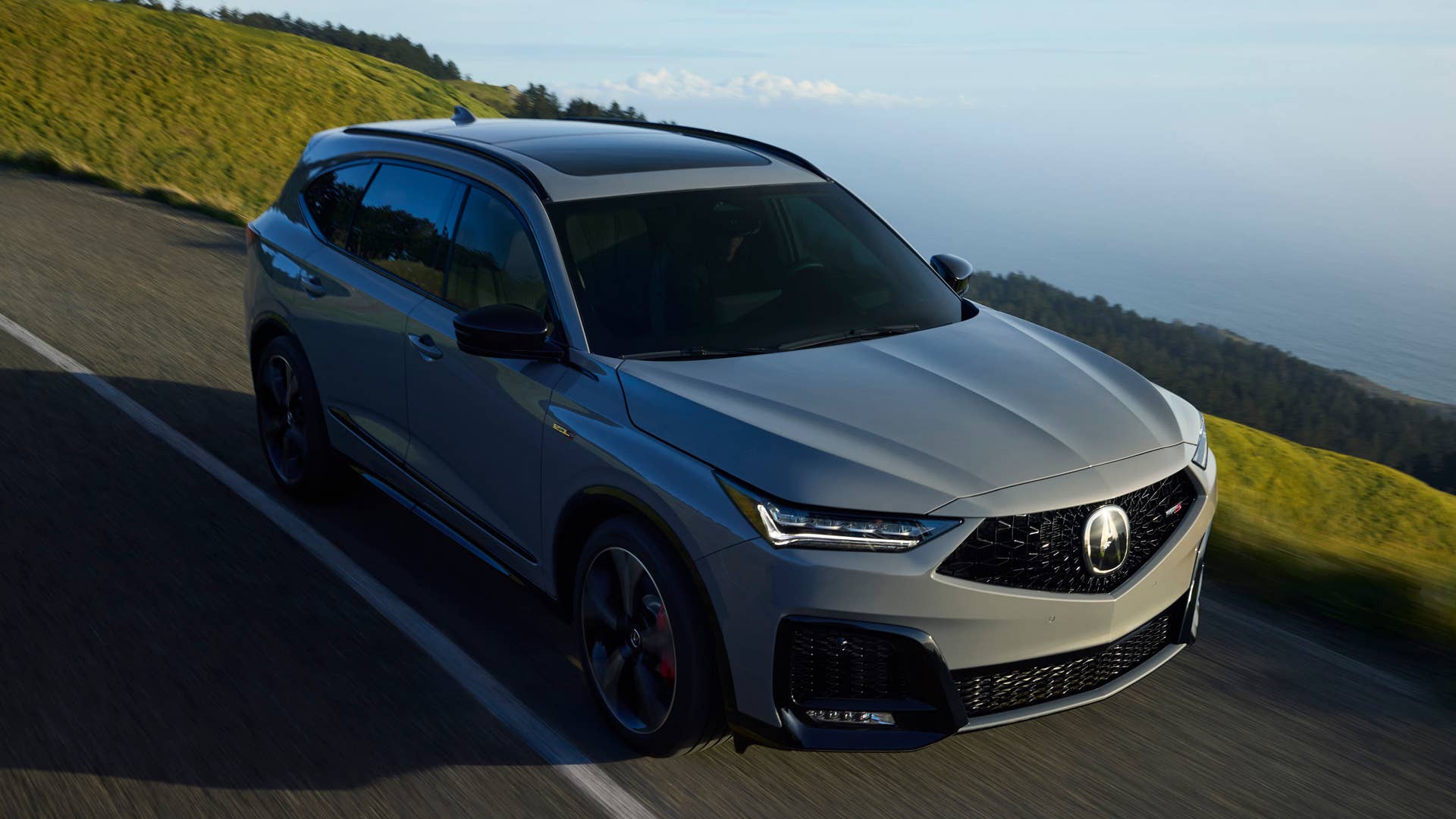
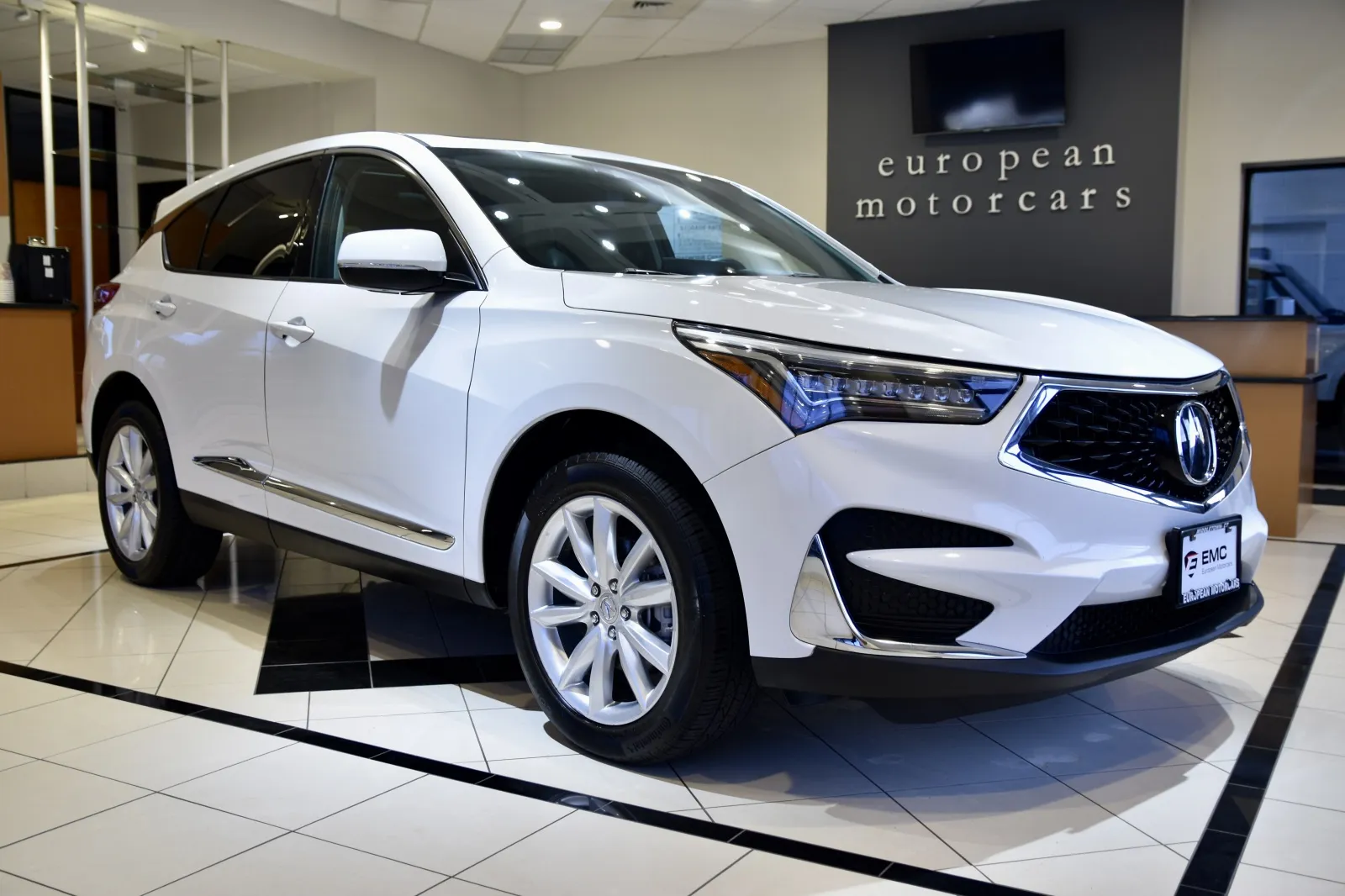
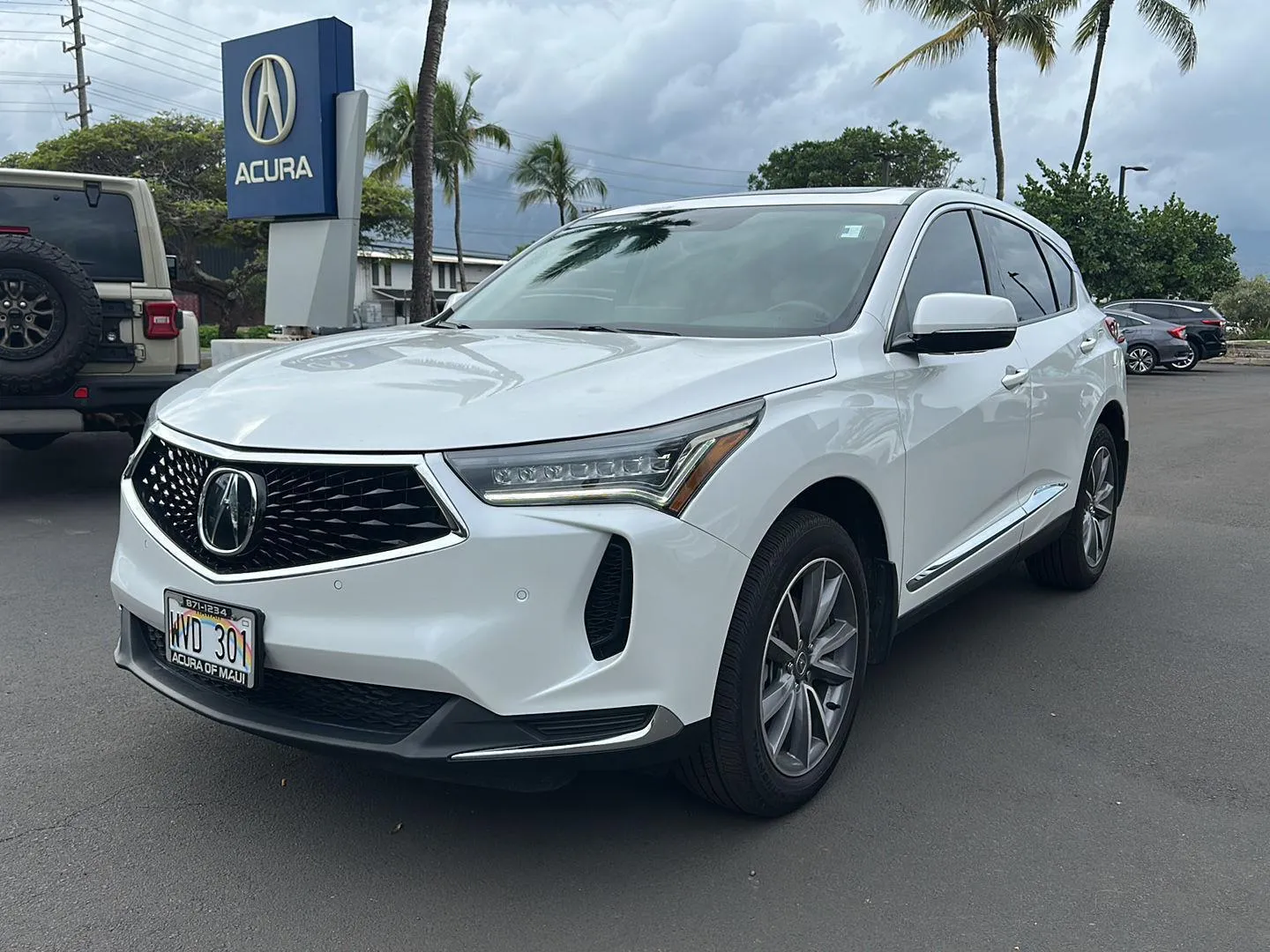
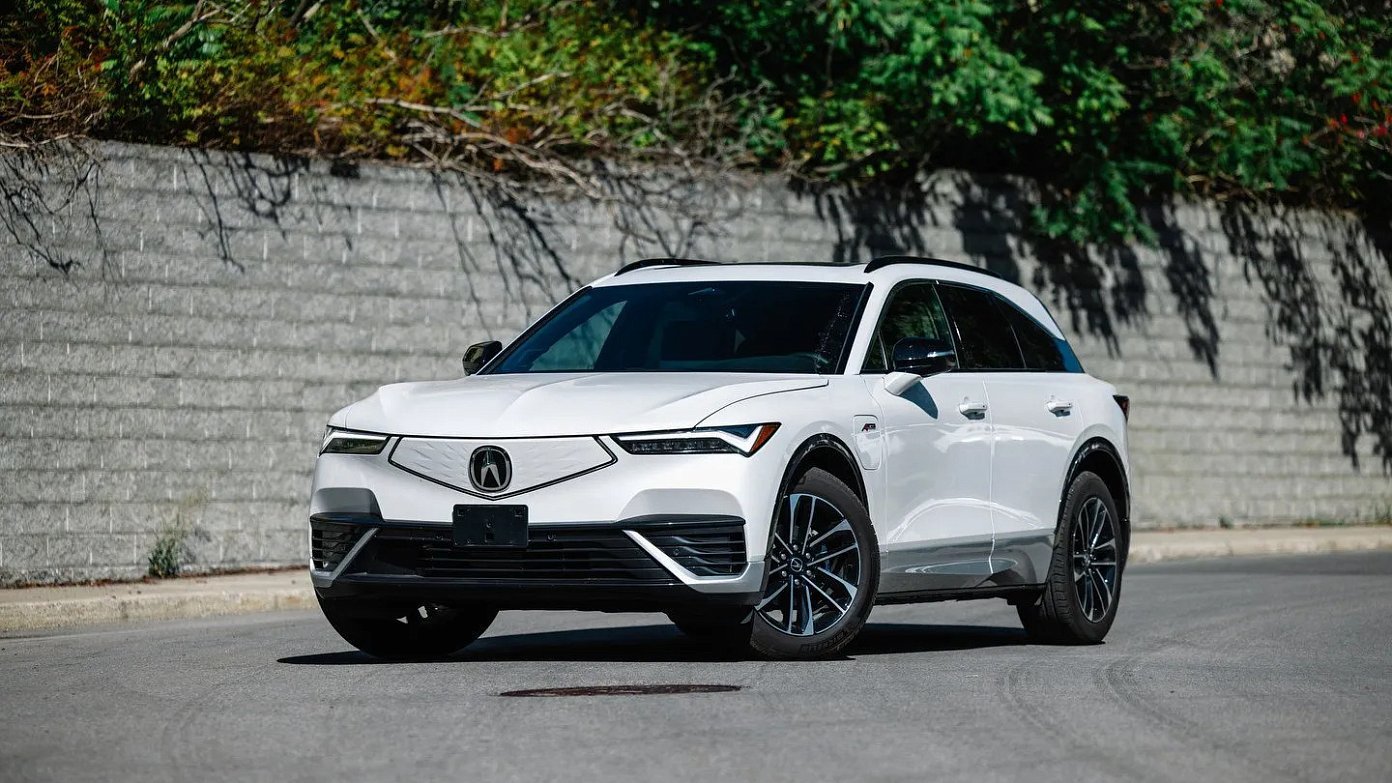
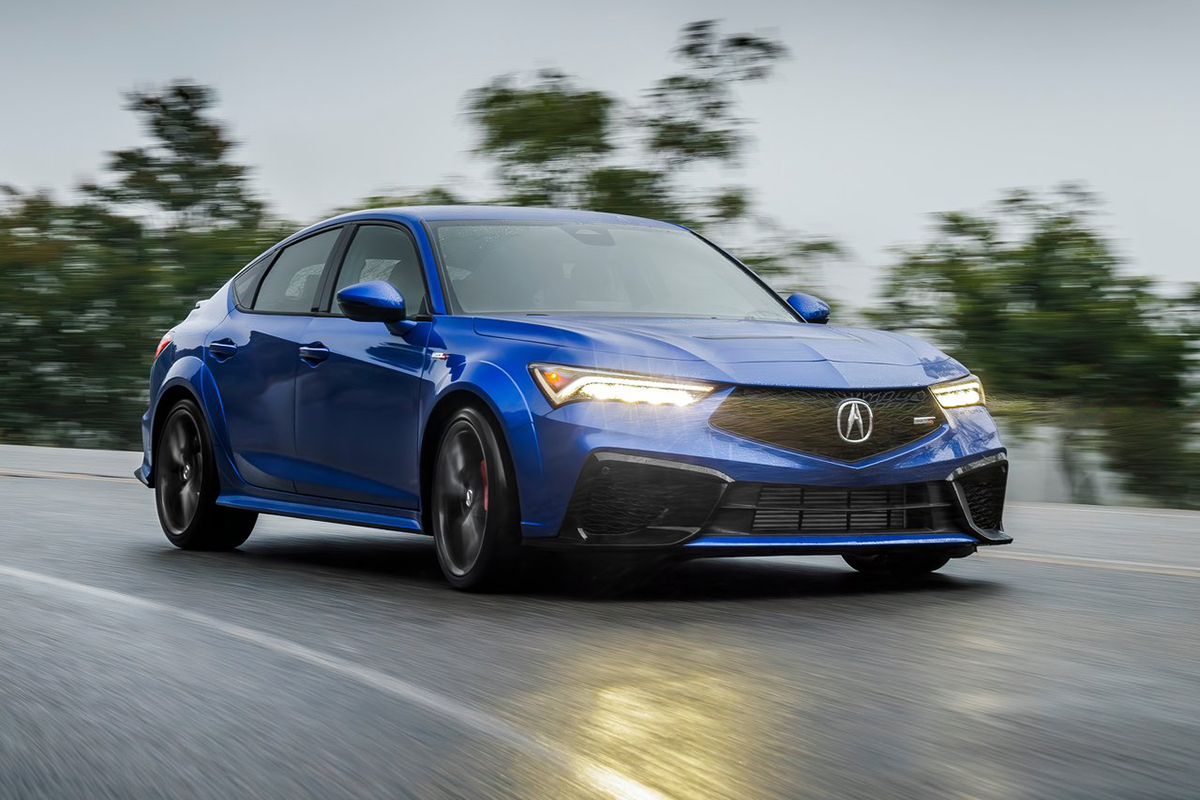
As of 2026, Acura does not maintain an official retail presence or a factory-backed dealership network in Europe. While its parent company, Honda, operates extensively across the continent, Acura remains a brand primarily focused on North America. Prospective owners must rely on independent "grey market" importers to acquire these luxury vehicles.
The absence of Acura from the European market has long been a point of discussion for automotive enthusiasts. While brands like Lexus and Infiniti (the luxury arms of Toyota and Nissan, respectively) made concerted efforts to penetrate the European luxury segment, Honda has consistently chosen to keep the Acura marque restricted to North America, Mexico, and selective markets in China and the Middle East. In 2026, this strategic boundary remains firm, as Honda prioritizes its European resources toward the "e:Progress" electrification strategy and a streamlined lineup of hybrid and battery-electric vehicles (BEVs) under the core Honda badge.
The Strategic Absence: Why Acura Isn't in Europe
To understand why you cannot walk into an Acura showroom in Berlin, Paris, or London, one must analyze the unique structure of the European automotive market. The "Premium Three"—Audi, BMW, and Mercedes-Benz—command an overwhelming market share that is difficult for newcomers to disrupt.
Market Saturation and Brand Identity
Europe is the birthplace of the modern luxury automobile. The competition is not merely about build quality or leather stitching; it is about heritage, diesel (historically) and hybrid performance, and a vast network of service centers. For Acura to enter Europe, Honda would need to invest billions in a separate logistics chain, marketing, and physical real estate.
Lexus, which has been in Europe for decades, still captures only a fraction of the market share held by BMW or Audi. Honda’s leadership has historically determined that the return on investment (ROI) for establishing Acura in Europe does not justify the risk, especially when the European market has become increasingly focused on strict fleet emissions targets that favor the small-to-midsize cars Honda is already known for.
Regulatory and Emissions Hurdles
In 2026, European emissions standards (Euro 7) and the transition toward carbon neutrality present significant barriers. Acura’s lineup is largely designed for the North American palate, featuring larger displacement engines like the 3.0L Turbo V6 found in Type S models or the 3.5L V6 in the MDX. While these are excellent for American highways, they face heavy taxation in many European countries based on CO2 output. Furthermore, the technical requirements for WLTP (Worldwide Harmonized Light Vehicles Test Procedure) testing mean that every Acura model would need to undergo expensive re-certification for the European market.
The Importation Process: Bringing an Acura to Europe
Because there is no official distribution, the only way to own a 2026 Acura Integra, TLX, RDX, or MDX in Europe is through independent importation. This is often referred to as "Grey Market" importing. This process is complex, involving logistics, legal compliance, and technical modifications.
Sourcing and Shipping
Most European owners source their Acuras from the United States or Canada. Once a vehicle is purchased, it must be transported to a port (such as Newark, Savannah, or Houston) and shipped via RORO (Roll-on/Roll-off) or container shipping. Major European ports of entry include Bremerhaven (Germany), Antwerp (Belgium), and Southampton (UK).
Customs, Duties, and VAT
The financial burden of importing an Acura is substantial. In 2026, the standard European Union customs duty for passenger cars is 10%. On top of this, you must pay Value Added Tax (VAT), which varies by country:
- Germany: 19%
- France: 20%
- Italy: 22%
- Netherlands: 21%
Importantly, VAT is calculated on the total value of the car plus the shipping costs and the 10% duty, leading to a "tax on tax" effect that can increase the final price by 30-40% over the US MSRP.
Homologation and Technical Modifications
European road safety standards differ from US Federal Motor Vehicle Safety Standards (FMVSS). To be road-legal in Europe, an Acura must undergo "Individual Vehicle Approval" (IVA) or a similar national certification (like the TÜV Vollgutachten in Germany). Required modifications typically include:
- Lighting: North American cars often have red rear turn signals. Europe requires amber (orange) indicators. This often necessitates custom wiring and new LED modules.
- Rear Fog Light: Most US-spec Acuras do not have a rear fog light, which is mandatory in Europe. An external switch and light must be integrated.
- Side Mirrors: In some jurisdictions, the curvature of the glass in the side mirrors must be replaced to meet European visibility requirements.
- Speedometer: While modern Acuras have digital displays that can switch between MPH and KM/H, some older or base-spec analog gauges might require physical overlays.
Technical Support and Maintenance in 2026
One of the greatest challenges of Acura ownership in Europe is long-term maintenance. While Acuras share many mechanical components with Honda models, they are far from identical.
Parts Availability
Common wear-and-tear items like oil filters, brake pads, and spark plugs are often interchangeable with Honda parts (e.g., an Acura RDX shares many components with the Honda CR-V). However, body panels, specific interior trim, and Acura-exclusive electronics (like the True Touchpad Interface or specific ELS Studio audio components) must be ordered from North America. This leads to longer repair times and higher shipping costs.
Diagnostic Systems and Software
Acuras use Honda’s diagnostic software (HDS), but European Honda dealers may not have the specific software patches or databases for US-only Acura models. Furthermore, the telematics systems—AcuraLink—rely on North American cellular providers (like AT&T). In Europe, the "SOS" buttons, remote start via app, and built-in Wi-Fi hotspots generally will not function. Navigation systems also require European map data, which can be difficult to sideload into Acura’s proprietary infotainment systems.
The EV Challenge: Acura ZDX in Europe
For the 2026 Acura ZDX (Acura’s fully electric SUV), importation is even more complex. The ZDX uses the General Motors Ultium platform. In North America, it uses the NACS (Tesla-style) or CCS1 charging port. Europe uses the CCS2 standard. An imported ZDX would require heavy-duty adapters or a complete port swap to use European public fast-charging networks like Ionity or EnBW.
Comparison of Acura Models vs. European Alternatives (2026)
If you are considering importing an Acura, it is helpful to see how they stack up against the vehicles officially available in the European market.
| Acura Model (US Spec) | Closest European Equivalent | Key Advantage of Acura | Major Hurdle in Europe |
|---|---|---|---|
| Integra / Type S | Honda Civic Type R / BMW 2 Series | Premium interior with a manual transmission option. | High VAT makes it more expensive than a local Type R. |
| TLX / Type S | Audi A4 / BMW 3 Series | Striking design and SH-AWD (Super Handling All-Wheel Drive). | Lacks the diesel or plug-in hybrid (PHEV) options Europeans prefer. |
| RDX | BMW X3 / Volvo XC60 | High reliability and mechanical simplicity compared to Euro rivals. | Infotainment is tuned for US English and US radio frequencies. |
| MDX | Lexus RX / Audi Q7 | Superior 3rd-row packaging and "Super Handling" AWD. | Massive size can be difficult for narrow European city streets. |
| ZDX (Electric) | Audi Q8 e-tron / BMW iX | Unique styling and North American luxury "vibe." | Charging port incompatibility (CCS1 vs CCS2). |
Insurance and Resale Value
Insuring an Acura in Europe can be difficult. Because the car does not exist in standard European insurance databases (like the "Typklasse" system in Germany), insurers often treat it as a "specialist" or "exotic" vehicle. This can lead to significantly higher premiums.
Resale value is a double-edged sword. On one hand, an Acura is a rarity and may attract a niche collector or an enthusiast of Japanese "JDM-plus" culture. On the other hand, the average European buyer is wary of vehicles with no official dealer support, which can make the car harder to sell compared to a mainstream BMW or Mercedes.
Expert Guidance: Is It Worth It?
Owning an Acura in Europe in 2026 is a statement of individuality. It is for the driver who appreciates Honda’s engineering but wants the exclusivity and "upmarket" feel that the standard European Honda lineup lacks.
If you decide to proceed, the most practical route is to work with a dedicated "US Car" specialist. These firms, found frequently in Germany, Sweden, and the Netherlands, handle everything from the initial purchase in the US to the final "homologated" registration in your home country. They have the expertise to modify the wiring looms and software to ensure the car passes local inspections.
Frequently Asked Questions
Can I service my Acura at a European Honda dealership?
Yes and no. Most Honda technicians will be able to perform basic mechanical work (oil changes, suspension, brakes) because the underlying architecture is similar to Honda's global platforms. However, they will likely refuse warranty work, and they may not be able to perform complex electronic diagnostics or software updates for Acura-specific systems.
Does the Acura factory warranty apply in Europe?
No. Acura warranties are region-specific. Once the car is exported from North America, the factory warranty is typically voided. You should consider purchasing a third-party "import warranty" from a specialist provider to cover major mechanical failures.
Will the Acura "SH-AWD" system work properly on European roads?
Absolutely. Acura’s Super Handling All-Wheel Drive is a mechanical/electronic system that operates independently of GPS or regional settings. It is actually highly suited for the wet and winding roads of Northern and Central Europe, providing excellent torque vectoring and stability.
Are there any Acura models sold under the Honda brand in Europe?
Historically, this happened often (e.g., the Acura TSX was the Honda Accord in Europe). However, in 2026, the lineups have diverged. The current Acura TLX and MDX have no direct Honda-branded twins in Europe. The Acura Integra is closely related to the Honda Civic, but the bodywork and interior are unique to the Acura brand.
How do I update the navigation maps to Europe?
This is one of the most common frustrations. Most owners find it impossible to load European maps into the factory Acura navigation system. In 2026, the standard solution is to use Apple CarPlay or Android Auto, which bypasses the car's native software and uses your smartphone’s data and European maps.
Final Recommendation
If you are looking for a luxury vehicle with a seamless ownership experience, you are better served by purchasing a Lexus or a high-trim Honda already available in the European market. However, if you are a dedicated enthusiast who values the specific performance tuning of the Acura Type S line or the unique aesthetic of the MDX, importing is a viable, albeit expensive, path. Ensure you have a budget surplus of at least 40% above the US purchase price to cover taxes, shipping, and homologation, and identify a specialist mechanic who is comfortable working on North American imports before you sign the papers.