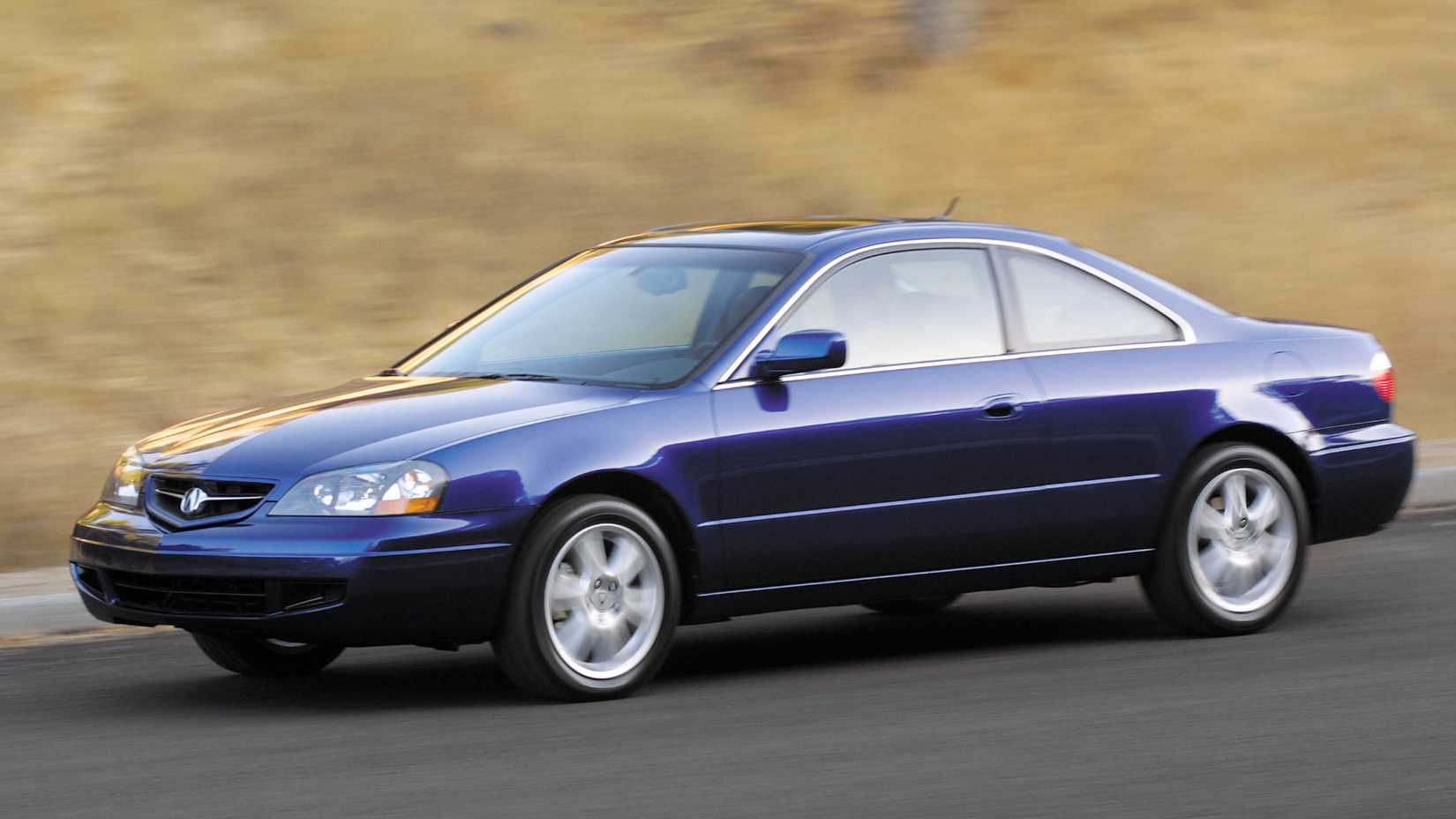
Modifying an Acura CL involves optimizing its J-series V6 engine, upgrading the suspension to handle its front-heavy weight distribution, and addressing the notorious reliability issues of its early automatic transmissions. For enthusiasts in 2026, a modified Acura CL represents a sophisticated blend of Japanese luxury and high-displacement tuning potential, often requiring a mix of vintage OEM parts and modern aftermarket fabrication.
Understanding the Platform: Generations and Potential
The Acura CL was produced in two distinct generations, each offering a different foundation for modification. By 2026, these vehicles have transitioned from used commuters to legitimate modern classics, particularly the second-generation Type-S models.
First Generation (1997–1999)
The first-generation CL (YA1, YA2, YA3) shared much of its underpinnings with the fifth-generation Honda Accord. While the 2.2L and 2.3L four-cylinder models are fuel-efficient, the 3.0L V6 (J30A1) is the preferred starting point for tuners. These cars are lighter than their successors but feature a more conservative design. Modifications often focus on "sleeper" builds, utilizing the vast interchangeability of parts with the Honda Accord platform.
Second Generation (2001–2003)
The second-generation CL (YA4) is the primary focus of the tuning community today. Built on the Acura TL chassis, it introduced the high-output J32A2 engine in the Type-S trim. This engine produced 260 horsepower from the factory and featured a more aggressive camshaft profile and a dual-stage induction system. The 2003 model year is particularly coveted because it offered a legitimate 6-speed manual transmission with a limited-slip differential (LSD), a rare configuration that remains the "holy grail" for Acura collectors in 2026.
Performance Modifications: Unleashing the J-Series
The heart of any modified Acura CL is the J-series V6. Known for its reliability and torque, the J-series responds exceptionally well to breathing modifications.
Induction and Exhaust
To increase power, the first step is typically a Cold Air Intake (CAI) and a larger throttle body. Many owners swap the intake manifold from the Acura MDX or the later-model TL Type-S to improve airflow.
- J-Pipes: Replacing the factory "J-pipe" (the section where the two cylinder banks merge) is the most significant bolt-on exhaust modification. High-quality aftermarket J-pipes eliminate restrictive catalytic converters and optimize exhaust scavenging, often yielding 15-20 wheel horsepower.
- Cat-Back Systems: A 2.5-inch to 3-inch exhaust system is necessary to support high-RPM flow, though care must be taken to manage the J-series' tendency toward high-pitched "rasp."
Engine Management
By 2026, standalone and piggyback ECUs have become more accessible. While the factory ECU is difficult to reflash, solutions like the AEM Series 2 or custom Hondata setups (requiring harness conversions) allow for precise tuning of fuel maps and VTEC engagement points. Lowering the VTEC crossover to approximately 4,800 RPM can help smoothen the powerband, provided the airflow mods can support it.
Forced Induction
For those seeking over 400 horsepower, forced induction is required.
- Supercharging: The Comptech (CT Engineering) supercharger kit was the gold standard for the CL. While out of production, refurbished units are highly sought after. They provide linear power delivery that suits the luxury-coupe persona of the CL.
- Turbocharging: Custom turbo setups are more common in 2026. Due to the cramped engine bay, many tuners opt for a single-turbo manifold. Cooling is the primary challenge here, necessitating a high-efficiency intercooler and upgraded radiator.
Handling and Stance: Suspension and Braking
The Acura CL is a grand tourer, meaning it was designed for comfort rather than autocross. Modifying the suspension is critical to making the car feel nimble.
Coilovers and Bracing
The factory suspension is prone to "nose-dive" during heavy braking. A set of high-quality adjustable coilovers (such as those from BC Racing or Tein) allows owners to drop the center of gravity while stiffening the spring rates.
- Strut Tower Bars: Adding a front and rear strut tower bar significantly reduces chassis flex.
- Anti-Roll Bars: Upgrading to a thicker rear sway bar (often sourced from the Acura TL or specialized aftermarket brands like Progress) helps neutralize the car's inherent understeer, allowing for more neutral cornering.
Braking Upgrades
The stock brakes on the CL, especially the non-Type-S models, are prone to fading. A popular "OEM+" modification is the Big Brake Kit (BBK) swap. This involves using four-piston calipers from the Acura TL Type-S (Brembo) or even the Acura RL. These swaps often require brackets and larger rotors (usually 12.2 to 13 inches) but provide a massive increase in stopping power and thermal capacity.
Transmission Solutions: The Manual Swap
The biggest hurdle for the second-generation CL is the 5-speed automatic transmission. These units were famously prone to overheating and mechanical failure. In 2026, many modified CLs have undergone a 6-speed manual transmission swap.
This conversion requires the transmission from a 2003 CL Type-S or a 2004–2008 Acura TL. The process is labor-intensive, involving:
- Cutting the floor pan for the shifter assembly.
- Installing a clutch pedal and master cylinder.
- Replacing the ECU or using a jumper harness to bypass automatic-specific sensors. Despite the difficulty, this modification transforms the car from a luxury cruiser into a legitimate driver's car, significantly increasing its resale value.
Aesthetics and Aerodynamics
A modified Acura CL should balance aggression with the car's original clean lines.
Exterior Styling
- Lip Kits: The OEM Underbody Spoiler Kit (often called the "A-Spec" kit for later models) is the most desired exterior mod. Since these are discontinued, many owners in 2026 rely on high-quality polyurethane replicas or custom carbon fiber splitters.
- Lighting: Replacing the aging HID components with modern 6000K bulbs and clearing out the amber corner reflectors gives the front end a contemporary look.
Wheel Fitment
The CL features a 5x114.3 bolt pattern, providing nearly endless wheel options.
- Conservative: 18x8.5 with a +35 to +45 offset.
- Aggressive: 19x9.5 with a +22 offset (requires fender rolling and pulling). Lightweight forged wheels from brands like Volk Racing or Enkei help reduce unsprung weight, improving both acceleration and steering response.
Modification Comparison Table
| Modification Category | Recommended Part/Brand | Est. Cost (2026) | Performance Impact | Complexity |
|---|---|---|---|---|
| Engine (Bolt-on) | J-Pipe (RV6 Performance) | $500 - $700 | +15-20 hp | Moderate |
| Suspension | Coilovers (BC Racing) | $1,100 - $1,400 | High Handling Improvement | Moderate |
| Brakes | TL-S Brembo Swap | $800 - $1,200 | Improved Stopping/Look | High |
| Transmission | 6-Speed Manual Swap | $2,500 - $4,000 | Reliability/Engagement | Very High |
| Induction | MDX Intake Manifold | $200 - $400 | +5-10 hp | Easy |
| Wheels | Enkei RPF1 (18") | $1,400 - $1,800 | Lower Unsprung Weight | Easy |
Common Challenges and Troubleshooting
When modifying an Acura CL, several platform-specific issues must be addressed to ensure the car remains drivable.
- Engine Mounts: The J-series engine produces significant torque, which quickly tears the factory rubber mounts. Enthusiasts should upgrade to polyurethane mounts (62A or 75A durometer). This increases cabin vibration slightly but prevents the engine from "rocking," which can damage exhaust manifolds and axles.
- Heat Management: The engine bay of the CL is notoriously tight. High-performance driving can lead to heat soak. Installing a hood with functional vents or using gold heat foil on the intake path can help maintain consistent power levels.
- Axle Binding: When lowering the CL significantly, the CV axles can reach extreme angles, leading to vibration and premature failure. Using "roll center adjusters" and ensuring the car is not lowered beyond 2 inches helps mitigate this.
FAQ
Is the Acura CL a good project car in 2026?
Yes, particularly the second-generation Type-S. While some parts are becoming harder to find, the shared architecture with the Honda Accord and Acura TL means there is still a robust aftermarket. It offers a more "grown-up" tuning experience compared to the Civic or Integra.
Can I turbocharge the automatic Acura CL?
It is not recommended. The factory 5-speed automatic transmission is already a weak point and typically cannot handle the additional torque of a turbocharger. If you plan on forced induction, a manual swap should be your first priority.
What are the best tires for a modified CL?
For a daily-driven modified CL, Ultra-High Performance (UHP) all-seasons like the Michelin Pilot Sport All Season 4 are excellent. For track-focused builds, a dedicated summer tire like the Bridgestone Potenza RE-71RS provides the grip necessary to handle the J32's torque.
Are there any legal restrictions on modifying an Acura CL?
This depends heavily on your jurisdiction. In many regions, removing or modifying catalytic converters (often required for J-pipes) is illegal for street use. Always check local emissions laws, such as CARB compliance in California, before purchasing performance parts.
How do I find rare OEM parts like the 6-speed interior trim?
In 2026, specialized Facebook groups, Acura-specific forums (like AcuraWorld or Acurazine), and auction sites are the primary sources. Many owners also utilize 3D printing for small plastic interior clips and trim pieces that are no longer available from Honda.
Recommendation for Next Actions
If you are just beginning your Acura CL modification journey, prioritize maintenance and "Stage 1" upgrades. Start by replacing all fluids and ensuring your timing belt and water pump are current—the J-series is an interference engine, and a belt failure is catastrophic.
Once the car is mechanically sound, invest in a high-quality J-pipe and a rear sway bar. These two modifications provide the best "bang-for-your-buck" by immediately improving both the sound and the handling characteristics of the car without compromising its daily drivability. For those with automatic transmissions, installing an external transmission cooler is a mandatory safety measure to extend the life of the gearbox before you eventually consider a manual swap.