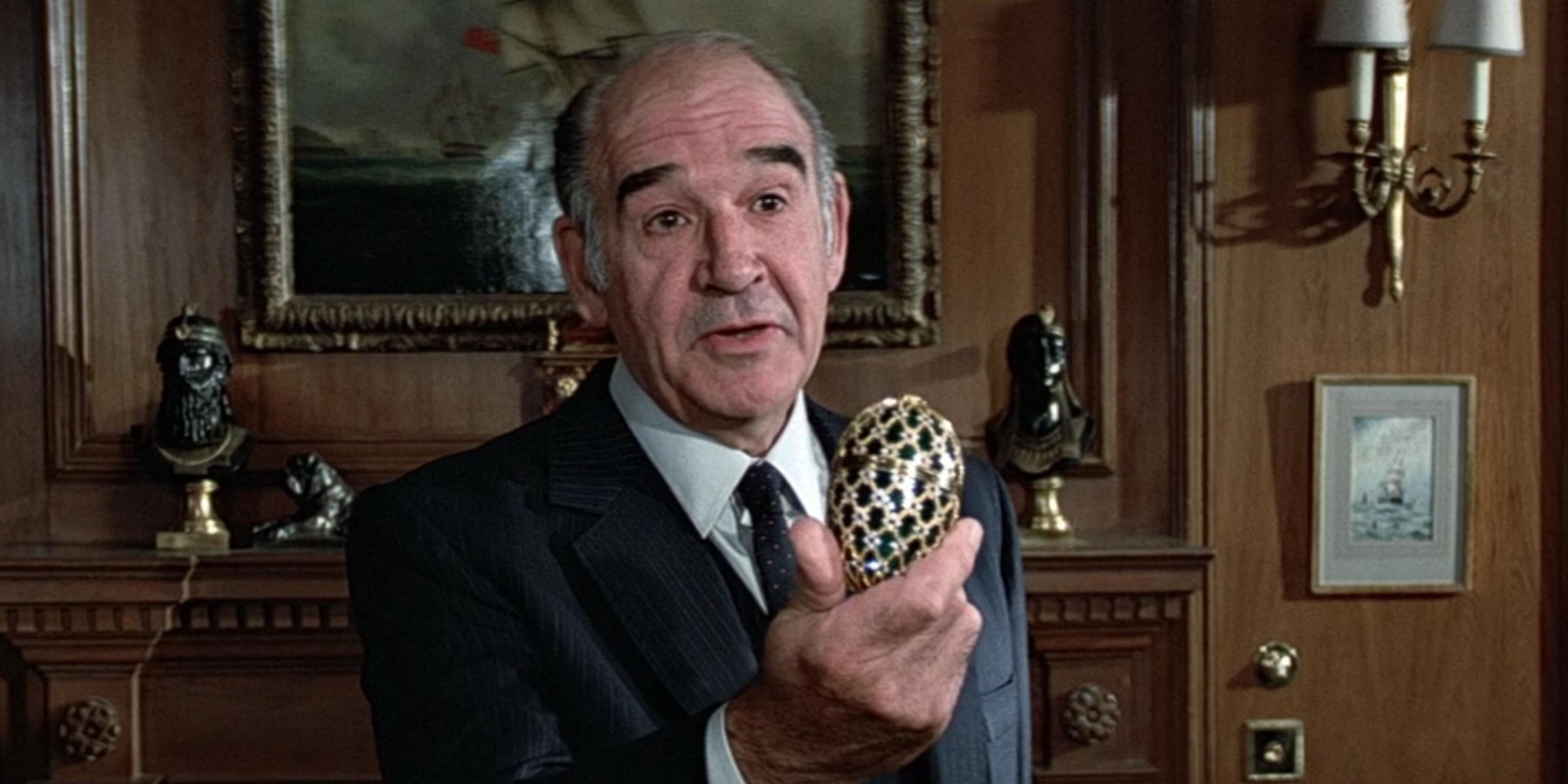
The character of M, the head of the British Secret Intelligence Service (MI6) and James Bond's stern superior, has been portrayed by several distinguished actors across the Eon Productions film franchise. The role has transitioned from a blunt military commander into a complex bureaucratic figure, reflecting changes in British governance, geopolitical realities, and cinematic storytelling traditions over more than six decades.
Introduction to the Role of M in the James Bond Universe
In Ian Fleming’s original espionage novels and the cinematic adaptations produced by Eon Productions, M functions as the ultimate authority figure for James Bond (007). The codename M—derived historically from Mansfield Smith-Cumming, the first head of the Secret Service who signed his directives with a green-inked "C"—represents duty, institutional pragmatism, and the cold reality of the Cold War and post-Cold War intelligence landscapes.
While James Bond embodies action, charm, and physical prowess, M provides the moral compass, operational parameters, and sharp rebukes that anchor 007 in a grounded organizational structure. Over the decades, the actors who brought M to life have shaped how audiences view authority, state loyalty, and institutional accountability. Examining these performances reveals not only the evolution of a legendary film character but also the shifting cultural anxieties of the United Kingdom from the height of the British Empire to the modern digital age.
The Literary Origins and Cinematic Foundation
Before exploring the individual actors who assumed the mantle, it is essential to understand the literary foundation established by Ian Fleming. Fleming based the character of M on several real-life figures he encountered while working in the Naval Intelligence Division during World War II, most notably Rear Admiral John Godfrey, his immediate superior. In the novels, M is depicted as a crusty, formidable Scotsman with a background in naval intelligence, operating out of a drab office overlooking Regent's Park.
When Albert R. "Cubby" Broccoli and Harry Saltzman brought Dr. No to the screen in 1962, the cinematic portrayal of M required an actor who could command immediate authority and project the weight of the British government. This foundational casting set a standard for all subsequent iterations, establishing M as a pillar of institutional continuity even as different actors stepped into the role of James Bond.
Complete Chronological Breakdown of Actors Who Played M
The lineage of actors who have portrayed M spans several distinct eras of cinema. Below is a detailed examination of each principal actor, their tenure, and their unique interpretation of the character.
1. Bernard Lee (1962–1979)
Bernard Lee was the first actor to play M, establishing the definitive archetype for the character across eleven films, from Dr. No (1962) to Moonraker (1979). Lee brought a gruff, no-nonsense demeanor to the role, perfectly capturing the military discipline and administrative severity envisioned by Ian Fleming.
- Tenure: Dr. No (1962) through Moonraker (1979).
- Bond Counterparts: Sean Connery, George Lazenby, Roger Moore.
- Characteristics: Lee's M was characterized by his pipe-smoking, his absolute intolerance for Bond's rule-breaking, and an underlying paternal warmth that occasionally surfaced during moments of crisis. He was deeply rooted in the traditions of the British Admiralty.
- Legacy: Lee was scheduled to appear in For Your Eyes Only (1981), but tragically passed away from stomach cancer before filming commenced. Out of respect, the role was not recast for that film, and dialogue was redistributed among other characters.
2. Robert Brown (1983–1989)
Following Bernard Lee's passing, the producers cast Robert Brown to take over the role starting with Octopussy (1983). Brown had previously appeared in minor roles in other Bond films (such as an admiral in The Spy Who Loved Me), making his transition into the role of M a seamless continuation of the traditional archetype.
- Tenure: Octopussy (1983) through Licence to Kill (1989).
- Bond Counterparts: Roger Moore, Timothy Dalton.
- Characteristics: Brown maintained the strict, military-focused demeanor of his predecessor. His M operated in a world increasingly touched by late Cold War tensions, technological shifts, and shifting geopolitical alliances, though his personal interactions with Bond remained firmly adversarial yet respectful.
- Legacy: Brown concluded his run with the end of the 1980s era of Bond films, stepping aside when the franchise went on a multi-year hiatus following Licence to Kill.
3. Judi Dench (1995–2015)
The casting of Judi Dench in GoldenEye (1995) marked a revolutionary turning point for the franchise. For the first time, M was portrayed by a woman, drawing direct real-life inspiration from Stella Rimington, the first female head of MI5. Dench's tenure spanned three different actors playing James Bond and bridged the gap between the end of the Cold War and the gritty reboot of the 21st century.
- Tenure: GoldenEye (1995) through Skyfall (2012), with a cameo appearance in Spectre (2015).
- Bond Counterparts: Pierce Brosnan, Daniel Craig.
- Characteristics: Dench's M was razor-sharp, intellectually formidable, and entirely unimpressed by Bond's charm. In the Brosnan era, she famously labeled Bond a "sexist, misogynist dinosaur, a relic of the Cold War." When the franchise rebooted with Daniel Craig in Casino Royale (2006), Dench was the only cast member retained, her character integrated into a more vulnerable, morally ambiguous universe. Her arc culminated in Skyfall, where her character died in the field, cementing her emotional centrality to the narrative.
- Legacy: Dench redefined M from a distant bureaucratic supervisor into a deeply complex principal character whose relationship with Bond formed the emotional core of multiple films.
4. Ralph Fiennes (2012–Present)
Ralph Fiennes assumed the role of M at the conclusion of Skyfall, taking over the leadership of MI6 after Judi Dench's character passed away. Fiennes brought a background of political savvy, bureaucratic maneuvering, and field experience to the character.
- Tenure: Skyfall (2012 cameo/transition) through No Time to Die (2021).
- Bond Counterparts: Daniel Craig.
- Characteristics: Fiennes's M (revealed to be named Gareth Mallory) transitioned from a government watchdog and former Lieutenant Colonel in the British Army into the active head of the intelligence service. He balances political pressures from Whitehall with clandestine operational necessities, frequently finding himself defending the double-0 section against parliamentary oversight and digital obsolescence.
- Legacy: Fiennes successfully bridged the classic administrative authority of the Lee era with the modern political realism established during Dench's tenure.
Comparative Analysis of Actors Who Played M
| Actor | Active Years | Films Credited | Bond Actors Overseen | Defining Characteristic |
|---|---|---|---|---|
| Bernard Lee | 1962–1979 | 11 films | Connery, Lazenby, Moore | Gruff military authority and fatherly sternness. |
| Robert Brown | 1983–1989 | 4 films | Moore, Dalton | Traditional naval background and steadfast discipline. |
| Judi Dench | 1995–2015 | 8 films | Brosnan, Craig | Intellectual dominance, sharp wit, and modern pragmatism. |
| Ralph Fiennes | 2012–2021 | 4 films | Craig | Political acumen, administrative resilience, and military past. |
Alternative and Non-Eon Portrayals of M
While Eon Productions maintains the official cinematic lineage, two notable non-Eon or satirical adaptations featured actors playing the role of M outside the primary continuity:
- John Huston (1967): In the satirical, unofficial spoof Casino Royale, legendary filmmaker and actor John Huston played M (who is also referred to as McTarry). In this comedic adaptation, M accidentally blows up his own Scottish estate using a mortar attack intended for Evelyn Tremble (played by Woody Allen).
- Edward Fox (1983): In the unofficial rival Bond film Never Say Never Again (a remake of Thunderball), Edward Fox portrayed a much younger, aristocratic, and overtly cynical version of M who viewed the 007 section as an expensive, outdated relic.
The Evolution of M's Office and Bureaucratic Role
The physical environment of M's office has undergone significant evolution, mirroring changes in British architectural tastes and security protocols.
- The Classic Era (Lee and Brown): The office featured dark wood paneling, leather-bound books, nautical paintings, and classic filing cabinets. It projected an image of an immovable, traditional British institution unaffected by changing decades.
- The Modern Era (Dench and Fiennes): The office transitioned into sleek, glass-fronted structures overlooking the River Thames (modeled after the real SIS building at Vauxhall Cross). The aesthetic emphasized digital surveillance screens, high-security command centers, and the pressures of cyber warfare, global terrorism, and parliamentary budget committees.
Furthermore, M's relationship with the British Prime Minister and the Joint Intelligence Committee became a recurring plot point. In films like GoldenEye, Quantum of Solace, and Spectre, M is frequently caught between defending the illegal or aggressive actions of James Bond and answering to politicians who view intelligence agencies through the lens of public relations and budget cuts.
Frequently Asked Questions
What was M's real name in the James Bond series?
In Ian Fleming's novels, M's real name is revealed to be Admiral Sir Miles Messervy. In the Eon film franchise, the name was rarely mentioned until the Daniel Craig era. In Skyfall (2012), Judi Dench's character's real name is revealed to be Olivia Mansfield. When Ralph Fiennes takes over the role, his character is named Gareth Mallory.
Why was Bernard Lee replaced as M?
Bernard Lee did not choose to leave the role voluntarily; he passed away from stomach cancer in January 1981, shortly before filming was scheduled to begin on For Your Eyes Only. Out of respect for his contribution to the franchise, producers chose not to recast the role for that single film, leaving M's dialogue to be spoken by other characters or cut entirely.
Has M ever been played by an actor other than a man?
Yes. Judi Dench famously played M across eight films starting with GoldenEye in 1995 and concluding with her cameo in Spectre in 2015. Her casting broke a 33-year tradition of male actors holding the role and introduced a dynamic where M and James Bond sparred on both professional and generational levels.
Did Ian Fleming base M on a real person?
Yes. Ian Fleming based the character primarily on Rear Admiral John Godfrey, who served as the Director of Naval Intelligence during World War II and was Fleming's direct superior. Fleming also drew inspiration from Sir Mansfield Smith-Cumming, the founder of the Secret Service Bureau.
Who is the current actor playing M in the James Bond series?
Ralph Fiennes is the most recent actor to portray M, having concluded his run with No Time to Die (2021). As the franchise enters its next developmental phase under Eon Productions, casting announcements for future films will determine who inherits the role next.
Conclusion and Next Actions
The role of M is much more than a narrative framing device for James Bond's missions; it is an evolving mirror reflecting the changing geopolitical standing of the United Kingdom and the shifting cinematic expectations of espionage thrillers. From Bernard Lee's steadfast naval commander to Ralph Fiennes's politically savvy bureaucrat, each actor has left an indelible mark on the mythos of 007. For enthusiasts looking to deepen their appreciation of the franchise, rewatching key transitions—such as Lee's final performance in Moonraker, Dench's introductory dressing-down of Bond in GoldenEye, or Fiennes's defense of MI6 in Spectre—offers a masterclass in how a supporting character can successfully anchor a multi-decade cinematic universe.