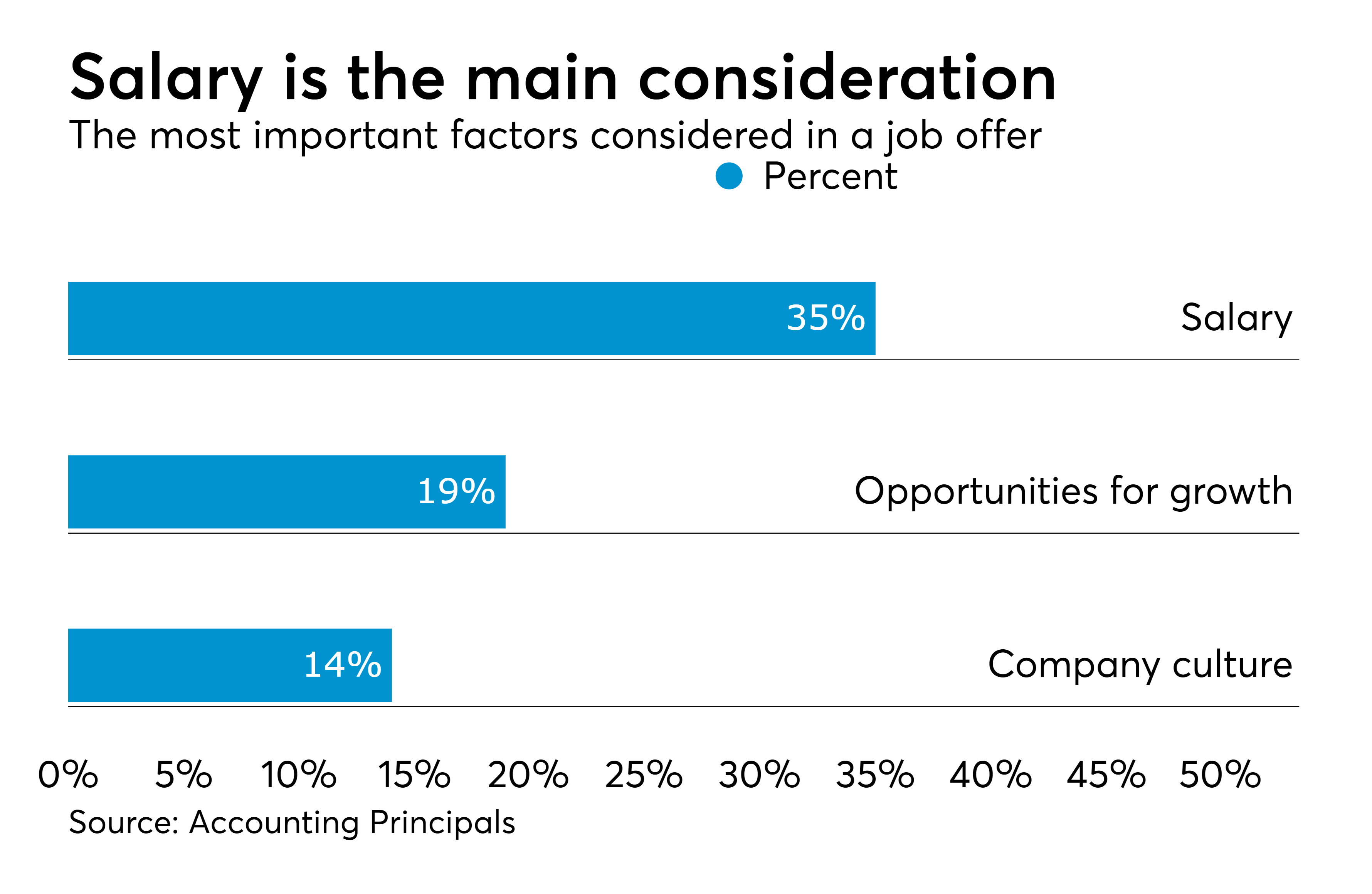
Accounting professionals in Canada earn an average annual salary ranging from $55,000 for entry-level roles to over $160,000 for senior financial management, with Chartered Professional Accountants (CPAs) commanding significantly higher compensation. Pay rates vary based on designation, years of experience, geographic location, and business sector.
Disclaimer
This article provides general career and compensation information for educational purposes. Compensation figures reflect market averages, public labor data, and industry reports across Canadian provinces. Individual compensation varies based on employer size, specific skills, performance, negotiation, and economic shifts.
Market Overview: The Landscape of Canadian Accounting Compensation
The Canadian accounting labor market remains resilient, driven by evolving regulatory frameworks, corporate tax compliance, digital transformation, and expanding financial reporting standards. Financial professionals serve essential functions across every segment of the Canadian economy, from small business bookkeeping to executive decision-making in publicly traded enterprise corporations.
Compensation within the field is structured around credentials, technical capabilities, and organizational responsibility. While introductory positions offer stable entry points, the career path provides substantial upward earnings mobility. The unifying factor across high-earning professionals in Canada is professional certification—specifically the Chartered Professional Accountant (CPA) designation, which unified Canada's CA, CMA, and CGA designations into a single professional body overseen by provincial CPA organizations under CPA Canada.
Career Growth & Compensation Escalation Trajectory:
- Entry Level
- $48,000 - $65,000
- (Bookkeeper / Staff)
- Intermediate / CPA Qualified
- $75,000 - $110,000
- (Senior / Tax / Audit Specialist)
- Management & Executive
- $120,000 - $220,000+
- (Controller / Director / CFO)
Beyond core credentials, specialized knowledge in corporate taxation, transfer pricing, financial systems implementation, environmental reporting, and data analytics commands premium pay in urban financial hubs such as Toronto, Vancouver, Calgary, and Montreal.
Accounting Salaries in Canada by Job Title and Level
Salary trajectories in Canadian accounting follow a clear stair-step structure based on functional responsibility, managerial oversight, and technical complexity.
1. Bookkeepers and Accounting Clerks
Bookkeepers and accounting technicians handle transactional processing, accounts payable (AP), accounts receivable (AR), payroll, and basic bank reconciliations.
- Entry-Level (0–2 years): $42,000 – $52,000
- Experienced (5+ years): $55,000 – $68,000
- Primary Scope: Maintaining general ledgers, processing invoices, preparing preliminary trial balances, and administering routine payroll tasks using accounting software such as QuickBooks or Sage.
2. Staff Accountant / Junior Financial Analyst
Junior accountants typically possess a bachelor’s degree in commerce or business administration and are often working toward their CPA prerequisite courses or enrollment in the CPA Professional Education Program (PEP).
- Base Salary Range: $52,000 – $70,000
- Primary Scope: Preparing monthly financial statements, conducting variance analyses, managing balance sheet reconciliations, assisting with external audit preparations, and supporting routine tax filings.
3. Senior Accountant (CPA Designated)
Senior accountants usually hold an active CPA designation or are in the final stages of practical experience verification after passing the Common Final Examination (CFE).
- Base Salary Range: $75,000 – $105,000
- Primary Scope: Leading year-end audit engagements, managing complex tax compliance, overseeing month-end close cycles, supervising junior staff, and preparing complex financial reports under IFRS or ASPE standards.
4. Financial Manager / Accounting Manager
Managers bridge technical execution and departmental leadership, overseeing teams of accountants, managing operational budgets, and presenting financial results to executive leadership.
- Base Salary Range: $95,000 – $135,000
- Primary Scope: Departmental administration, internal control design, management reporting, cash flow forecasting, and coordinating cross-functional financial strategy.
5. Corporate Controller
The Financial Controller acts as the chief accounting officer of an organization, taking full ownership of general accounting, internal reporting, compliance, internal controls, and taxation functions.
- Base Salary Range: $115,000 – $175,000+ (varies significantly by enterprise revenue size)
- Primary Scope: Financial reporting management, governance, treasury control, board reporting, external audit management, and financial risk mitigation.
6. Vice President of Finance / Chief Financial Officer (CFO)
Executive finance leaders drive capital allocation, strategic planning, investor relations, mergers and acquisitions (M&A), and overall financial health.
- Base Salary Range: $160,000 – $300,000+ (plus substantial performance bonuses, stock options, or equity incentives)
- Primary Scope: Long-term corporate strategy, capital structure, debt financing, enterprise risk management, executive leadership, and board advisory.
The CPA Impact: Designated vs. Non-Designated Earnings
The single most influential factor shaping an accounting compensation trajectory in Canada is the CPA designation. Data compiled from national labor market surveys and industry compensation benchmarks demonstrates a wide long-term income gap between designated and non-designated accounting personnel.
Long-Term Earning Potential Comparison (CAD):
- 0 - 2 Yrs:
- Entry Level ($60k)
- 3 - 6 Yrs:
- CPA Entry/Mid ($80k)
- 7 - 10 Yrs:
- CPA Senior / Manager ($120k)
- Non-CPA Senior ($80k)
- 10+ Yrs:
- CPA Executive / Controller ($160k)
- Non-CPA Cap ($60k)
Non-designated accounting professionals often experience a structural salary ceiling between $75,000 and $90,000, usually reaching roles like Senior Bookkeeper, Accounts Payable Manager, or Senior Accountant in smaller firms.
In contrast, CPAs frequently cross the $100,000 threshold within three to five years post-qualification. According to national profession compensation surveys, CPAs with three or more years of post-designation experience report median total compensation exceeding $130,000 to $150,000 annually, inclusive of performance bonuses and profit sharing.
Why Employers Pay a Premium for CPAs
- Regulatory Sign-Off Authority: CPAs licensed as public accountants hold exclusive authority to sign audit opinions and review engagement reports in public practice.
- Standardized Competency: The rigorous CPA program ensures mastery of International Financial Reporting Standards (IFRS), Accounting Standards for Private Enterprises (ASPE), corporate tax legislation, and management accounting.
- Fiduciary Trust and Ethics: CPAs are bound by strict provincial codes of professional conduct, mandatory continuing professional development (CPD), and professional liability standards.
Comprehensive Canadian Accounting Salary Reference Table
The following table outlines standard annual salary benchmarks across key accounting roles in Canada. Data synthesizes figures from the Government of Canada Job Bank (NOC 11100: Financial Auditors and Accountants; NOC 10010: Financial Managers) and broad industry benchmarks.
| Job Title / Role | National Median (CAD) | Entry-Level (25th Percentile) | Experienced (75th Percentile) | High-Earning / Executive (90th Percentile) |
|---|---|---|---|---|
| Accounting Clerk / Bookkeeper | $52,000 | $40,000 | $62,000 | $72,000 |
| Staff Accountant (Non-CPA) | $62,000 | $48,000 | $72,000 | $85,000 |
| Intermediate Accountant (CPA Candidate) | $74,000 | $60,000 | $84,000 | $95,000 |
| Senior Accountant (CPA) | $92,000 | $78,000 | $108,000 | $125,000 |
| Senior Tax Specialist | $105,000 | $85,000 | $122,000 | $145,000 |
| Internal Audit Specialist | $98,000 | $76,000 | $115,000 | $135,000 |
| Accounting Manager | $112,000 | $90,000 | $130,000 | $155,000 |
| Financial Controller | $138,000 | $105,000 | $165,000 | $210,000+ |
| Director of Finance | $155,000 | $125,000 | $185,000 | $230,000+ |
| VP of Finance / CFO | $210,000 | $150,000 | $260,000 | $350,000+ |
Note: Base salaries exclude variable performance bonuses, equity/stock grants, annual profit-sharing distributions, and extended benefit packages.
Regional Salary Variations Across Canadian Provinces
Geographic location exerts a strong influence on accounting salaries in Canada due to variations in regional cost of living, concentration of corporate headquarters, resource development, and local labor markets.
Regional Base Pay Differentials (Relative to National Average):
- Ontario (GTA): +5% to +15% — High enterprise & financial center density
- British Columbia: 0% to +10% — High cost of living; tech & real estate focus
- Alberta: +5% to +12% — Energy sector premiums; favorable tax structure
- Quebec: -5% to +2% — Lower living costs; bilingual requirements
- Atlantic Canada: -10% to -5% — Lower overhead; emerging regional tech hubs
1. Ontario (Greater Toronto Area & Ottawa)
Ontario offers the highest volume of corporate finance jobs in Canada. Toronto serves as the nation's financial capital, housing major bank headquarters, public accounting firms, and multinational corporations.
- Salary Index: 5% to 15% above national averages.
- Market Dynamics: Senior Accountants in Toronto frequently earn $88,000 to $115,000, while Controllers in large enterprises routinely exceed $150,000 to $190,000. Ottawa offers strong public sector stability through federal department accounting roles.
2. Alberta (Calgary & Edmonton)
Alberta’s compensation landscape is influenced by energy, resources, construction, and corporate head offices in Calgary.
- Salary Index: 5% to 12% above national averages.
- Market Dynamics: Energy sector positions frequently offer higher base salaries and bonus potential to attract specialized talent. Senior Accountants in Calgary average $85,000 to $112,000, while Controllers can earn $140,000 to $185,000.
3. British Columbia (Greater Vancouver Area)
Vancouver’s market features tech, real estate development, natural resources, and international trade.
- Salary Index: 0% to 10% above national averages.
- Market Dynamics: While overall living costs are high, base salaries in Vancouver historically lagged slightly behind Calgary and Toronto, though recent talent shortages have pushed compensation upward. Mid-level CPAs in Vancouver earn between $80,000 and $108,000.
4. Quebec (Greater Montreal Area)
Montreal offers a large job market across aerospace, artificial intelligence, video games, manufacturing, and financial services.
- Salary Index: Average to 5% below national averages, balanced by generally lower housing costs compared to Toronto and Vancouver.
- Market Dynamics: Professional bilingualism (French and English) is mandatory for almost all mid-to-senior accounting roles. Senior Accountants in Montreal average $75,000 to $98,000.
5. Atlantic Canada (Nova Scotia, New Brunswick, PEI, Newfoundland & Labrador)
- Salary Index: 5% to 10% below national averages.
- Market Dynamics: Regional compensation is growing due to remote work policies allowing Atlantic residents to work for national employers. Local roles offer steady employment with competitive regional purchasing power.
Sector Breakdown: Public Accounting vs. Industry vs. Public Sector
Where an accounting professional chooses to work directly impacts work-life balance, annual compensation growth, bonus structures, and career progression.
| Industry Sector | Key Compensation Advantages | Workplace Trade-offs |
|---|---|---|
| Public Practice (Big 4 / Firms) | Rapid promotion cycles; accelerated CPA training ground | High workload; demanding tax and audit deadline seasons |
| Private Industry (Corporate) | Higher base salaries; strong variable bonuses and equity | Slower promotion cycles; dependent on corporate performance |
| Government / Public Sector | Defined benefit pensions; strong job security & set work hours | Lower top-tier earnings ceiling; rigid salary pay bands |
Public Practice (Big 4 & Regional Firms)
Public accounting firms—including Deloitte, PwC, EY, KPMG, and major mid-market firms like BDO, MNP, and Grant Thornton—serve as standard entry routes for CPA candidates.
- Compensation Dynamic: Entry-level salaries in public accounting are often lower than private industry equivalents ($55,000 to $65,000 for junior auditors). However, progression is structured on regular promotion schedules.
- Progression: Moving from Associate to Senior Associate, Manager, and Senior Manager occurs over predictable 2-to-3-year bands. Partner compensation in major firms frequently ranges from $250,000 to well over $600,000 annually based on equity share and client portfolio billing.
Private Industry & Commercial Sector
Private commercial enterprises, public corporations, tech startups, and manufacturing firms generally pay higher base compensation for entry-level and mid-career professionals than public practice firms.
- Compensation Dynamic: Higher immediate starting pay, annual performance-based cash bonuses (10%–30% of base salary for managers), profit sharing, and equity compensation (stock options or Restricted Stock Units).
- Workplace Focus: Roles focus on management accounting, internal forecasting, operational cost control, and strategic planning.
Government and Public Sector
Federal departments (such as the Canada Revenue Agency and Treasury Board Secretariat), provincial ministries, municipalities, healthcare networks, and universities operate under structured union pay scales.
- Compensation Dynamic: Salaries follow fixed pay bands negotiated under collective agreements. While top-tier salaries peak earlier than executive private sector pay (typically capping between $110,000 and $145,000 for senior analysts and managers), benefits are substantial.
- Perks: Strong job security, defined benefit pension plans (such as Public Service Superannuation or provincial equivalents), predictable work hours, and comprehensive healthcare coverage.
Total Rewards: Bonuses, Benefits, and Additional Pay
Focusing solely on base salary overlooks a significant portion of an accounting professional's total compensation package in Canada.
- Annual Cash Bonuses: Performance-based cash bonuses vary by level and sector:
- Staff / Senior Accountants: 3% to 8% of base salary.
- Accounting Managers: 8% to 15% of base salary.
- Controllers & Finance Directors: 15% to 35% of base salary.
- CFOs & Executives: 30% to 100%+ of base salary.
- Professional Dues and Continuing Education Support: Most reputable Canadian employers cover annual provincial CPA dues (typically $1,200 to $2,500 per year) and fund required Continuing Professional Development (CPD) courses, conferences, and certifications.
- Retirement Contributions: Employers often match Registered Retirement Savings Plan (RRSP) contributions between 3% and 6% of base salary, or provide access to structured pension plans.
- Flexible & Hybrid Work Arrangements: Hybrid work models (2–3 days remote per week) have become a standard standard benefit across Canadian finance teams, providing implicit value through reduced commuting expenses.
Practical Strategies to Maximize Your Canadian Accounting Earnings
To achieve top-tier earnings within the Canadian accounting market, consider implementing the following strategic moves:
1. Earn the CPA Designation Early
Completion of the CPA designation remains the most effective driver of long-term compensation growth. Candidates should secure employment with a designated CPA Practical Experience Recognized Option (PERO) employer or navigate the Experience Verification Route (EVR) early in their careers.
2. Develop In-Demand Technical & Software Expertise
Traditional accounting tasks are increasingly automated. Accountants who command high compensation combine accounting knowledge with technical tools, such as:
- Enterprise Resource Planning (ERP) systems: SAP, Oracle NetSuite, Workday, Microsoft Dynamics 365.
- Business Intelligence and Analytics: Power BI, Tableau, Advanced SQL, Python for financial modeling.
3. Build Specialized Tax or Transaction Expertise
Generalists earn steady incomes, but niche experts command premium compensation. Specialized areas with high demand include:
- Corporate cross-border taxation and international transfer pricing.
- Mergers and Acquisitions (M&A) financial due diligence.
- Forensic accounting, fraud investigation, and litigation support.
- Environmental, Social, and Governance (ESG) financial reporting and assurance.
4. Strategic Career Management
Remaining in an entry-level or intermediate role at a single organization for extended periods can result in below-market annual merit increases (typically 2%–4%). High-earning professionals manage their careers by seeking internal promotions or making strategic lateral transitions every 3 to 5 years to align their earnings with prevailing market rates.
Frequently Asked Questions
What is the average starting salary for an accountant in Canada?
The average starting salary for an entry-level accountant or accounting graduate in Canada ranges between $48,000 and $65,000 per year. Initial compensation varies depending on whether the candidate works in public accounting or private industry, as well as their geographic location and prior internship experience.
How much more do CPA accountants make compared to non-CPAs in Canada?
CPAs earn substantially more over their careers compared to non-designated accountants. While non-designated professionals often plateau between $75,000 and $90,000, CPAs routinely cross $100,000 within a few years of certification, with mid-to-senior level CPAs earning median compensation between $130,000 and $160,000+.
Does public accounting pay more than industry accounting in Canada?
In the early years of a career, private industry positions typically offer higher starting base salaries than public accounting firms. However, public accounting offers accelerated training, clearer promotion paths, and rapid salary scaling. Many accountants gain their CPA credentials in public accounting before transitioning to industry roles at manager or controller levels for higher pay.
Which Canadian city pays accountants the highest salaries?
Toronto and Calgary consistently offer the highest absolute base salaries for accounting professionals in Canada. Toronto leads in corporate, capital market, and financial sector pay, while Calgary offers high compensation driven by the energy, resource, and commercial sectors, alongside Alberta's lower top marginal income tax brackets.
Are accounting salaries rising in Canada?
Yes, accounting compensation in Canada continues to show steady growth due to retirements among senior professionals, increased regulatory complexity, and persistent demand for qualified CPAs. Organizations actively pay higher compensation and offer flexible hybrid work to attract and retain skilled financial professionals.
Next Steps for Accounting Professionals
To optimize your compensation path in the Canadian accounting market:
- Benchmark Your Pay: Compare your current compensation against official data from the Government of Canada Job Bank for your specific city and experience level.
- Review Your Qualification Path: If non-designated, map out prerequisites for entry into the CPA PEP program via your regional body (CPA Ontario, CPA Western School of Business, CPA Quebec, or CPA Atlantic).
- Target Skill Gaps: Build expertise in advanced financial modeling, ERP management, and data visualization software to prepare for high-value senior accounting roles.