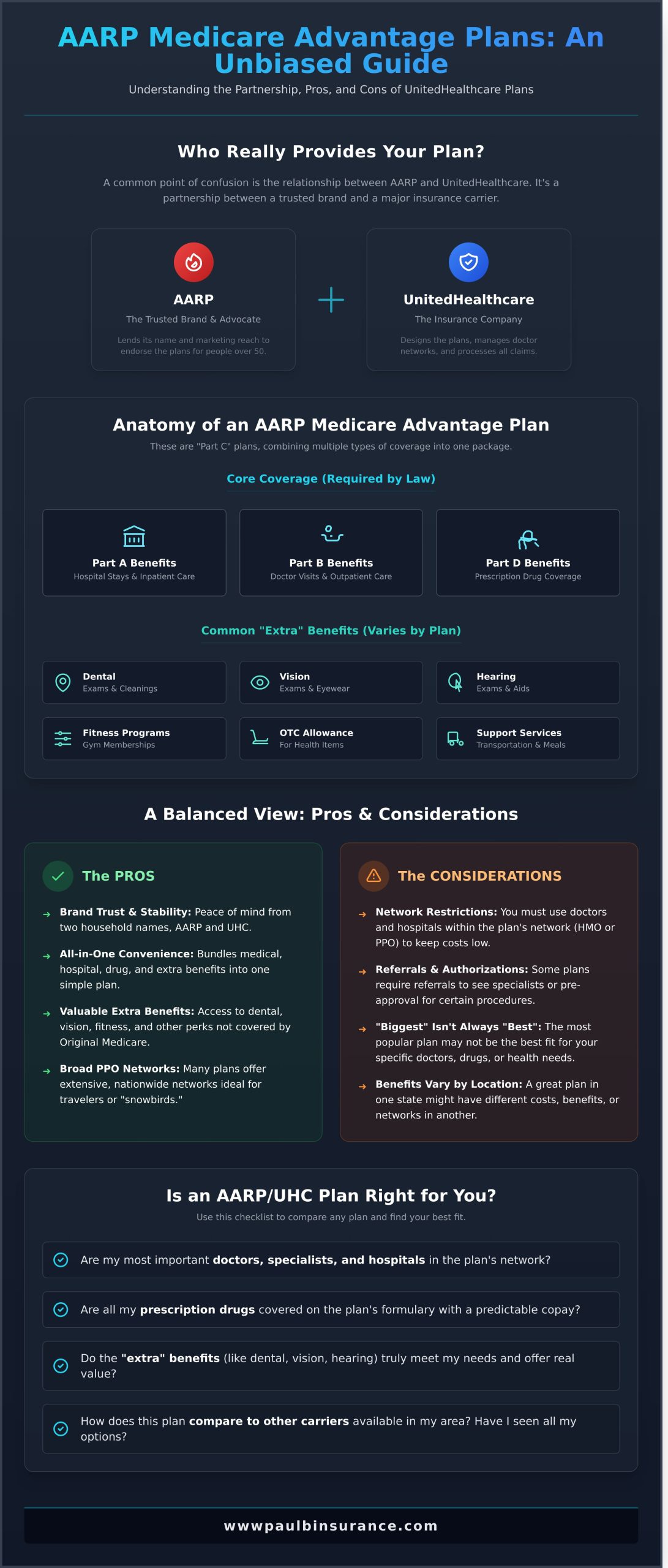
AARP does not function as an insurance carrier and therefore does not underwrite or issue Medicare Advantage plans directly. Instead, AARP provides educational resources and partners with UnitedHealthcare to offer plans that carry the AARP name. Understanding this distinction is essential for beneficiaries evaluating their healthcare options during the 2026 plan year.
The Role of AARP in the Medicare Marketplace
To navigate the landscape of Medicare Advantage, it is important to clarify the relationship between AARP and the insurance industry. AARP is a non-profit, non-partisan organization that focuses on the interests of people aged 50 and older. Because it is not an insurance company, it does not have the legal authority to create or manage health insurance policies.
Instead, AARP engages in a branding and endorsement relationship with UnitedHealthcare. Through this collaboration, UnitedHealthcare develops and administers Medicare Advantage plans, Medicare Supplement Insurance (Medigap) plans, and Medicare Part D prescription drug plans that are branded with the AARP name. When a consumer looks at an "AARP Medicare Advantage" plan, they are interacting with a product designed and supported by the operational infrastructure of UnitedHealthcare.
This arrangement provides several advantages for the consumer, primarily in the form of brand stability and integrated network management. However, for the purposes of legal coverage, claims processing, and network participation, the insurer of record is UnitedHealthcare.
Medicare Advantage Explained
Medicare Advantage, also known as Medicare Part C, serves as an alternative to Original Medicare (Part A and Part B). When an individual enrolls in a Medicare Advantage plan, they are still within the Medicare program, but their coverage is administered by a private insurance company rather than the federal government.
These plans are required to provide at least the same level of coverage as Original Medicare, but they often bundle additional benefits. Common features included in these plans are:
- Prescription Drug Coverage: Most Medicare Advantage plans include Part D coverage within the same premium.
- Ancillary Benefits: Many plans offer coverage for dental, vision, hearing, and wellness programs (such as SilverSneakers) that are generally not covered under Original Medicare.
- Out-of-Pocket Limits: Unlike Original Medicare, which does not have a cap on out-of-pocket costs, Medicare Advantage plans must include an annual maximum out-of-pocket limit, providing financial protection against catastrophic health events.
Eligibility and Prerequisites
Before considering an AARP-branded Medicare Advantage plan through UnitedHealthcare, a consumer must meet the foundational requirements for Medicare enrollment. These remain universal regardless of the plan carrier:
- Age or Disability Status: You must be 65 years of age or older, or under 65 with certain disabilities, or have End-Stage Renal Disease (ESRD).
- Medicare Entitlement: You must be enrolled in both Medicare Part A (Hospital Insurance) and Medicare Part B (Medical Insurance).
- Residency: You must reside within the specific service area covered by the Medicare Advantage plan you intend to join.
Because Medicare Advantage plans are geographically restricted, an AARP-branded plan available in one county may not be available in a neighboring county. It is critical to use the official Medicare Plan Finder tool or the UnitedHealthcare website to verify that a specific plan is available in your current zip code.
Comparing AARP-Branded Plans to Alternatives
When evaluating whether an AARP-branded Medicare Advantage plan is the right choice, it is helpful to compare it against other available options in your market. The following table illustrates the conceptual differences between these coverage types.
| Feature | Original Medicare | AARP-Branded Medicare Advantage |
|---|---|---|
| Administration | Federal Government | UnitedHealthcare (Private) |
| Provider Network | Nationwide (any provider accepting Medicare) | Often restricted to HMO or PPO networks |
| Prescription Drugs | Requires separate Part D plan | Often integrated into the plan |
| Extra Benefits | Generally none (Dental/Vision/Hearing) | Frequently included |
| Out-of-Pocket Limit | None | Annual maximum applies |
Note: This table represents general characteristics. Specific benefits, provider networks, and costs vary significantly by plan and location.
The Enrollment Process
Enrollment in an AARP-branded Medicare Advantage plan follows the standard Medicare timeline. Individuals typically join during their Initial Enrollment Period (IEP), which is a seven-month window surrounding their 65th birthday. Alternatively, individuals may change plans during the Annual Enrollment Period (AEP), which occurs from October 15 to December 7 each year, or during a Special Enrollment Period (SEP) if they qualify due to specific life events, such as moving to a new service area or losing employer-sponsored coverage.
To apply for a plan:
- Research: Use the Medicare Plan Finder to compare benefits, premiums, and estimated annual costs for plans in your area.
- Verify Networks: Check the online provider directory for the specific plan to ensure your primary care physician and essential specialists are in-network.
- Review Formularies: Examine the drug list (formulary) to ensure your current medications are covered and to understand their cost-tier placement.
- Submit Application: Enrollment can typically be completed online through the insurer’s website, through the Medicare.gov portal, or by speaking with a licensed insurance agent.
Costs and Financial Considerations
It is a common misconception that because these plans carry the AARP brand, there are special discounts applied to the monthly premiums. In reality, the premiums, deductibles, and co-payments for these plans are determined by the plan design and the local market conditions dictated by the insurer.
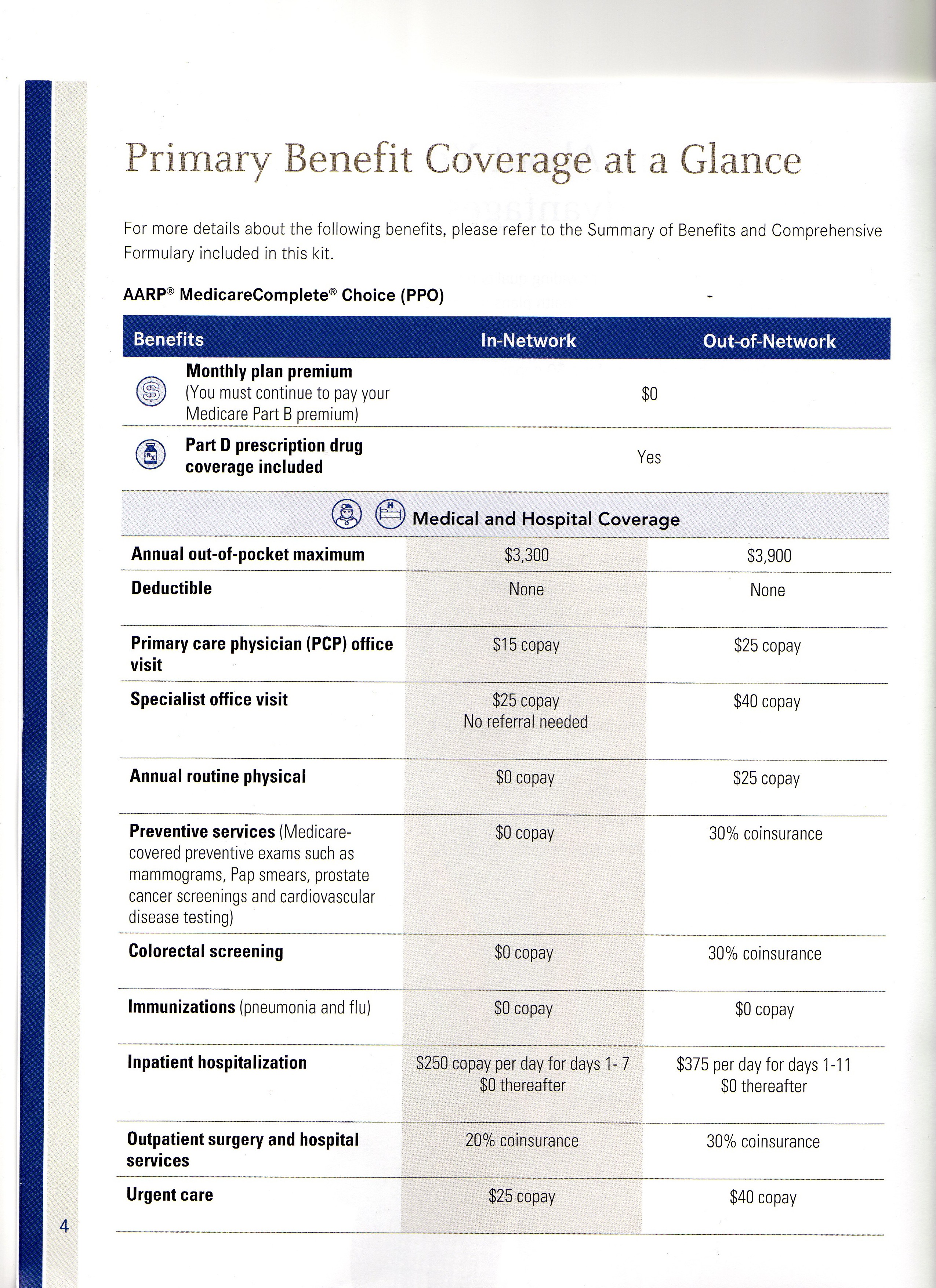
- Premiums: Some Medicare Advantage plans have a $0 monthly premium, though this does not mean the plan is "free." You continue to pay your Medicare Part B premium to the government, and you are responsible for co-payments and co-insurance for services received.
- Cost Sharing: Always review the Summary of Benefits document. This document details exactly what you will pay for doctor visits, hospital stays, and emergency services.
- Prior Authorization: Some services under Medicare Advantage require prior authorization. Ensure you understand which procedures require approval from the plan before you seek treatment to avoid unexpected financial liability.
Common Pitfalls and Troubleshooting
A frequent mistake beneficiaries make is failing to check the provider network. Because AARP-branded plans are often administered as Health Maintenance Organizations (HMOs) or Preferred Provider Organizations (PPOs), your access to care is tied to the specific network managed by UnitedHealthcare. If you see a provider outside that network, you may face higher costs or a total lack of coverage.
If you encounter issues such as a denied claim or an incorrect billing statement, the first step is always to contact the member services department of your insurance plan. The customer service number is usually located on the back of your insurance ID card. Document the date, time, and name of the representative you speak with. If the issue remains unresolved after working through the plan's formal grievance process, you can escalate the matter to the state’s Senior Health Insurance Assistance Program (SHIP), which provides free, unbiased counseling on Medicare issues.
Evaluating Suitability
Choosing a Medicare Advantage plan is a highly individual process. An AARP-branded plan may be ideal for a beneficiary who values the extensive provider networks often maintained by major carriers and the convenience of bundled drug coverage. Conversely, a beneficiary who travels extensively and requires the ability to see any doctor in the country who accepts Medicare might find Original Medicare with a separate Medigap policy more suitable.
When deciding, prioritize your personal healthcare needs—such as specific medications, preferred specialists, and anticipated medical procedures—over brand names or marketing materials. Always review the "Evidence of Coverage" document before finalizing your enrollment, as this serves as the legal contract governing your plan's benefits.
Frequently Asked Questions
Does AARP provide insurance for Medicare? No, AARP does not act as an insurance carrier. AARP licenses its name to UnitedHealthcare, which designs, issues, and administers the Medicare Advantage plans marketed as AARP Medicare Advantage.
Can I keep my current doctor with an AARP Medicare Advantage plan? It depends on whether your doctor participates in the specific network (HMO or PPO) associated with the plan you choose. You should search the provider directory on the insurer’s website or contact your doctor’s office to confirm they accept your specific plan before enrolling.
What happens if I move to a different state? Medicare Advantage plans are service-area specific. If you move, you will likely need to select a new plan that serves your new zip code. Moving is considered a qualifying life event, which triggers a Special Enrollment Period allowing you to switch plans outside of the Annual Enrollment Period.
Are AARP Medicare Advantage plans cheaper than others? There is no fixed rule that these plans are cheaper or more expensive than others. Costs are determined by the specific plan's design, your location, and the level of coverage provided. Always compare the "total annual cost," which includes monthly premiums, deductibles, and anticipated out-of-pocket costs for your specific medical needs.
How do I get help choosing a plan? You can use the official Medicare.gov Plan Finder to compare all available plans in your area side-by-side. For personalized assistance, you can contact your state's SHIP office, which offers free, objective counseling to help you understand your options without the influence of sales motives.
Next Steps
If you are currently exploring your options for the upcoming year, start by logging into your account at Medicare.gov. Ensure your current prescriptions and preferred pharmacy are saved in your profile. Run a comparison to see how the various plans—including those branded by AARP and those offered by other carriers—perform based on your specific health profile. If you have questions about specific network coverage, call your preferred healthcare providers directly and ask: "Do you accept [Name of specific Medicare Advantage plan] for the upcoming year?" Using these direct verification steps will help ensure you make an informed decision regarding your healthcare coverage.