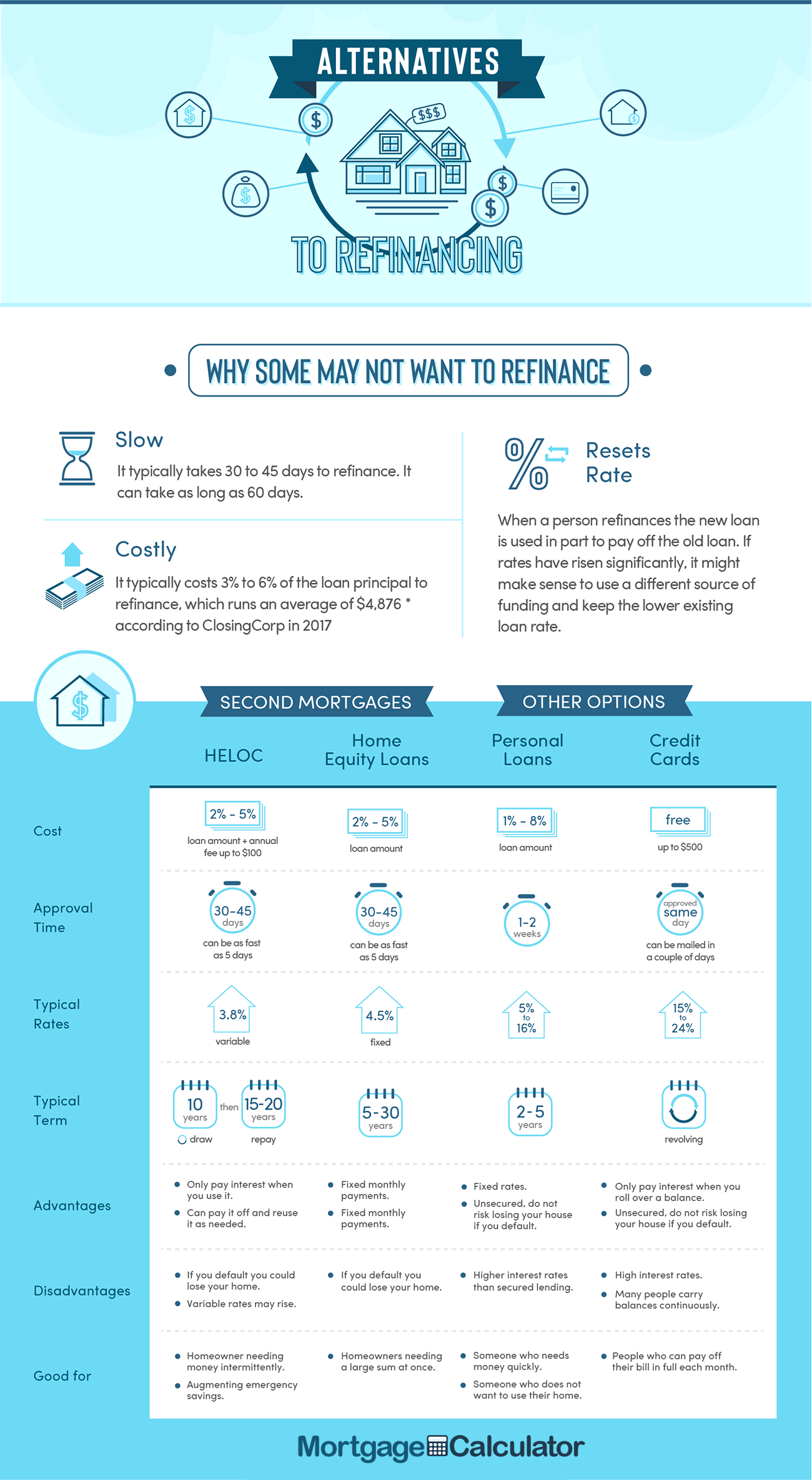
Refinancing a home involves replacing your existing mortgage with a new loan, typically to secure better terms, lower interest rates, or access built-up equity. By resetting your mortgage agreement, you can potentially reduce monthly payments, change your loan duration, or consolidate high-interest debt, provided your current credit profile and property value meet lender requirements in the current 2026 economic environment.
Refinancing is not merely an administrative shift; it is a financial recalibration that requires weighing closing costs against long-term interest savings. Whether you are seeking to minimize your monthly overhead or leverage your home as a financial tool, understanding these seven primary drivers can help you determine if the process aligns with your current fiscal strategy.
1. Securing a Lower Interest Rate
The most common driver for mortgage refinancing is the pursuit of a lower interest rate. Even a reduction of 0.5% to 1.0% can result in significant savings over the life of a 30-year loan. When you refinance to a lower rate, your monthly principal and interest payment drops, which effectively increases your monthly cash flow.
However, in 2026, it is vital to evaluate the "break-even point." This is the amount of time it takes for the monthly savings from your lower payment to cover the closing costs of the new loan. If you plan to move within a few years, the upfront costs—which typically range from 2% to 5% of the loan amount—may negate the interest savings. Always verify if your current loan has a prepayment penalty, as this could offset the financial advantage of securing a lower rate.
2. Transitioning Between Loan Programs
Borrowers often begin with an Adjustable-Rate Mortgage (ARM) because the initial rates are lower than fixed-rate options. However, as the initial teaser period nears its end, the interest rate may adjust upward based on market conditions. Refinancing from an ARM to a Fixed-Rate Mortgage provides long-term stability by locking in a predictable payment schedule for the duration of the loan.
Conversely, some homeowners choose to move from a 30-year fixed loan to a 15-year fixed loan. While this increases the monthly payment, it substantially decreases the total interest paid over the life of the loan and accelerates equity accumulation. This transition is a common strategy for homeowners who have seen their income rise and wish to clear their debt burden before retirement.
3. Removing Private Mortgage Insurance (PMI)
If your initial down payment was less than 20% of the home’s purchase price, you are likely paying for Private Mortgage Insurance (PMI). This insurance protects the lender, not you, and adds an unnecessary monthly expense. If your home has appreciated significantly since you purchased it, your Loan-to-Value (LTV) ratio may now be 80% or lower.
By refinancing, you can have your home reappraised. If the new appraisal shows that your equity exceeds 20%, you may be able to secure a new loan that does not require PMI. Eliminating this monthly fee provides an immediate boost to your household budget without requiring a change in the underlying interest rate.
4. Consolidating High-Interest Debt
Cash-out refinancing allows homeowners to tap into their home equity by taking out a new, larger loan and receiving the difference in cash. Many homeowners use this capital to pay off high-interest consumer debt, such as credit cards, personal loans, or medical bills.
Mortgage interest rates are generally lower than the interest rates associated with revolving credit accounts. By moving this debt into your mortgage, you effectively consolidate multiple payments into one and pay a significantly lower interest rate on that debt. While this strategy is effective for debt management, it requires discipline; using home equity to pay off short-term debt turns unsecured debt into secured debt, meaning your home is collateral for the new, larger loan balance.
5. Funding Home Improvements
Similar to debt consolidation, a cash-out refinance can serve as a vehicle for financing substantial renovations. If your home requires repairs, an energy-efficient upgrade, or a significant remodel, tapping into your equity is often more cost-effective than taking out a home equity line of credit (HELOC) or a personal loan, which typically carry higher variable interest rates.
When using a refinance for improvements, ensure the projects you choose offer a high return on investment (ROI). Kitchen remodels, bathroom updates, and structural repairs are often viewed favorably by appraisers, potentially increasing the home's value further and helping to maintain a healthy LTV ratio.
6. Changing the Length of Your Loan Term
Your financial goals evolve over time. Early in a career, a 30-year mortgage might be necessary to keep monthly payments manageable. As your income grows, you might choose to refinance to a shorter term—such as a 10 or 20-year mortgage—to pay off the home faster.
The inverse is also true. If you are facing a temporary reduction in household income, you might choose to refinance into a new 30-year loan from a shorter term to lower your monthly obligations. While this extends the time you spend in debt and increases the total interest paid, it provides the necessary breathing room to manage current cash flow challenges.
7. Removing a Co-Borrower
Divorce, separation, or changes in homeownership arrangements often require the removal of a person’s name from a mortgage. Most lenders do not allow for a simple "name removal" through a quitclaim deed alone, as the original borrower remains liable for the debt.
Refinancing is the standard legal and financial process to remove a co-borrower. The remaining occupant applies for a new mortgage in their own name based on their individual creditworthiness and income. This process cleans the title and ensures that the person leaving the home is no longer financially tethered to the mortgage debt.
Comparative Overview of Refinance Goals
| Reason for Refinance | Primary Benefit | Key Consideration |
|---|---|---|
| Lower Interest Rate | Reduced monthly payment | Break-even point analysis |
| ARM to Fixed Rate | Payment stability | Higher initial rates |
| Remove PMI | Lower monthly cost | Requires >20% equity |
| Debt Consolidation | Lower interest rates | Secured vs. unsecured risk |
| Home Improvements | Asset appreciation | ROI of specific projects |
| Change Loan Term | Faster payoff or lower payment | Impact on total interest |
| Remove Co-Borrower | Ownership restructuring | Qualification based on one income |
Frequently Asked Questions
What are the standard closing costs for a refinance in 2026?
Closing costs typically range from 2% to 5% of the total loan amount. These fees cover application processing, credit checks, property appraisal, title insurance, and recording fees. Always request a Loan Estimate (LE) from your lender to view a breakdown of these costs before committing.
Does my credit score have to be perfect to refinance?
While a higher credit score generally leads to more competitive interest rates, lenders have varying criteria. Some programs, such as those backed by the FHA or VA, may be more flexible with credit requirements than conventional loans. Improving your credit score by even a few points before applying can yield significant savings over the life of a loan.
Can I refinance if I currently have a negative equity (underwater) mortgage?
If your home value is less than your current mortgage balance, you may still be able to refinance through specific government-backed programs designed for "underwater" borrowers. Eligibility for these programs often depends on the type of loan you currently hold (e.g., Fannie Mae or Freddie Mac).
How soon after buying a house can I refinance?
There is no universal legal waiting period for a standard refinance, but many lenders require you to have owned the home for at least six months. If you are utilizing a specific cash-out refinance program, the lender may have seasoning requirements, often requesting that you have owned the home for at least 12 months.
Should I pay "points" to lower my interest rate?
Paying "discount points" allows you to pay an upfront fee at closing to lower your interest rate for the life of the loan. This makes sense only if you plan to stay in the home long enough to recoup the cost of the points through monthly savings. Calculate the cost of the points against your anticipated monthly savings to see if the investment pays off within your expected occupancy window.
Next Actions
Before contacting a lender, start by determining your current home value through recent comparable sales in your neighborhood. Request a payoff statement from your current mortgage servicer to confirm your exact remaining balance. Finally, assess your current credit report for any errors that could impact your interest rate. Once you have this data, compare quotes from at least three different lenders—including credit unions, large banks, and online mortgage brokers—to ensure you are securing the most favorable terms for your specific financial situation.